
3,093 views ·
29 replies
3k views
29 replies
Attach glass profile to IPE beam
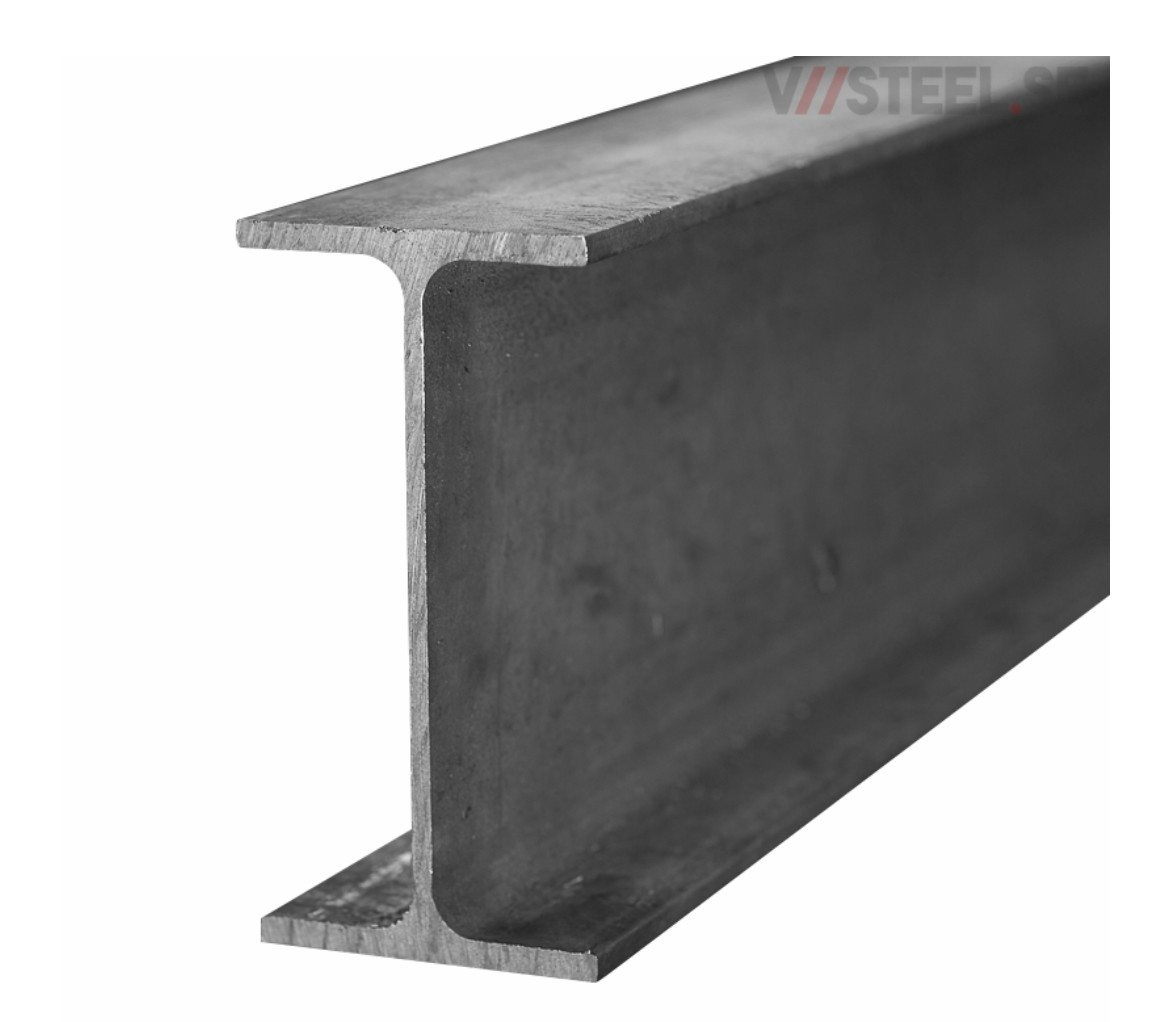
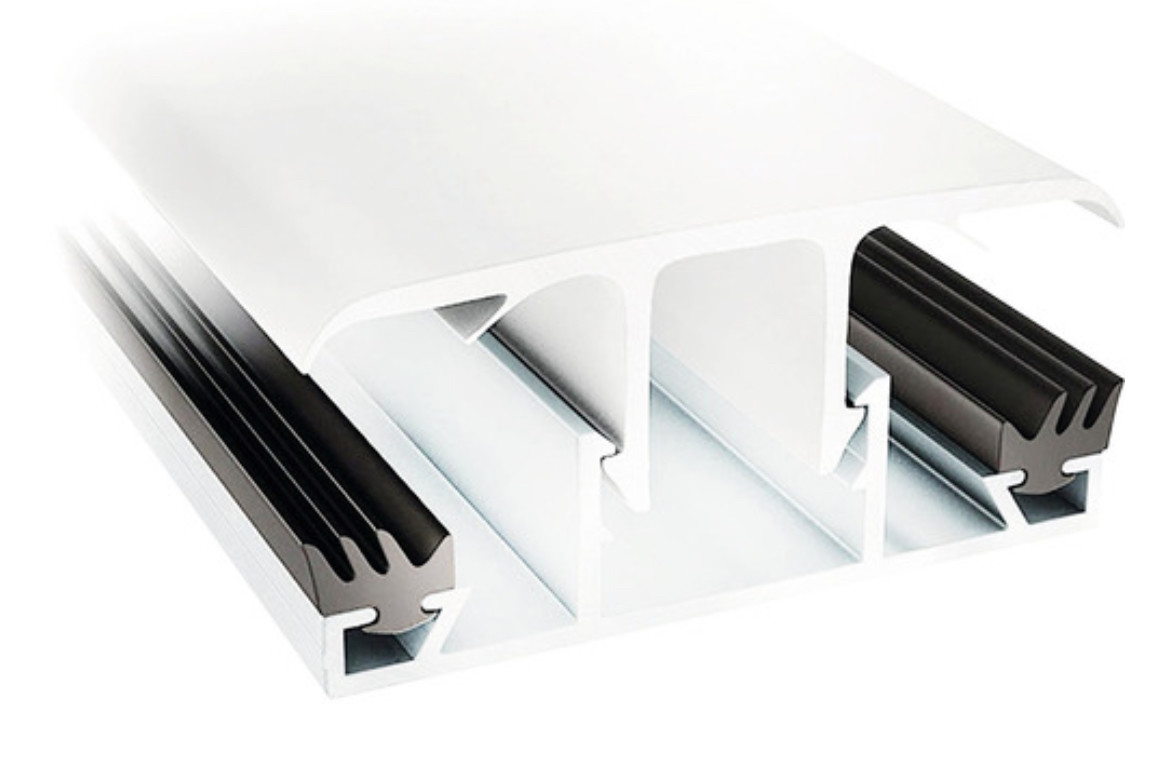


I think a beam screw will be too coarse.
I think it will be good to place the profile on the beam. Drill through both the profile and into the middle of the beam about 10 mm M5 maybe. Remove the profile, run the tap, test the holes, and then apply glue and put the profile back. Maybe drill holes every 25 cm.
Insert screw and washer.
I think it will be good to place the profile on the beam. Drill through both the profile and into the middle of the beam about 10 mm M5 maybe. Remove the profile, run the tap, test the holes, and then apply glue and put the profile back. Maybe drill holes every 25 cm.
Insert screw and washer.
Drilling and tapping straight down into life works fine too. But it's no fun to tap bottom holes.
But do the holes have to be in the middle? There seems to be plenty of space to screw into the aluminum profile.
Another option is to use blind rivets. It's much faster to install than messing with tapping or fiddling with screws and nuts. But it requires that you don't drill down into life.
But do the holes have to be in the middle? There seems to be plenty of space to screw into the aluminum profile.
Another option is to use blind rivets. It's much faster to install than messing with tapping or fiddling with screws and nuts. But it requires that you don't drill down into life.

Doesn't a blind rivet need a through hole?PNO said:
Drilling and tapping straight down works fine too. But it's not fun to tap bottom holes.
But do the holes have to be in the middle? There seems to be plenty of space to screw into the aluminum profile.
Another option is to use a blind rivet. It's much faster to install than fiddling with tapping or dealing with screws and nuts. But it requires you not to drill down.
Maybe they don't need to be in the center, but it feels best. If you drill to the side (same section as the board), you can bet it will start to leak. But it doesn't seem to be a problem, really, to drill through in the same section as the board and maybe place spacers or thin bolts (m5).Drilling and tapping straight down into the liv is fine too. But tapping bottom holes isn't fun.
But do the holes have to be centered? There seems to be loads of space to screw into the aluminum profile.
Another option is to use blind rivets. It's much faster to assemble than messing around with tapping or fiddling with screws and nuts. But it requires you not to drill down into the liv.

Exactly what I wrote - a blind rivet works if you can drill somewhere other than the middle of the beam. The web is, therefore, what's in the middle of the beam and holds together the edges called flanges.
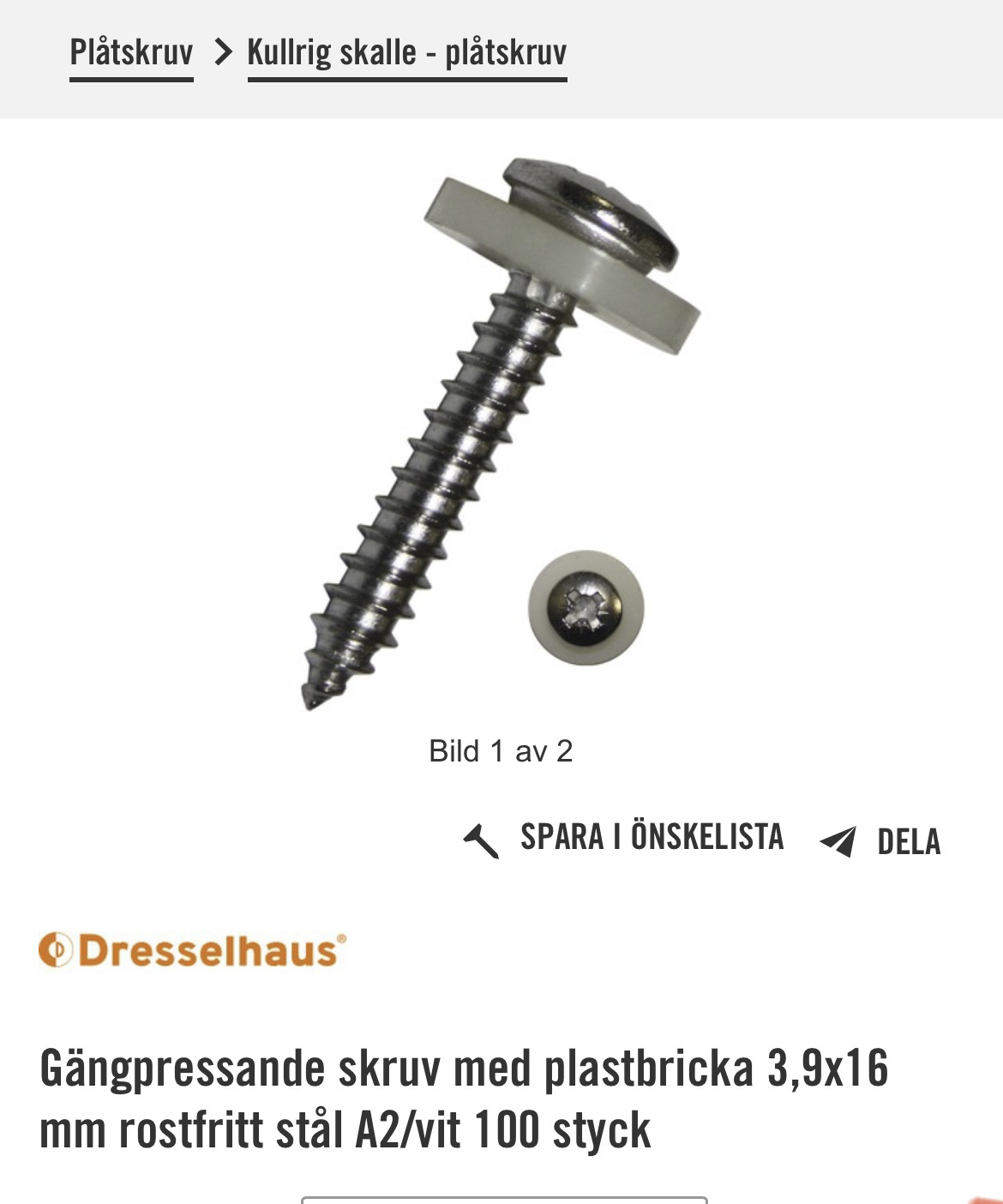
The tip about the thread-forming screw is also good. However, it's not the one in your picture. A thread-forming screw looks like a regular M-threaded screw at first glance and fits with a regular nut. But upon closer inspection, the screw is slightly conical at the front and slightly triangularly pressed at the front. This allows it to form its own thread in moderately hard steel types, such as in beams. You would drill a slightly larger hole than if you were to thread with a tap because the tap cuts away material as chips, while the thread-forming screw presses material from the thread's valleys to its peaks.
The tip about the thread-forming screw is also good. However, it's not the one in your picture. A thread-forming screw looks like a regular M-threaded screw at first glance and fits with a regular nut. But upon closer inspection, the screw is slightly conical at the front and slightly triangularly pressed at the front. This allows it to form its own thread in moderately hard steel types, such as in beams. You would drill a slightly larger hole than if you were to thread with a tap because the tap cuts away material as chips, while the thread-forming screw presses material from the thread's valleys to its peaks.
Kind of.D Derbyboy said:
I would not have chosen stainless steel but a steel screw. I believe it might be the aluminum strip that corrodes otherwise.
Then I would probably try to find screws with a torx head.
But I'm no corrosion expert, maybe someone else can elaborate on the reasoning.
/Höghus