
2,030 views ·
24 replies
2k views
24 replies
Asbestos question again
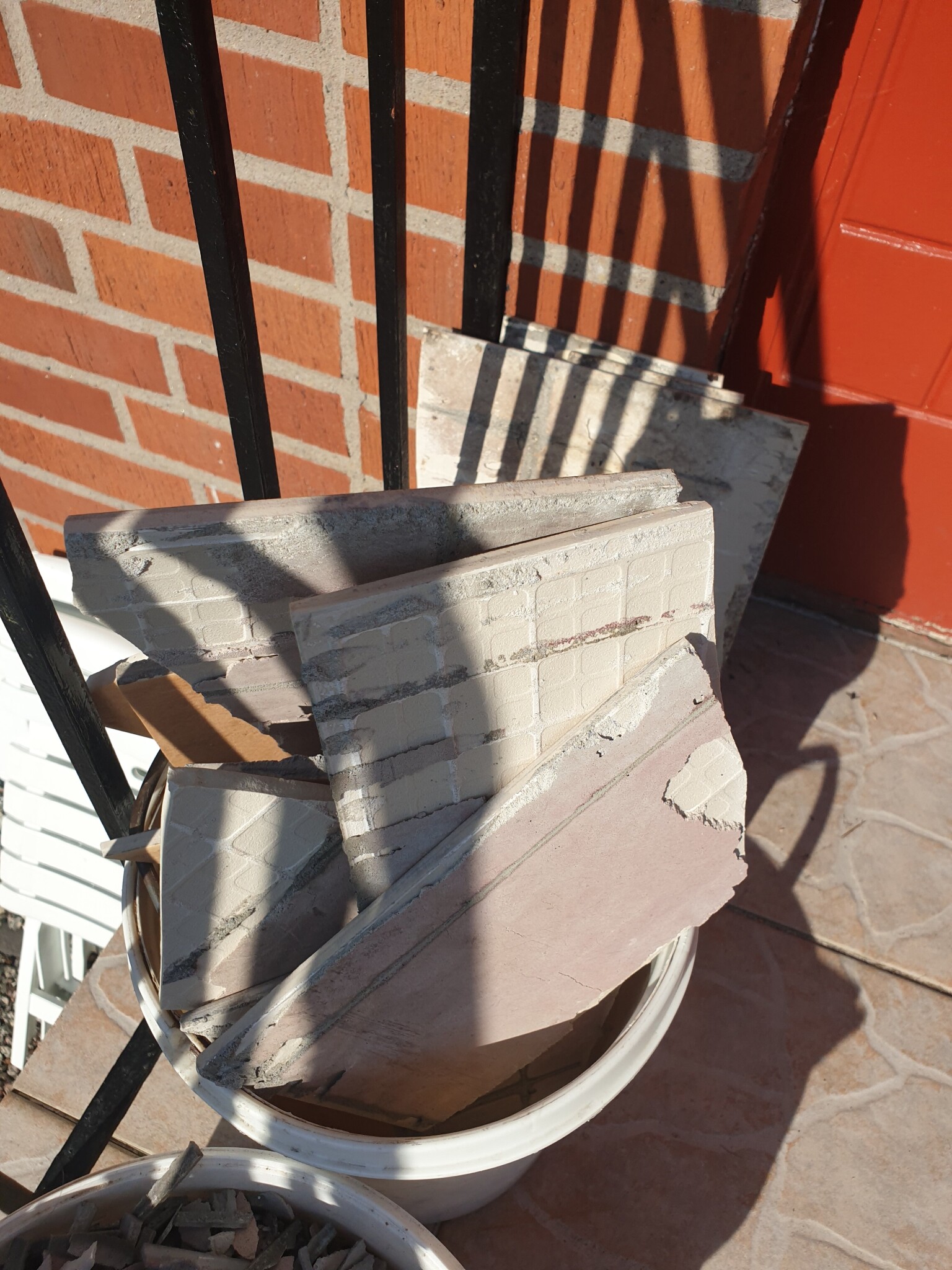
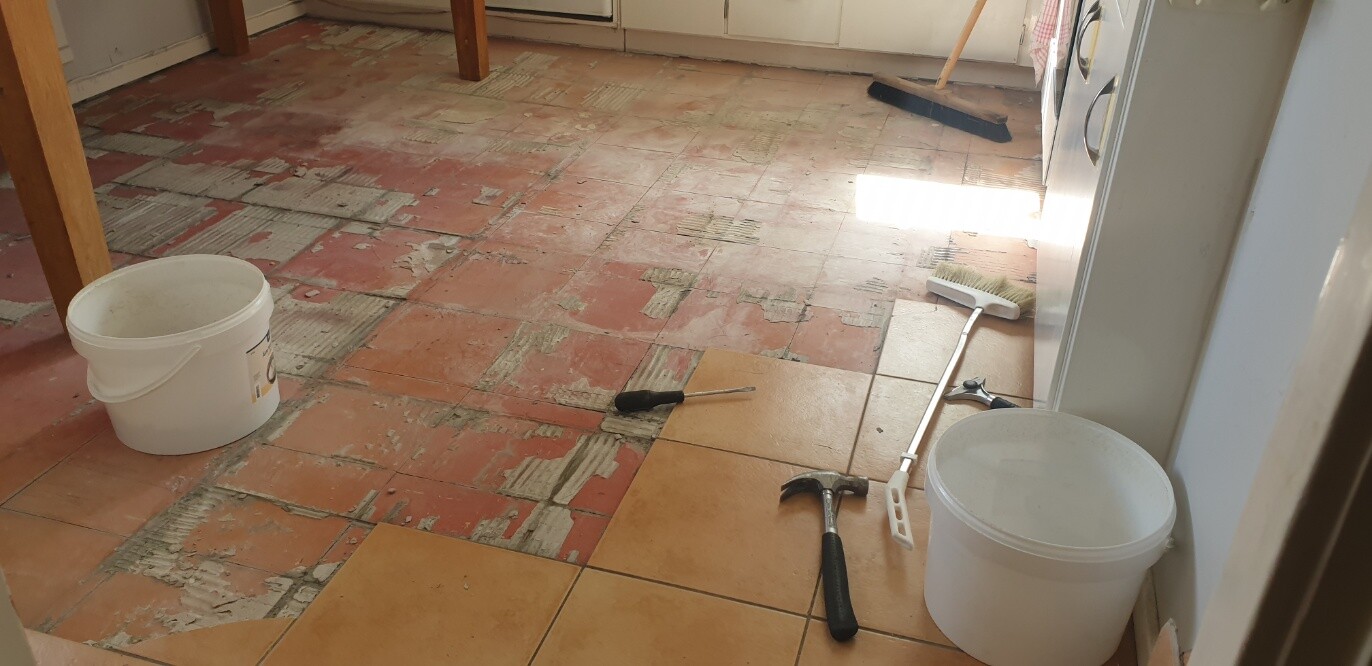
The gray on the red tiles in the second image is not because they are broken, but it was what attached the orange tiles on top of the red ones.

The unpainted tiles are likely newer, as mentioned. No asbestos in that adhesive. But we can't guess what's under the original tiles.
But make sure to use a protective mask. The dust is not healthy, whether or not it contains asbestos.
But make sure to use a protective mask. The dust is not healthy, whether or not it contains asbestos.
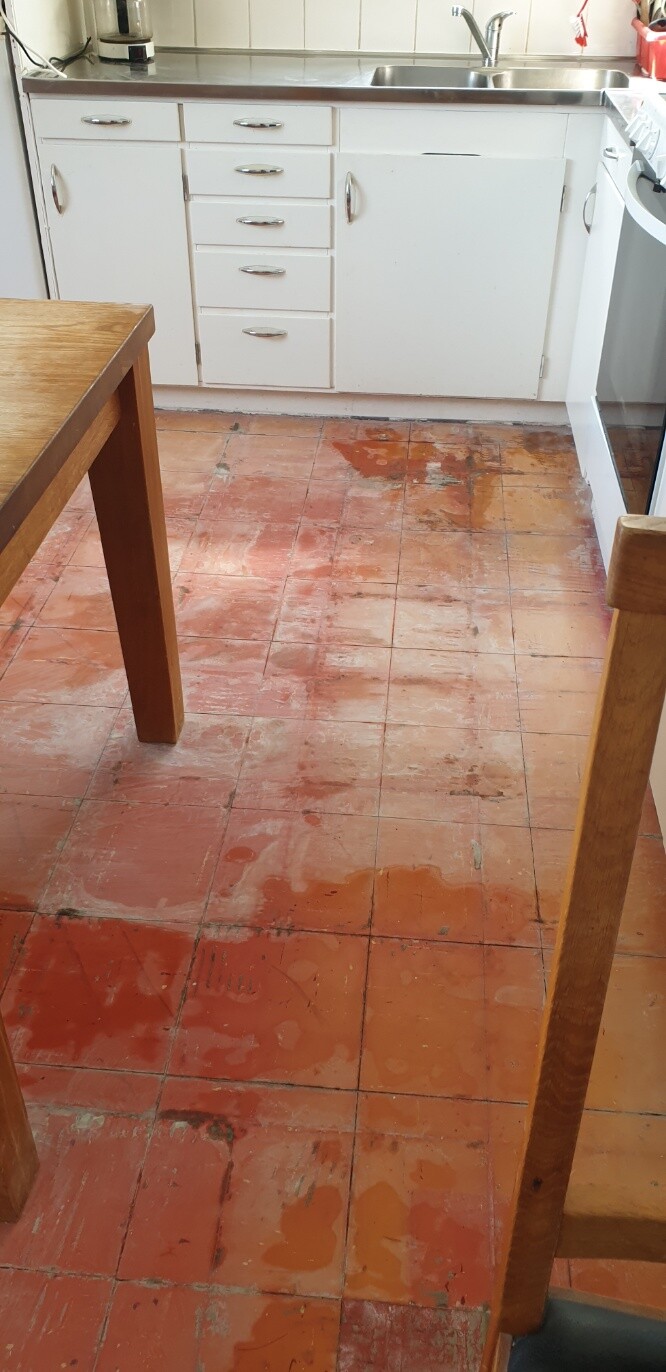
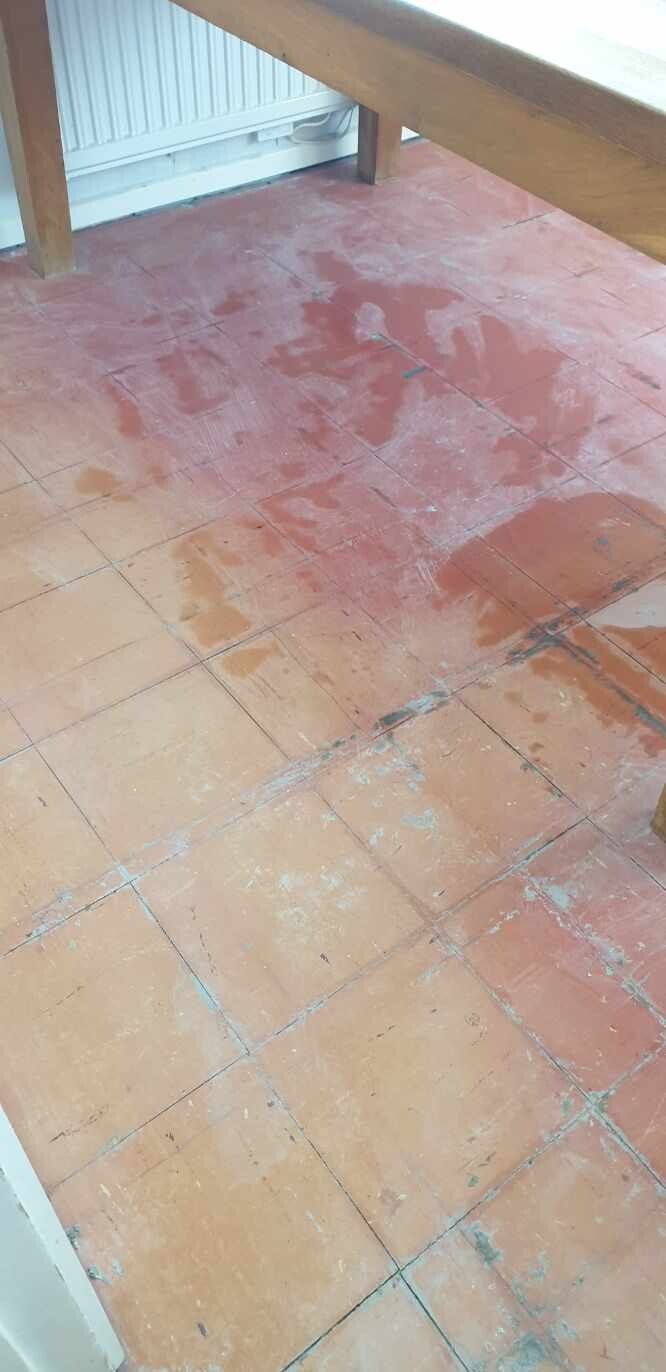
Update: I hired a company
I hired a company to check it out and they said there was probably asbestos in the black glue under the red tiles. They knocked off a piece and then taped over it. They also said it was safe to be there and just lay new tiles over the red ones if only the glue contained asbestos and not the cement itself. They also mentioned that it was okay if some of the red tiles had cracked, which I hope is true 😅Stefan N said:
I hired a company to check it out and they said it was probably asbestos in the black adhesive under the red tiles. They chipped off a piece and then taped over it. They also said it was safe to stay there and just lay new tiles over the red ones if only the adhesive contained asbestos and not the cement itself. They said it was okay that some of the red tiles had cracked, which I hope is true 😅(sorry for the copy-paste but it was essentially the same information I wanted to convey) and thanks for the other dust advice 👍H hempularen said:
I hired a firm to check it out and they said it was probably asbestos in the black glue under the red tiles. They broke off a piece and then taped over it. They also said it was safe to be there and just lay new tiles over the red ones if it was only the glue that contained asbestos and not the cement itself. They also said it was okay that some of the red tiles had cracked, which I hope is true 😅(sorry for copy-pasting but it was basically the same information I wanted to convey)B Bitterhetsakademin said:


A Albin Johansson3 said:Update: I hired a company
I hired a company to look into it and they said there was probably asbestos in the black glue under the red tiles. They chipped off a piece and then taped over it. They also said it was safe to be there and just lay new tiles over the red ones if it was only the glue that contained asbestos and not the cement itself. They also said it was okay that some of the red tiles had cracked, which I hope is true 😅
A Albin Johansson3 said:I hired a company to look into it and they said there was probably asbestos in the black glue under the red tiles. They chipped off a piece and then taped over it. They also said it was safe to be there and just lay new tiles over the red ones if it was only the glue that contained asbestos and not the cement itself. They also said it was okay that some of the red tiles had cracked, which I hope is true 😅(sorry for copy paste but it was basically the same information I wanted to convey) and thanks for the other dust advice 👍
Why are you writing the same answer multiple times?A Albin Johansson3 said:I hired a company to look into it and they said there was probably asbestos in the black glue under the red tiles. They chipped off a piece and then taped over it. They also said it was safe to be there and just lay new tiles over the red ones if it was only the glue that contained asbestos and not the cement itself. They also said it was okay that some of the red tiles had cracked, which I hope is true 😅(sorry for copy paste but it was basically the same information I wanted to convey)
I don't understand either the question or the answer.. have you removed gray tiles that were over some form of red tiles where the images are so blurry that it's impossible to see if the orange floor is cork tile, tile, or vinyl?
And what is supposed to contain asbestos according to the company you spoke to?
And what is supposed to contain asbestos according to the company you spoke to?

Düsseldorff
Building conservationist
· Bromma
· 3 225 posts
Düsseldorff
Building conservationist
- Bromma
- 3,225 posts
I'm interpreting it as he has black adhesive under the orange tiles.Satsuki said:
I don't understand either the question or the answer.. have you removed gray tile slabs that were over some form of red tiles where the pictures are so blurry that you can't see if the orange floor is korkiplast, tiles or vinyl?
And what is supposed to contain asbestos according to the company you talked to?
A bit confusing. I interpret you like this:
In your kitchen, there are two layers of flooring. The bottom layer consists of red tiles attached with black glue. Analysis suggests that this contains asbestos. The house is from the 60s or 70s (don't you know exactly?), so it is entirely plausible that the floor is attached with asbestos-containing material.
The grout between the red tiles has not been analyzed. It can potentially also contain asbestos.
On top of the red tiles was/is another layer with orange tiles. As others have said, they are likely newer (fashion-wise it's the 90s) and thus installed without asbestos-containing material. Have you analyzed these?
If you can be satisfied with removing the top layer and keeping the red tiles under your new floor, you don't need to worry. If you want to remove the red tiles, you should have an asbestos remover do it.
In your kitchen, there are two layers of flooring. The bottom layer consists of red tiles attached with black glue. Analysis suggests that this contains asbestos. The house is from the 60s or 70s (don't you know exactly?), so it is entirely plausible that the floor is attached with asbestos-containing material.
The grout between the red tiles has not been analyzed. It can potentially also contain asbestos.
On top of the red tiles was/is another layer with orange tiles. As others have said, they are likely newer (fashion-wise it's the 90s) and thus installed without asbestos-containing material. Have you analyzed these?
If you can be satisfied with removing the top layer and keeping the red tiles under your new floor, you don't need to worry. If you want to remove the red tiles, you should have an asbestos remover do it.
The black glue was under the red ones, not the orange ones. That's what the company said. They said the glue almost certainly contained asbestos but it wasn't dangerous as long as it wasn't sanded or the red tiles weren't lifted. Instead, they wanted to check the cement that was on top of the old red asbestos-glued tiles, the one used to cover them with the newer orange tiles.