We have plenty of threads covering this topic, and they often lead to discussions about the dangers of asbestos and how it should be handled. I find it very interesting, but I'm not really looking to start a new such discussion; I just want help to dismiss/confirm if what I've found is asbestos.
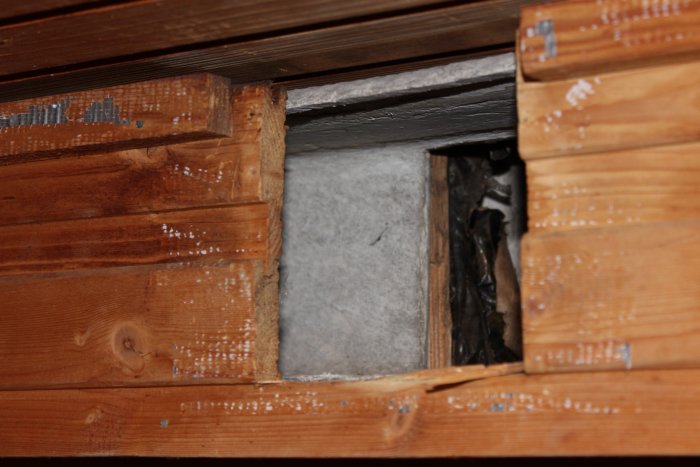
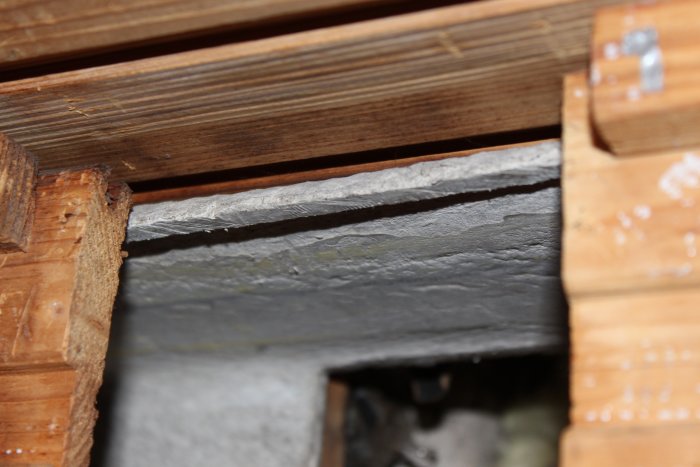
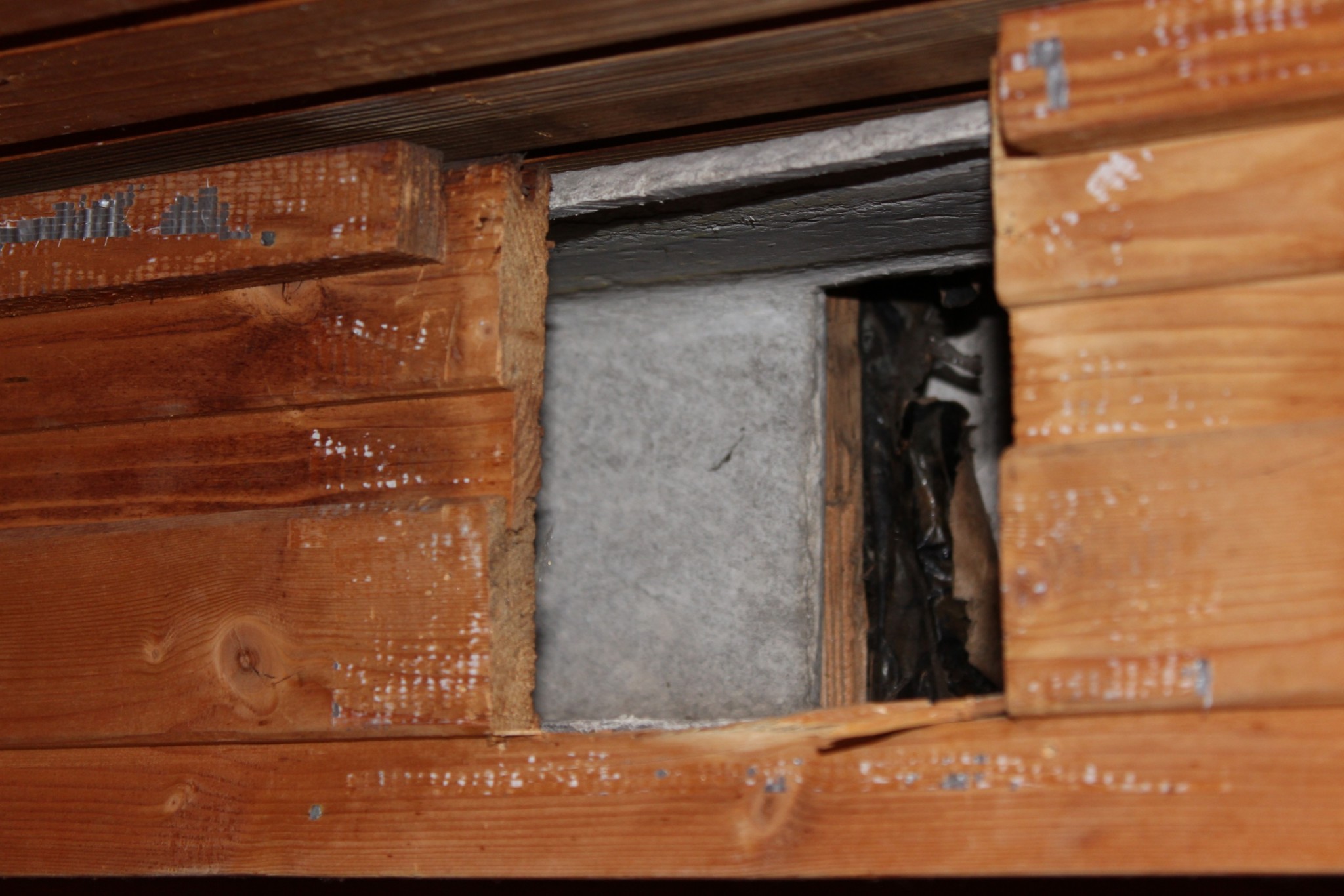
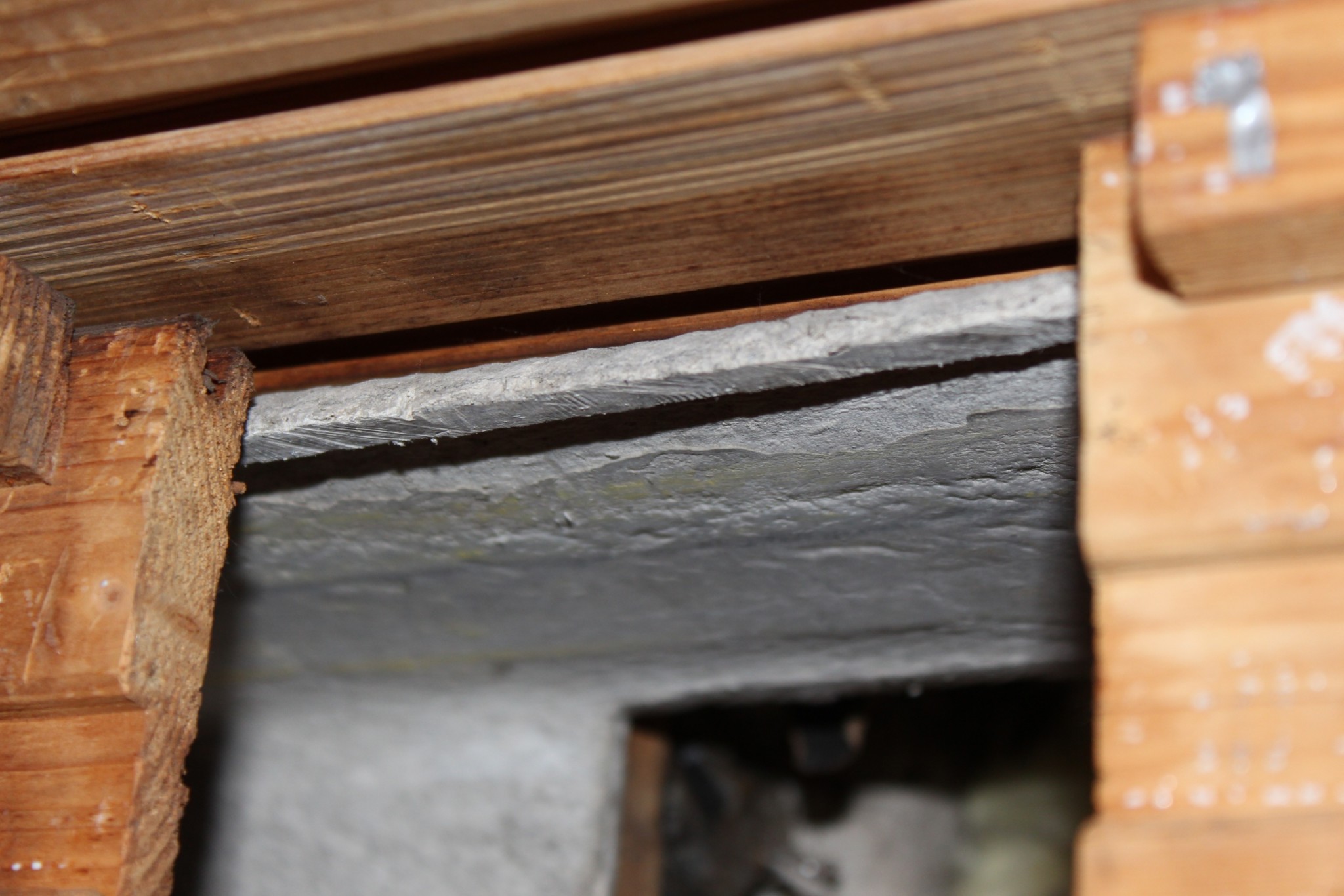
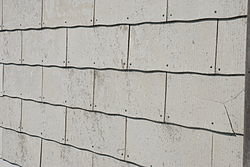
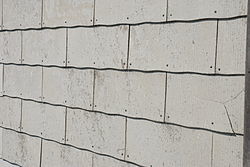
This is what it looks like:
This is the ventilation in the sauna, and it is completely incorrect. Therefore, I plan to redo it entirely, and this square, gray pipe will be removed. The question is whether the pipe could be asbestos. The sauna was built in the second half of the '80s as it is located in the room that housed an oil tank for the boiler until 1985.
It is quite likely that what we see in the pictures are eternit pipes. And eternit is a form of cement-based material, reinforced with asbestos. You can clearly see the asbestos mat's plain-weave pattern in the pipe in the top picture.
And there is still plenty of asbestos around us, for example in all facades with siding panels
And yet we might still have the highest average life expectancy in the world
In that case, it must be reuse if it really is an asbestos duct... since the oil burner was thrown out in 1985 (from what I can conclude from the clues I've found). The sauna couldn't have existed before the oil burner was replaced with the electric boiler because the tank, as mentioned, stood where the sauna was later built, and still stands today.
Yes, I would have done the same, wouldn't have even asked here on the forum.
Suppose it takes longer to get an answer than to do the actual work...
But would have been normally careful with a face mask....
I ask on the forum because I like to learn things! My thought is to create positive pressure in the sauna so that any fibers that come loose when I handle the duct blow out through the fresh air vent that's visible in the pictures. Then I maneuver the duct into a plastic bag and tie it up... naturally, wearing a respirator.
Maybe OT, but as I recall, Tylö recommended that the sauna should be ventilated only to and from the adjacent room.
That is, the intake vent is a hole in the wall under the sauna heater, and the air is extracted up near the ceiling diagonally across on the other side of the sauna, and out into the same room from which the intake air is drawn.
So no ducts, asbestos or otherwise, should be needed.
You are absolutely right, KOW... that's exactly what I mean in the first post where I write that the ventilation is completely incorrect. The duct that is there now is not needed, so it should be removed. I've temporarily stuffed the fresh air vent with some fiberglass.
It wasn't a sauna expert who built the sauna, so there are more things that are wrong, like the heater is not on the same wall as the door, and the benches are placed on the shortest wall in the rectangular sauna! :banghead:
I'm going to redo the ventilation entirely by having a separate duct for when the sauna is used (which does not involve the fresh air vent) and another duct for when I want to extract moisture using a fan. I actually have another thread about this...
Click here to reply
Vi vill skicka notiser för ämnen du bevakar och händelser som berör dig.