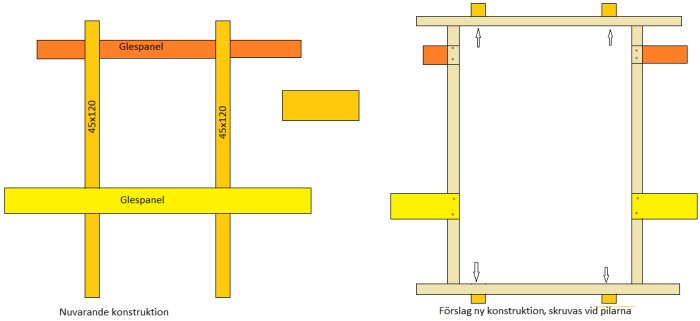
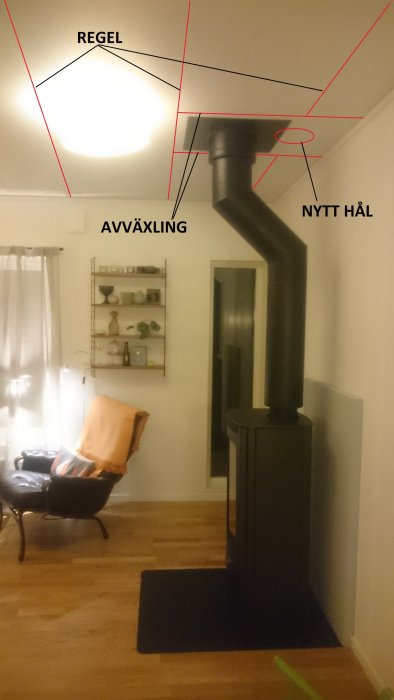
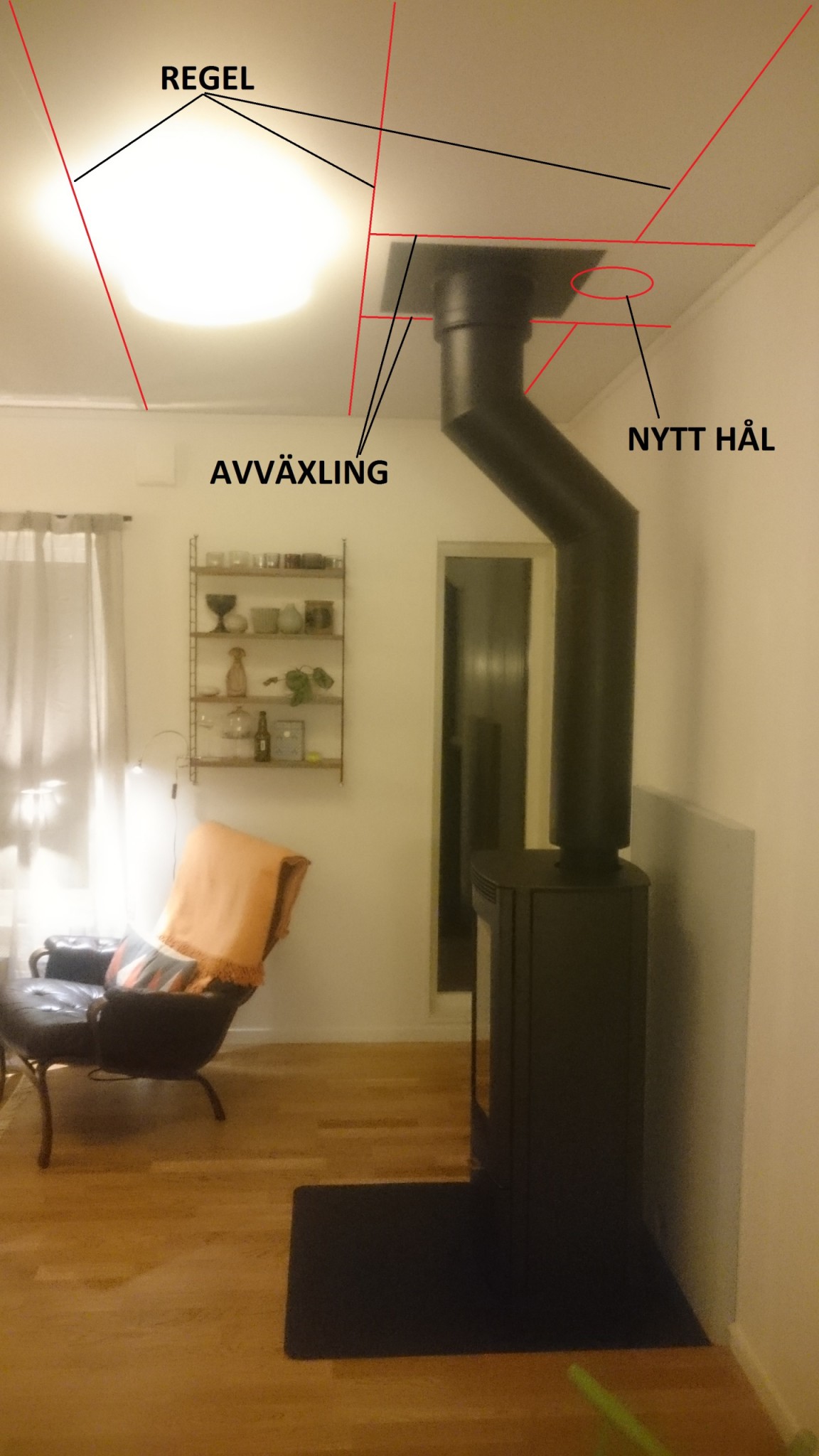
We have installed a fireplace with a bend in the chimney to avoid a rule in the floor joist, but the bend was not approved by the chimney sweep, so now the joist needs to be offset. The offsetting should be done with angle brackets and I wonder if the placement of these looks okay? See sketch:
Bracket dimensions: 90x90x60x2.5mm
Beam: 45x220 at cc600mm
Is it enough with two on each side according to the sketch? Or are there larger, stronger ones to buy? Please link if so.
Won't the joist hanger add 2mm, which will make the beam slightly higher, causing the floor on the upper floor to bulge? I never mentioned that it's a 1 and 1/2 story house with an upper floor.
Or should I notch 2mm out of the beam so that the joist hanger doesn't add any height?
Is it a problem if the joist hanger protrudes 2mm below the joists?
If it is, you can notch out 2mm in the joist right where it sits in the joist hanger, then the joist hanger can be mounted flush with the bottom of the joists.
Is it a problem if the beam shoe protrudes 2mm below the joists? If it is, you can notch out 2mm from the joist right where it sits in the beam shoe, then the beam shoe can be mounted flush with the bottom of the joists.
The ceiling (chipboard or similar) lies flush against the joists. But yes, notching the joist is probably the way to go anyway. Thanks for the input!
Should I take any precautions when I'm cutting the studs, by the way? Is there a risk that the cut rafter will slide apart?
Sliding apart is probably a minimal risk, possibly it could sag down a bit.
If you have some extra studs, you can throw them in as a support about half a meter "outside" the hole. So that the beam you cut has support in the meantime!
Hello! Can I continue with some thoughts about beam shifting? (Trying without waiting for an answer):
I am going to install an attic hatch against a ceiling that has been lowered and additionally insulated from below. In the attic, there is an old hatch left, so the location is given. I have cut out the old hatch down to the new insulation and find sparse paneling (only 1 piece that is in the way of the new hatch's width), but under this, there is a standing 45x120 mm which has allowed the ceiling lowering and space for insulation. Under this, there is further sparse paneling where the ceiling boards are mounted. I would need to cut the studs to free up space for the new hatch (hole dimensions 70x115 cm) and my thought is thus if during preparations I can simply screw these from above through the adjacent sparse paneling, cut the stud with room to then brace my framework for the hatch perpendicularly against it? The new framework would thus span over two studs but be widened in the space for the hatch. Or does the bracing have to happen over more studs (would then have to tear up a lot more floor in the attic)?
Click here to reply
Vi vill skicka notiser för ämnen du bevakar och händelser som berör dig.


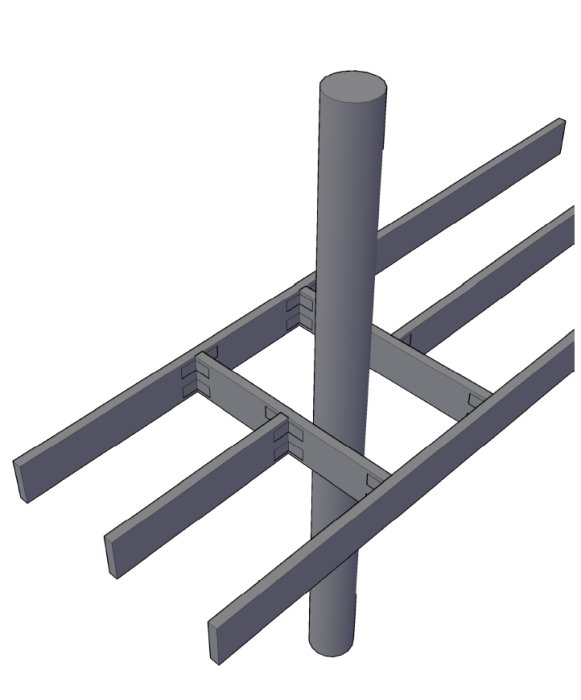
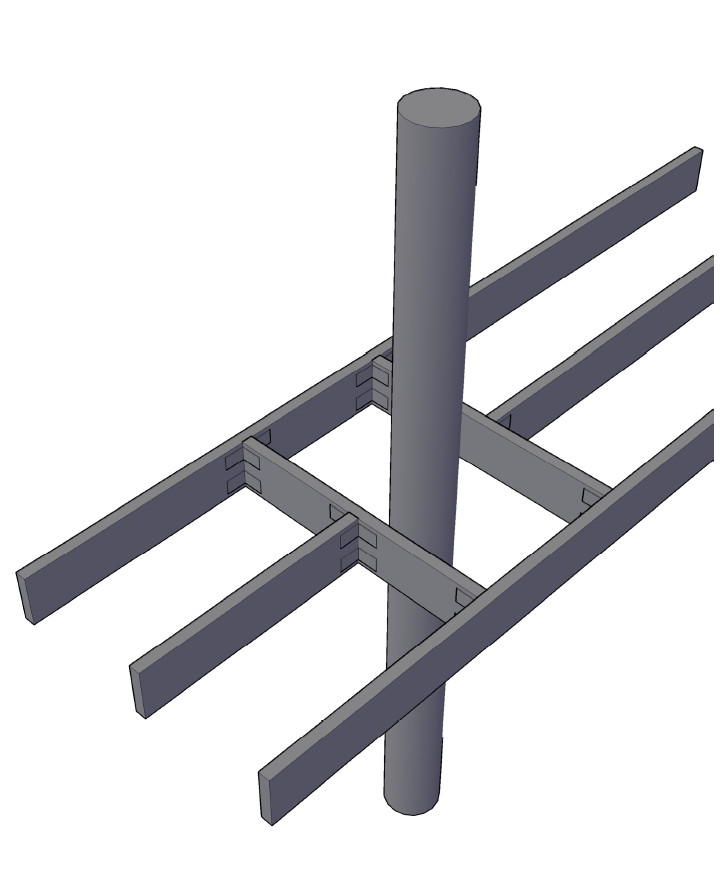
 https://www.byggmax.se/spik-och-skr...-och-plåtband/balksko-45x137mm-gf-320-p235137