
13,558 views ·
6 replies
14k views
6 replies
Repair posts that have rotted on the conservatory
Hello everyone!
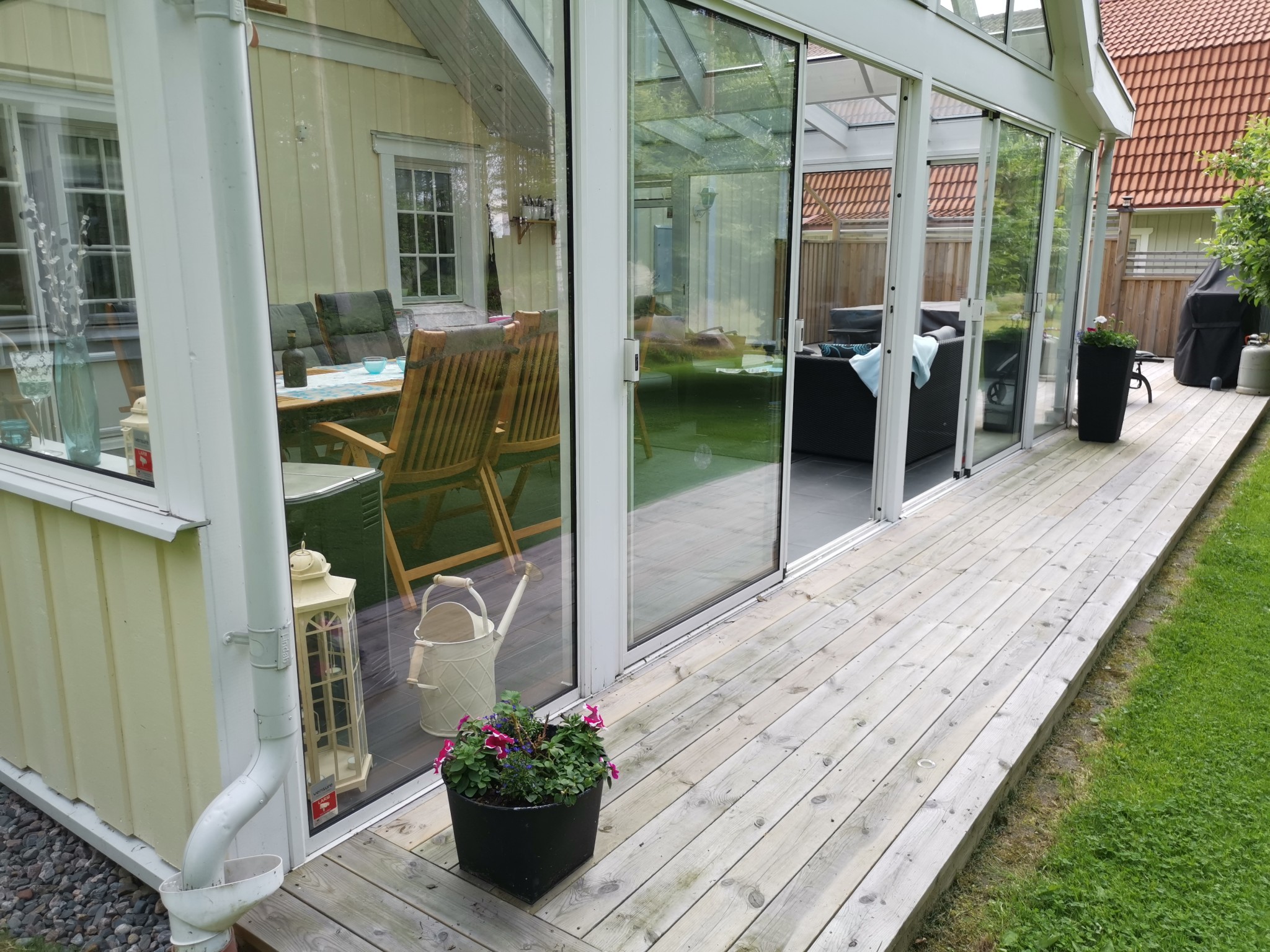
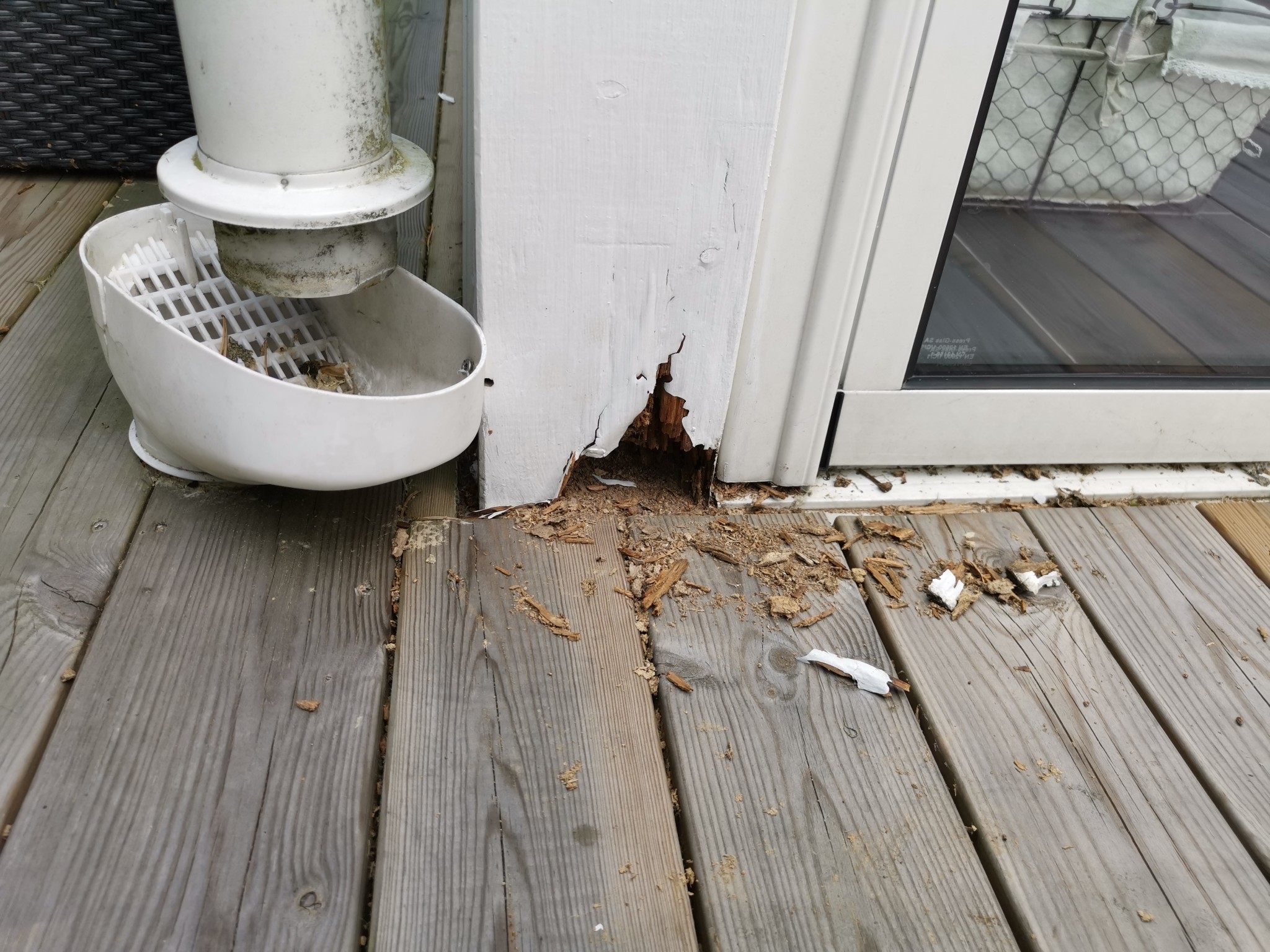
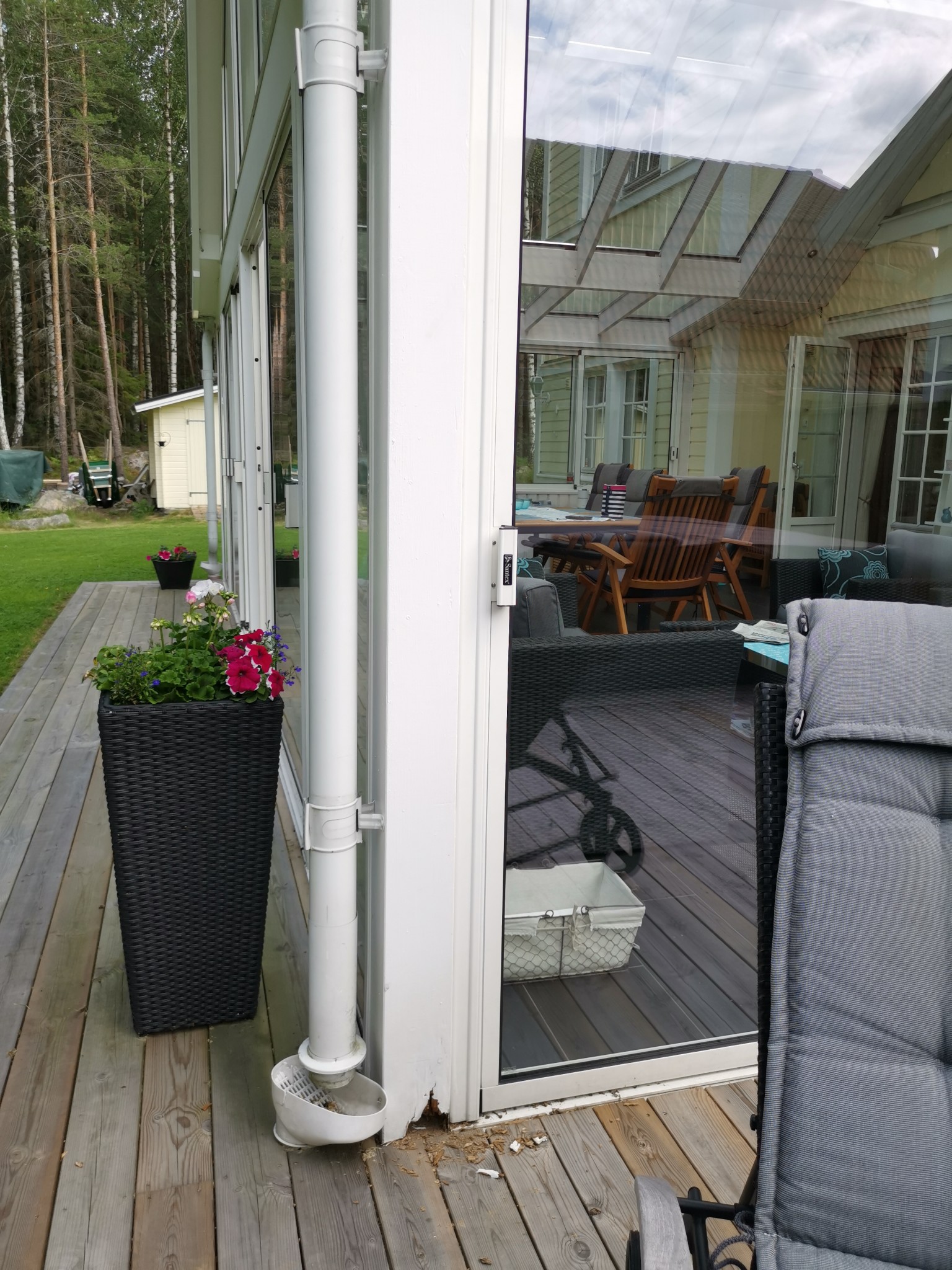
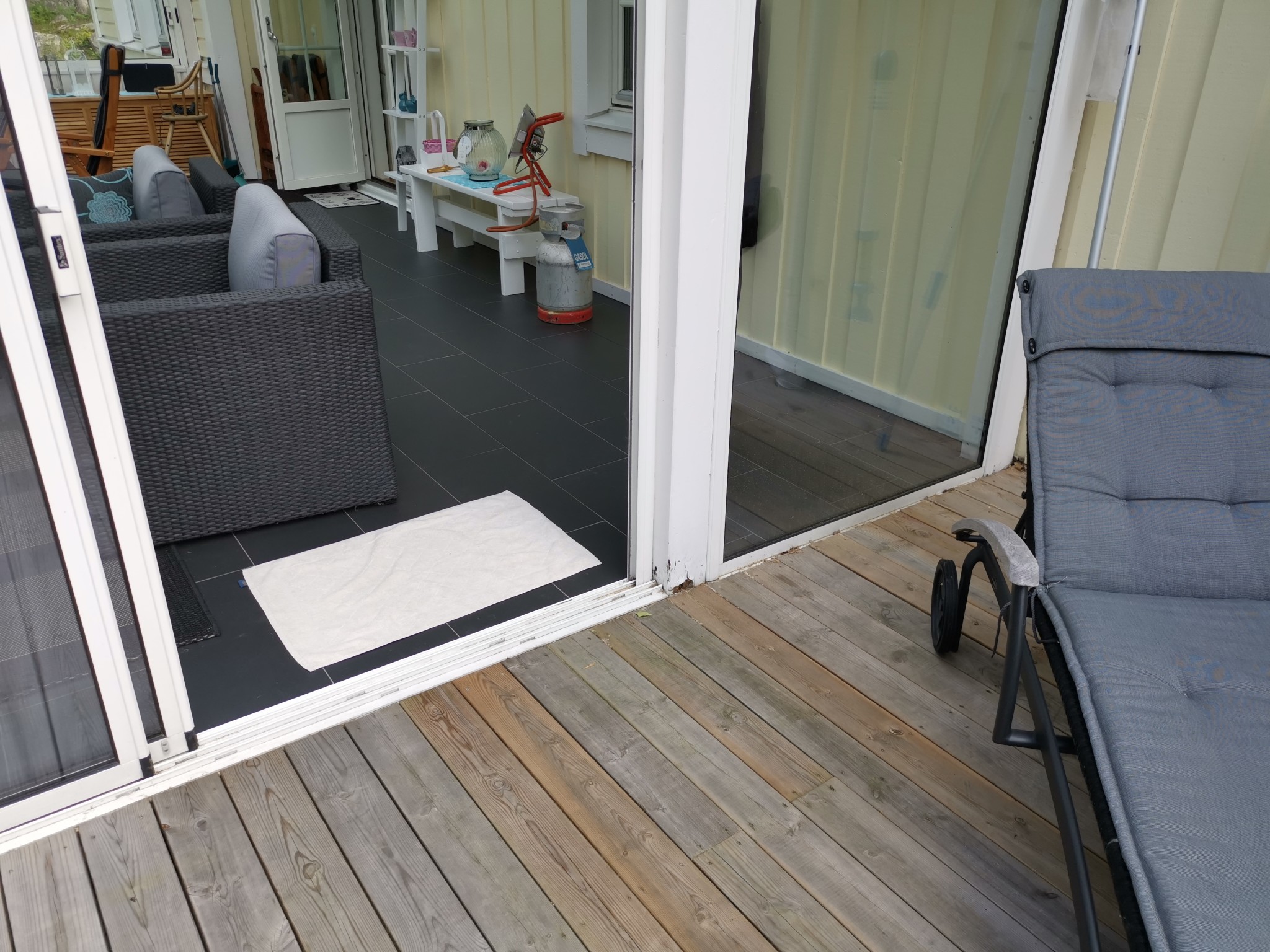
A friend of mine has a nice conservatory (10 years old), where some posts have rotted due to water at the bottom. They stand directly on the concrete slab, no asphalt paper underneath.
What do you think is the crucial mistake that led to this?
How do you think it should be repaired? Should you replace the entire post, a section, or what should be done?
Thanks in advance!
A friend of mine has a nice conservatory (10 years old), where some posts have rotted due to water at the bottom. They stand directly on the concrete slab, no asphalt paper underneath.
What do you think is the crucial mistake that led to this?
How do you think it should be repaired? Should you replace the entire post, a section, or what should be done?
Thanks in advance!
Best answer

Wood is designed to absorb moisture along its length. This is how a 30m tall pine can remain green all the way to the top. Wood will continue this even when it has been turned into construction timber.
Therefore, one must both insulate end grain from moisture and prevent moisture from coming into contact with the end grain altogether.
The former can be managed with, for example, sill paper or a rubber strip if there's high load. Paint can also have this effect, but I say "can" because it is very difficult to make it completely airtight. Moreover, if the wrong paint is used (on the rest of the wood too) it can become too airtight, trapping moisture inside the wood, causing it to rot for that reason. Placing end grain on concrete without anything in between is asking for trouble, even indoors, because the wood actually absorbs moisture even from the concrete, believe it or not.
The latter depends entirely on the surrounding conditions. Good drainage and runoff are essential; is there standing water, for example? Edit: Now I realize there's a leaf separator right where it has rotted. There's a high likelihood it's often overflowed from there, increasing the moisture load just there!
If the post has any load-bearing function, it should, of course, be replaced. If not, you can cut the rotten part off with a multi-tool and then splice in a new piece of wood. This requires great precision if it is to look nice, but with some glue, sanding, and painting, it can turn out well. First, buy a simple moisture meter and check how high up the wood the moisture has gone, so you remove enough. Wood is generally considered "dry" at a moisture content around 11%.
Therefore, one must both insulate end grain from moisture and prevent moisture from coming into contact with the end grain altogether.
The former can be managed with, for example, sill paper or a rubber strip if there's high load. Paint can also have this effect, but I say "can" because it is very difficult to make it completely airtight. Moreover, if the wrong paint is used (on the rest of the wood too) it can become too airtight, trapping moisture inside the wood, causing it to rot for that reason. Placing end grain on concrete without anything in between is asking for trouble, even indoors, because the wood actually absorbs moisture even from the concrete, believe it or not.
The latter depends entirely on the surrounding conditions. Good drainage and runoff are essential; is there standing water, for example? Edit: Now I realize there's a leaf separator right where it has rotted. There's a high likelihood it's often overflowed from there, increasing the moisture load just there!
If the post has any load-bearing function, it should, of course, be replaced. If not, you can cut the rotten part off with a multi-tool and then splice in a new piece of wood. This requires great precision if it is to look nice, but with some glue, sanding, and painting, it can turn out well. First, buy a simple moisture meter and check how high up the wood the moisture has gone, so you remove enough. Wood is generally considered "dry" at a moisture content around 11%.
Last edited:
Click here to reply