Firstly, my Swedish isnt great in this context so please excuse the assumption. Feel free to respond in Sweden, no problem. Nu kör vi...
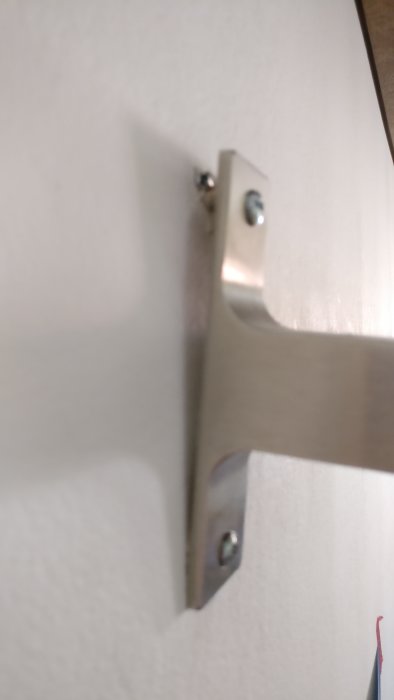
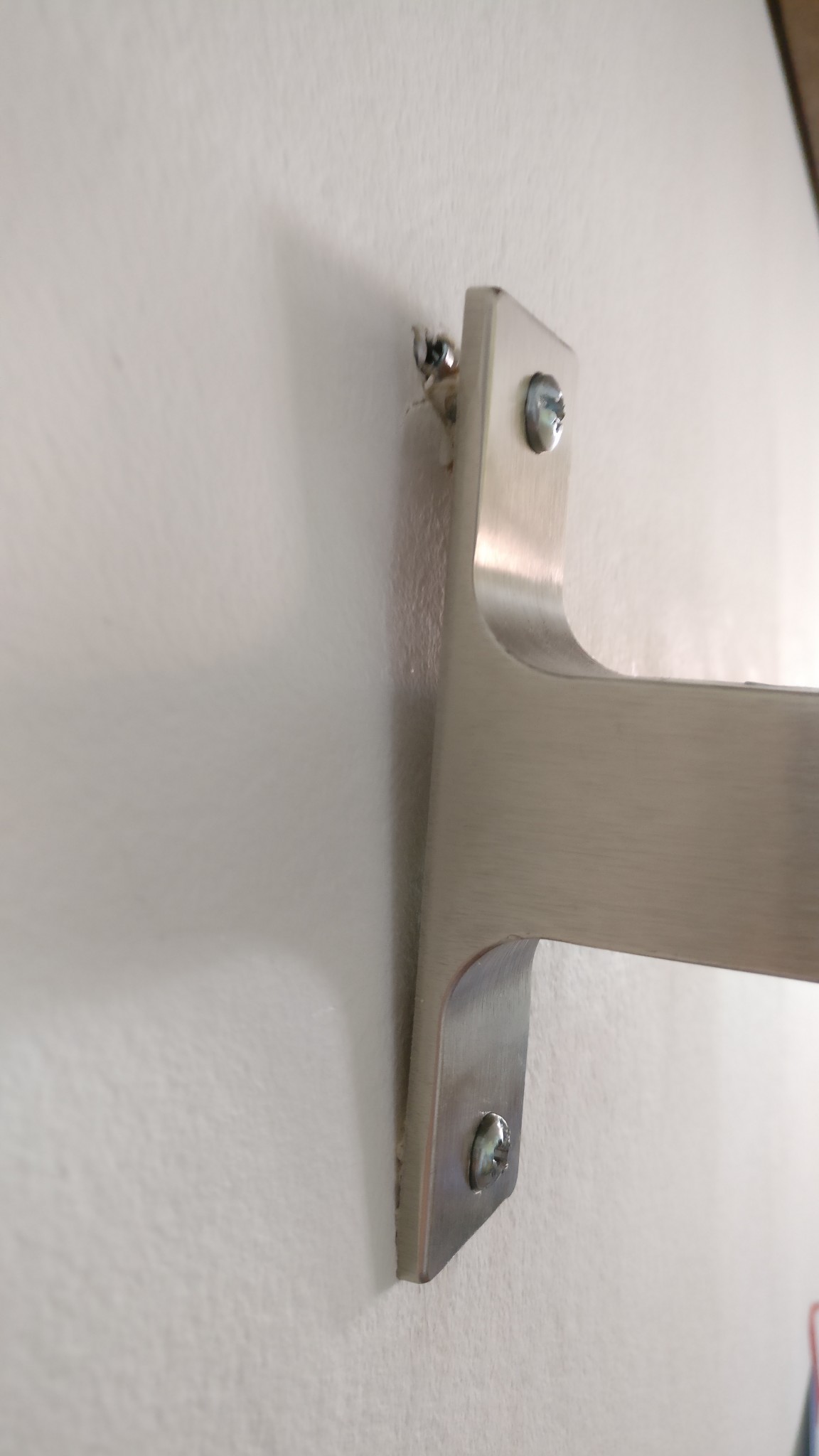
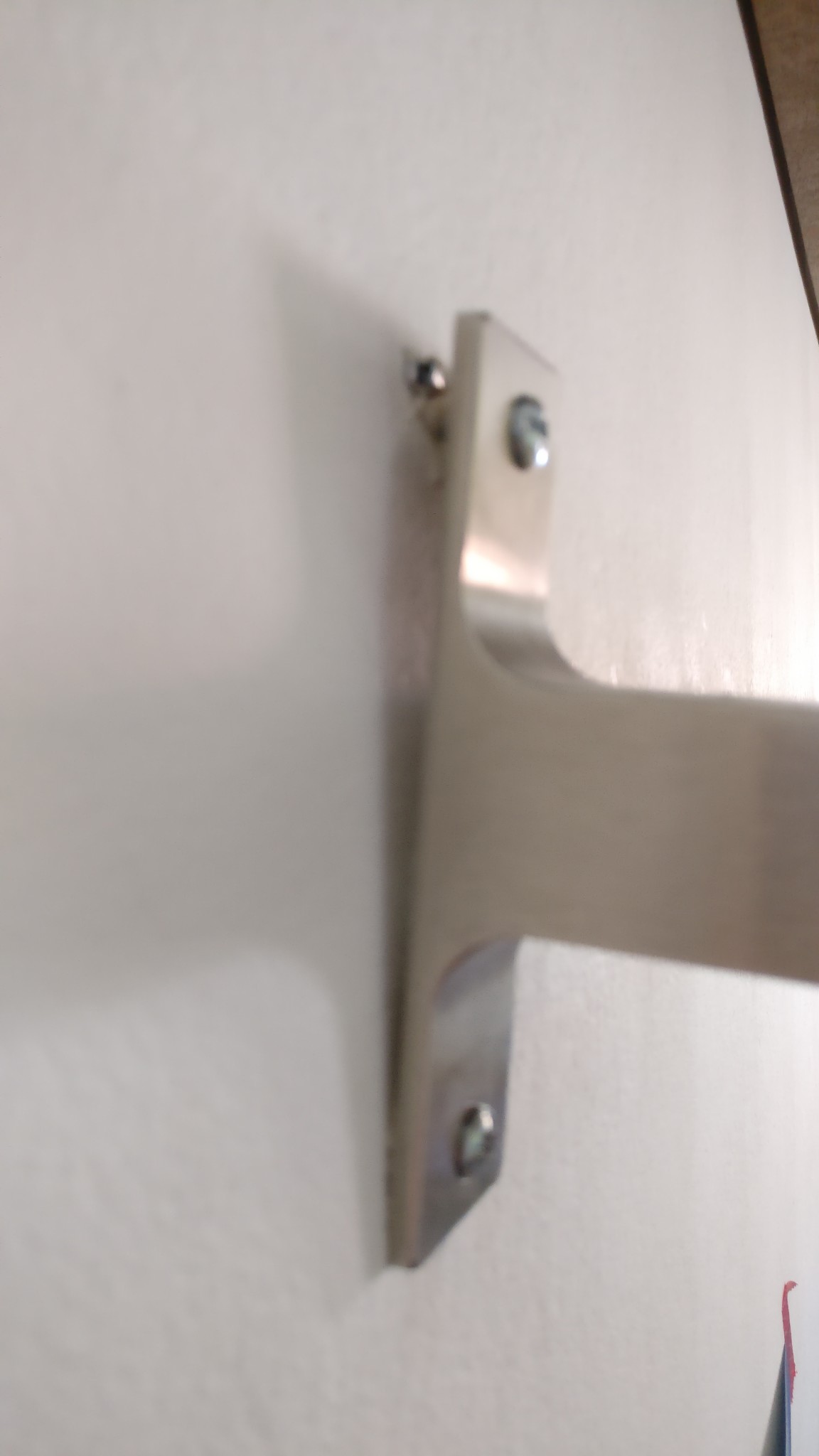
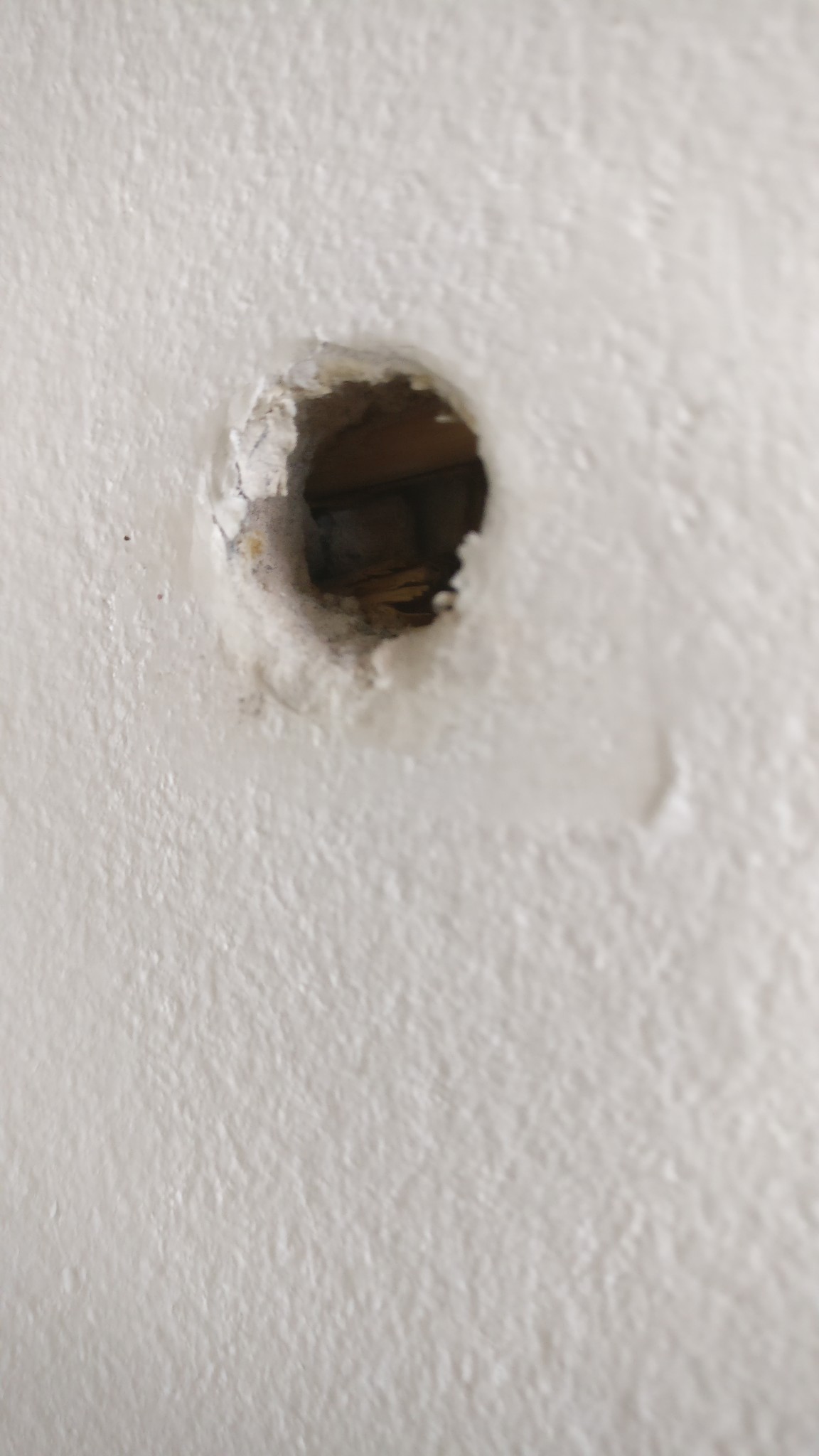
We live in an apartment in Malmö built in 1950s (ish?) and each wall seems to be built of differing materials. One wall, which is not load bearing, had a heavy shelf we hung months ago. The other day it began ripping itself out of the wall. After removal many issues were noted and possible solutions discussed. However, neither me or my wife know enough to be sure repairs and remounting would be 100% successful. To this end I turn to you lovely people for help.
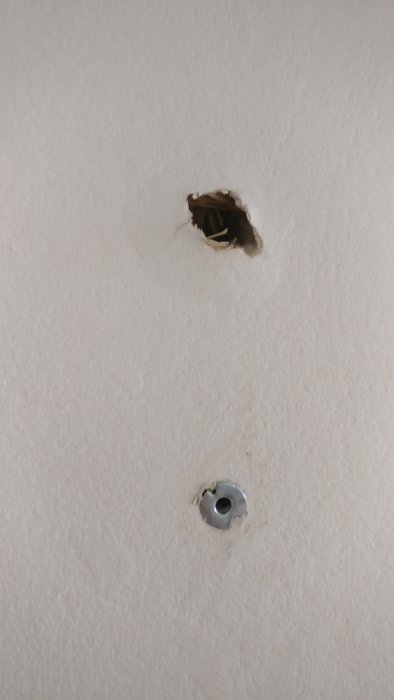
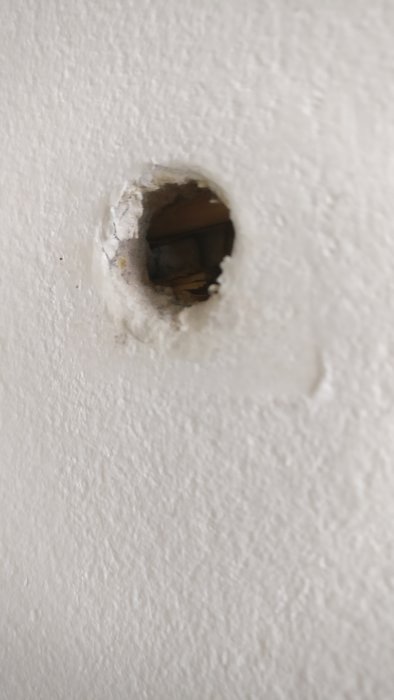
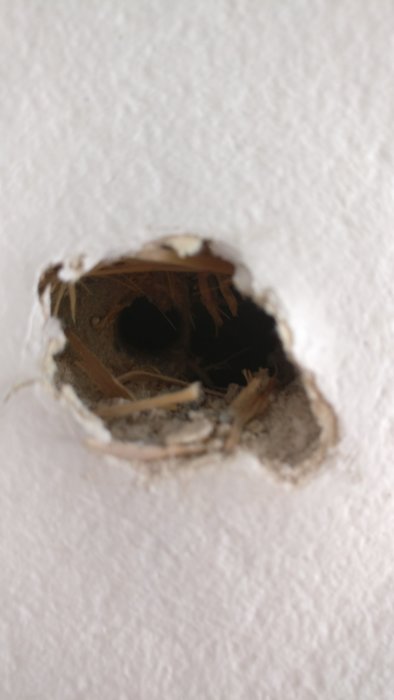
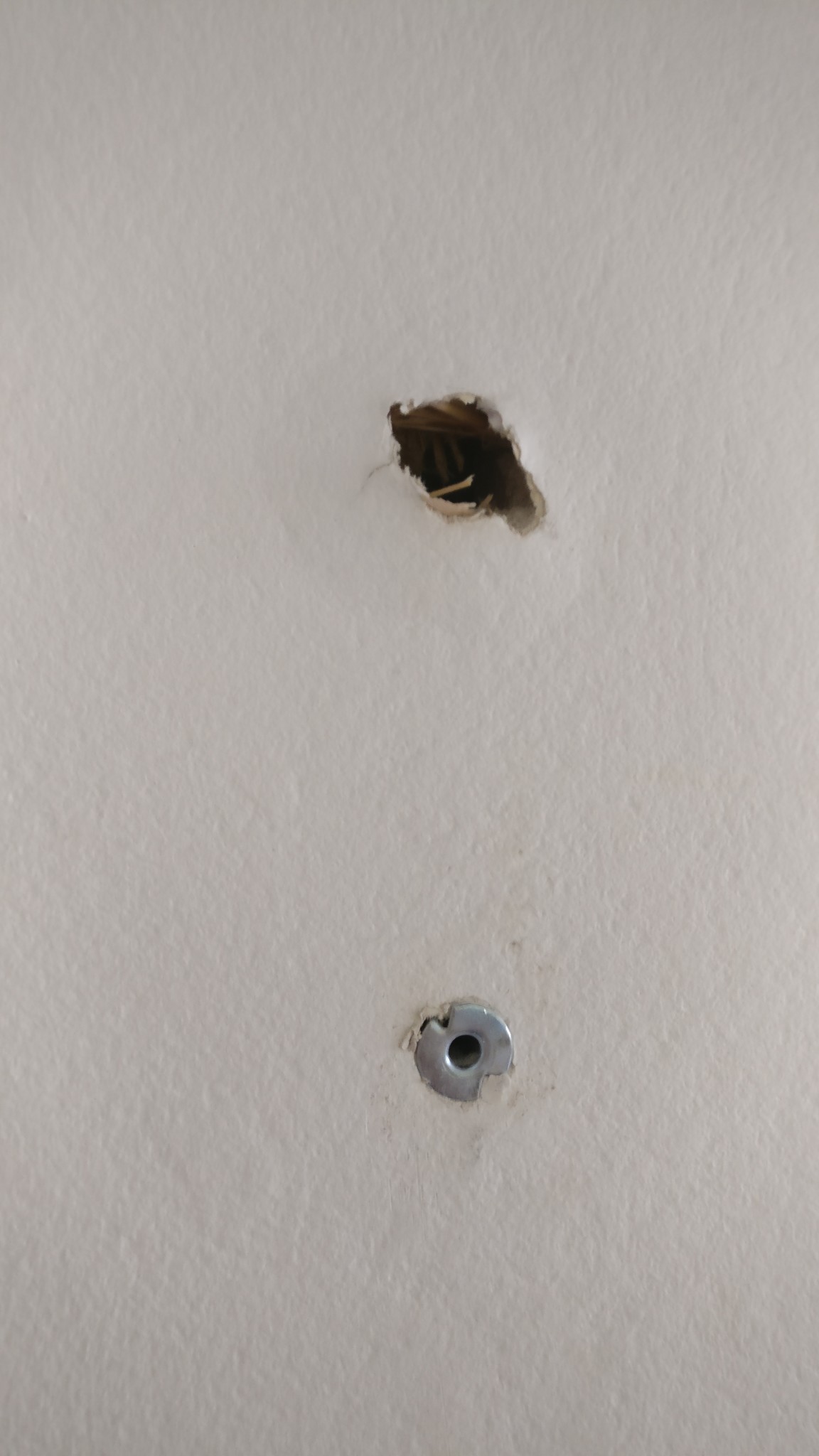
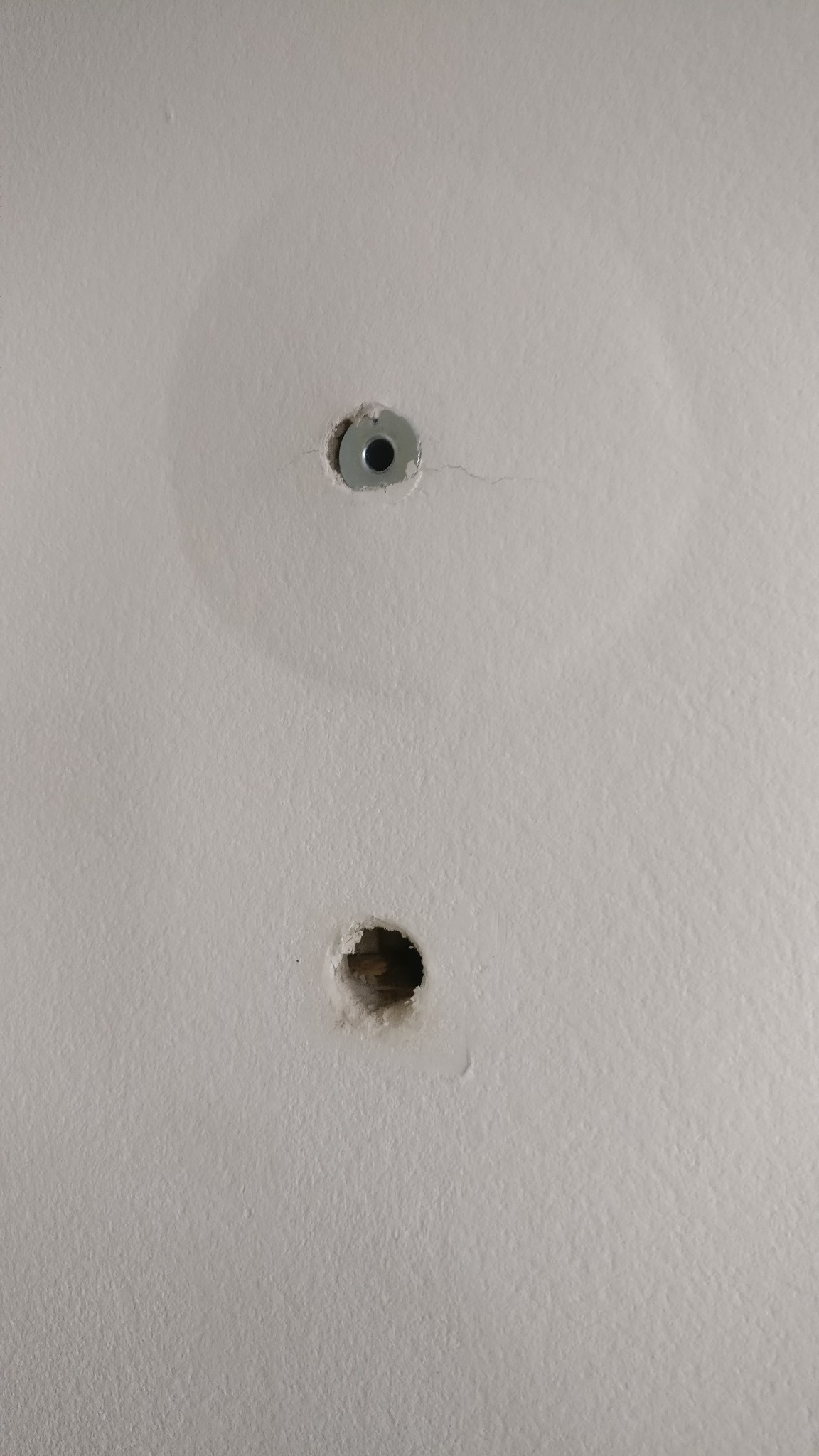
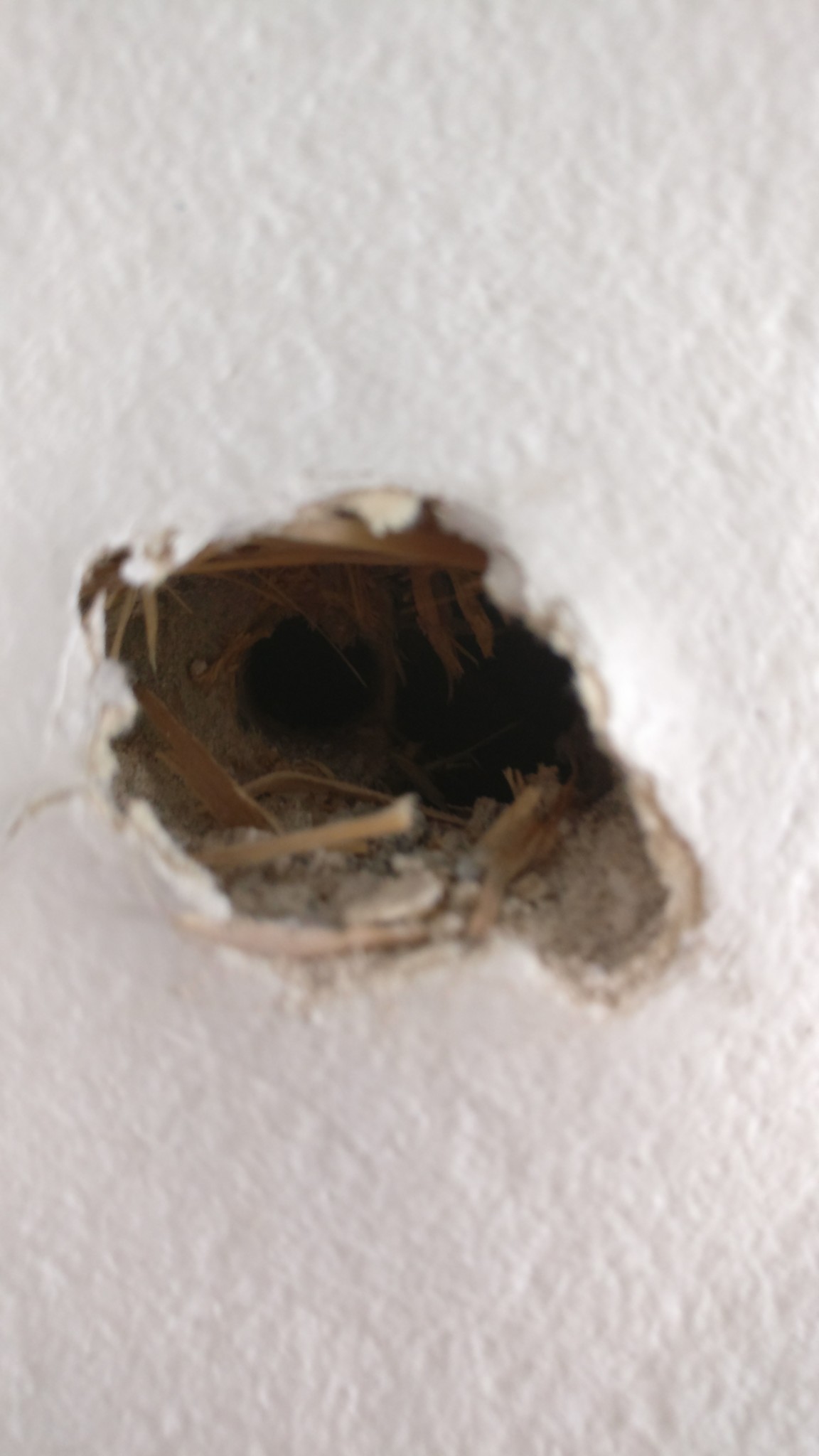
A. The wall appears to be plaster with reed matting of sorts. In the holes I found the first layer of plaster, then cross laid reeds with wire, significant gaps behind that, and random beams of wood. I am having difficulty in confirming stud locations. Can anyone confirm the type of wall in Swedish?
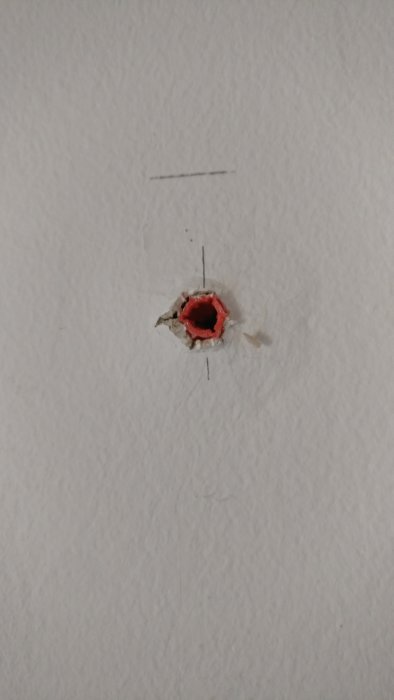
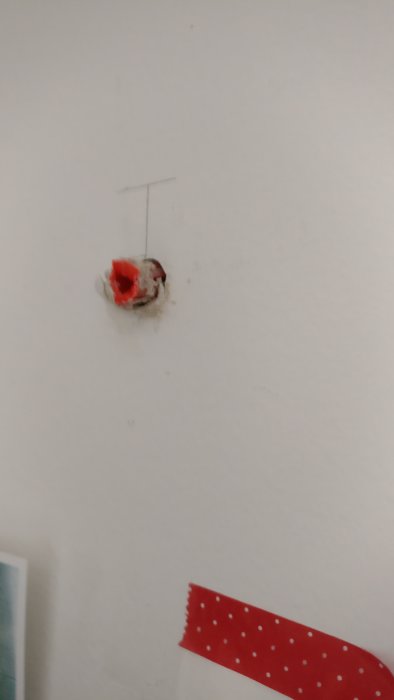
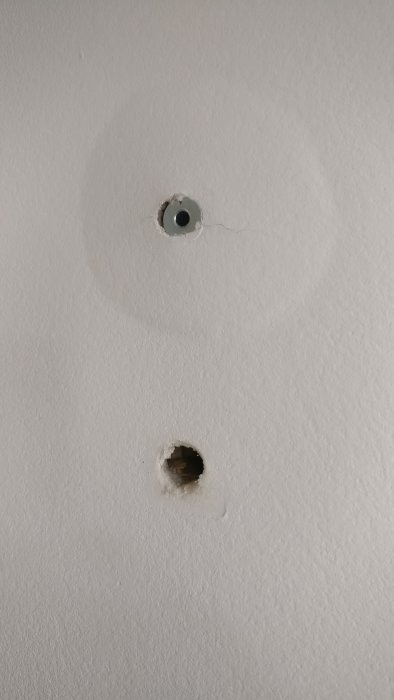
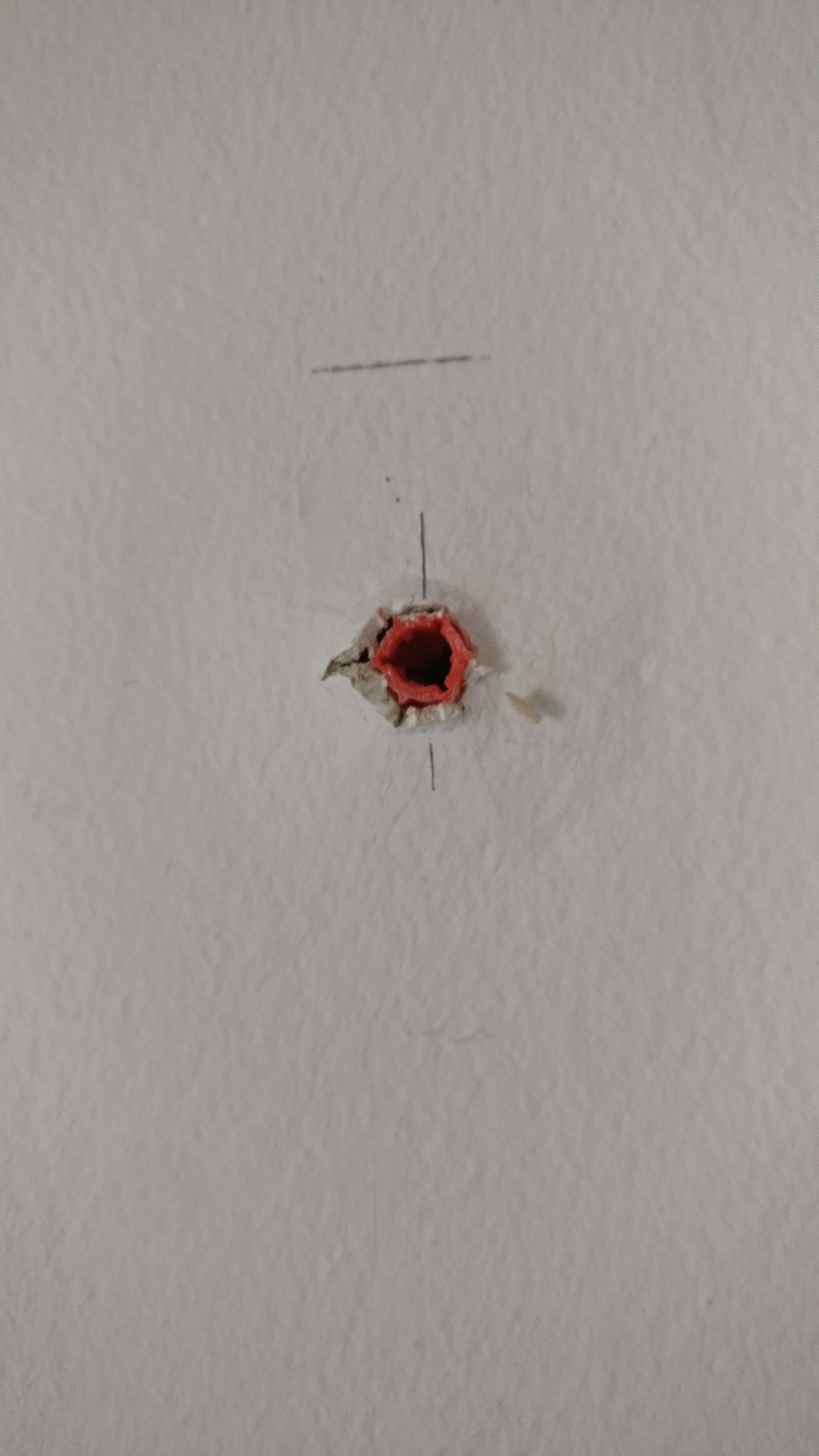
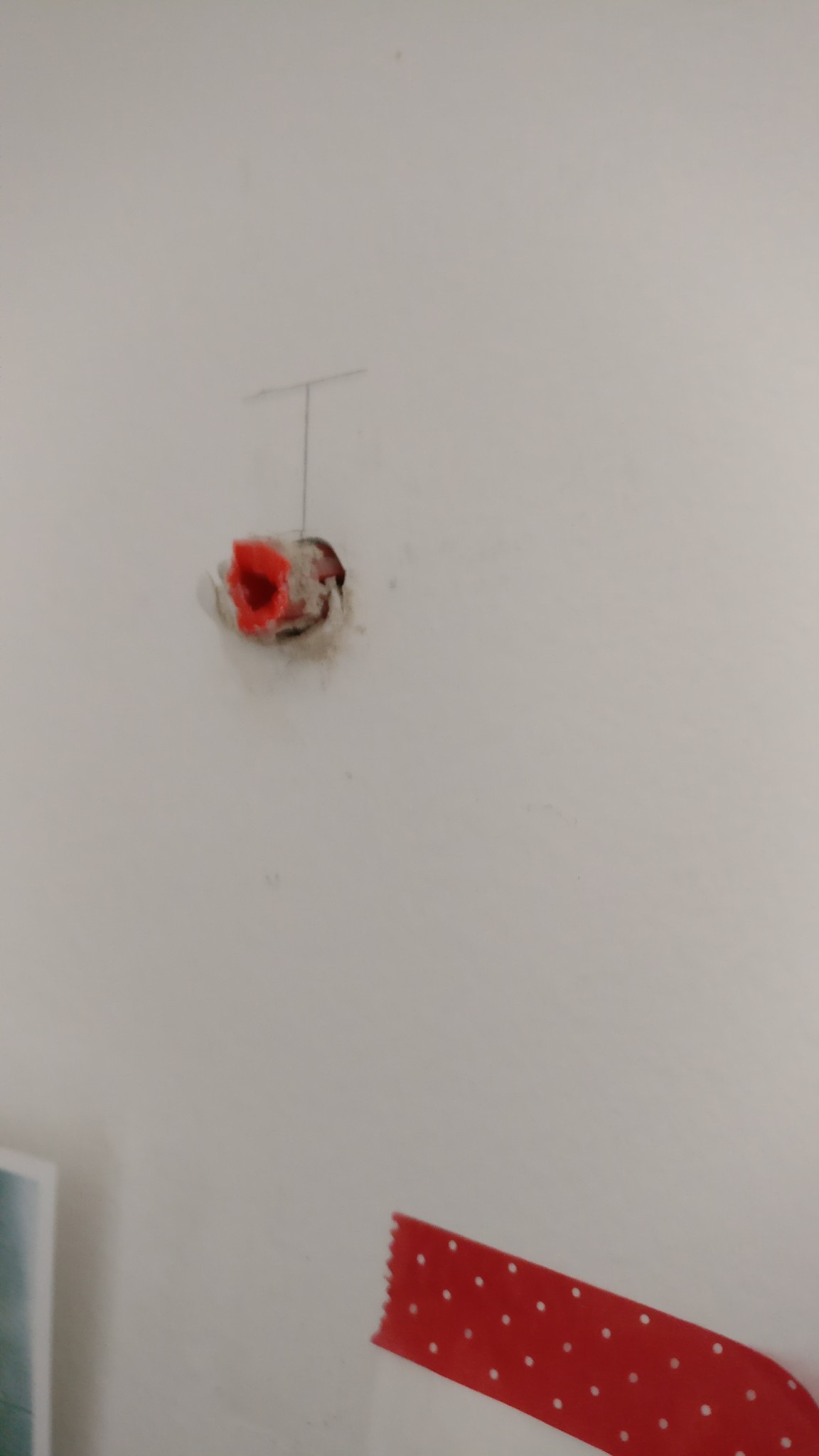
B. The shelf left some lovely wall damage. Large holes from the molly bolts I used along with huge bulges where the plaster seems to have been pulled outwards by mollybolts expanded and pulled by the shelf. How can I go about best fixing these two issues? On top of that, is there a way to fix which would allow this shelf to be remounted in the same position?
C. With a wall like this, is there a standard for the stud placement? I think I can see a stud to the side of one of the holes and measured 60cm (standard right?) but cannot confirm with drilling if there is indeed a stud there. If we play it safe and remount the shelf to the studs I would love to know how to be sure before committing to this solution.
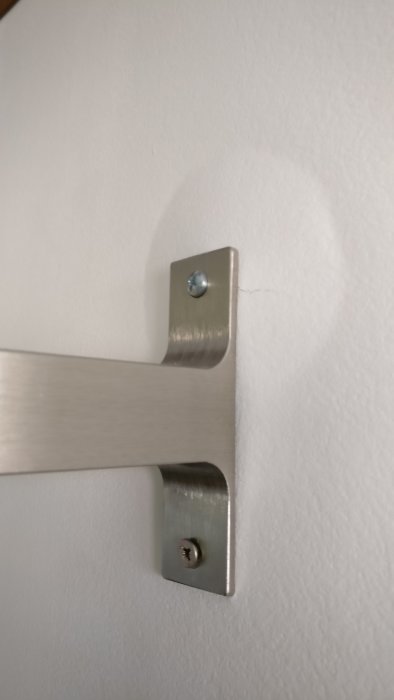
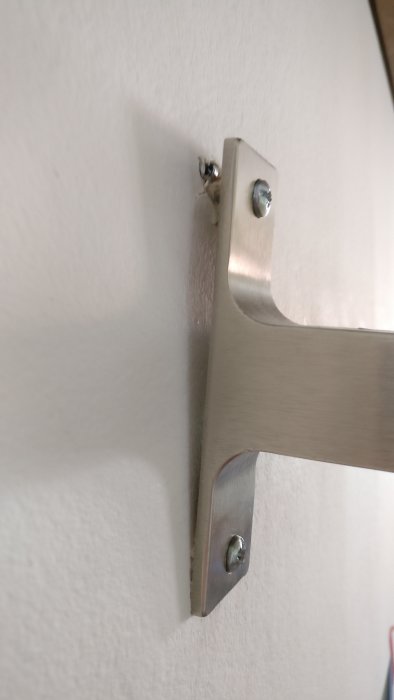
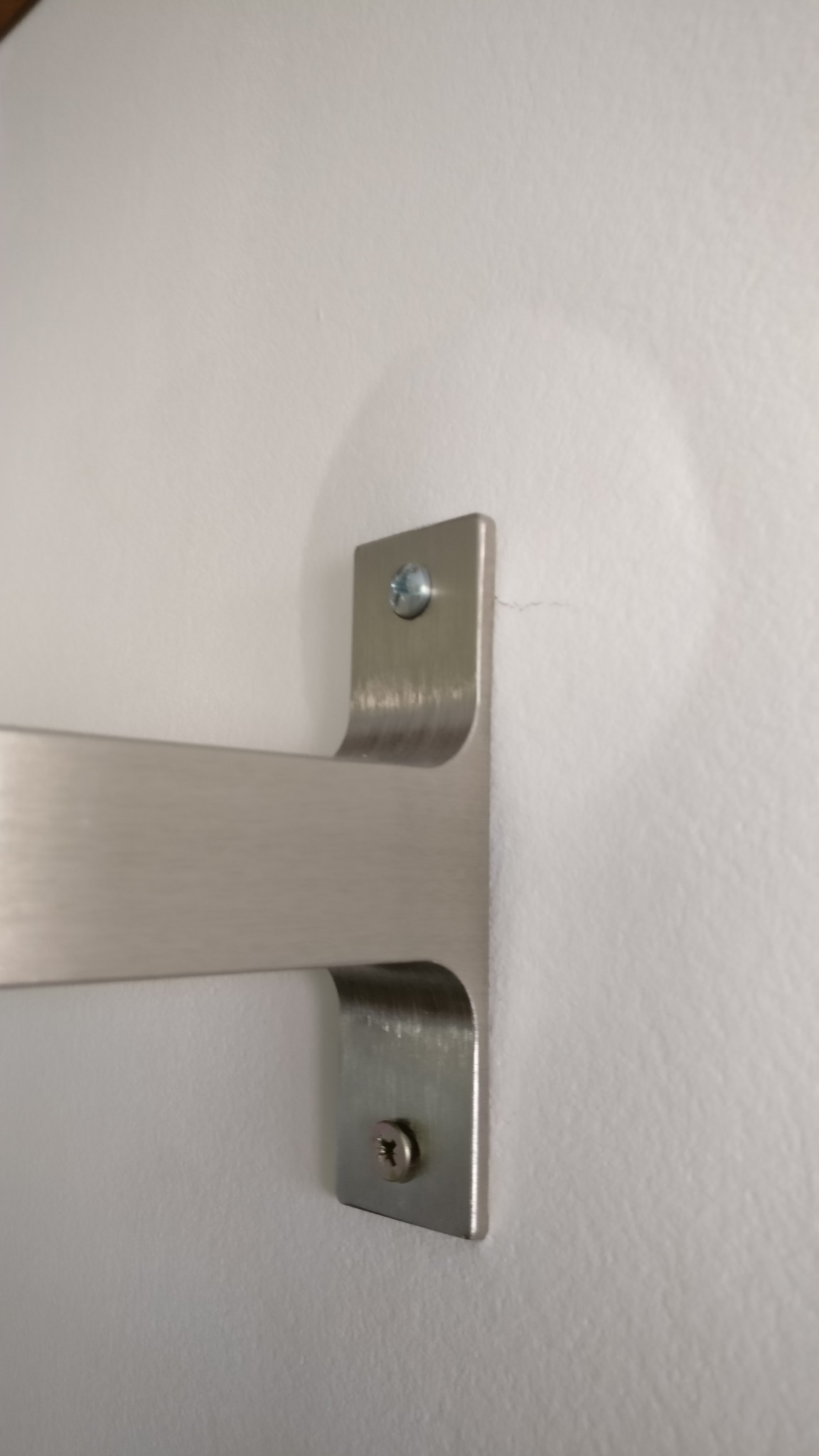
D. What do you recommend as solutions to mounting heavier objects/shelving to this sort of wall? Can one apply a solution to the wall itself safely, or is mounting to the studs the only guaranteed option? For example, using large toggle bolts? I thought molly bolts would have served a very similar purpose to toggle bolts (which I have not used) but after removing everything I could see that some of the molly bolts did not expand, other warped, and others which must have expanded began to bulge out the plaster. However, I am holding an assumption that if done correctly this could all be avoided. I simply did a poor job. The evidence to this is previous owners mounted an identical shelf above ours (same screw placement, same load bearing) which is SOLID into the plaster wall. So either there is a horizonal beam which they found and mounted to, or they simply mounted it better than me. I will admit some of my screws/mollybolts were a bit loose due to plaster breaking off around the head, which I assume contributed to the shelf slowly failing.
I am truly appreciative of any and all advice/input you can give. This is our first apartment and have our first child on the way in January which means we will be looking for a house in the coming 1-2 years. As such, I would really love to learn more about home/apartment maintenance so will be hanging out here a bit more. Next stop, installing hard wood floors myself (Might need some help there)
Sekä molly-ruuvit että toggle-pultit eivät ole oikea tapa ratkaista tämä ongelma. Ne on molemmat tarkoitettu kiinnittämään esineitä kipsilevyihin, laajenemalla levyn taakse kuorman jakamiseksi. Kuten olet jo nähnyt, niiden käyttäminen laajenemaan rappauksen sisällä rikkoo rappauksen. Sinun täytyy ulottua siihen kiinteään materiaaliin, joka on rappauksen ja ruokomaton takana. Jos saavut tiileen, käytä tulppia kuten ensimmäisessä kuvassa ja pitkiä ruuveja.
Mollyjenkat ja kiilapultit eivät ole oikea tapa ratkaista tämä ongelma. Ne on tarkoitettu kiinnittämään esineitä kipsilevyihin, laajenemalla levyn taakse levittämään kuormaa. Kuten olet huomannut, niiden käyttäminen laajenemaan rappauksen sisällä rikkoo rappauksen. Sinun täytyy päästä sen läpi, mitä kiinteää materiaalia rapatun pinnan takana on. Jos pääset tiileen asti, käytä ensimmäisen kuvan kaltaisia pluggeja ja pitkiä ruuveja.
Täydellistä, kiitos Guson. Oletin niin tästä fiaskosta, mutta halusin varmistua. Onko vinkkejä siitä, miten löytää tai kiinnittyä rappauksen takaiseen kiinteään materiaaliin? Katsoessa reikien läpi, tähän ei näytä olevan mitään standardia. Pitäisikö minun vain käyttää erittäin pitkiä ruuveja ja toivoa, että ne purevat johonkin kiinteään?
Pitkät ruuvit, jotka ulottuvat kiinteään rakenteeseen, ovat turvallinen tapa. Kokeilisin tutkia reikään, josta voit nähdä kamariruohon, käyttämällä ohutta poranterää, esimerkiksi noin 3 mm. Valitettavasti useimmat 3 mm poranterät eivät ole niin pitkiä. Jos poraat niin pitkälle kuin pääset ja et silti tunne vastusta, ehkä voisit käyttää ohutta ruuvimeisseliä koetintikkuna?
Klikkaa tästä vastataksesi
Vi vill skicka notiser för ämnen du bevakar och händelser som berör dig.

 (Might need some help there)