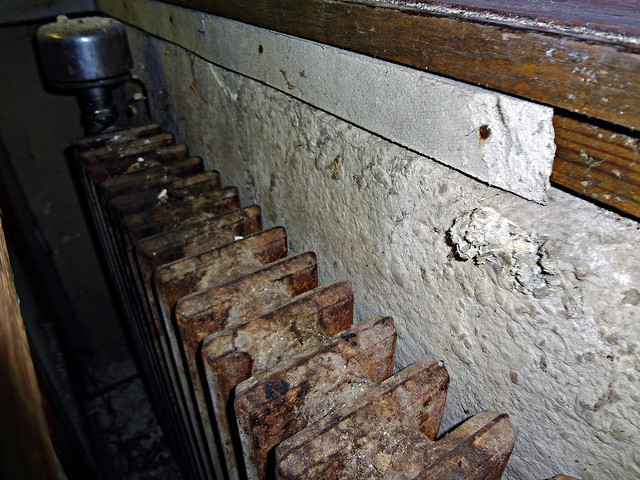
I have read that asbestos can be found in materials such as:
"Window sills and panels under window sills."
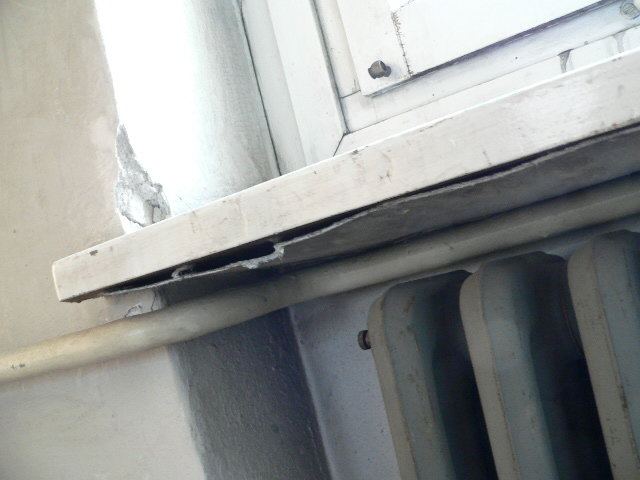
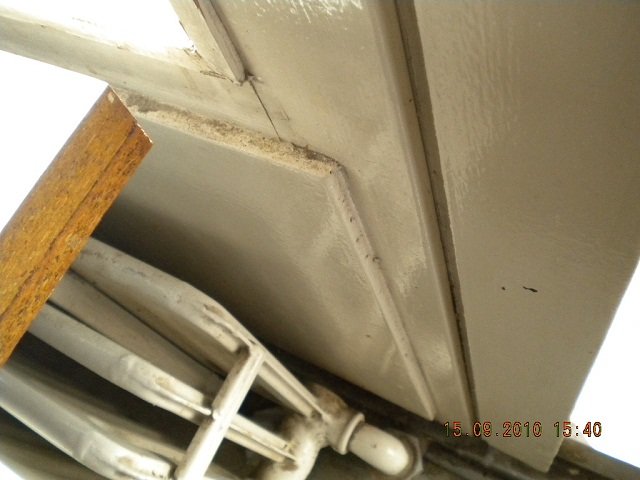
Anyone know how to recognize this? What do these types of window sills look like and what are the "panels under window sills" that might be referred to?
I've heard of hard black stone-like window sills with asbestos. Are there other types of window sills where one should watch out for asbestos? And, what on earth are the panels that might be referred to, which apparently can be found under window sills?
Thanks in advance! If anyone has knowledge about this.
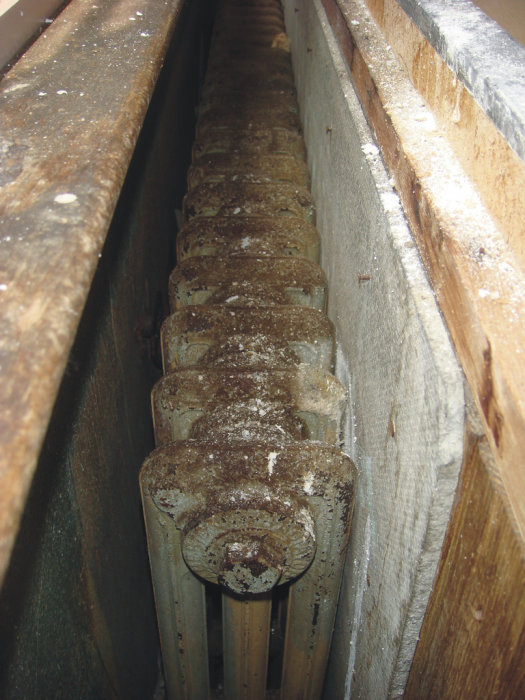
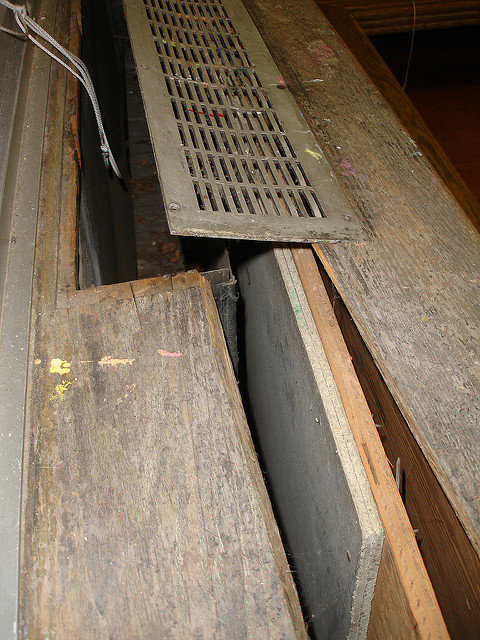
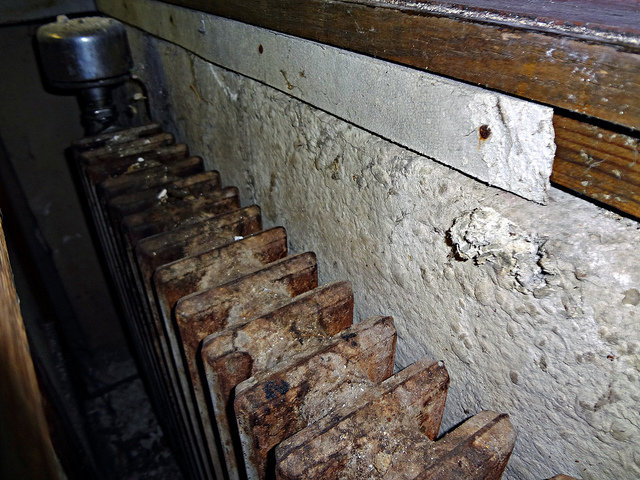
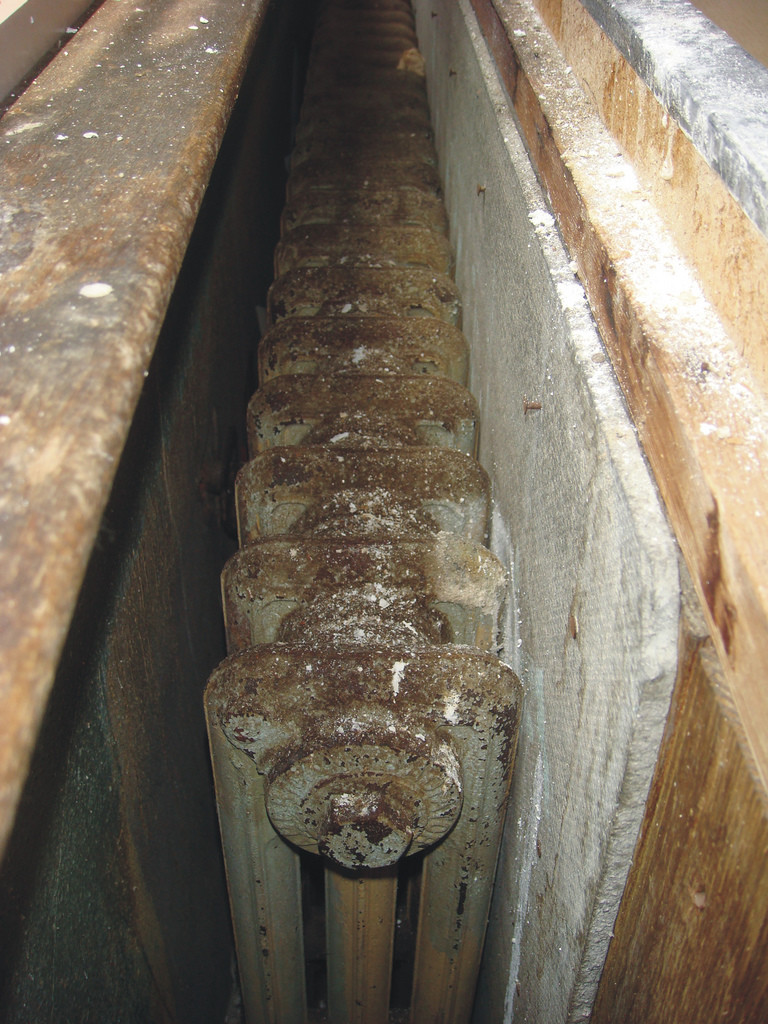
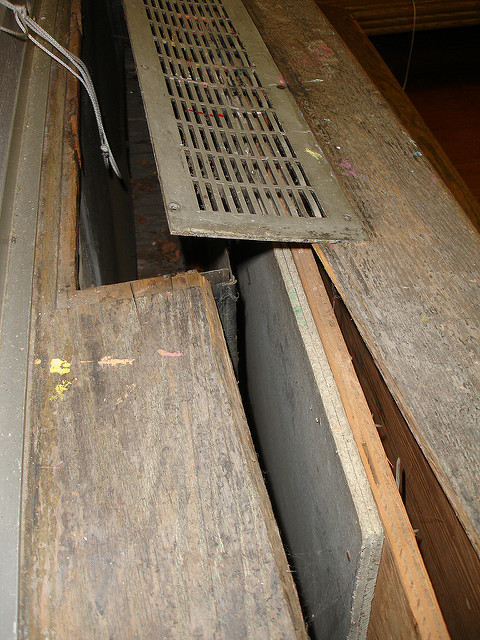
Could they mean some type of panel that exists under window sills behind electric radiators? We have white masonite panels (or similar) behind the elements (to protect the wall from heat, or to better radiate heat into the room). Could it be something like that?
Haven't touched these, but am now wondering if it could be such panels that contain asbestos? And how can you recognize asbestos panels in that case?
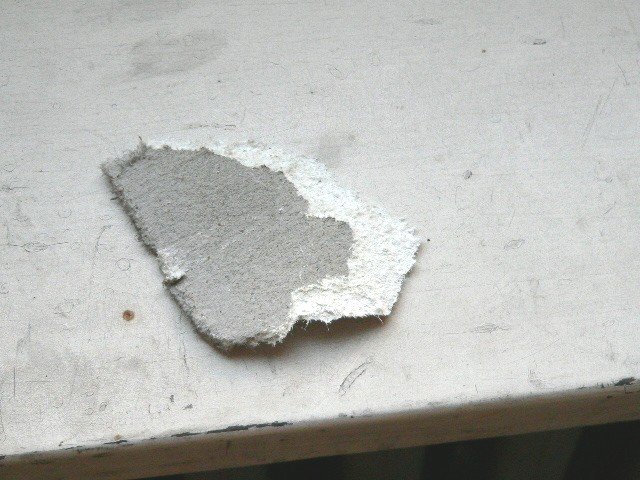
It is not easy to recognize if there is asbestos in the boards by just looking at them unless the material is obviously made up of small fibers (different from cellulose fibers (wood)). Often only laboratory analysis can reveal if the material contains asbestos. If you are uncertain, do not tear into the material.
How hot should the water radiator be for it to technically require something (which I assume is thought to protect the wood from ignition?). On an old type electric radiator, it feels more relevant as a solution...
The house I grew up in (1924) had paper nailed under some of the window sills, I remember my dad told me not to touch it because there was asbestos in it (this is more than 30 years ago, I don't know the truth of it, it might have just been ordinary paper), they no longer live in that house. But I remember the gray "paper." I would "remediate" that if I had it myself. A hard board behind, I would personally be more worried about removing than just leaving it...
Window sills made of asbestos look like marble, usually dark gray/black in color. However, one realizes when handling them that they are not as hard as stone would have been. These boards are harmless as long as you don't start sawing into them, as it's inhaling the fibers that poses a danger. The previous owner of our house had replaced most of these and reused them as border planks for the flower bed :wow:
Click here to reply
Vi vill skicka notiser för ämnen du bevakar och händelser som berör dig.