2,786 views ·
31 replies
3k views
31 replies
Windows should they be taped?
Isn't the question in the title whether it SHOULD be taped? That it is possible to tape despite it likely being better to seal, I think is now completely clear.Matti_75 said:
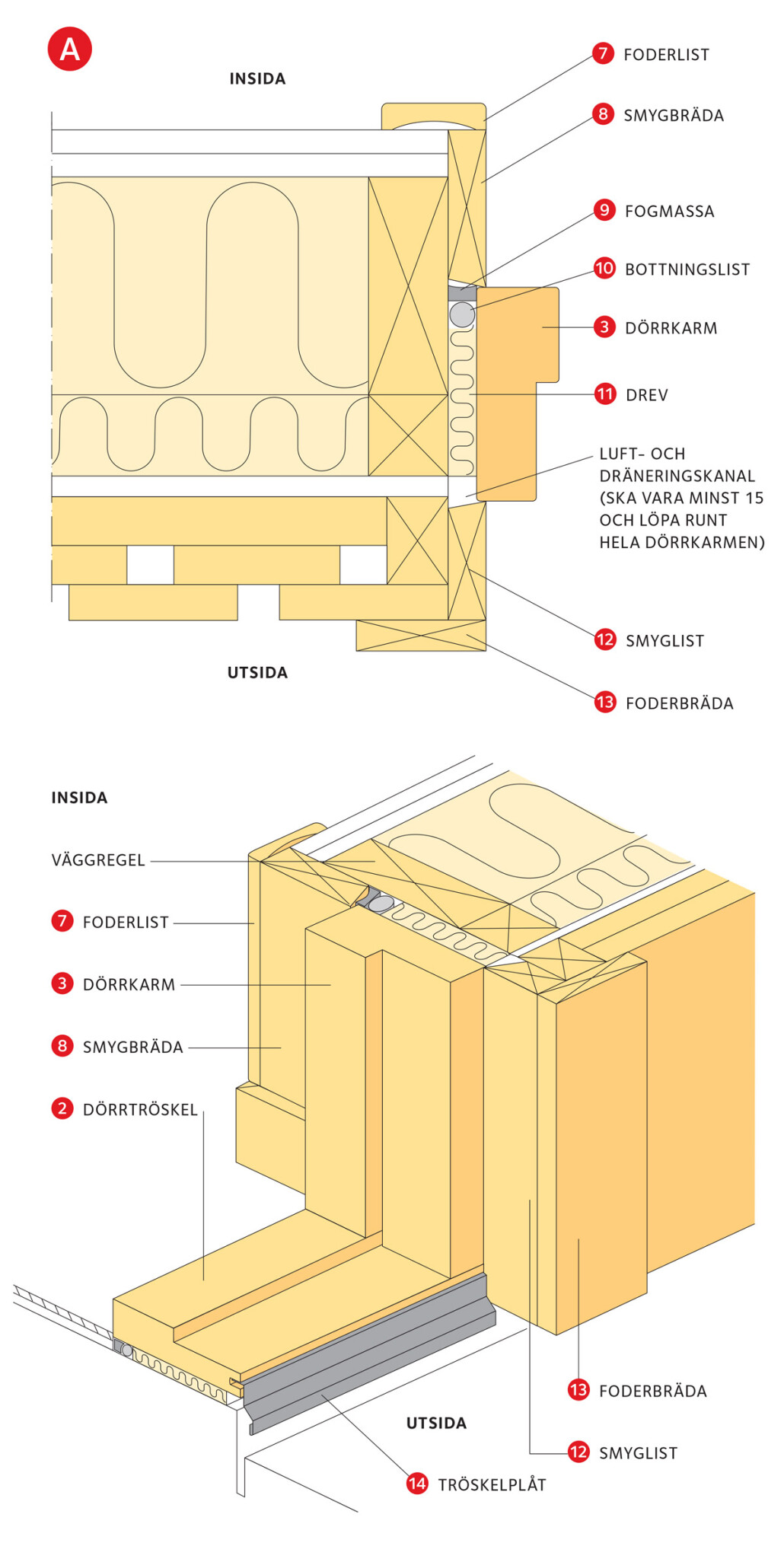
Yes, I know that's how it's supposed to be done, but in TS's case, he doesn't even know if there's any plastic. If he is going to seal, he must seal at least 15 mm thick to get inside the potential plastic. Tape works perfectly well in this case and many others, and it is an approved solution even in new construction. Additionally, it's easier to make the tape airtight compared to sealing.
It's completely clear that TS has plastic in the wall.K Knalle10 said:
The "correct" way is to use backing rod and flexible sealant, which works well. Alternatively, there is plasticized drev you can clarify from the inside, which should work well. If you have already done the drev and it is possible to tape the gap so it holds properly, then it works sufficiently well.
What did it look like from the beginning? When I replaced my 70s speakers, there was no vapor barrier or plastic at all, and my tape was significantly better than what was there initially.
If you change so that you insulate significantly more than before, you have to consider the vapor barrier, but that doesn't happen if you just replace a window.
What did it look like from the beginning? When I replaced my 70s speakers, there was no vapor barrier or plastic at all, and my tape was significantly better than what was there initially.
If you change so that you insulate significantly more than before, you have to consider the vapor barrier, but that doesn't happen if you just replace a window.
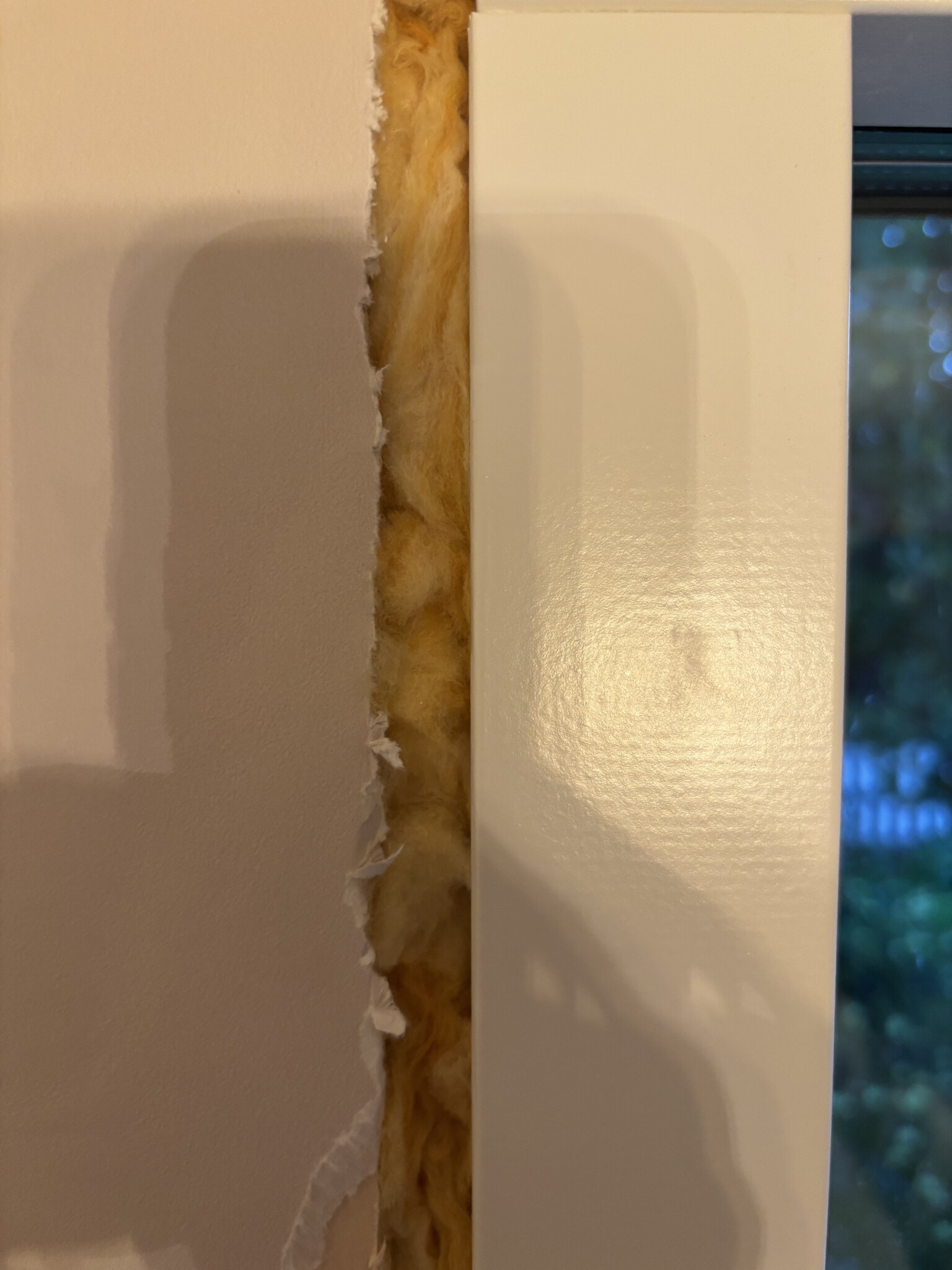
Oh, there was a big debate about the tape. I'll try to explain simply again: the plasterboard wall and window are flush with a 15 mm gap between them that is filled with insulation. Yes, there is plastic in the walls, but it doesn’t seal against the windows.
Someone advised me that I should tape the 15mm space between the plasterboard wall and the window frame with vapor-tight tape before I install the trim inside the house. I don't think I can explain it better than that, along with an additional picture.
Someone advised me that I should tape the 15mm space between the plasterboard wall and the window frame with vapor-tight tape before I install the trim inside the house. I don't think I can explain it better than that, along with an additional picture.