3,168 views ·
20 replies
3k views
20 replies
Which walls on the ground floor are load-bearing?
Hello.
I'm looking to see if anyone can help me figure out which walls on the ground floor might be load-bearing.
What we wish to do with the house in the future is to open up walls from the hallway to both the living room and the kitchen during future renovations, if possible, of course.
See the attached images for drawings.
Regards
I'm looking to see if anyone can help me figure out which walls on the ground floor might be load-bearing.
What we wish to do with the house in the future is to open up walls from the hallway to both the living room and the kitchen during future renovations, if possible, of course.
See the attached images for drawings.
Regards
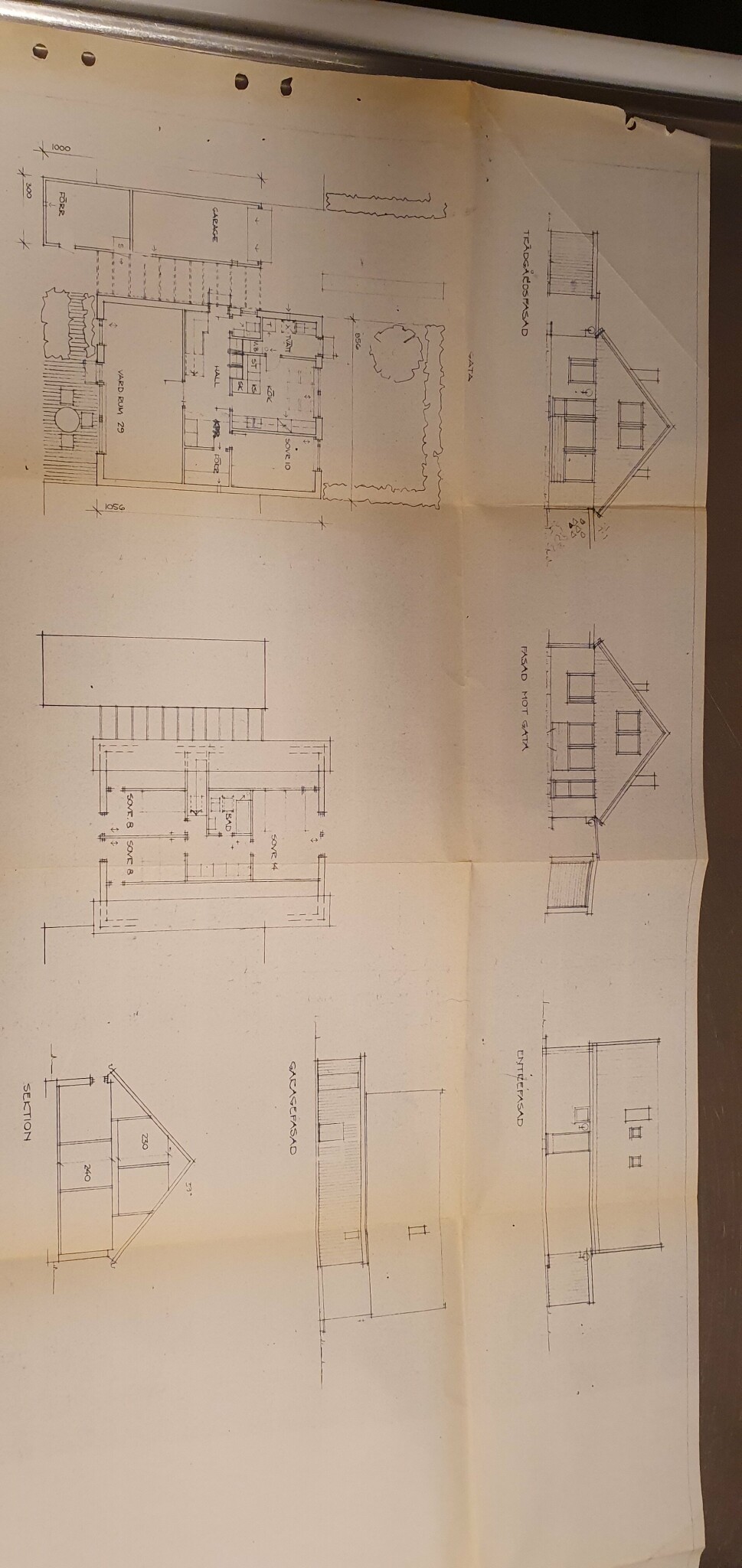
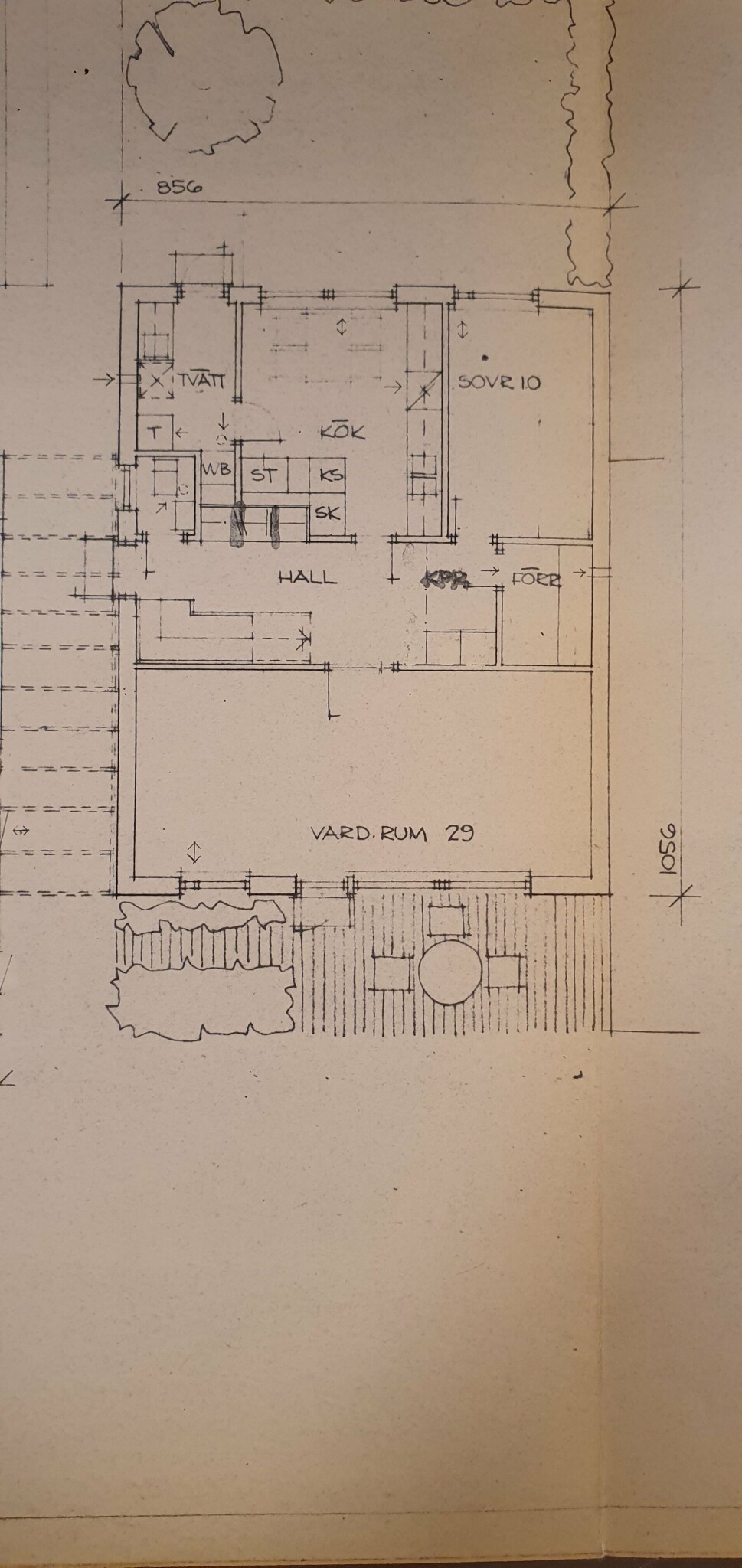
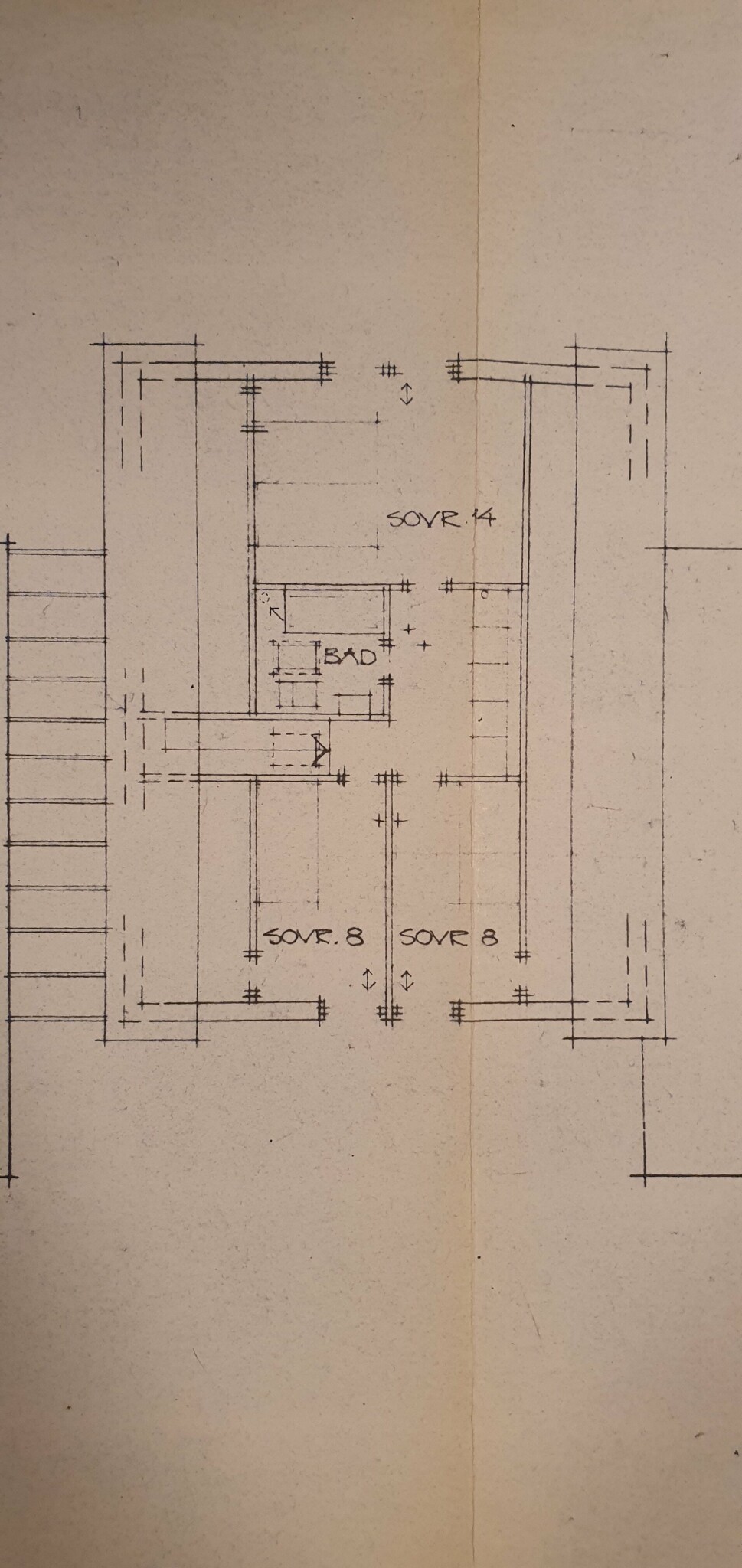


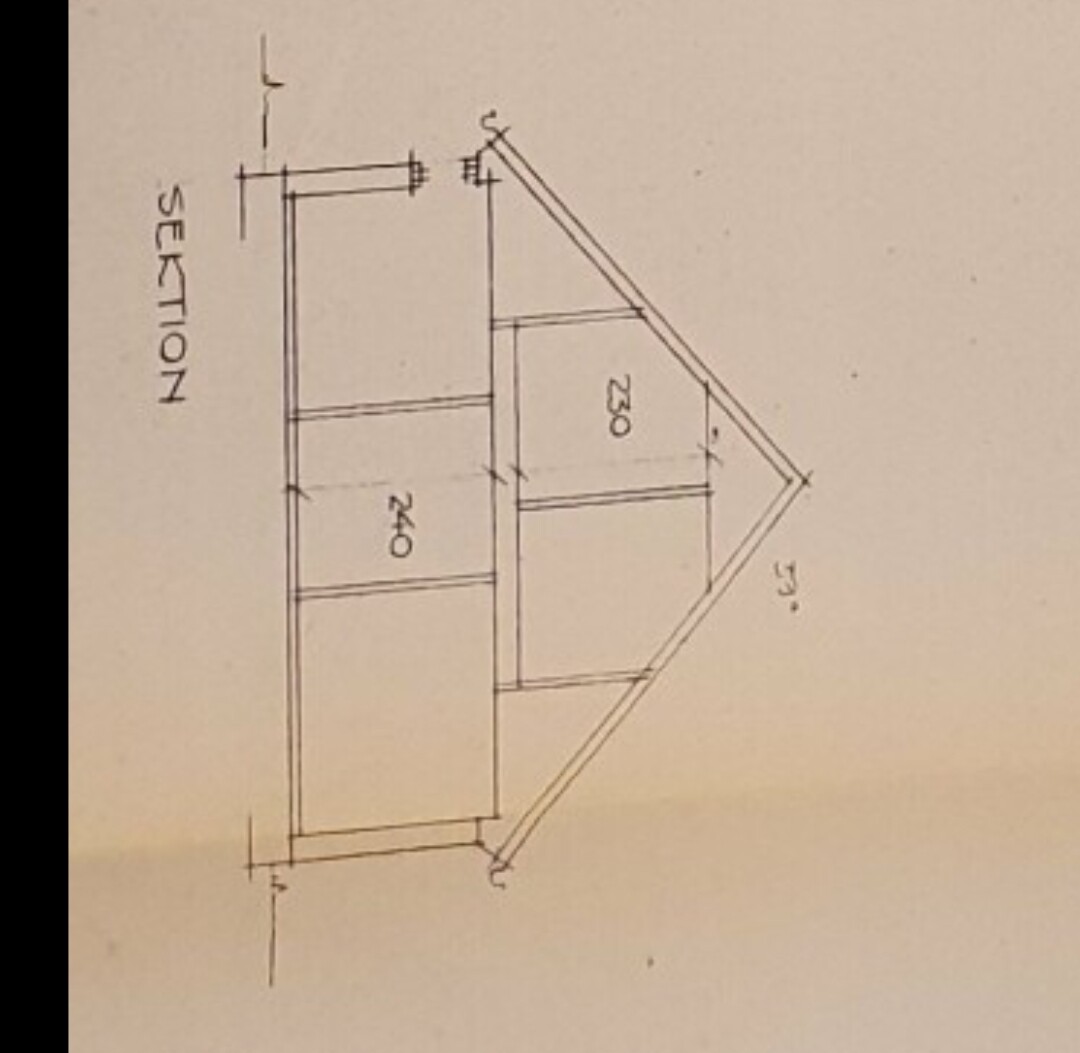
The most likely scenario is that the walls depicted in the section drawing are load-bearing. Then there could be load-bearing columns/walls near the staircase to prevent the upper floor's joists from sagging.
Do you see any beams in the living room ceiling?
I recommend hiring a structural engineer.
Do you see any beams in the living room ceiling?
I recommend hiring a structural engineer.

Is there any drawing of the flooring structure?
I think you will need to open it up to inspect how it looks and what possibilities it might offer.
Removing the walls completely might be difficult, but beams and posts are always an option otherwise.
I think you will need to open it up to inspect how it looks and what possibilities it might offer.
Removing the walls completely might be difficult, but beams and posts are always an option otherwise.
Hello!
Thanks for the response.
The walls drawn on the sectional drawing for the lower floor only go between laundry/kitchen/bedroom and do not continue through the entire house but stop at the hall wall.
We see no beams in the living room.
The 2 walls that we might want to open up more run along the direction of the roof trusses, if that helps.
Best regards
Thanks for the response.
The walls drawn on the sectional drawing for the lower floor only go between laundry/kitchen/bedroom and do not continue through the entire house but stop at the hall wall.
We see no beams in the living room.
The 2 walls that we might want to open up more run along the direction of the roof trusses, if that helps.
Best regards
No, I don't have a drawing for the floor structure.Luddis_1 said:
The drawings I have uploaded are the ones I have.
We probably don't want to remove them completely but rather open them up a bit so it becomes more open.
An opening can be made using a beam and posts, provided that the posts can stand firmly on something.
When opening up, one ensures to offload the section being worked on.
An experienced craftsman can immediately tell if it is load-bearing or not once it has been opened up and inspected. If unsure, one should consult a structural engineer.
What kind of foundation is it?
When opening up, one ensures to offload the section being worked on.
An experienced craftsman can immediately tell if it is load-bearing or not once it has been opened up and inspected. If unsure, one should consult a structural engineer.
What kind of foundation is it?
Okok!An opening can be made with the help of a beam and posts, provided the posts can stand firmly on something.
When you open up, make sure to relieve the part you're working on.
An experienced craftsman can immediately tell if it's load-bearing or not once it has been opened up and inspected. If uncertain, you should bring in a structural engineer.
What type of foundation is it?
It is a slab on grade.

The wall between the hallway and the living room is definitely load-bearing.
I would say none of the walls on the lower level are load-bearing; if so, there would be a wall reasonably centered that runs across the roof trusses. Now the majority of the walls run along with the roof trusses. However, the wall between the hall and the living room should be a support wall to prevent the outer walls from bowing outward in the middle. I know I've seen notes about it in some drawings, though I don't remember exactly how it's usually referred to.
What does the joist rest on? Check some spans. The fact that the roof trusses lie in a certain direction has nothing to do with how the intermediate floor structure is situated.Purre said:
I would say none of the walls on the lower floor are load-bearing, otherwise, there would be a wall decently centered that ran across the roof trusses. Now the majority of the walls run along with the trusses. However, the wall between the hall and the living room might be a support wall to prevent the exterior walls from starting to bow outwards in the middle. I know I've seen notes about this in some designs, though I don't remember exactly how it's usually termed.
Most often, the joists are oriented in the same direction as the rafters; there must be beams supporting the hallway and living room. The beams can be recessed in the joists or underneath.. the kitchen walls are likely load-bearing..
Last edited by a moderator: