
820 views ·
8 replies
820 views
8 replies
What type of mortar is under the plastic paint I have sanded down?
Hello!
I've sanded down plastic paint from the inside of a brick wall and am trying to figure out what type of plaster/mortar is behind it. Is it gypsum plaster? It feels very "fine" in the hands.
The house is from 1850 but has been renovated in stages later on, and since one wall has been damaged by the plastic paint used, I want to use something vapor-permeable instead (how does gypsum plaster work in this context?).
Since I need to even out the wall after sanding, I'm pondering what's behind it. If anyone with a keen eye has any tips, I'd appreciate it.
There are also some individual holes, and the mortar behind the finer layer is quite porous. We had an inspector on site who measured, and other walls (including this one) are supposed to be "dry."
Best regards, Daniel
I've sanded down plastic paint from the inside of a brick wall and am trying to figure out what type of plaster/mortar is behind it. Is it gypsum plaster? It feels very "fine" in the hands.
The house is from 1850 but has been renovated in stages later on, and since one wall has been damaged by the plastic paint used, I want to use something vapor-permeable instead (how does gypsum plaster work in this context?).
Since I need to even out the wall after sanding, I'm pondering what's behind it. If anyone with a keen eye has any tips, I'd appreciate it.
There are also some individual holes, and the mortar behind the finer layer is quite porous. We had an inspector on site who measured, and other walls (including this one) are supposed to be "dry."
Best regards, Daniel
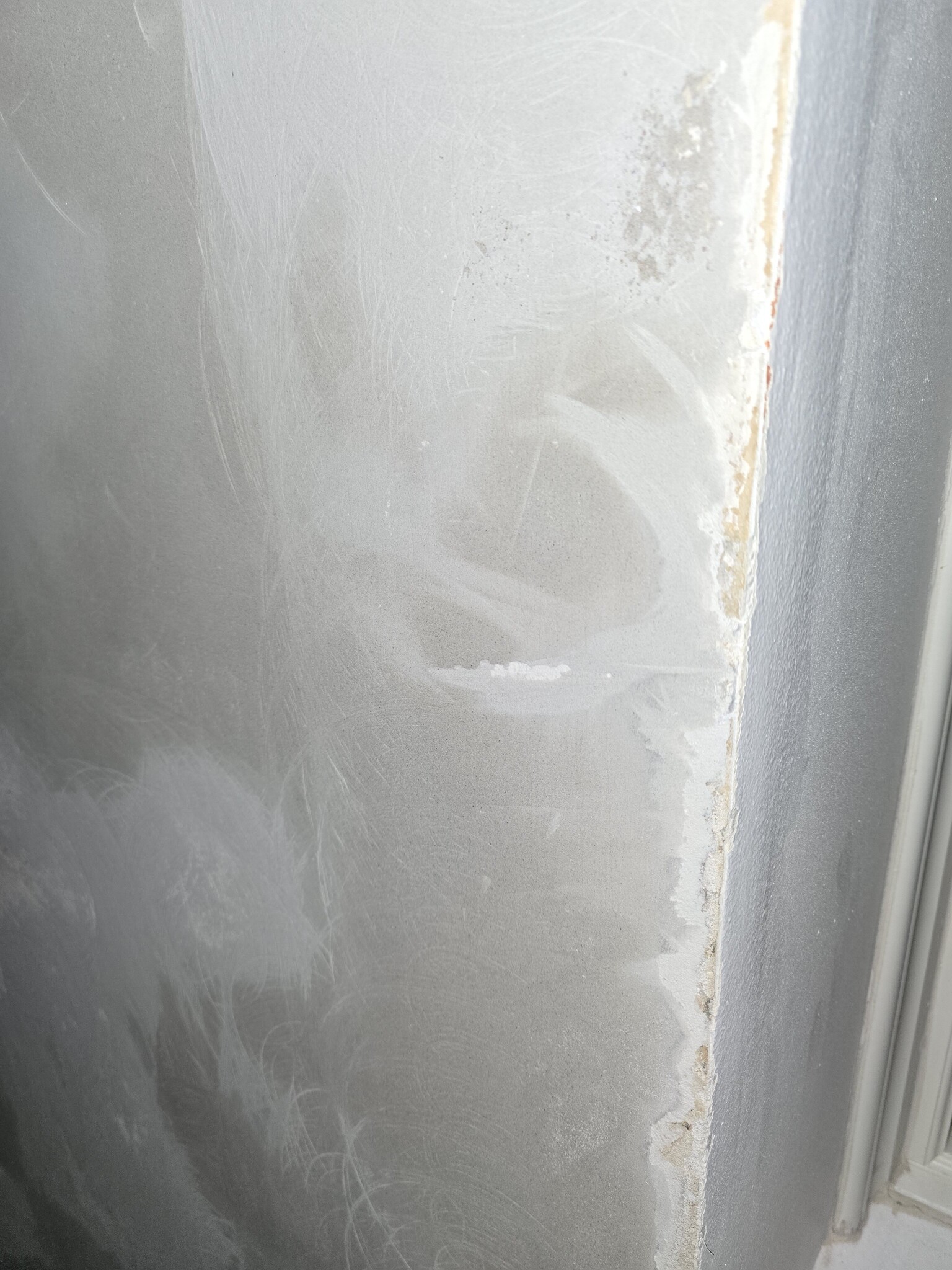
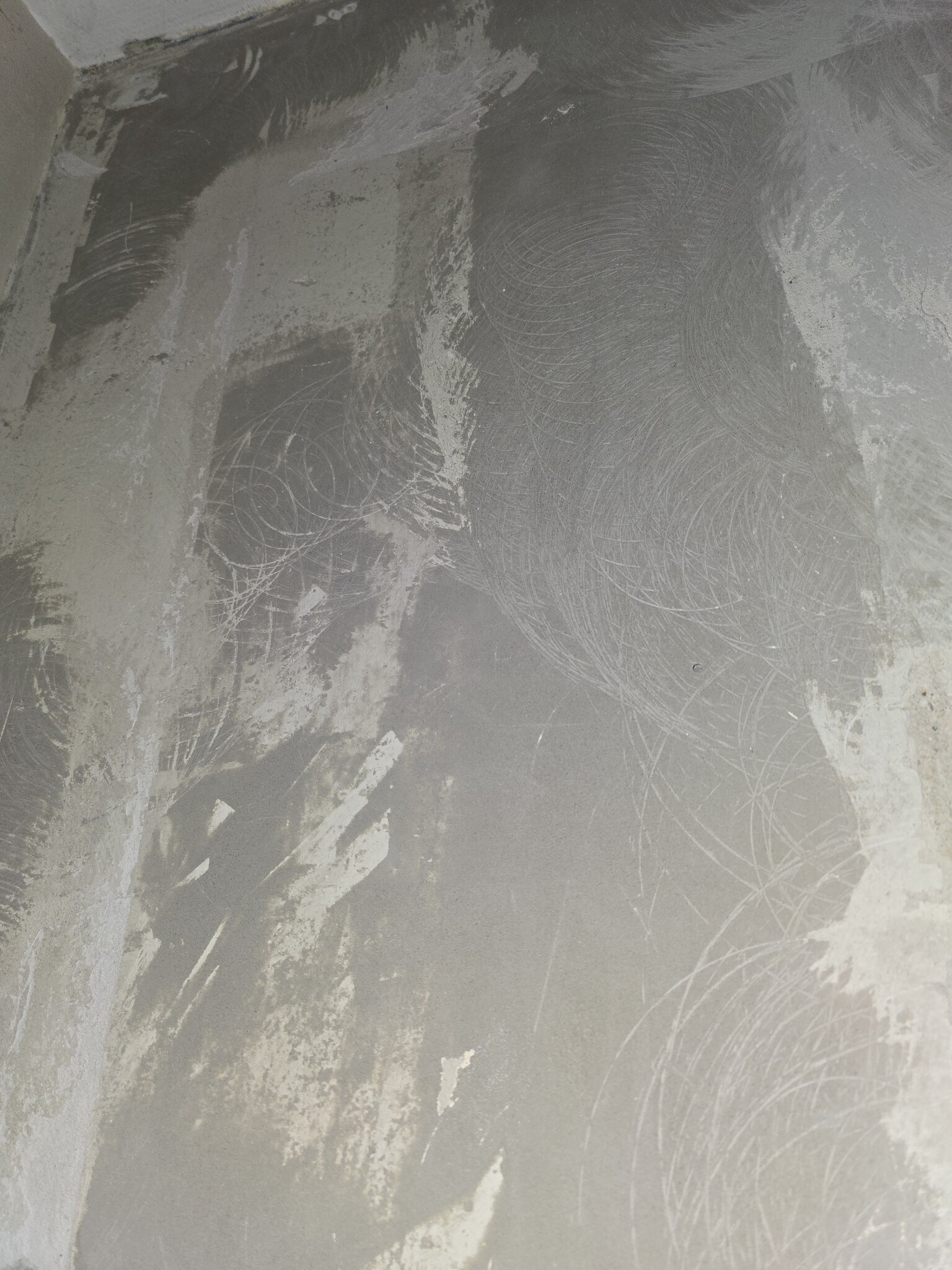
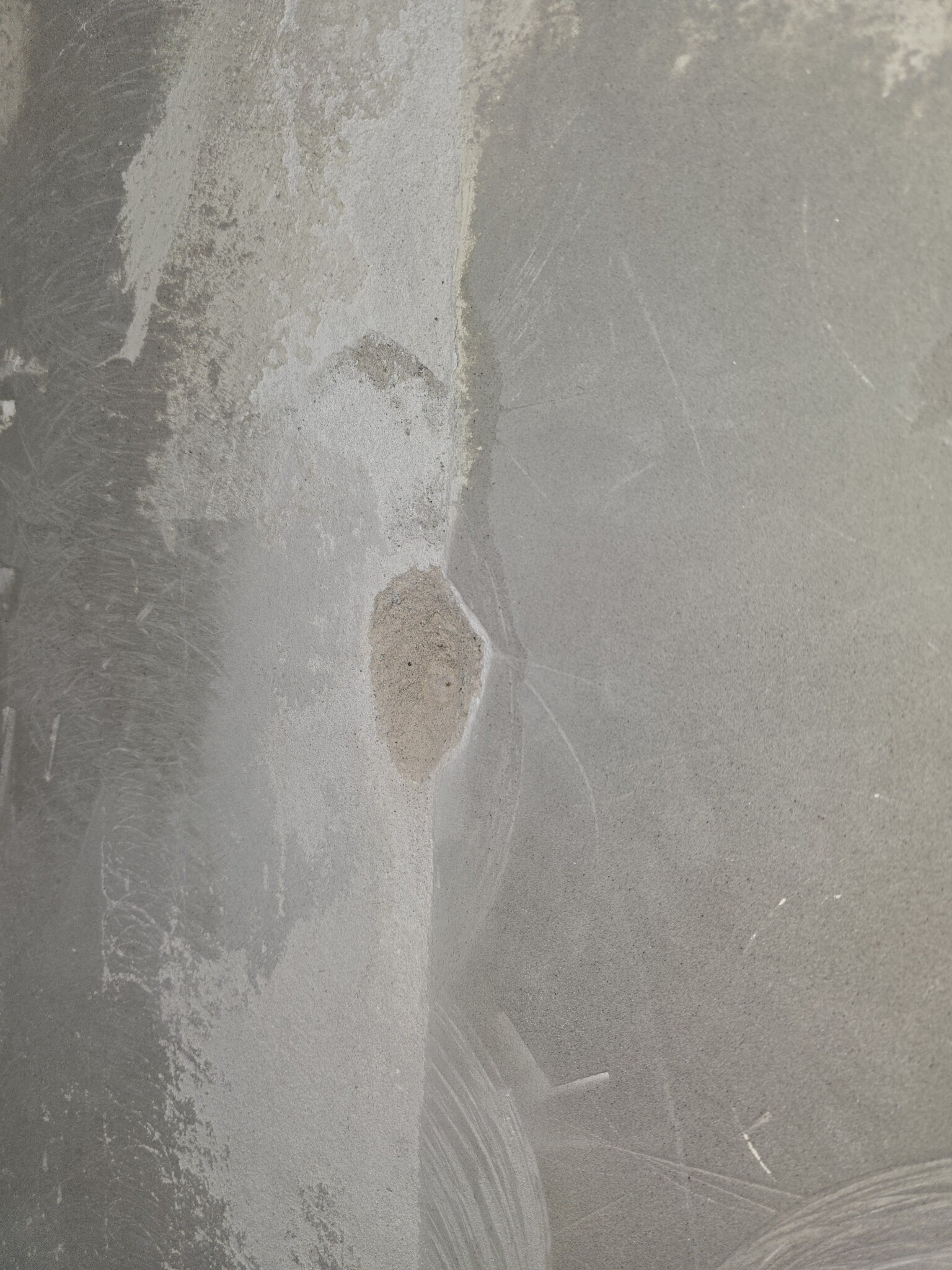

If it's common to putty the whole surface before painting? Yes. But I assume that's not what you mean?D Daniel Johnsson said:
It appears there are a number of paint (and potentially putty) layers there on top of the plaster.
What is your end goal?
Of course, I understand that it's common to skim coat before painting, I meant whether it's common to choose skim coat over some kind of plaster.C cpalm said:
In any case, I've sanded down three layers of paint, so what you see is some form of finer plaster or skim coat as you mentioned, and a more porous coarse mortar behind it.
What I want to achieve is to remove all the plastic paint from the exterior walls. I have milled it down with carbide discs to "only" take off the paint; I want to avoid sanding/chipping off all the existing plaster due to the work involved (as there are quite a lot of wall areas in the house). So now I'm unsure which mortar I should choose. I want to smooth plaster everything anew and create a diffusion-open wall. The plastic paint has caused problems on one of the walls, as mentioned.
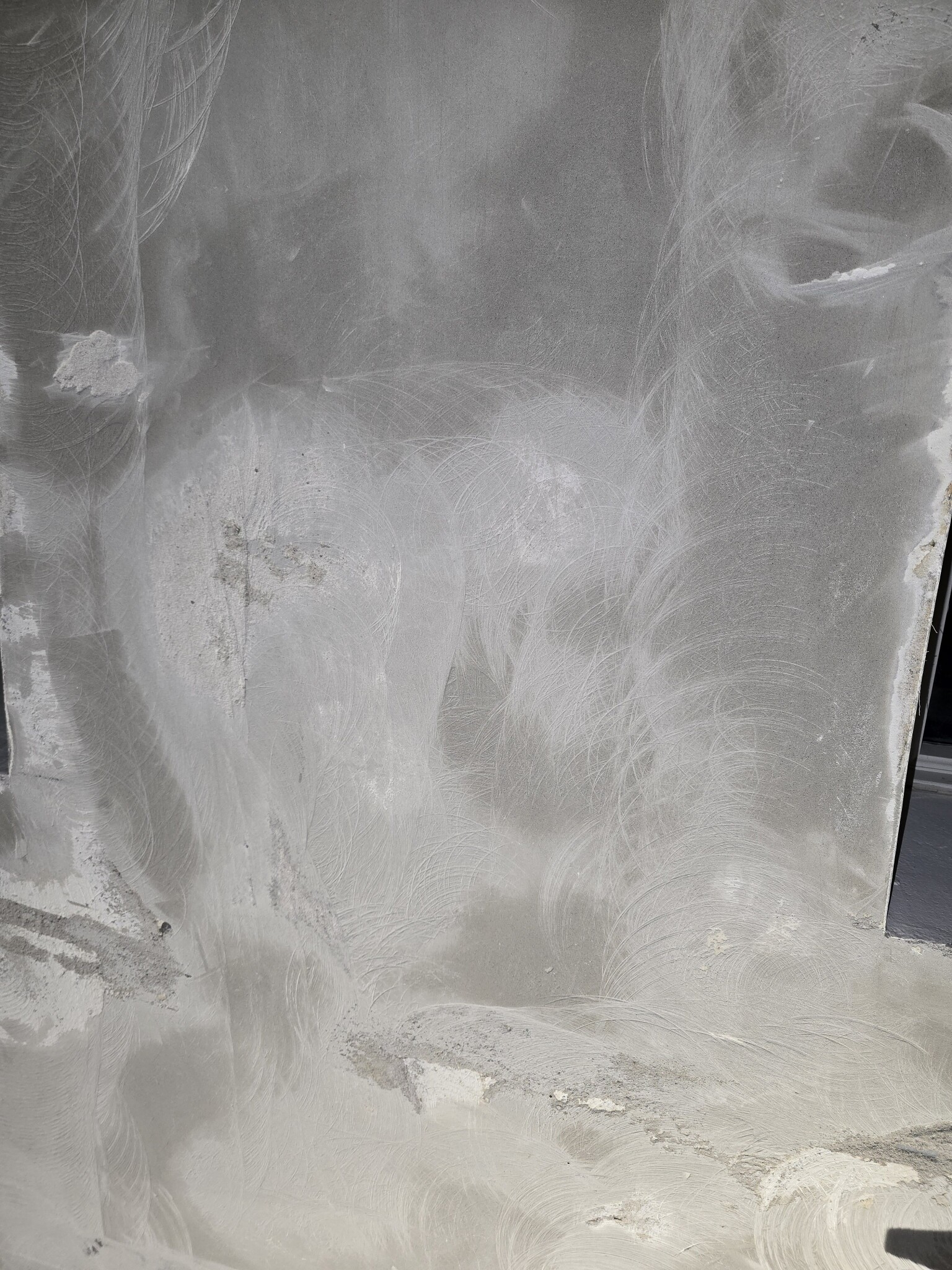
No, you simply haven't gotten down to the plaster yet, and are still working on the paint/filler layers that lie on top.D Daniel Johnsson said:
If you are going to smooth plaster with plastering mortar, you need to work your way down to the plaster; preferably, it should be completely free of even small paint residues for a good result. It's not a fun job, sometimes it can work better with a shearing scraper, like Olfa.
Is it that bad, then just go for it again. Will try with the scraper as well, have used it in some places. But it's definitely a tedious job.
Which plaster did you use? A finer lime plaster or gypsum plaster?
Which plaster did you use? A finer lime plaster or gypsum plaster?
Click here to reply