After careful consideration, I decided to sand my old wooden floor instead of installing a new one. However, in some places, the floor needed to be "patched up" a bit where a plank was missing, such as in doorways. My craftsmen, who seem to be great, said they would put in wood where needed, in preparation for the floor sanding later on. I have now seen that they have patched in some places and also discovered a plank they left on the floor in the house. I quickly concluded that it is old wood and the craftsmen had also suggested that I use older wood to maintain the feeling even on the pieces they would repair with.
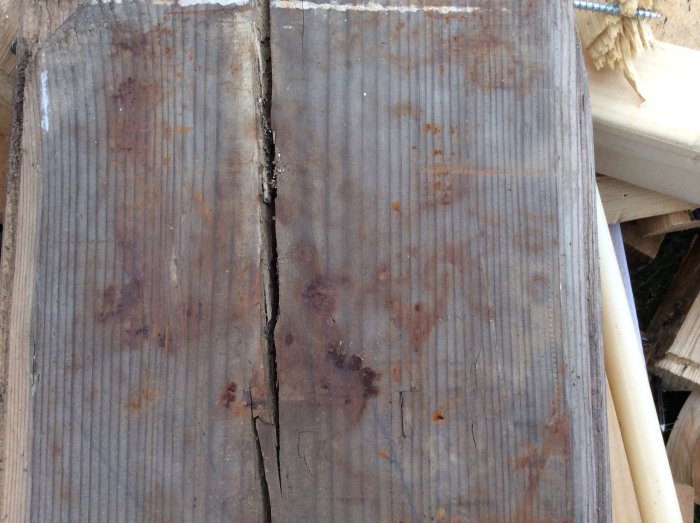
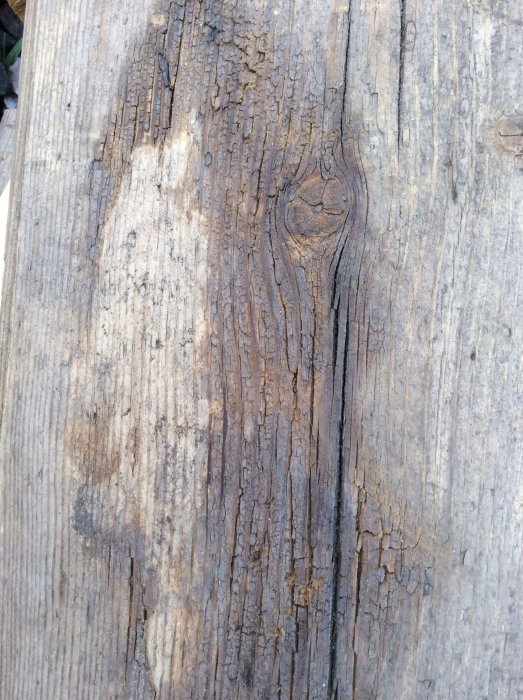
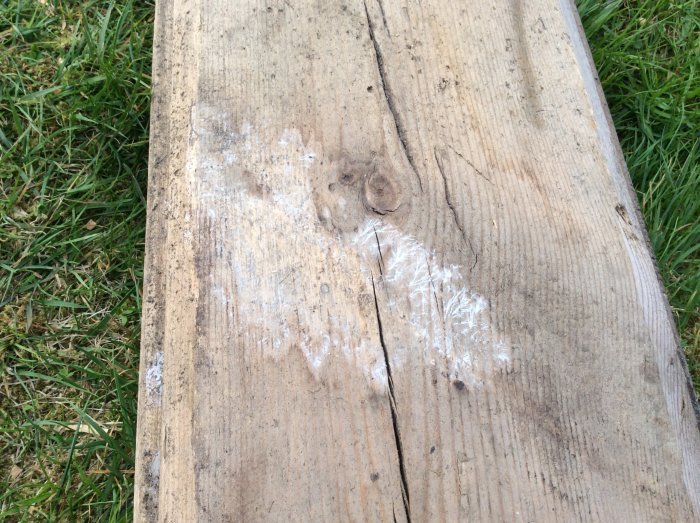
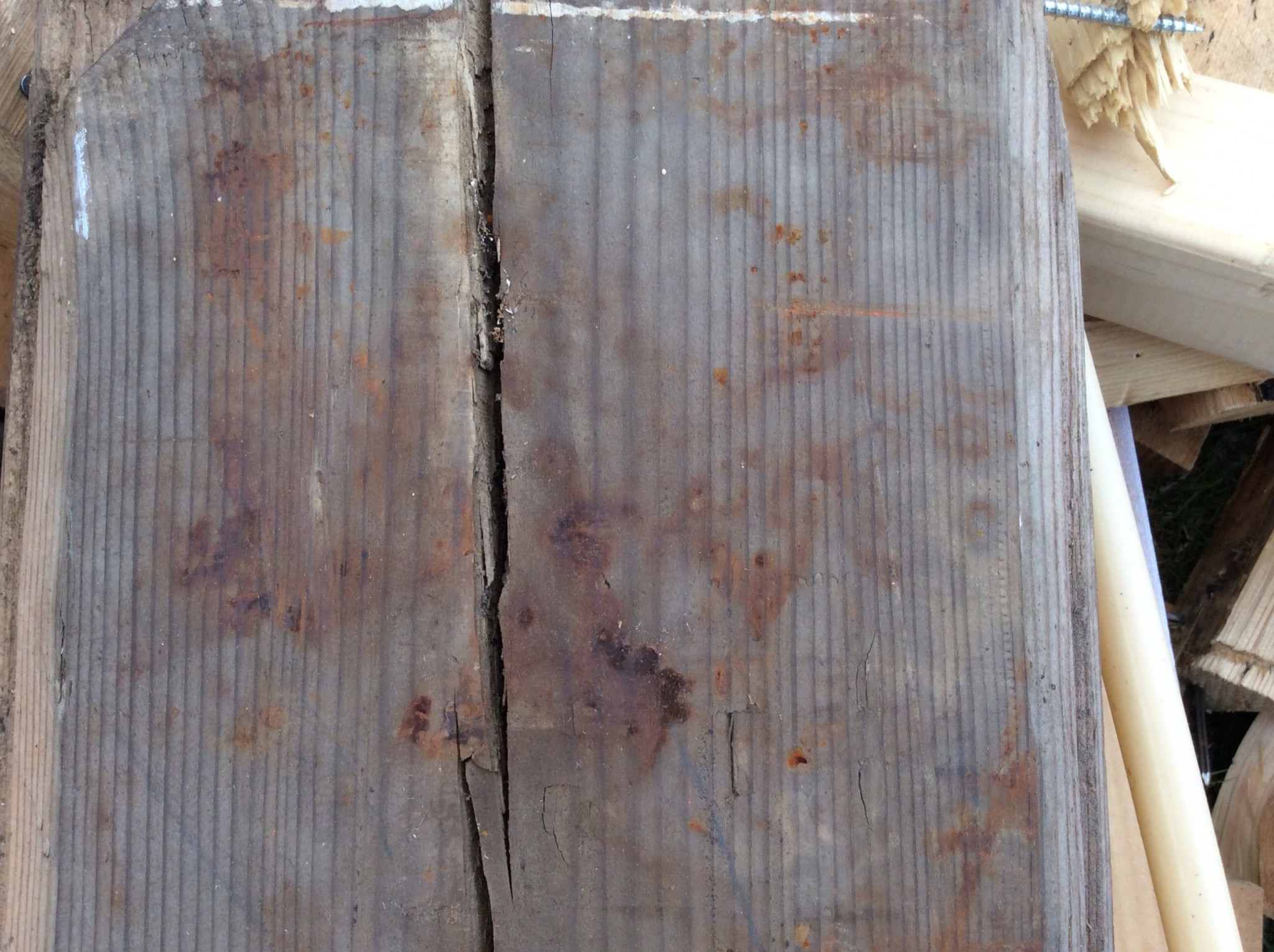
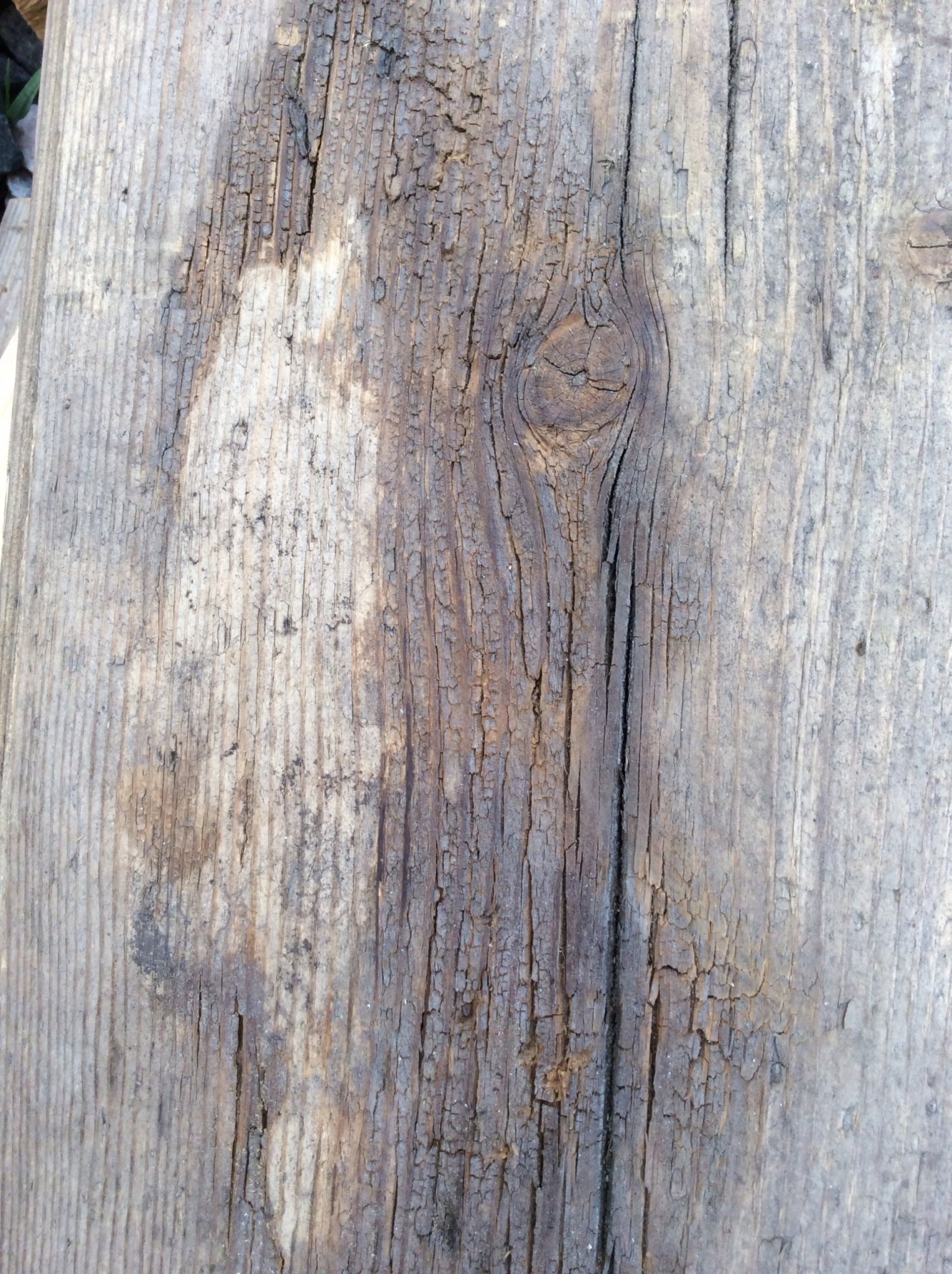
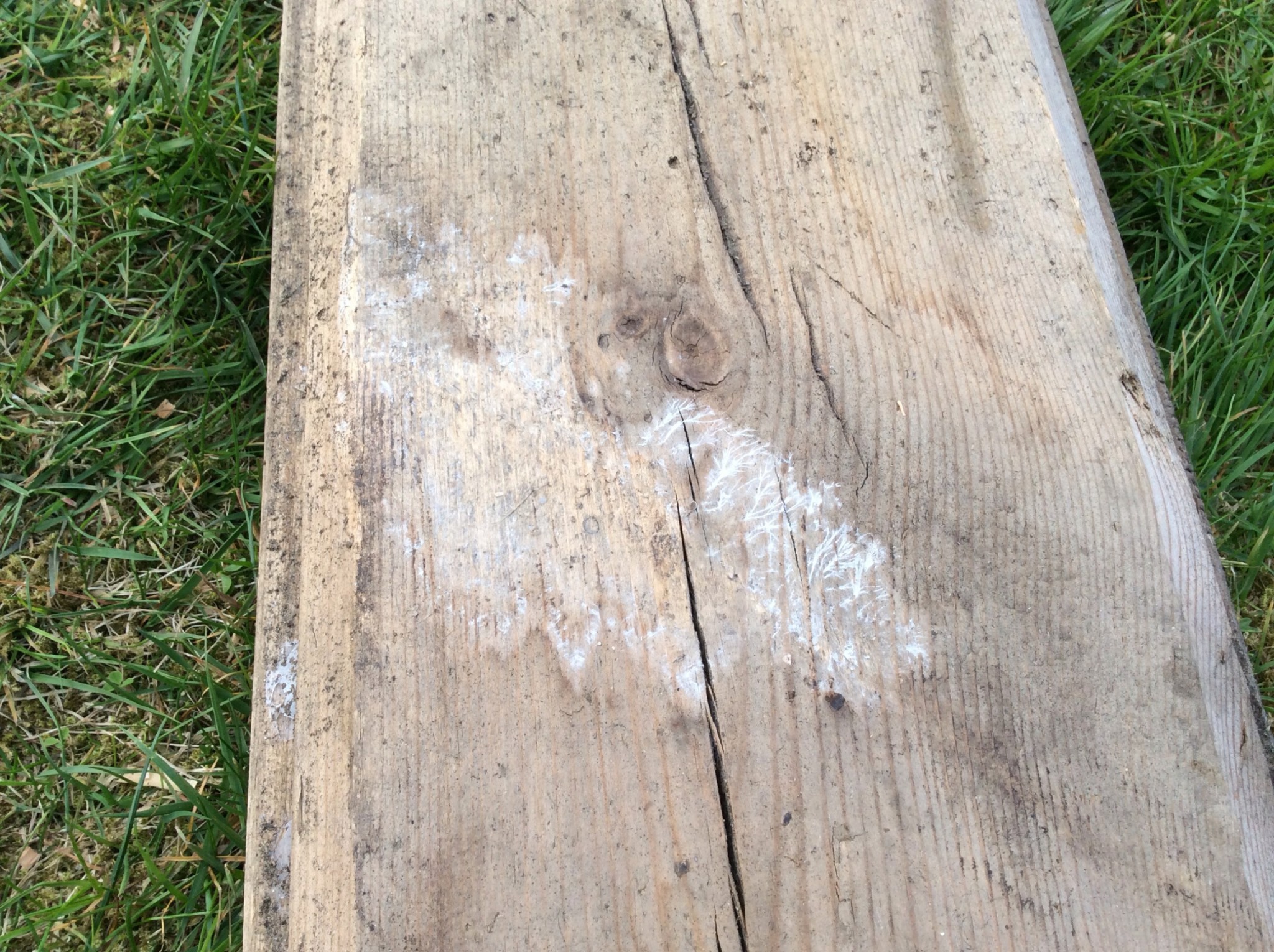
The plank they left lying on my kitchen floor looks like the following from the pictures below. What do you think when you see these? Personally, I felt a certain unease and immediately started thinking about house fungus, etc.
What do you think this infestation is? And, if it is previous house fungus infestation on this wood, could it have spread spores to my indoor environment? And worst of all, how would you have acted concerning the pieces they have already put in? What if they look the same? Or do you think it's completely fine?
How would you act if you were me? I'm feeling a bit panicked...
Even the third picture suggests fungal attack. I would definitely NOT want to have those planks in my house!
House fungus can be "inactive" (kind of like in hibernation) for many years even if it lacks moisture to sustain itself, so even if it looks dry, it can still be alive...
True dry rot doesn't need any additional moisture to spread, does it? My understanding is that it meets its needs from the humidity even if it is very dry.
Yes, well, that's true, but it needs more of a "calm" climate, not ventilation for example. If it doesn't get enough moisture, it can "rest" for a long time, so thinking that just because it's dried up, it's dead is wrong. That's more what I meant...
It is a myth that the house fungus does not need moisture supply. If the wood dries out and stays dry, the fungus remains calm. My cottage is full of old house fungus, but nothing has happened in 50 years.
It is a myth that the house fungus does not require moisture supply. If the timber dries out and stays dry, the fungus remains calm. My cottage is full of old house fungus, but nothing has happened for 50 years.
Yes, then it is already "dead" if so much time has passed. However, it can be dormant for several years, so bringing infected boards into a house that hasn't previously had house fungus seems very, very foolish.
House fungus needs moisture, yes, but it is enough with high humidity in the air and stagnant air, for example under a floor. There doesn't need to be any water leak or incoming ground moisture for house fungus to grow (or awaken from dormancy).
Image 1 shows some rust spots, nothing to worry about.
Image 2 shows a bit of rot from old moisture, I'll cut that part off or turn it around so I don't have to see it if it's superficial.
Image 3 shows some mold, I'll kill it with bleach or Mögelfri or Boracol before I mount the plank.
Yeah, what the heck do I do now...
The craftsmen have probably already patched with pieces of this plank and besides, the plank itself has been lying loose on my kitchen floor for almost a week before I threw it out yesterday...
Does my underlying wooden floor need to be decontaminated for any fibers that have spread in the indoor air and on the floor where it was lying?
And what do I do with the pieces they've already attached...
When it comes to dry rot, there are many myths and misconceptions. The hysteria is significant and encouraged by several actors with commercial interests, primarily perhaps Anticimex. A worried person is always easier to profit from.
I wouldn't be the least bit worried and would have done exactly like Mathias.
The "attacks" and damages you show I would say are quite normal on slightly older flooring timber. Rather small damages. The type of mold/fungus shown in picture 3 easily develops if moisture gets into a stack of timber where there is no air between each plank. I strongly doubt it's true dry rot. Wash or saw away the damages/attacks and be happy.
As mentioned, there are many myths and exaggerations about dry rot. The spores are already everywhere in the air, so you haven't introduced anything that wasn't already in the air. What determines if the fungus starts to grow is if there's a damp environment where it can thrive. If it's dry, it can neither grow nor gain a foothold.
...
Does my underlying wooden floor need to be decontaminated for any fibers that have spread in the indoor air and on the floor where it was lying?
...
That's not something you should worry about.
Virtually all types of fungal spores and mold particles are already present everywhere in the air.
Under the right conditions (water, nutrients, warmth) they start to grow, otherwise not.