Hello,
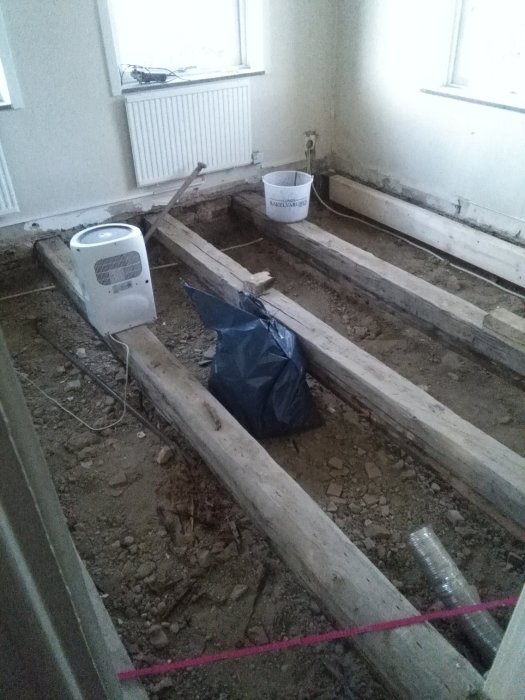
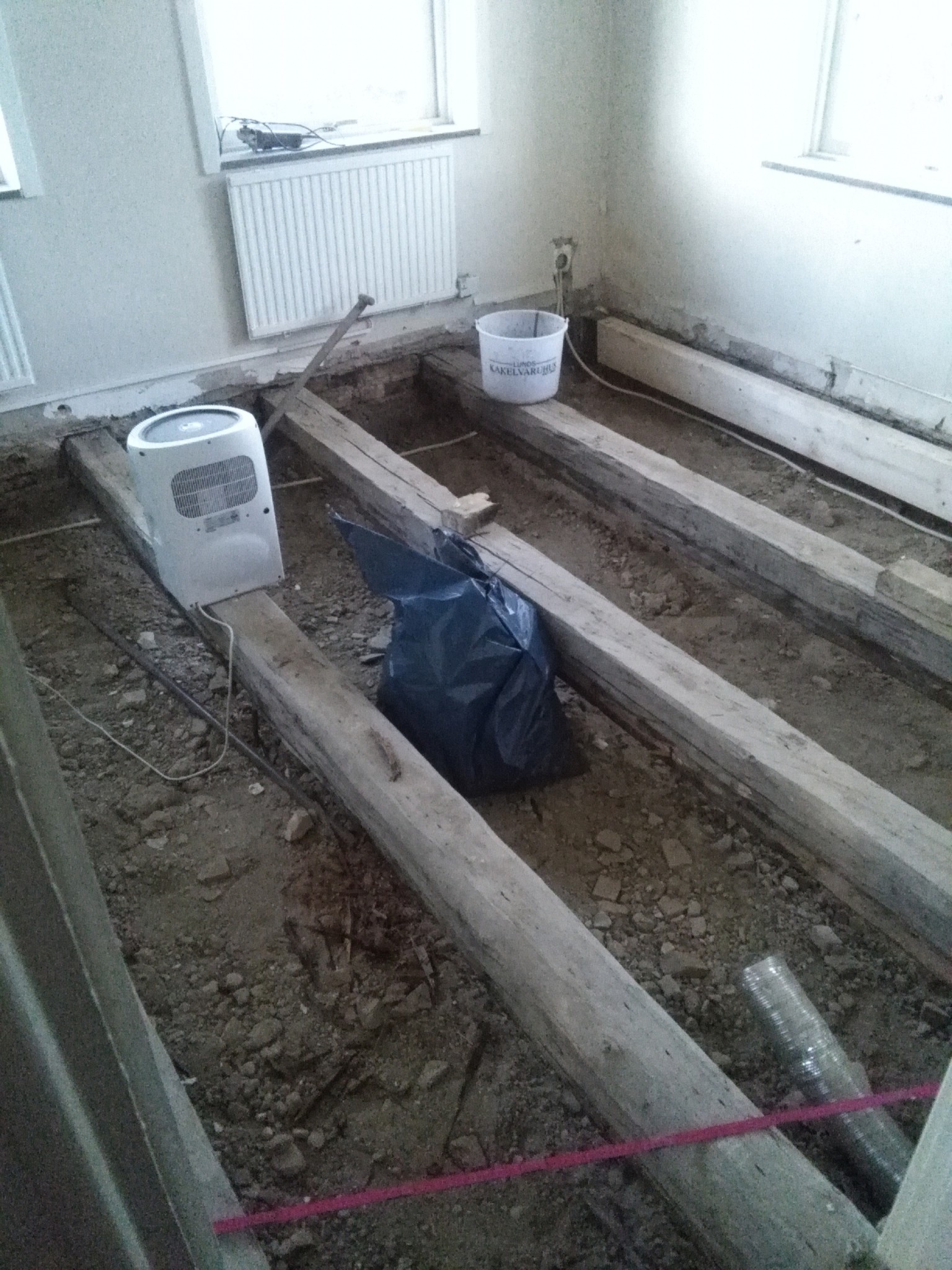
I am in the process of renovating the floor structures in my 1920s house.
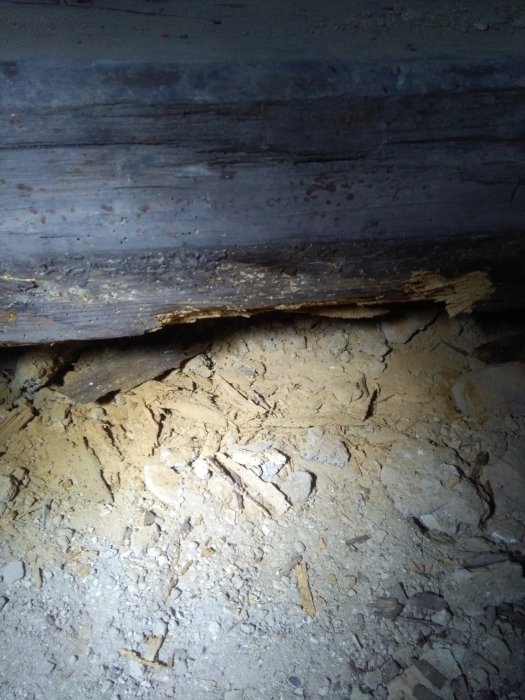
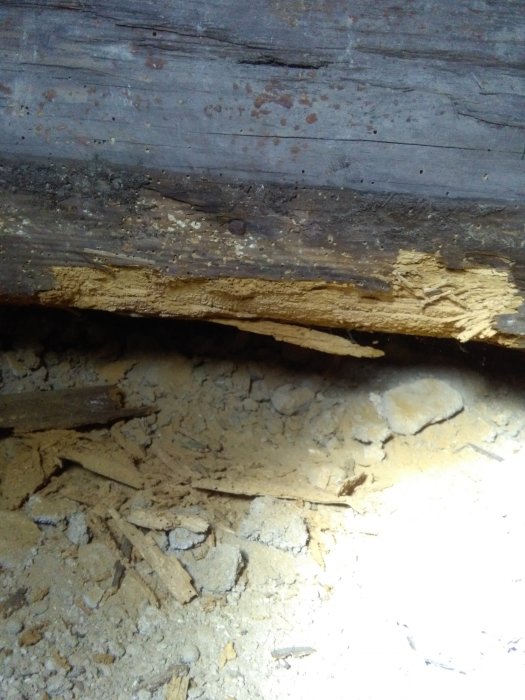
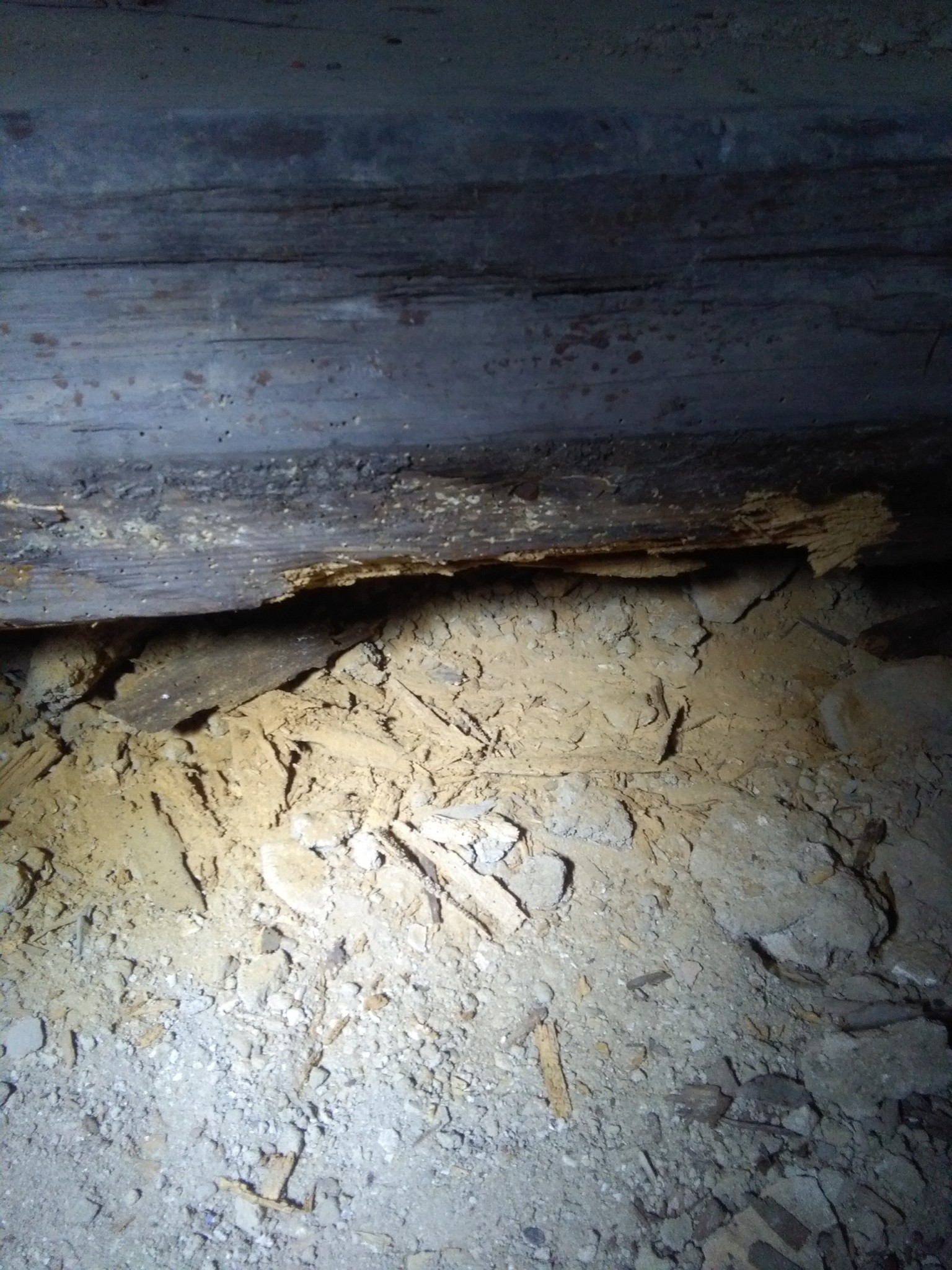
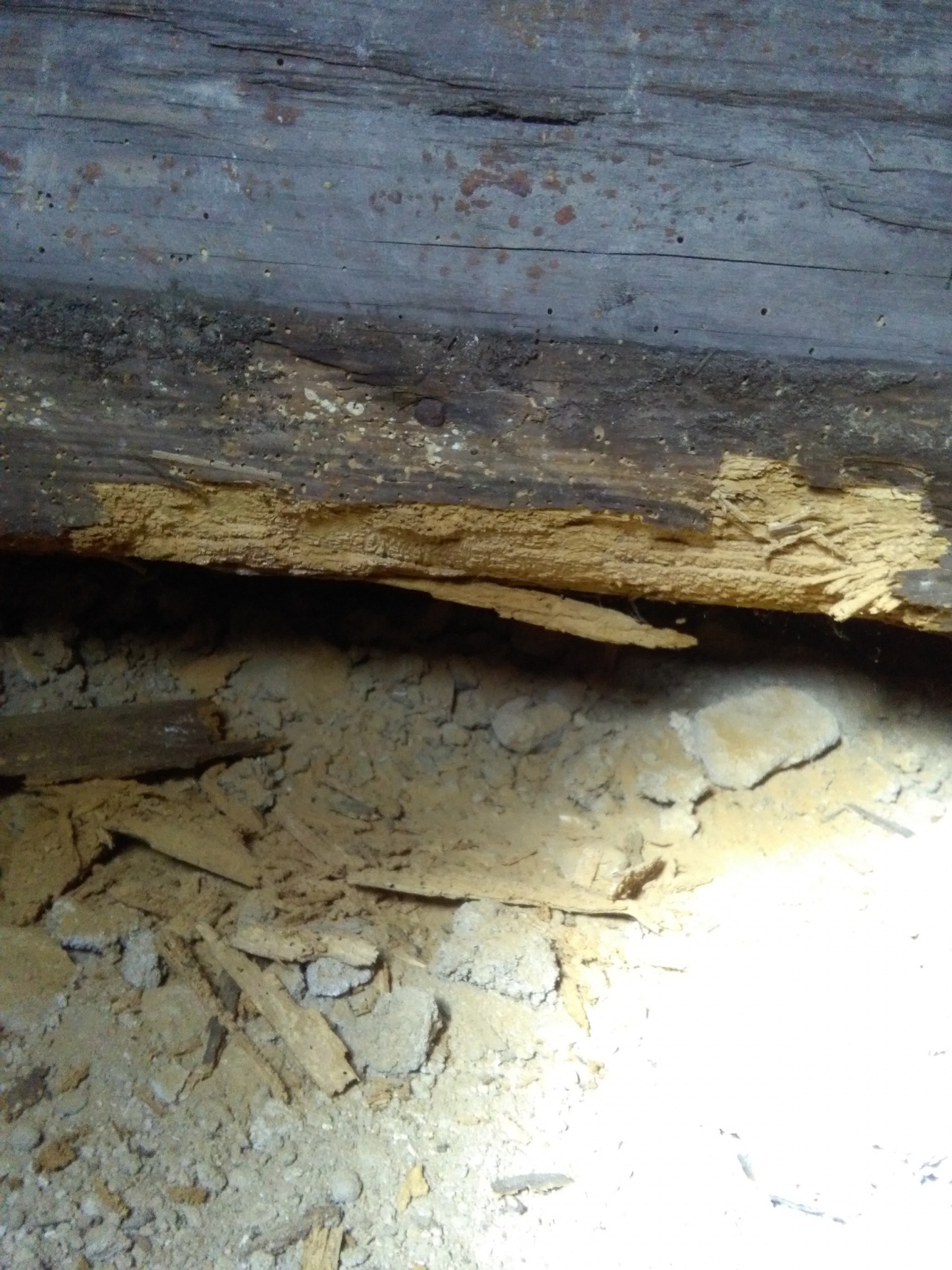
In the bedroom, I discovered that these old beams, 200x200mm, were brittle at the bottom edge, about 50mm up into the beam.
They crumble quite easily when you tap them with a hammer there.
There have likely been elevated moisture levels in the beams for some time, I measured them to be between 13-17% at present.
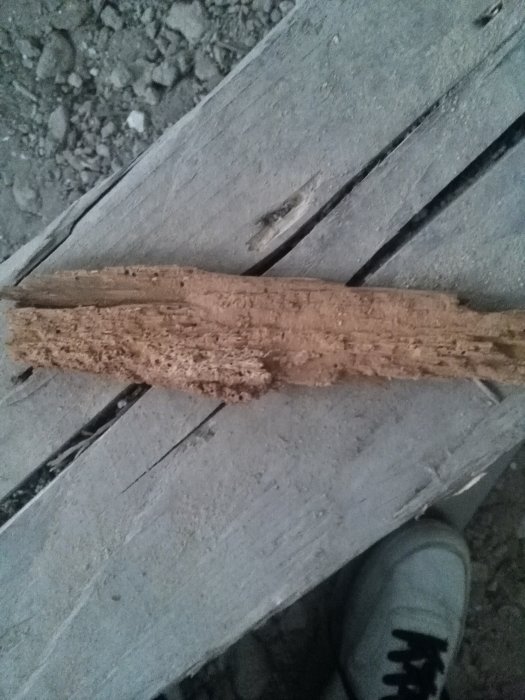
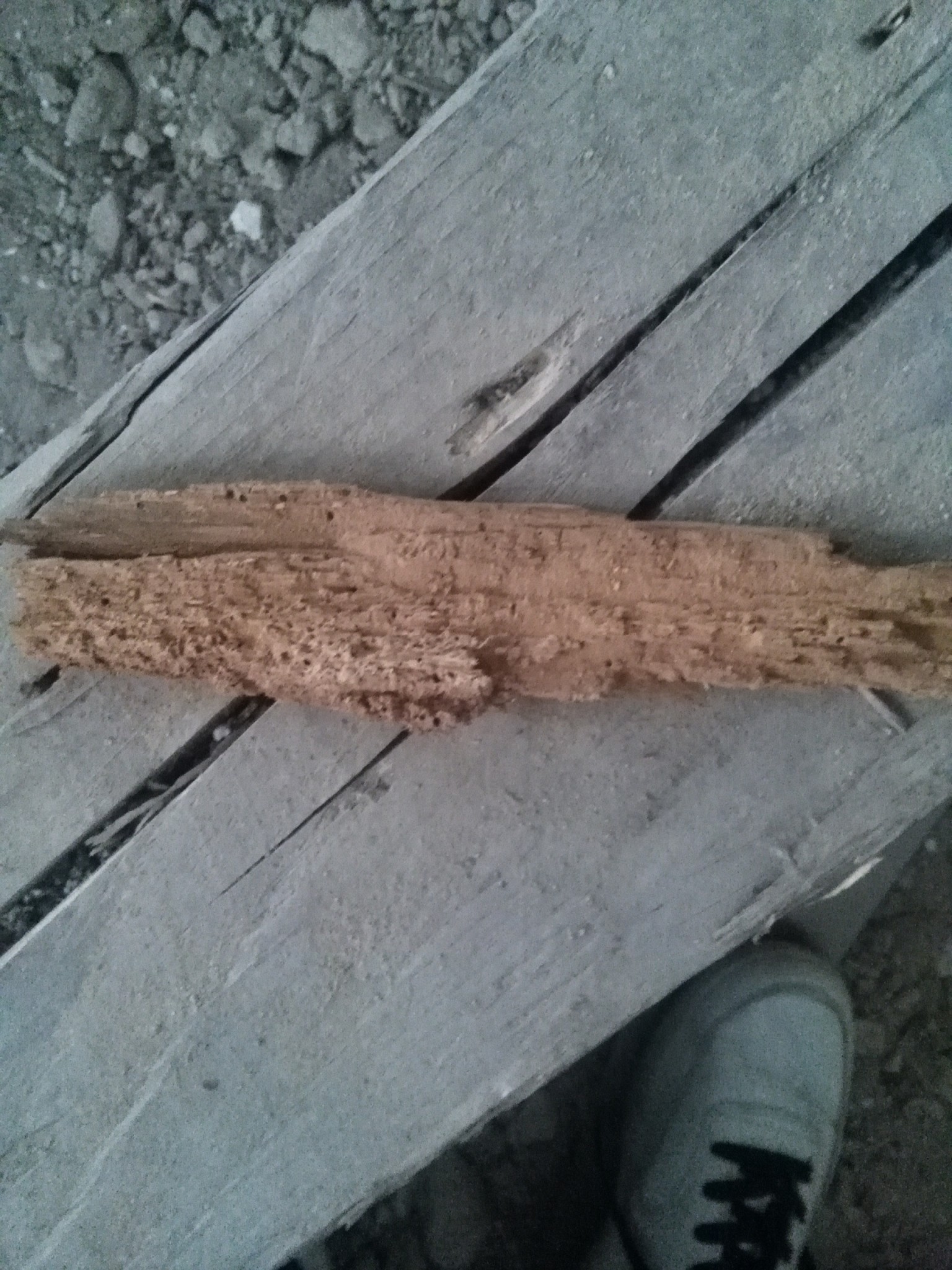
My question is; is this just rotten wood, decay, or is it some fungus or pest?
The beams are infested with insects that feed on wood, contact the insurance company, pest control is very likely needed.
Unfortunate but not uncommon at all.
Kind regards, P-A
Hello and welcome to the forum, just saw that you're new.
The beams, the problem with them can feel troublesome, I have been in that situation myself but with a 1600s farmhouse, not fun, it messes up the schedule, but once you're back on track these small troubles are quickly forgotten.
One more thing, the reason why the small animals like to munch on wood in your case is that they are lying against the ground and have found a favorable environment to reproduce in.
When you install new joists, you should have ventilation under the new ones, preferably combined with some moisture barrier.
They thrive, as previously mentioned, in damp wood and attack the outer parts of wood/beams, the core is usually too hard to chew through.
Had problems with these before in my barn and asked the Anticimex guy who inspected the house about it, but he said that if you lower the moisture content/keep the space heated/increase ventilation, they will not thrive.
Good luck, that still looks like a reasonably small infestation!
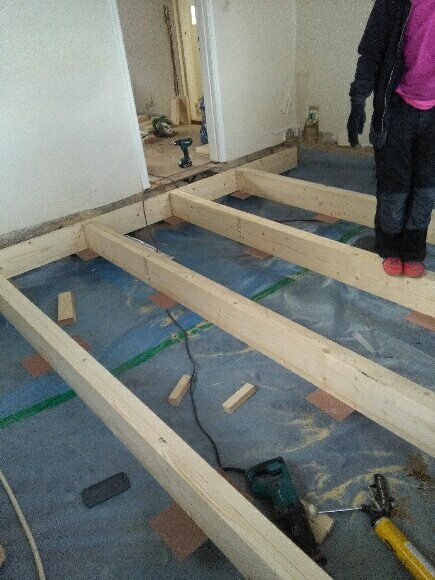
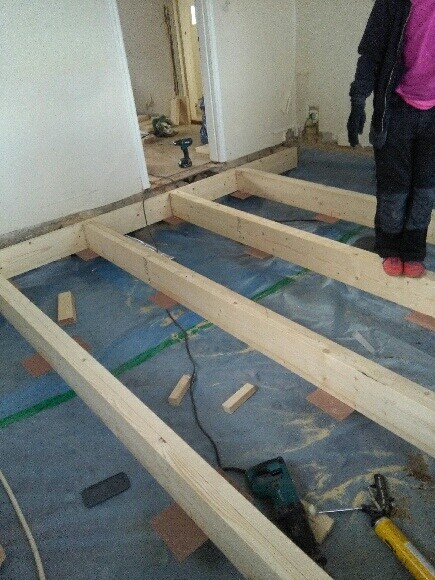
I have actually torn out the old beams and set up a new floor structure! They were really rotten at the ends, so it was probably just as well to get rid of them!
I wonder why you have put plastic on the ground under the beams. With that solution, warm and humid air from the room will condense on the top side of the plastic unless you also put plastic on top of the beams. Most moisture that damages building constructions comes from the inside.
Partly because I am installing a sorption dehumidifier in the crawl space, and to prevent ground moisture from rising upwards. Without the plastic, I will dehumidify the ground, and it will be uneconomical.
In the flooring, I have placed 50mm of foam on the bottom of the "blocks" of the subfloor panel and then 145mm of mineral wool, so I believe the heat leakage downwards will be minimal.
Condensation should, in that case, occur on the foam, where the heat meets the cold, but with 200mm insulation in the floor, do you think there will be a significant amount of condensation?
I agree with the idea of using a dehumidifier, but not the notion that ground moisture rises upwards. Moisture exists in three different states: solid form - ice, liquid - water, and gas form - water vapor. The moisture present in the ground is in liquid form. For it to rise upwards, it can either occur through capillary action or by converting to water vapor. The latter requires a heat input that is not present.
The risk of condensation under the floor actually increases with the thickness of the insulation because the space then becomes colder. The indoor air that has penetrated through the floor insulation loses its ability to hold water vapor when the temperature drops. However, it's a good idea to place Styrofoam at the bottom since it is a vapor barrier. It will stop most of the water vapor. I believe your flooring solution will work.
Click here to reply
Vi vill skicka notiser för ämnen du bevakar och händelser som berör dig.