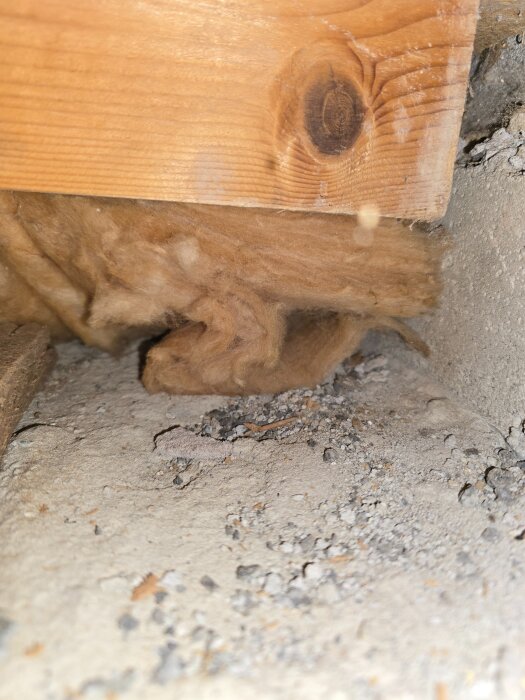
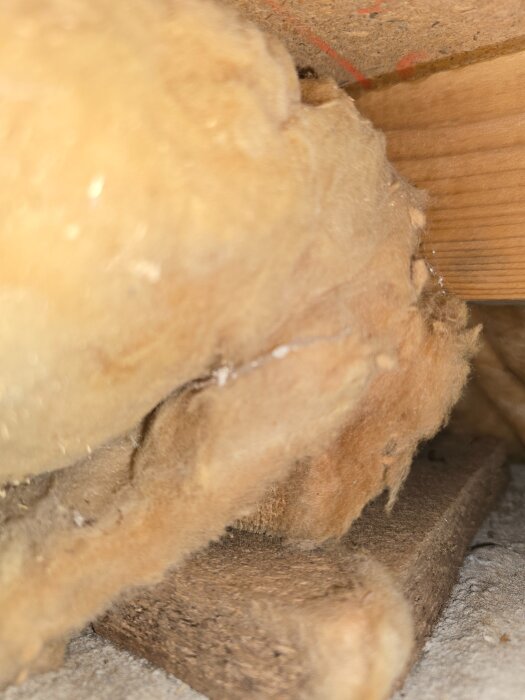
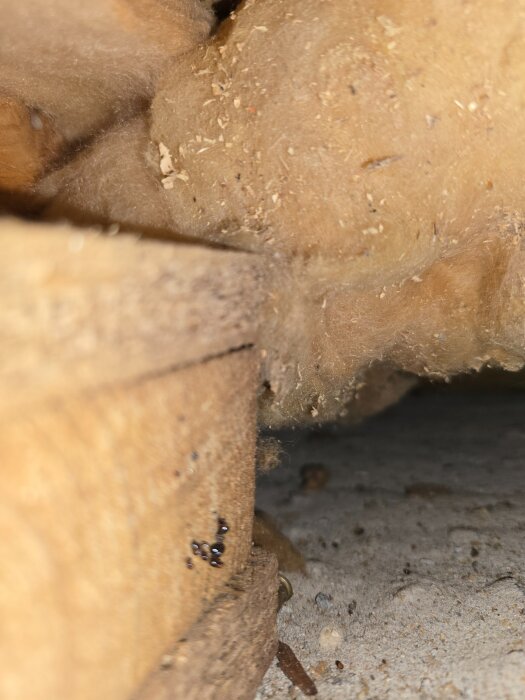
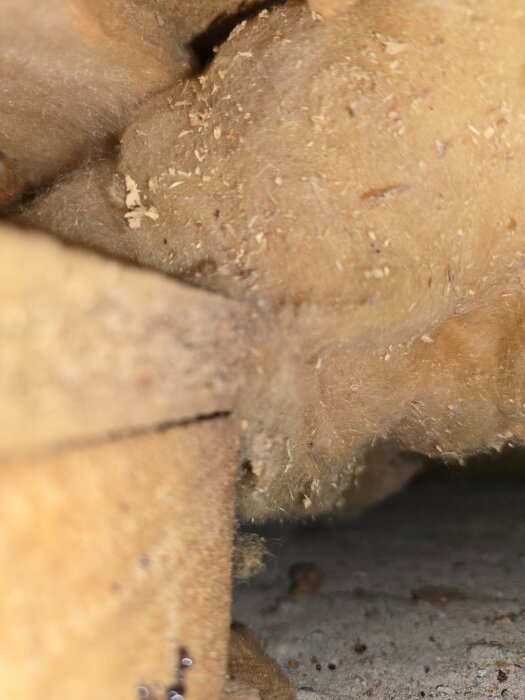
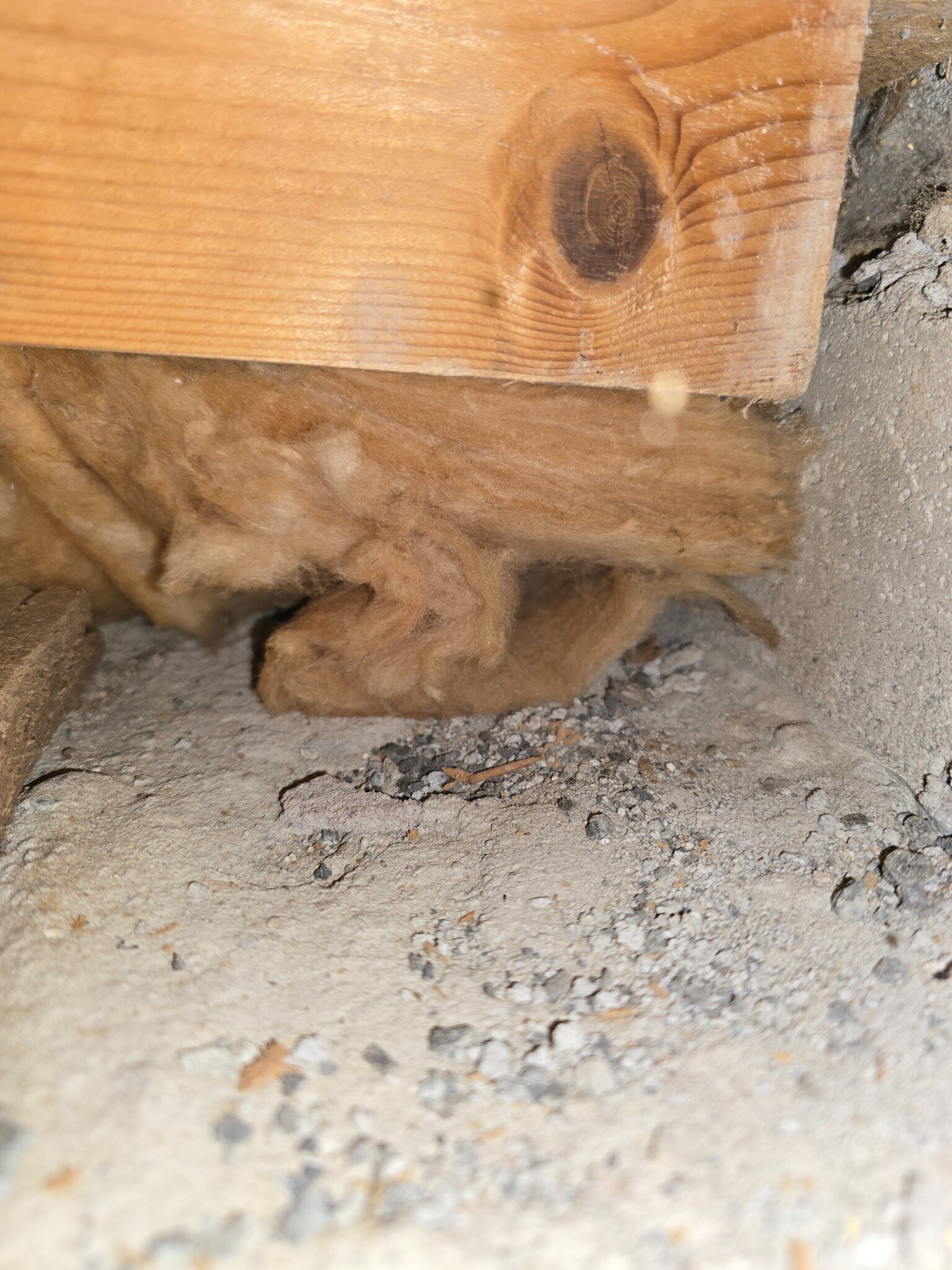
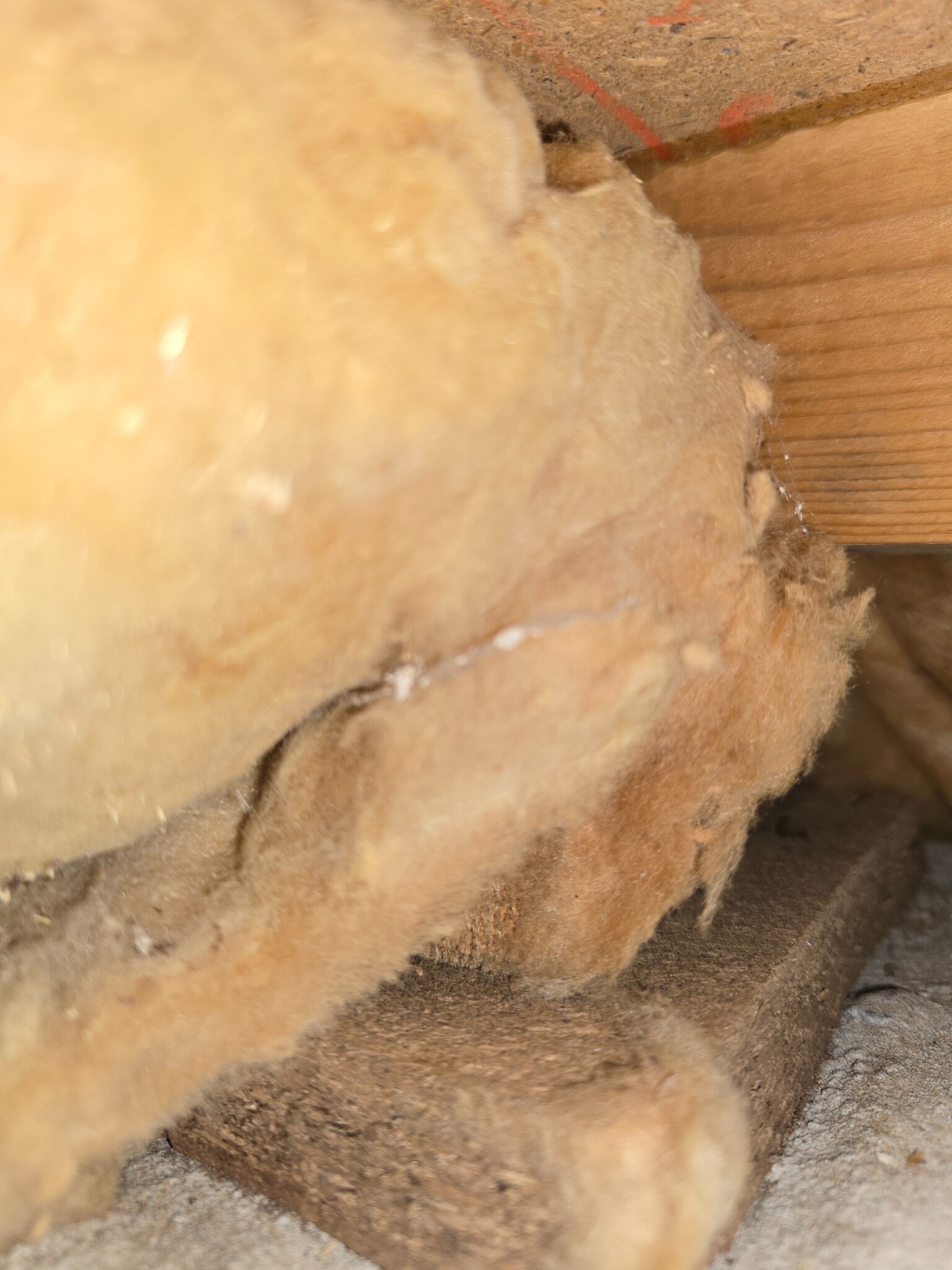
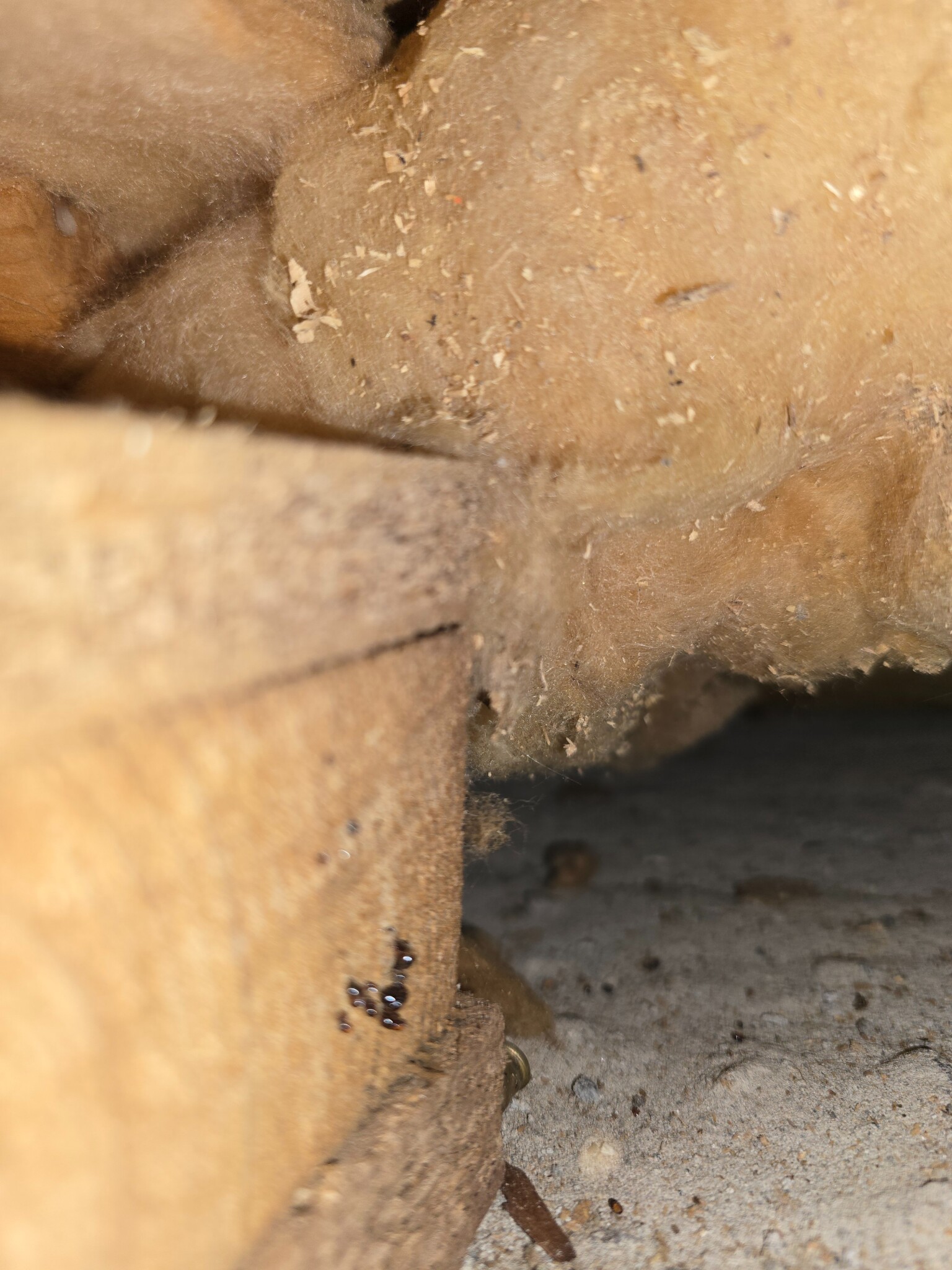
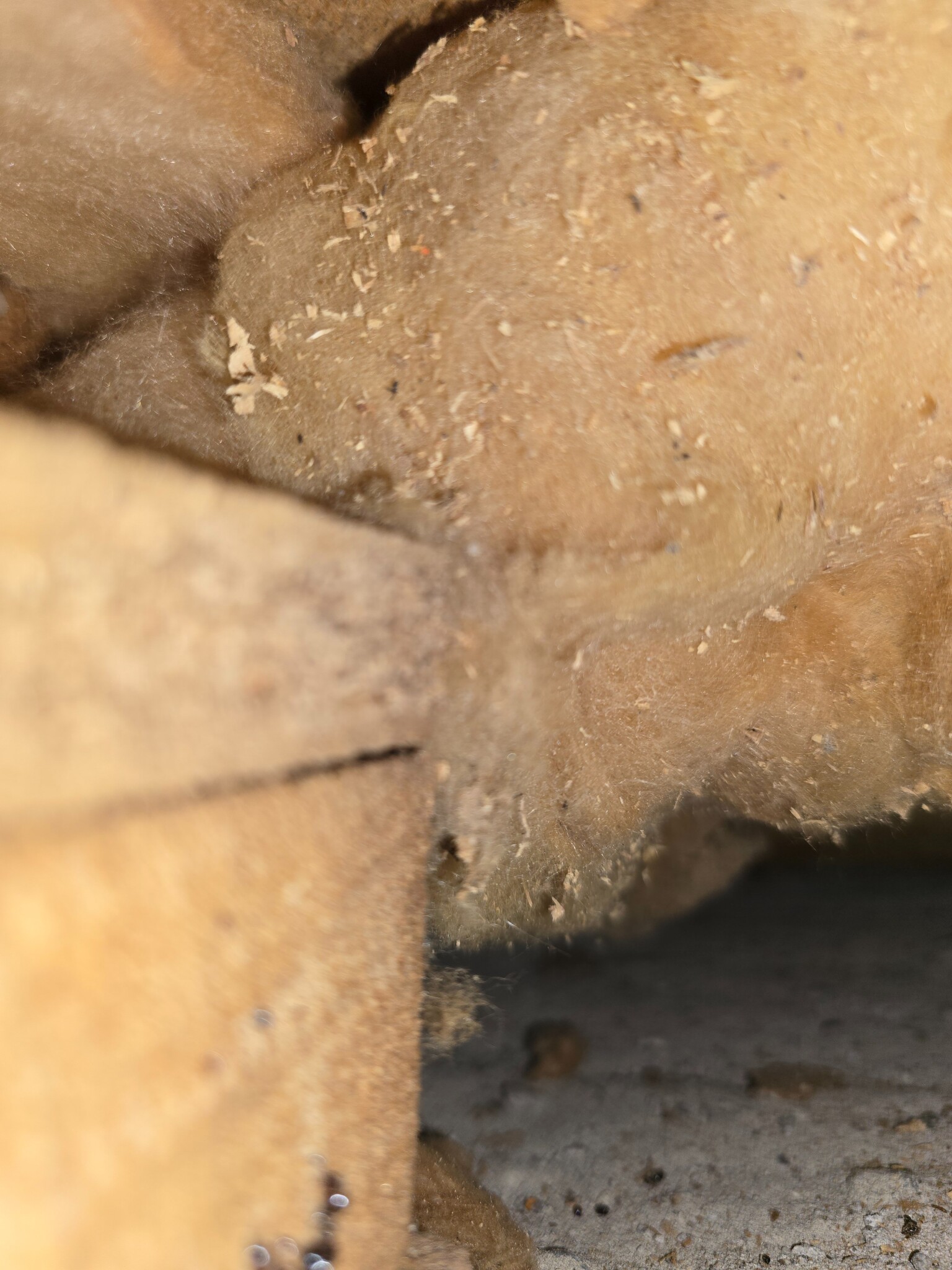
Smells of mold from the basement floor spreading throughout the house. Took a photo in the hole to see how bad it is but can't see anything. Possibly at the top right on the 1st photo, between the beam and outer wall? The chipboards are lying directly on the concrete slab and look damp. Could it be that?
I expected enormous amounts of mold.
There is a mold smell coming from the basement floor that spreads throughout the house. Took a photo in the hole to see how bad it is but I can't see anything. Possibly at the top right of the 1st photo, between the beam and the outer wall? The chipboards are lying directly on the concrete slab and look damp. Could that be it?
I had expected vast amounts of mold. [image][image][image][image]
That looks relatively dry and nice to me.
Chipboards that are damp can definitely mold and smell strongly and are definitely not suitable as a direct underlay on concrete like that. But it suffices if it's in one spot to produce a rather large odor, so unfortunately, you'll probably have to tear it out to see the extent.
Stick an arm with pliers and pinch off a piece that is against the concrete, put it in a plastic bag. Go outside for fifteen minutes and then smell the bag.
Joking aside, sometimes the smell can come from outside. We can get such a smell when it has rained, and the wind is coming from a certain direction. Not mold in the house, just an earthy smell from outside.
IInsidersUnited said:
Stick in an arm with tongs and pinch off a piece that is touching the concrete, put it in a plastic bag. Go outside for fifteen minutes and then smell in the bag.
A tip I got from an inspector was to moisten the sample a little, then microwave it for about 10 seconds, and then smell it.
I have a house from the 60s where I was worried about mold problems. There was a strong smell that easily stuck to clothes. When I changed all the surface layers, it turned out that the cardboard panels in the ceiling had absorbed smoke from the fireplace for 60 years. New ceiling, and all the smell was gone. My point is that it doesn't always have to be mold.
I had a couple left in the garage (dry) that were previously shelves in a damp storage room.
They really stink several years later. They look completely undamaged but the smell remains.
So it's enough that they have been affected by moisture, even after they dry out, they smell for a long time.
Chipboards directly on concrete floors are likely the culprit. A raised floor directly on a concrete slab is a risky construction, it's only a matter of time before it goes bad. Tear it up and do it right, ventilated floor or break up the mess.
Right now is the driest period, so the fact that it's dry and fine now is perhaps not surprising. There may very well be problems with moisture and mold growth that occur during late summer/autumn that still smell.
Once it's set in the boards, I don't think airing it out will solve it within a couple of decades when it's against the concrete.
Chipboards that are moist can definitely mold and smell significantly and are definitely not suitable as an underlay directly on concrete in that way. But it only takes one spot for a strong smell to develop, so unfortunately, you might have to tear it out to see the extent.
Do you think you need to tear out all the floors, applicable to 3 rooms about 50 sqm that are constructed in this way? There is a super expensive parquet on 27 sqm, but it's probably not reusable in other rooms after lying like that for 50 years?
Stick in an arm with pliers and pinch off a piece that lies against the concrete, put it in a plastic bag. Go outdoors for fifteen minutes and then smell the bag.
Smart! Will ask my husband because I probably don't dare myself 😅
Joking aside, sometimes the smell can come from outside. We can get such a smell when it rains, and the wind is coming from a certain direction. Not mold in the house, just an earthy scent from outside.
A tip I got from an inspector was to dampen the sample a bit, and then put it in the microwave for about 10 seconds, and then smell it.
It smells a lot from the hole in the floor, and when we taped all the gaps around it, it got better. Saw my husband missed the fact that there were ventilated moldings, so I taped those as well while I was at it, and the smell is a little better now. 👍
I have a house from the 60s where I was worried about mold problems. There was a strong smell that easily clung to clothes. When I replaced all the surfaces, it turned out that the paperboards in the ceiling had absorbed smoke from the fireplace for 60 years. A new ceiling and all the smell was gone. My point is that it doesn't always have to be mold.
Oh no, glad you got that sorted.
The smell is very characteristic of mold. Met someone who changed the windows in the house many years ago and said it smelled like mold even then. Additionally, the smell comes from the floor and gaps there.
Do you think you need to tear up all the floors, applies to 3 rooms of about 50 sqm that are built up this way? There is very expensive parquet on 27 sqm but it probably can't be reused in other rooms after lying like that for 50 years?
It can surely be sealed and fixed, but eventually the material will give way or smells will come up anyway.
I would have at least started to plan a renovation, comparing different solutions. It's a risk construction, the inspection report from when you bought it should have clearly shown that.
The simplest is to install a ventilated floor, like Nivell or something else. The best, especially if you have low ceilings, which is often the case in basements, is to chisel up and cast a new slab with correct insulation and a capillary-breaking layer underneath. But a significantly larger and messier job.
Had a couple left in the garage (dry) that were previously shelves in a damp storage room.
They really stink several years later. They look completely undamaged but the smell remains.
So it's enough that they have been moisture-affected, even after they dry up, they smell for a long time.
Do they smell like mold then? I guess they can mold inside considering it's chipboard and not solid wood. Didn't notice any smell when we looked at the house in the summer, but it appeared when we took over in October. Spoke with someone who replaced windows in the house about 15 years ago and he already smelled mold then. No drainage done since the house was built in 1976, so it probably absorbed moisture and dried many times.
Chipboard directly against concrete floor is probably the culprit. Raised floor directly on concrete slab is a risky construction, a matter of time before it gets bad. Tear it up and do it right, ventilated floor or break up the mess.
Yes, we are planning to tear it out at the end of January. It will stand to dry for a month and then tiles and re-drain around the house by summer.
Why break it up? Isn't it enough to remove all the material on top of the concrete slab and lay tiles?
Vi vill skicka notiser för ämnen du bevakar och händelser som berör dig.


Back83 said:
There is a mold smell coming from the basement floor that spreads throughout the house. Took a photo in the hole to see how bad it is but I can't see anything. Possibly at the top right of the 1st photo, between the beam and the outer wall? The chipboards are lying directly on the concrete slab and look damp. Could that be it?
GregerRil said: