6,743 views ·
28 replies
7k views
28 replies
Vapor barrier in the ceiling
Hello,
I am renovating the roof on two bedrooms in my house built in '77. There is no vapor barrier today. Do I need a vapor barrier?
How should a vapor barrier be installed between the beams and the new gypsum ceiling? The insulation between the ceiling and the attic is mineral wool.
I am also going to install new gypsum boards on existing walls. Do I need a vapor barrier in between?
The attic is not insulated today.
I am renovating the roof on two bedrooms in my house built in '77. There is no vapor barrier today. Do I need a vapor barrier?
How should a vapor barrier be installed between the beams and the new gypsum ceiling? The insulation between the ceiling and the attic is mineral wool.
I am also going to install new gypsum boards on existing walls. Do I need a vapor barrier in between?
The attic is not insulated today.
Last edited:
Sorry, but I'm not quite following.O okaenrique said:Hi,
I'm renovating the roof of two bedrooms in my house built in 77. There is no vapor barrier today, do you need a vapor barrier?
How should you place a vapor barrier between the studs and new gypsum ceiling? The insulation between the ceiling and the attic is rock wool.
I will also put new plasterboards on the existing wall, do I need a vapor barrier in between?
The attic is not insulated today.
You write that there is insulation, then you write that it is not insulated?
Did I understand correctly that you are going to renovate two bedrooms under this rock wool insulation, but the attic is unfinished?
How thick is the layer of insulation today?
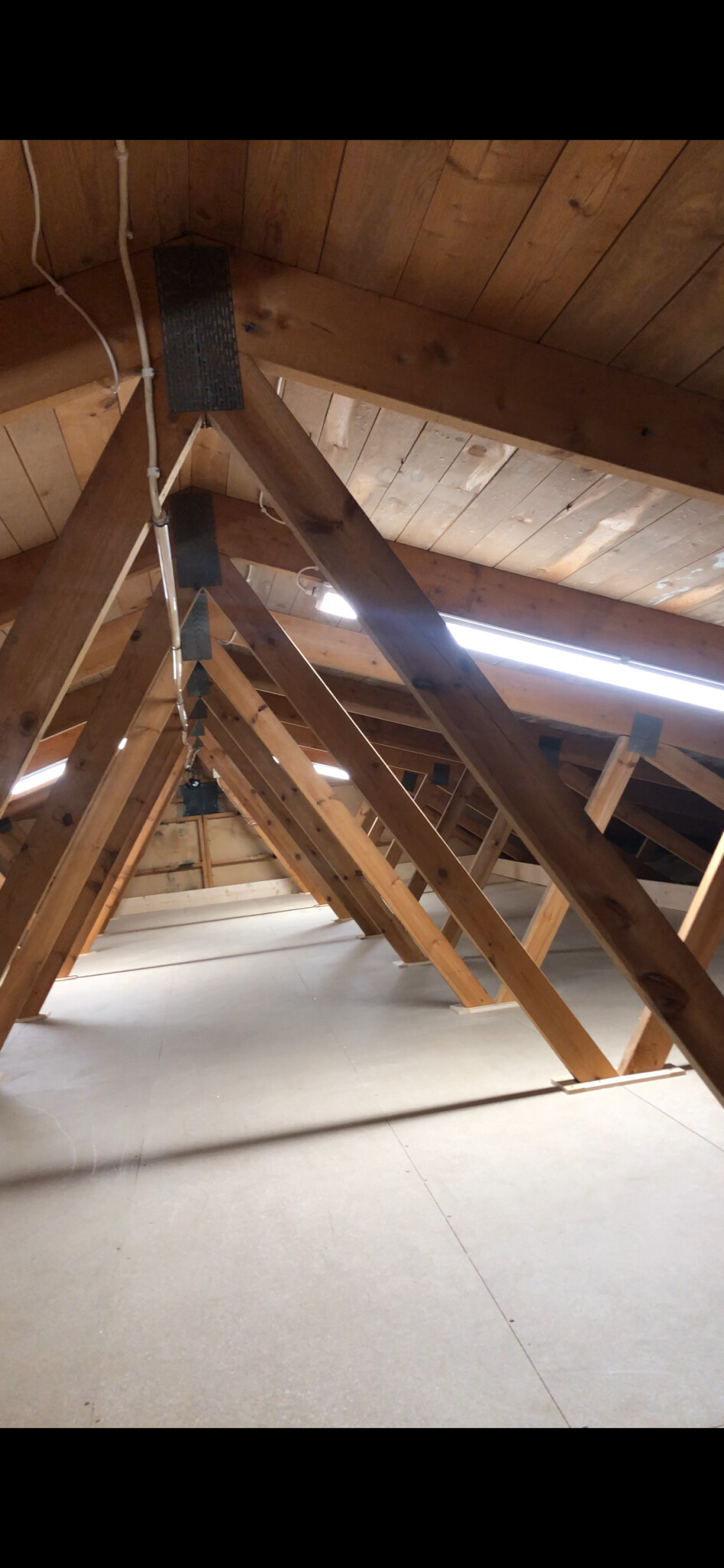
That's right, the attic is unfinished (attaching a picture).T Tompafix said:
20 cm
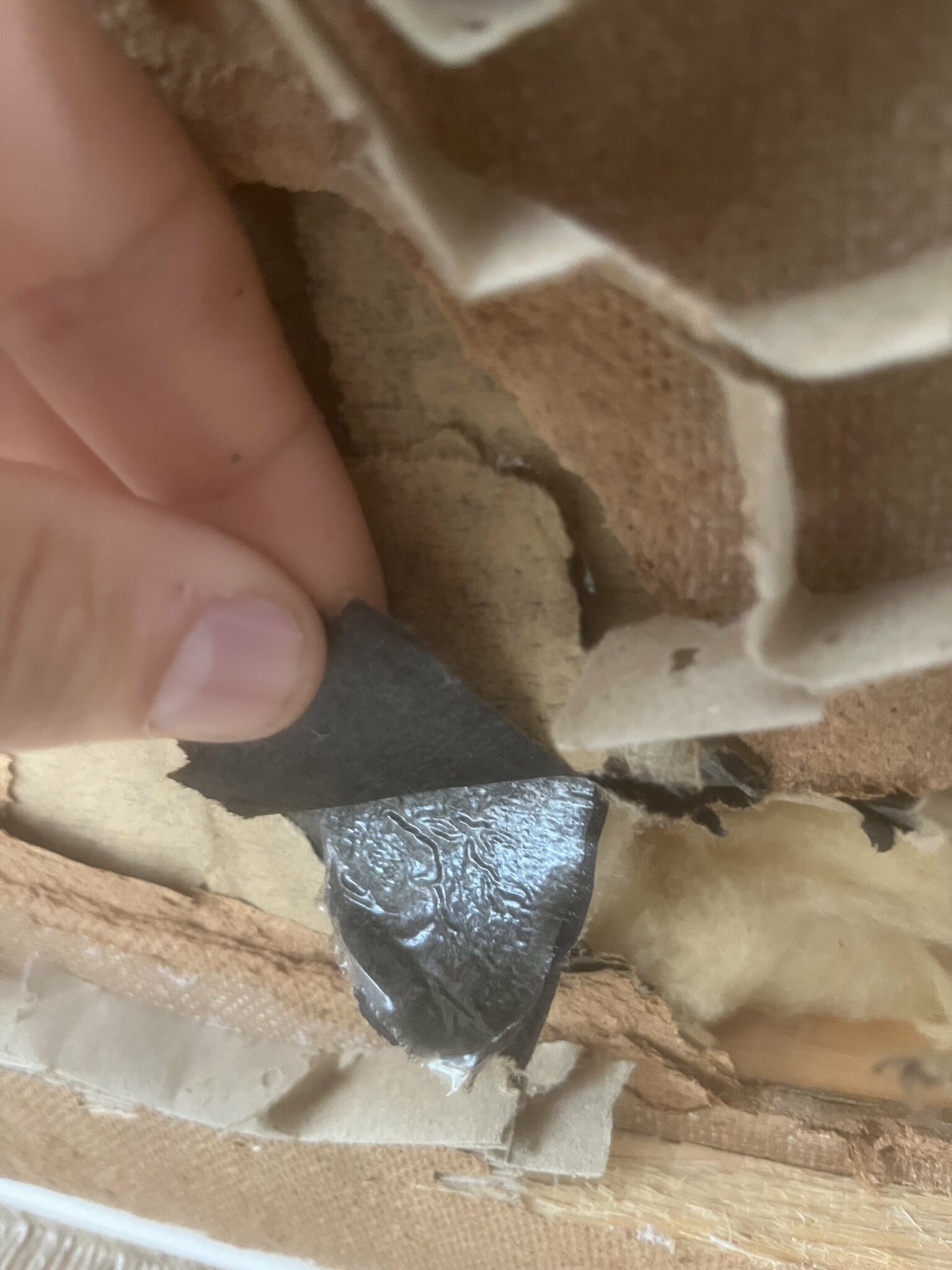
There is some type of plastic today between the insulation and the interior ceiling, I don't know if it is a type of vapor barrier (attaching a picture).
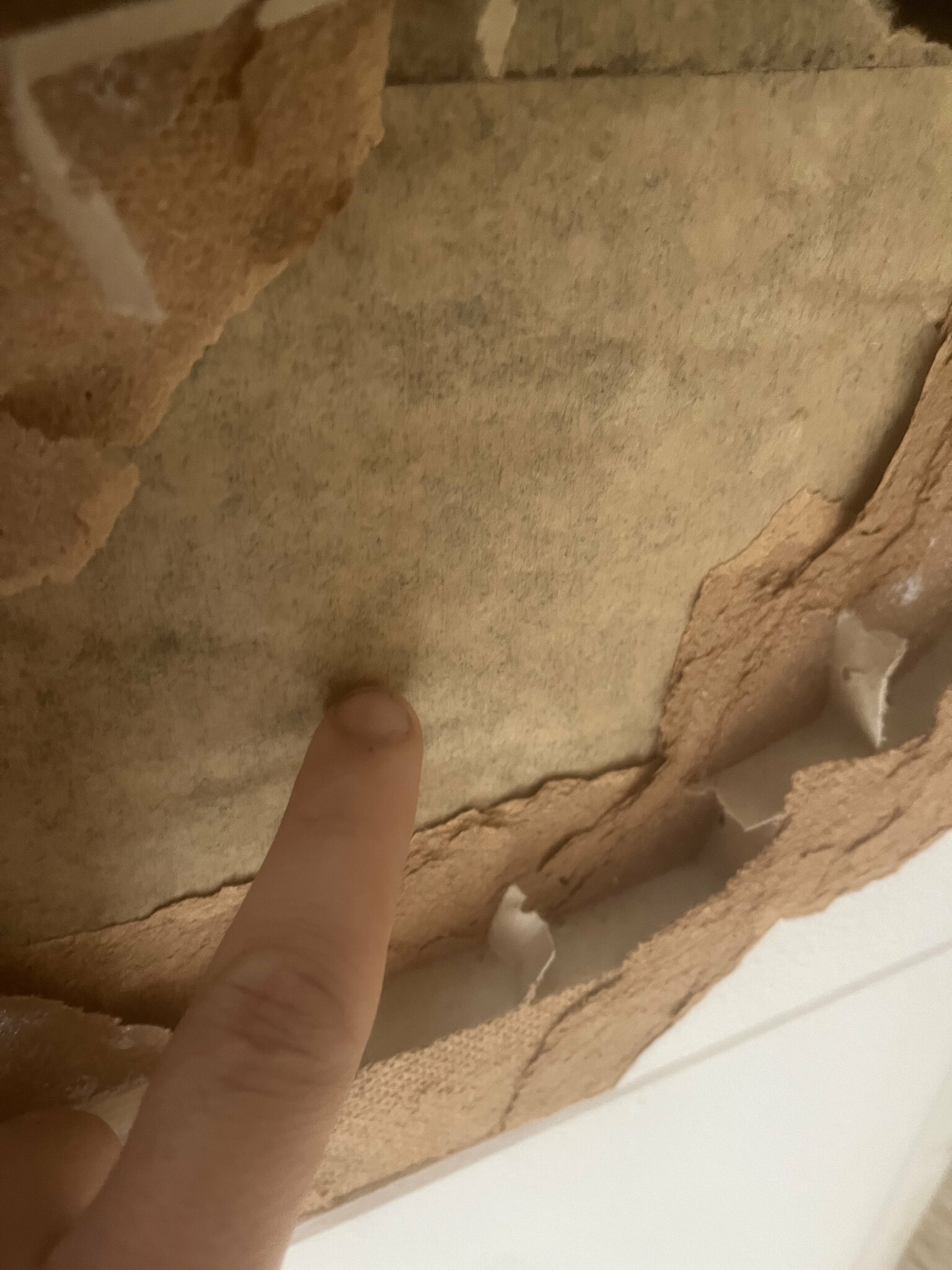
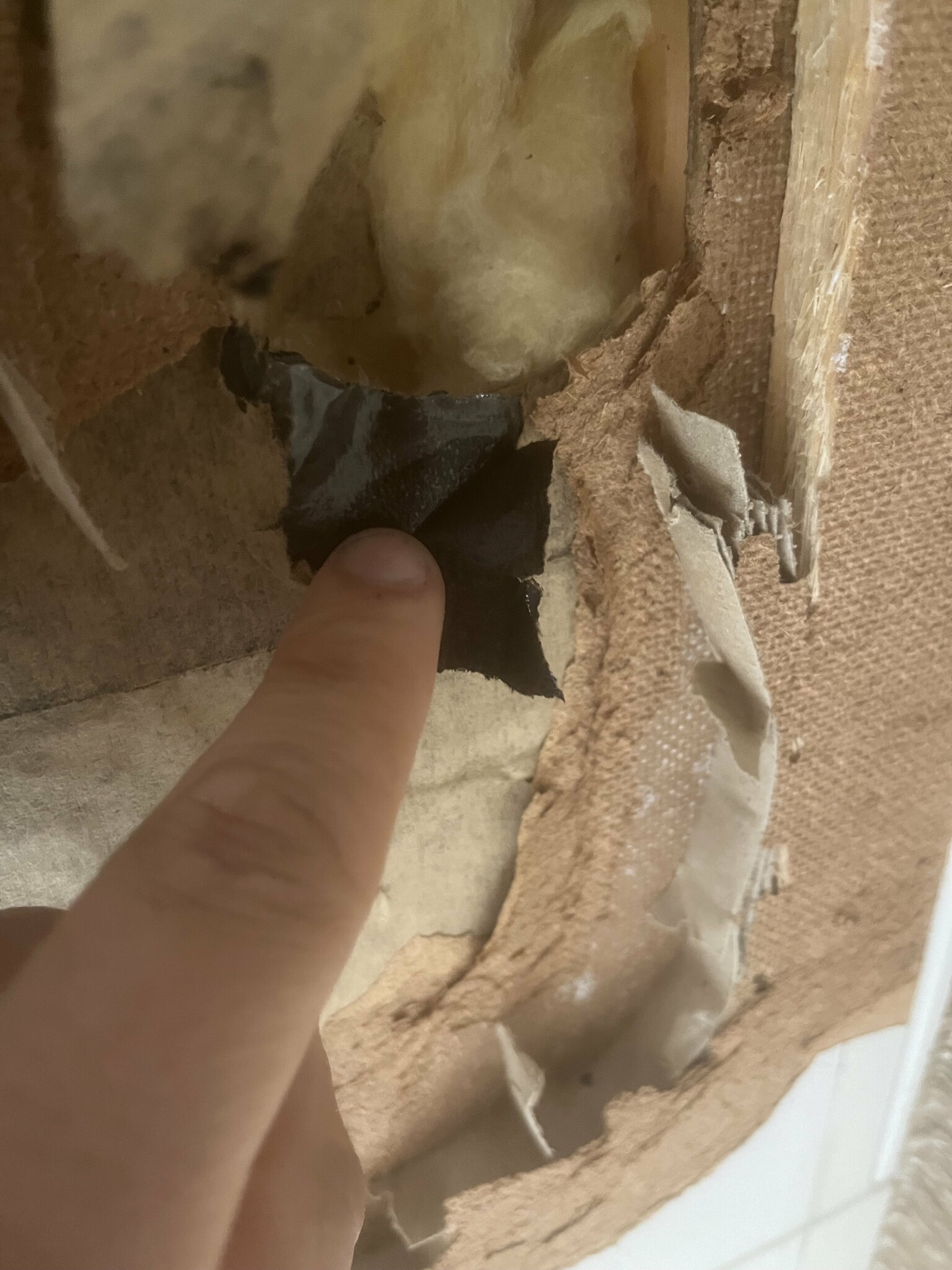
If there is plastic between the interior ceiling and the insulation, it is most likely the vapor barrier. But with 20cm of insulation, it doesn't make a huge difference, as the dew point is usually outside of this.O okaenrique said:
Of course, the vapor barrier matters. It prevents moist air from inside from getting into the insulation.T Tompafix said:


It depends on the temperature outside/inside.T Tompafix said:
Say it's 15 degrees outside and 20 inside. Then there's only a 5-degree difference and the condensation is guaranteed to end up inside the insulation.
Regardless, the vapor barrier plays an important role in preventing humid air from inside the house from reaching the insulation.
Is the one in the picture a vapor barrier?Nissens said:
It depends on what the temperature is outside/inside.
Let's say it's 15 degrees outside and 20 inside. Then there's only a 5 degree difference and the condensation ends up inside the insulation for sure.
Regardless, the vapor barrier has an important role in preventing moist air from inside the house from getting into the insulation.