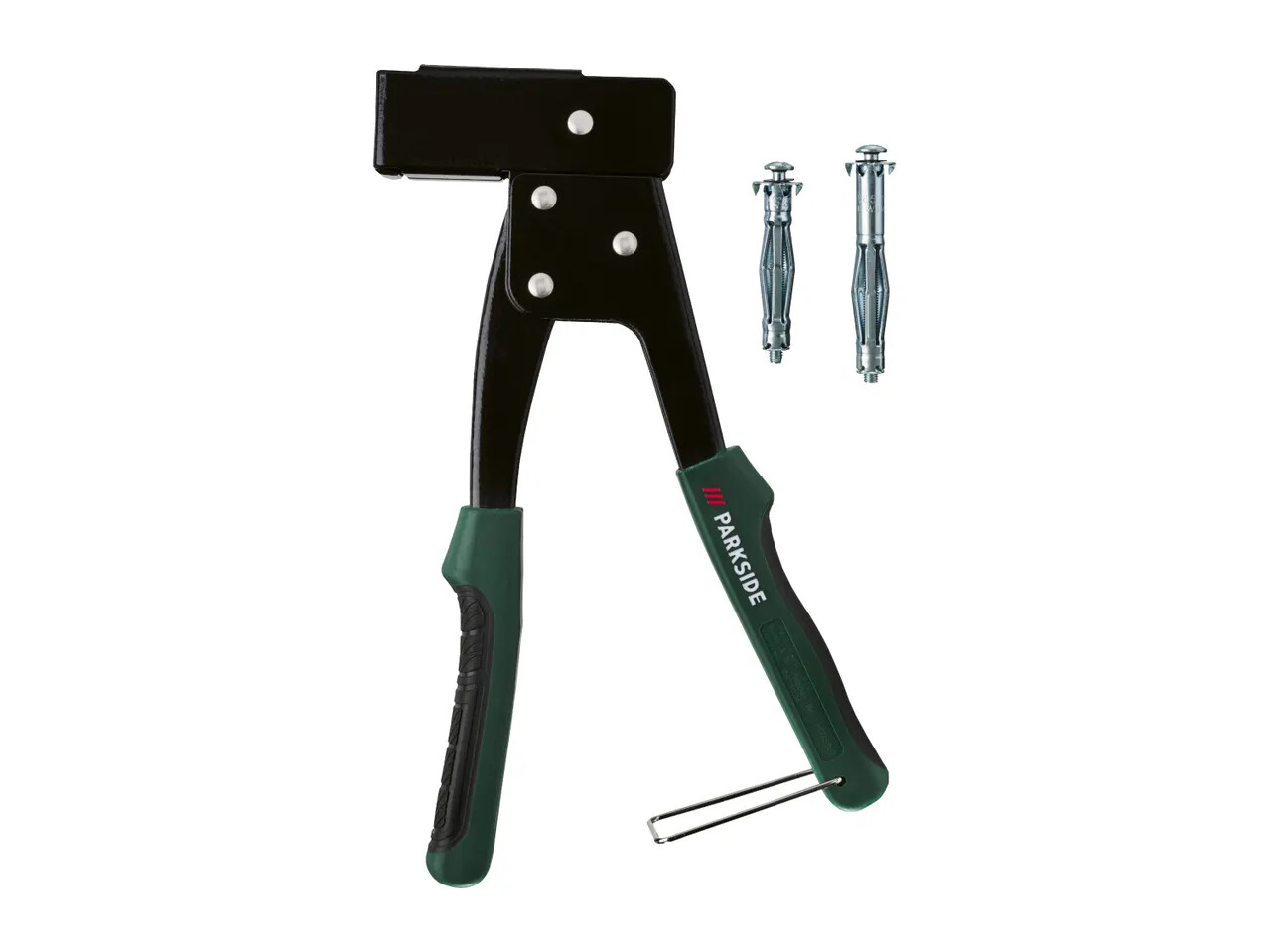
Vi har nyligen flyttat in i en lägenhet och jag är rätt ovan vid att få fast saker i gipsväggar. Vi lyckades få upp en hylla/skåp igår med en expanderplugg (som jag åtminstone hoppas sitter säkert och gjort som det ska). Den väggen hade bara gipsskivan och sedan ett tomrum.
Idag försökte jag få upp två ytterligare skåp, bara för att inse att väggen är annorlunda efter att ha borrat 4st 10Ø hål. Den är gips, tomt, gips, tomt, spånskiva (ungefär 55mm innan spånskivan nås, vet ej hur tjock). Gissar åtminstone på spånskiva från det jag ser genom hålet. Detta gör att expanderpluggen inte går att använda och jag vet inte riktigt hur jag tar mig vidare härifrån.
Skåpen har beslag i form av metallskivor och det är alltså dessa som ska skruvas fast på väggen, för att sedan få skåpen hängda på sig.
Är det enkelgips eller dubbelgips(två gipsplattor)?
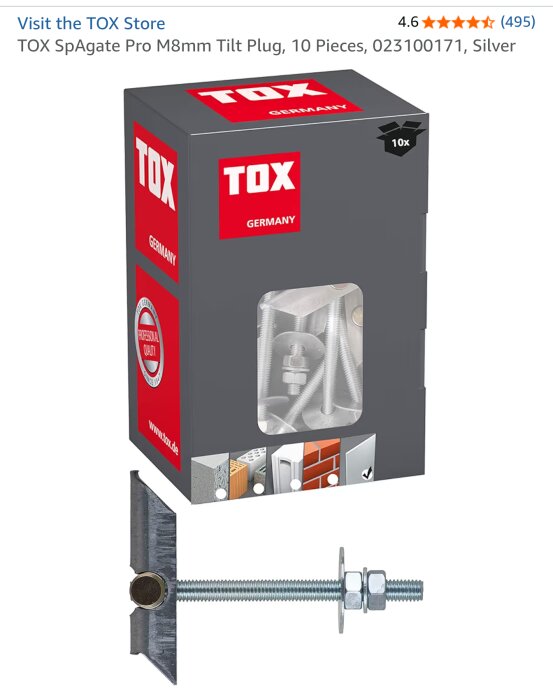
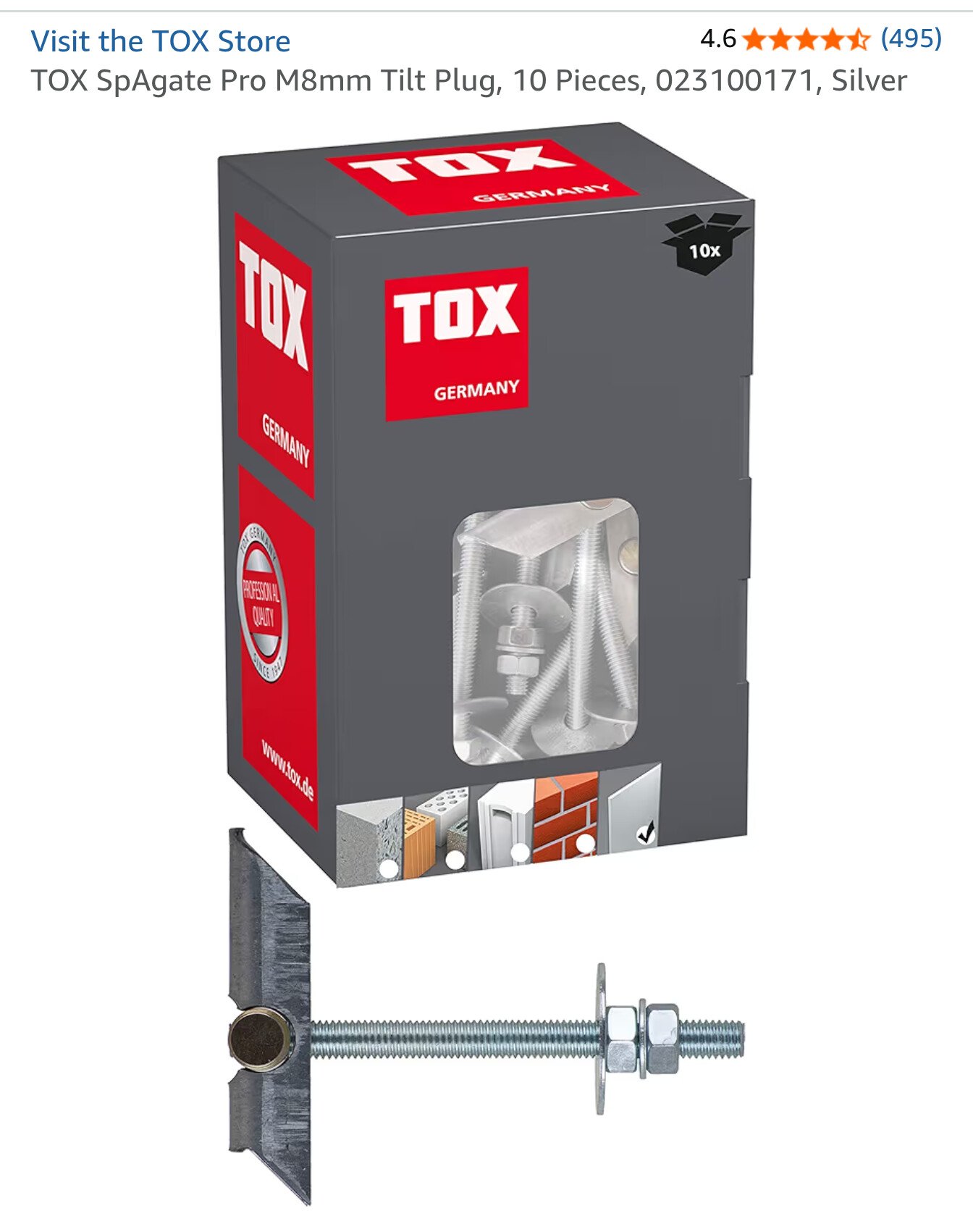
Om du ska hänga skåp i enkelgips kan du använda typen vippankare eller de heter olika.
Denna typ, finns även av plast. Men med dessa kommer väggen med med skåpet. Det håller.
För sånt som inte är skåp utan typ tavlor etc så kommer en vanlig "rödplugg" och hål med 5,5mm borr räcka gott och väl....
Det du beskriver gips+ spån tomrum gips spån.
Låter som en mellanvägg.
Det borde inte vara något problem alls att fästa med expander tomrummet är fullgott.
Men som sagt ta reda på om det är enkelt gips eller dubbelgips.
Nej, alltså det är gips, tomt, gips, tomt, spån. Tomrummet är inte tillräckligt stort och när jag försökte använda tången klickade det, men den expanderade inte. Antar det är enkelt, eftersom det endast är en som borrades genom först?
AA-Man_08 said:
Det du beskriver gips+ spån tomrum gips spån.
Låter som en mellanvägg.
Det borde inte vara något problem alls att fästa med expander tomrummet är fullgott.
Men som sagt ta reda på om det är enkelt gips eller dubbelgips.
Är det enkelgips eller dubbelgips(två gipsplattor)?
Om du ska hänga skåp i enkelgips kan du använda typen vippankare eller de heter olika.
Denna typ, finns även av plast. Men med dessa kommer väggen med med skåpet. Det håller.
[image]
För sånt som inte är skåp utan typ tavlor etc så kommer en vanlig "rödplugg" och hål med 5,5mm borr räcka gott och väl....
Uppskattar tillägget för tavlar och sådant! Varit osäker på vad som gäller där. Särskilt efter hyresvärden nu inte rekommenderade sådant som expanderar (osäker på hur man då ska kunna få fast tunga speglar, skåp, etc., menmen).
Jag antar enkelt? Eftersom det är en skiva borren gick genom innan tomrummet, sen nästa skiva, tomt och sen slutligen spånskivan (som jag då inte borrat). Ska kolla upp det du föreslog!
Nej, alltså det är gips, tomt, gips, tomt, spån. Tomrummet är inte tillräckligt stort och när jag försökte använda tången klickade det, men den expanderade inte. Antar det är enkelt, eftersom det endast är en som borrades genom först?
Om det inte expanderar så låter det som du har fel expander för tjockleken på materialet.
Uppskattar tillägget för tavlar och sådant! Varit osäker på vad som gäller där. Särskilt efter hyresvärden nu inte rekommenderade sådant som expanderar (osäker på hur man då ska kunna få fast tunga speglar, skåp, etc., menmen).
Jag antar enkelt? Eftersom det är en skiva borren gick genom innan tomrummet, sen nästa skiva, tomt och sen slutligen spånskivan (som jag då inte borrat). Ska kolla upp det du föreslog!
Borra ett hål och forma ett gem som ett L det sticker du i hålet och sedan drar mot dick tills det tar stopp håll fingrarna mot väggen och lyft ut den.
Mät sedan avståndet mellan finger och krokens böj där har du tjockleken på skivorna innan tomrummet.
Borra ett hål och forma ett gem som ett L det sticker du i hålet och sedan drar mot dick tills det tar stopp håll fingrarna mot väggen och lyft ut den.
Mät sedan avståndet mellan finger och krokens böj där har du tjockleken på skivorna innan tomrummet.
Antar man kan säga någonting åt det hållet? Hallen/sovrummet finns "bakom"?
Det är rätt tång för endamålet.
Om du tittar på exeplen på expander på bild så ser du att den ena har en längre slät det är en troligvis för dubbelgis trippelsgips är inte så vanligt att det följer med.
Dom brukar även vara märkta 4E eller 4D 5E, 5D osv beroende på vad det är för diameter.
Om du har gips + skiva så måste du ha en för dubbel, men det kan också vara så att du behöver en ann typ av expander om skivan bakom gipsen är tjockare än avsedd längd.
Men har du träskiva bakom så kan du skruva direkt i den.
Men ena beskrvningen låter intekorrekt det brukar inte vara gips mot regel och träskiva mot rumsdelen.
utan gips, träskiva plåtregel.
Som sagt borra och se vad som kommer ut och mät hålet.
Det är rätt tång för endamålet.
Om du tittar på exeplen på expander på bild så ser du att den ena har en längre slät det är en troligvis för dubbelgis trippelsgips är inte så vanligt att det följer med.
Dom brukar även vara märkta 4E eller 4D 5E, 5D osv beroende på vad det är för diameter.
Om du har gips + skiva så måste du ha en för dubbel, men det kan också vara så att du behöver en ann typ av expander om skivan bakom gipsen är tjockare än avsedd längd.
Men har du träskiva bakom så kan du skruva direkt i den.
Men ena beskrvningen låter intekorrekt det brukar inte vara gips mot regel och träskiva mot rumsdelen.
utan gips, träskiva plåtregel.
Som sagt borra och se vad som kommer ut och mät hålet.
Skruvarna är M5, 10Ø x 54mm, andra är typ 62mm eller någonting. De kortare har redan används för hyllan som redan kommit upp på den andra väggen som endast hade gips och tomrum.
Det är som sagt bara som jag skriver: Gips (som verkar vara 1.5cm tjock), sen ett tomrum på 2cm, sen gips igen (som förmodligen också är 1.5cm), sen tomrum igen, sen en spånskiva. Inte trä.

Farstatjej90 said:
Är det enkelgips eller dubbelgips(två gipsplattor)?