I have a small problem and need tips on solutions. Thanks in advance!
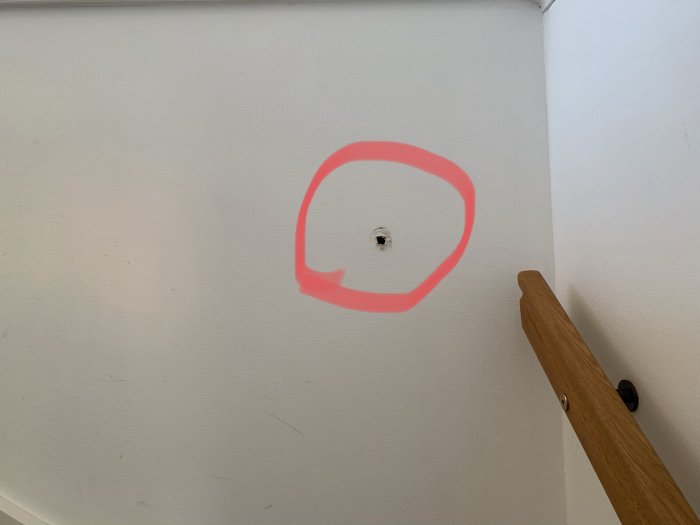
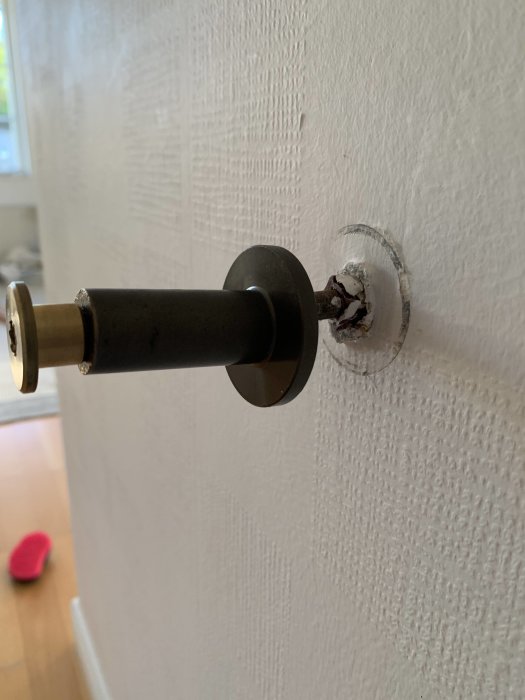
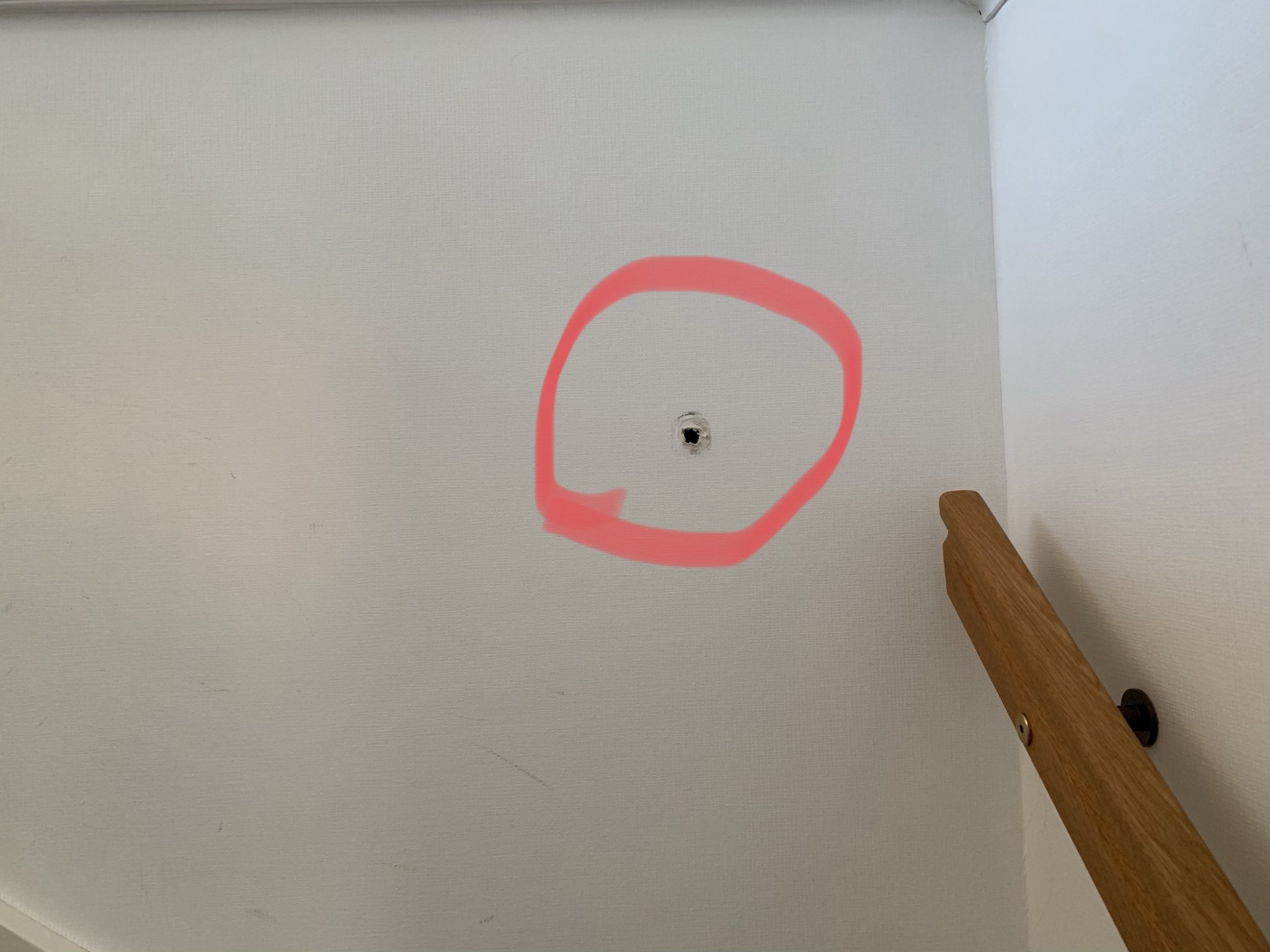
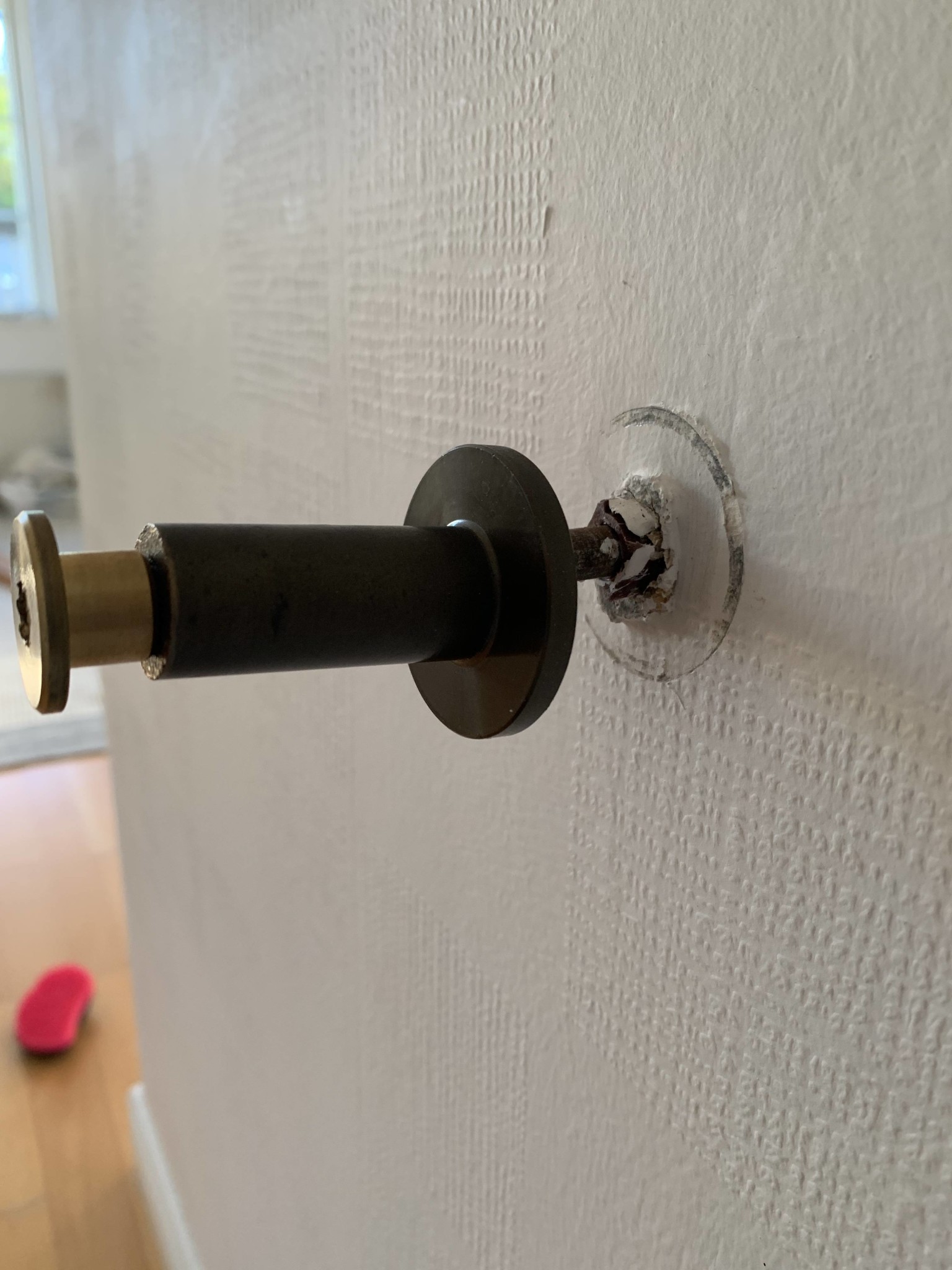
Here was one of three screws holding a handrail. There was a plug not intended for plasterboard but rather concrete. It appeared to have been glued at least once and has now given way, leaving a large hole about 18mm.
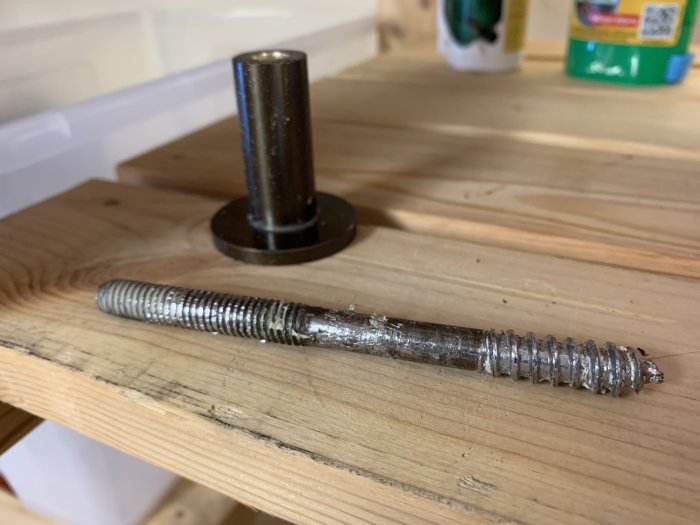
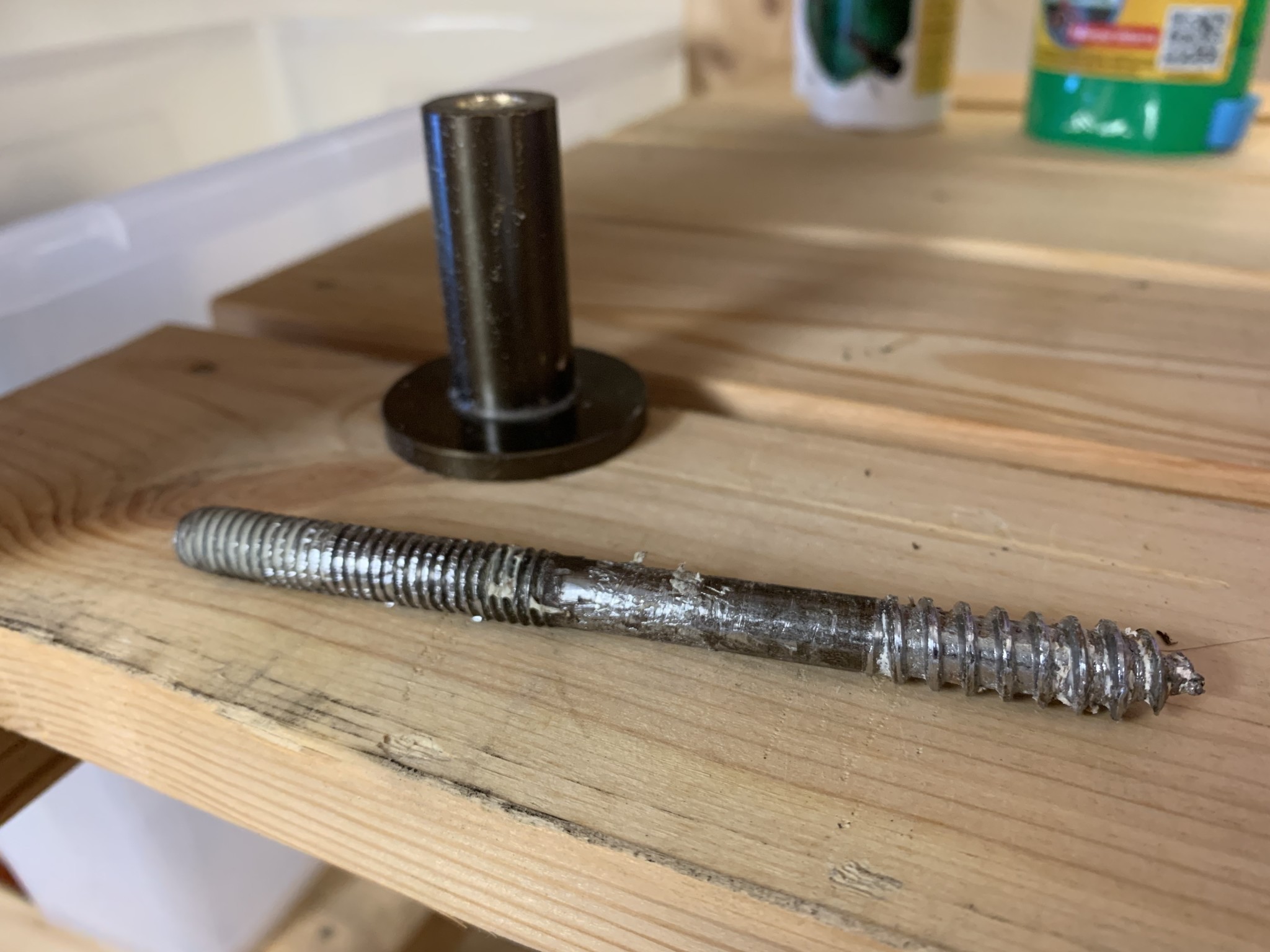
Here is the screw. 10mm in diameter.
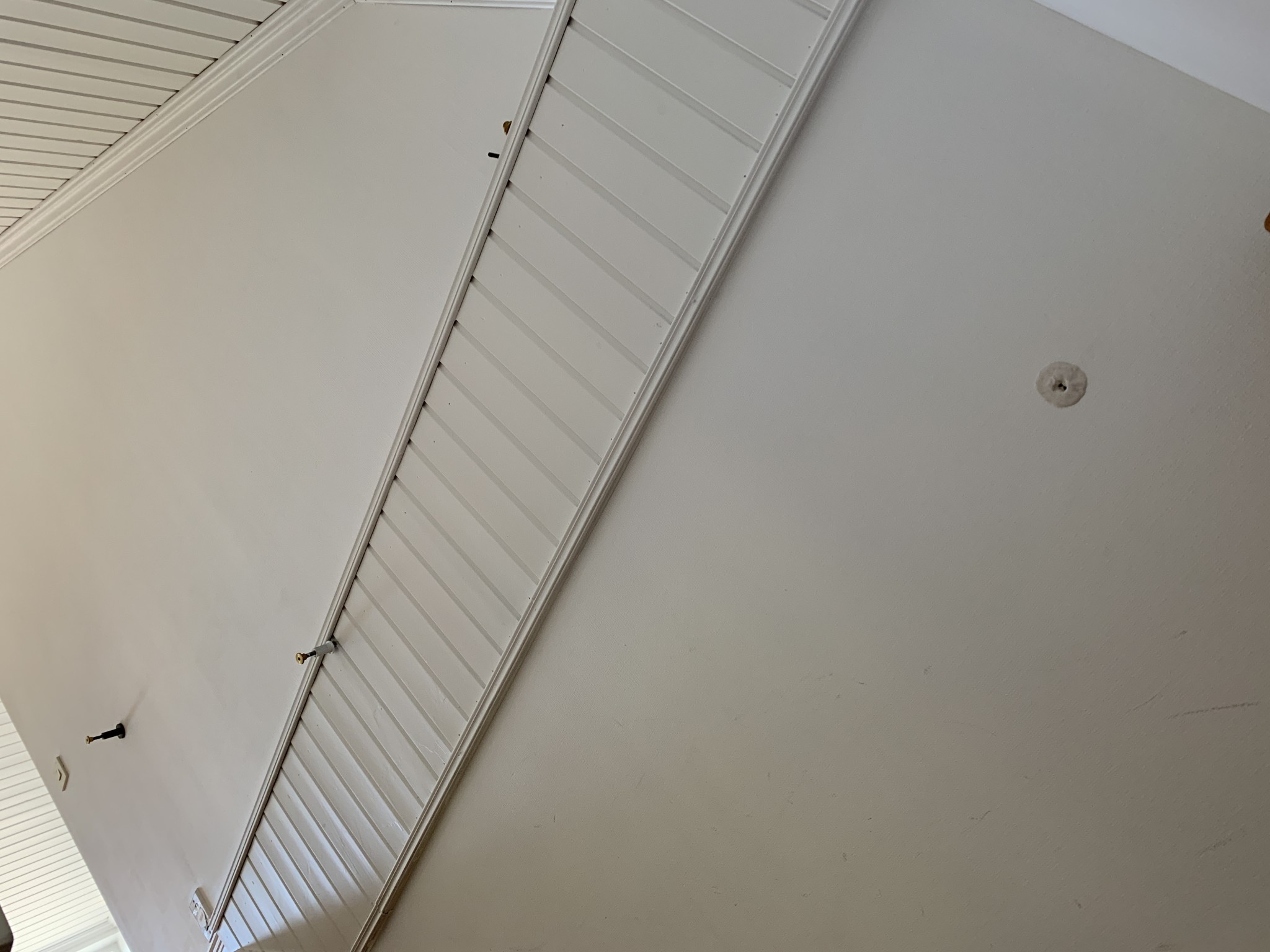
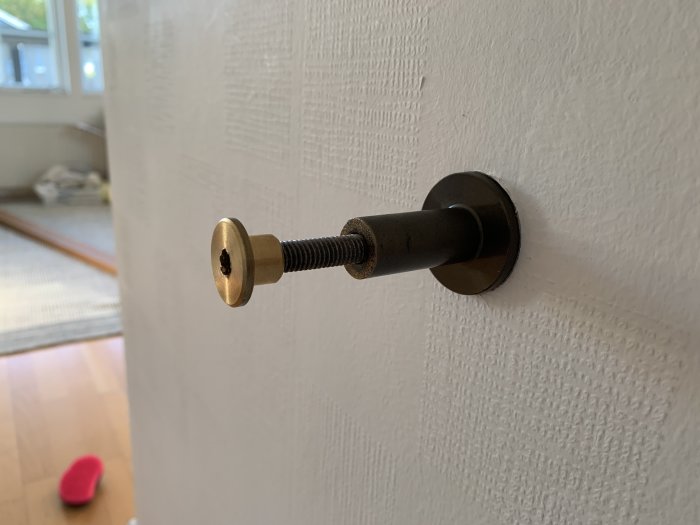
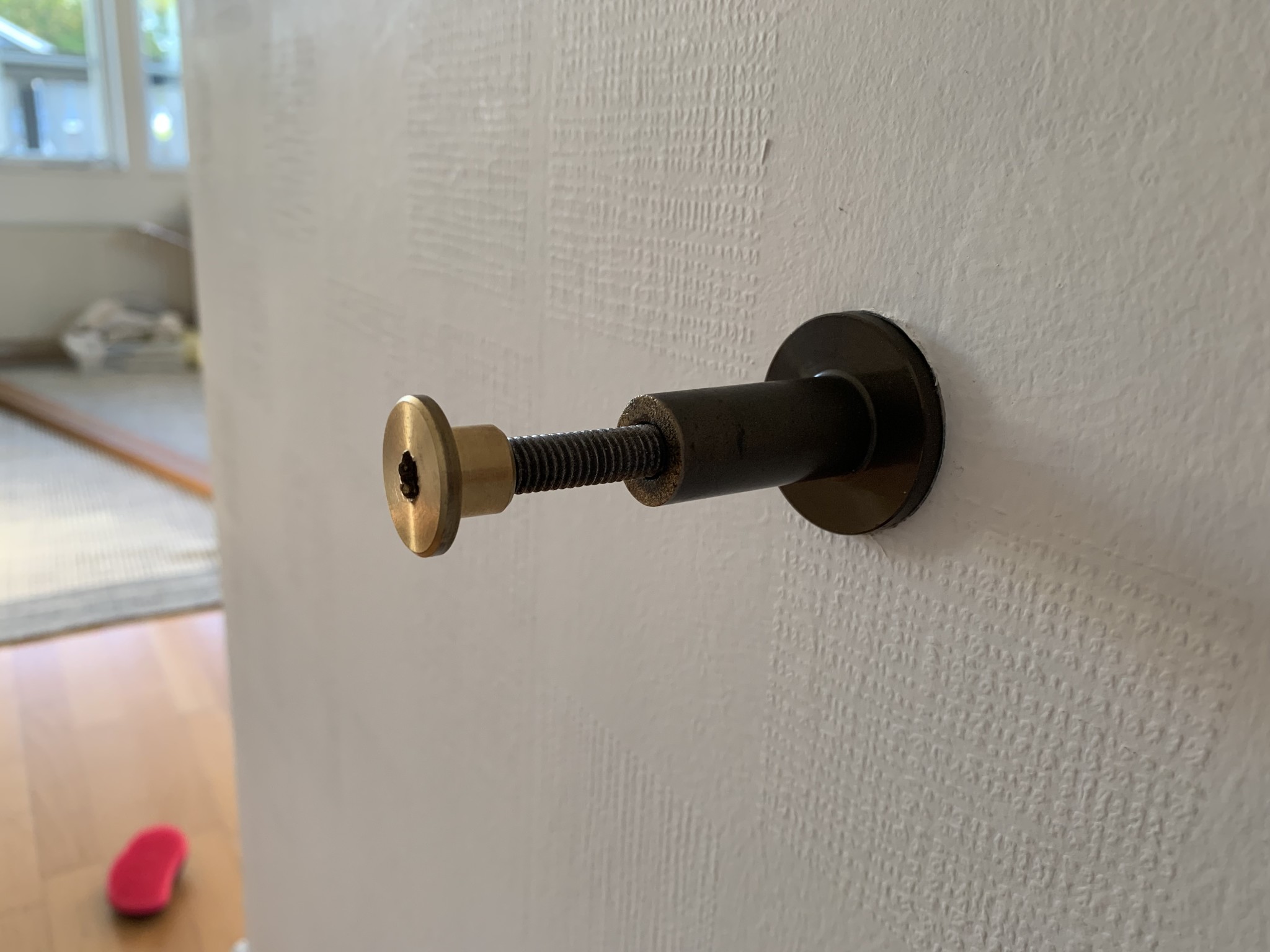
Example of another screw that is higher up. You can see the plug behind the "cap". At the moment, this one is holding firmly
The handrail.
I would prefer not to make new holes in either the wall or the handrail, but I might have to consider it if there are no other solutions.
So far, I have not found a larger universal plug than 12mm (at Bauhaus), which is too small to cover the hole. I assume there are larger ones available? At the same time, the plug must grip a 10mm screw.
Can the plasterboard be repaired and then used for new mounting, or is there too great a risk of it all coming loose again?
That type of handrail really shouldn't hang just in plasterboard. If it does, I would argue that it's incorrectly built. The brackets for the handrail should be attached to studs.
That type of handrail should definitely not hang only in plaster. If it does, I would claim that it is built incorrectly. The brackets for the handrail should be attached to the studs.
I understand that it's not very appealing to do the right thing, i.e. either locate the studs and attach the brackets there, or tear down the wall and ensure you have proper anchor points where the brackets should be, but that's pretty much the only thing I can recommend.
A quick-fix could be to glue plywood onto the drywall and screw into that. You'd have to use substantial pieces. Yes, it will be ugly.
First and foremost, it's probably best to clarify whether it's really just plaster where the attachment points are. Remove the plug and shine in with a light? It should become quite apparent soon if there's an open wall behind or if it's something other than just plaster.
Didn't work very well on plaster, and there's nothing behind it to anchor into. Now leaning towards plan B; buying a new handrail, drilling holes where the studs are, and installing it there.
The original poster should probably first clarify whether the anchor points are truly only in drywall. Remove the plug and shine a light inside? It should become clear quite soon if there's an open wall behind or if it's something other than just drywall.
The middle anchor point is in beadboard/wood paneling (unsure what it's called). It's very firmly set.
Looks like I'll need to get a new rod and find a stud this time.
As mentioned, you could also cut the plaster where the previous brace was and reinforce behind it. It will involve some spackling and painting work, but you can use the handrail you already have.
I would have tried with a molly plug, try to find one with the same dimension on the thread as the knob, then replace that screw with a piece of threaded rod.
Click here to reply
Vi vill skicka notiser för ämnen du bevakar och händelser som berör dig.






Peter2400 said: