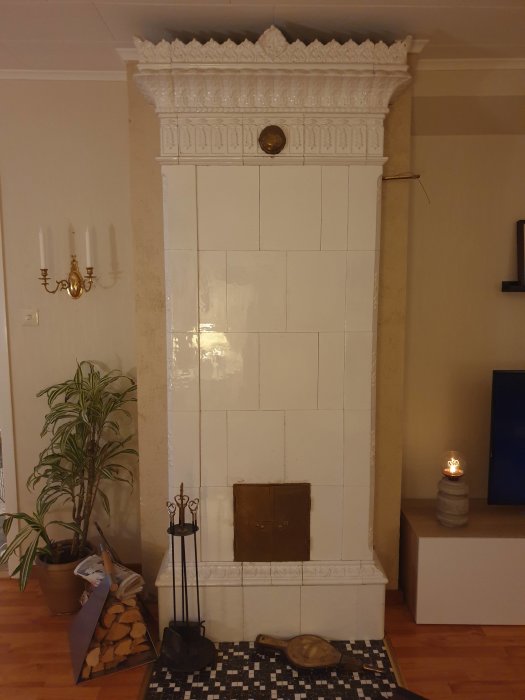
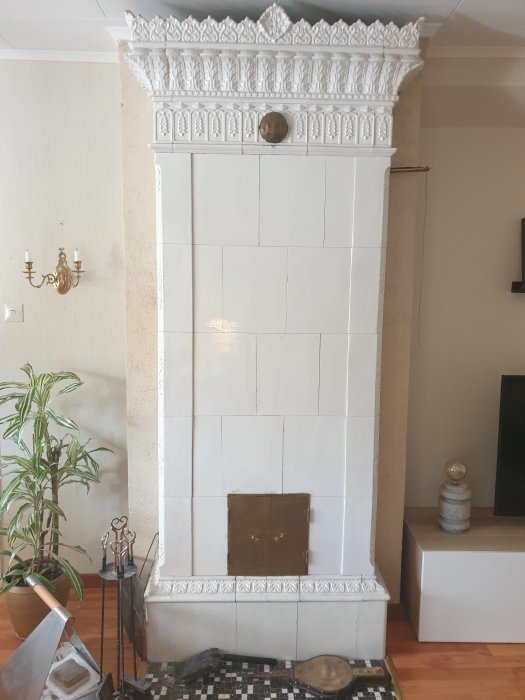
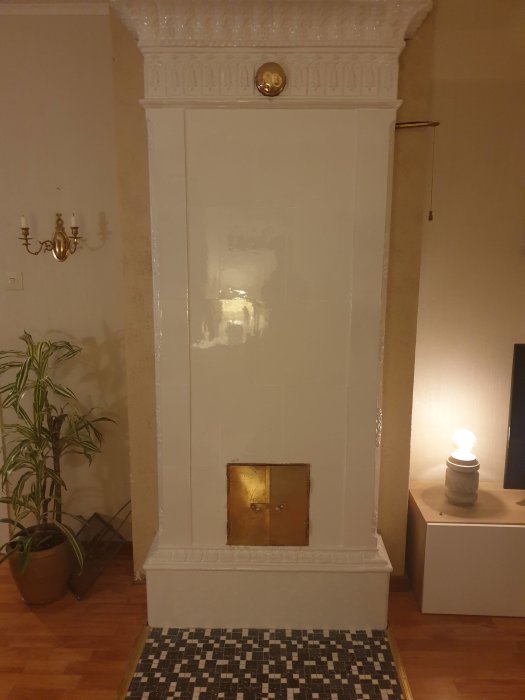
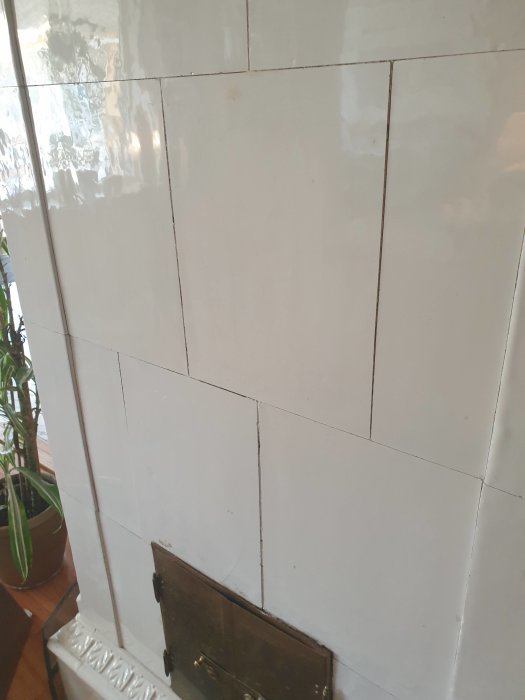
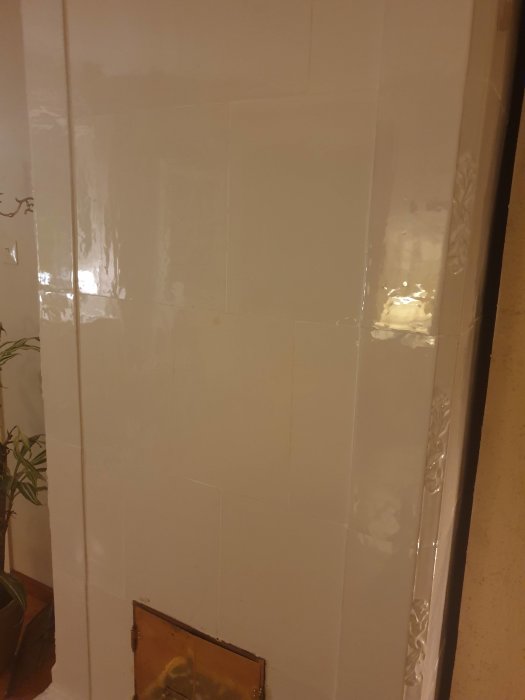
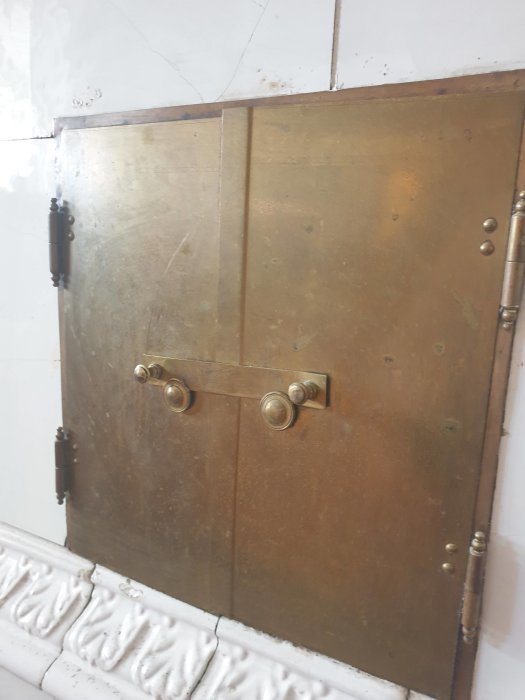
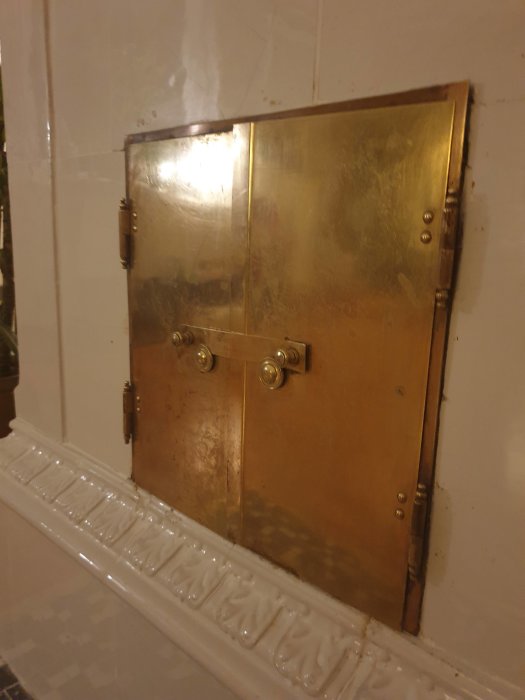
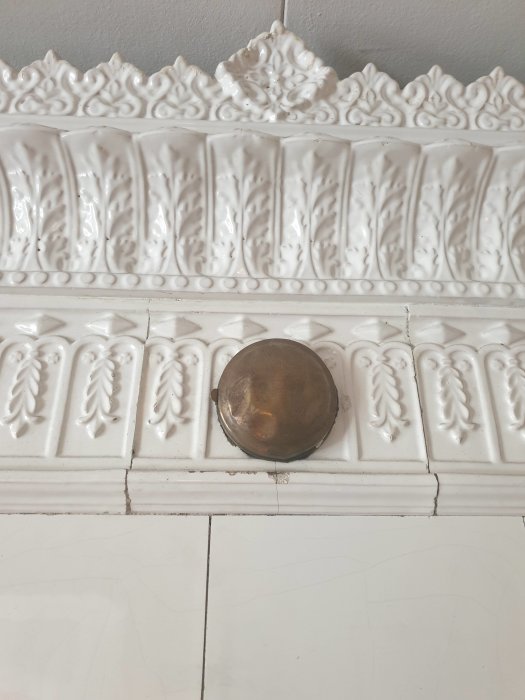
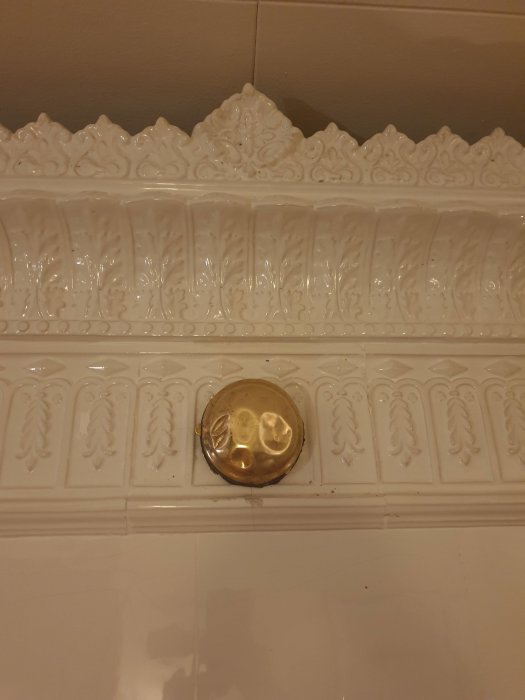
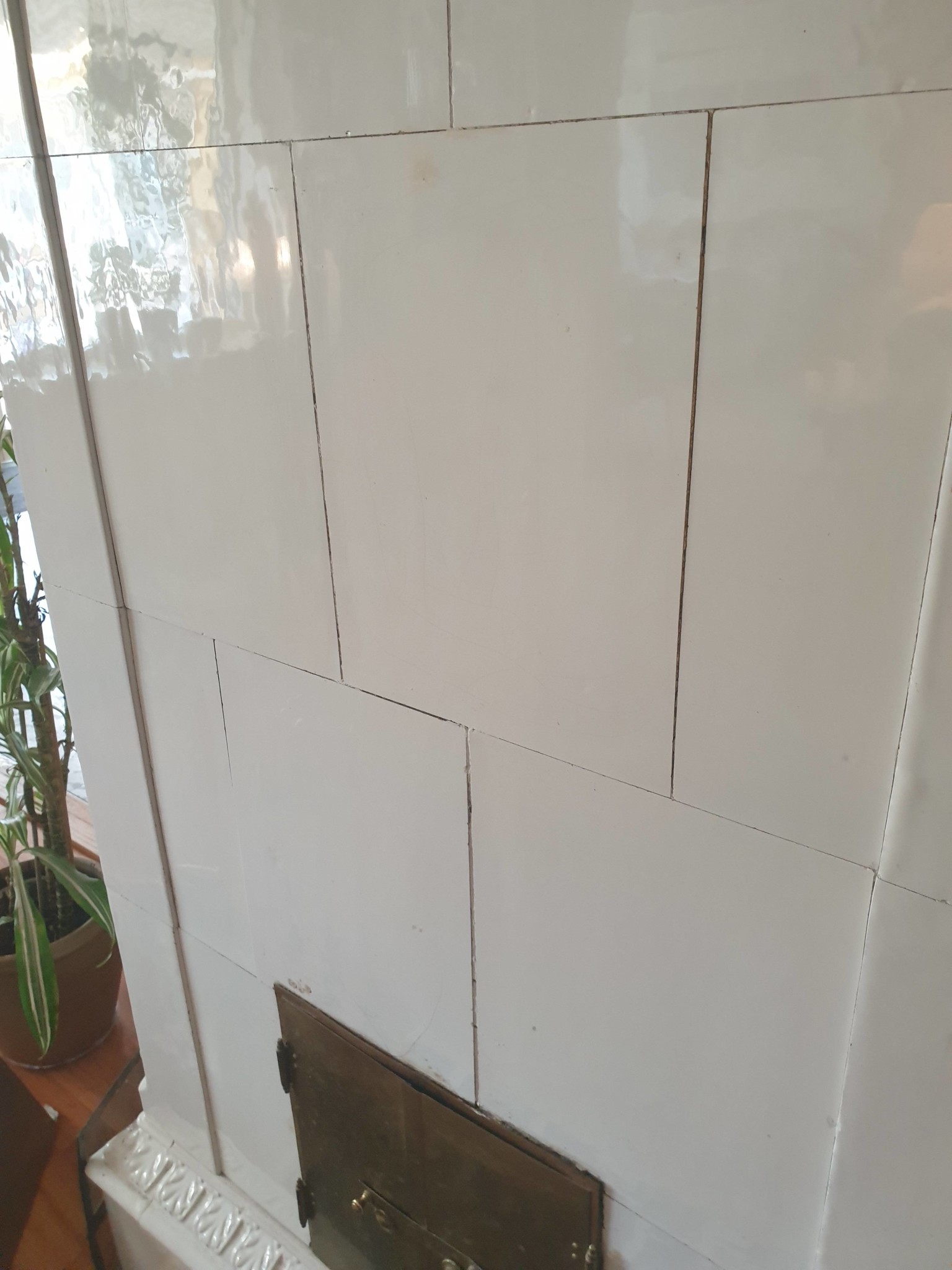
I live in a house built sometime before 1906 (I found a sales contract showing the house was sold in 1906 for 300 kr, unfortunately, it doesn't say when the house was built). The frame of the old red house remains, and surprise surprise, this part is in significantly better condition than the added section from 1975. Now to my actual question. The house has a beautiful (at least in my opinion), simple tiled stove. I've assumed that this is original from when the house was built, am I right do you think? Is there anyone here with expert knowledge about tiled stoves? Do the different models have specific names? Is my tiled stove a "poor man's stove" or did they spend their last pennies to be able to buy a nicer one? Should/can one re-grout such a tiled stove? I don't want to make a mistake but I think it would look nicer if it was re-grouted. If so, what do you grout with that can withstand such temperatures? I appreciate any information I can get! Have a nice evening!
I'm no expert but live with tiled stoves. The age might be accurate, the style looks right. Yours looks complete, all parts seem to belong together.
I would recommend a pressure test by a chimney sweep; if it hasn't been used for a long time, it might be required.
If it's airtight, nothing needs to be done; otherwise, you should talk to a tiled stove maker. It's the inner bricks that ensure the tightness, the tiles are just the shell. Reassembling a tiled stove is not a job for amateurs.
I'm not an expert, but I live with tiled stoves. The age might be right, the style looks correct. Yours seems to have all parts that fit together.
I would recommend a pressure test by a chimney sweep. If it hasn't been used in a long time, that might be a requirement.
If it's sealed, nothing needs to be done, otherwise you need to talk to a stove maker. It's the inner brick that ensures the seal; the tiles are just a shell. Setting up a tile stove is not an amateur job.
Thanks for the reply!
It's been swept and approved, and it's used frequently during the cold season, so everything is fine as far as that goes. I don't mean to dismantle and rebuild it, just to "fill in" the joints on the actual tiles.
There is bruk for this, I bought it myself many years ago when I had an oven relined. The person who did the work said it was mostly cosmetic. I don't remember what kind of bruk it was. It should be done when the oven has dried out after construction.
Nice tiled stove! If the tile grouting looks a bit worn out, you can refresh it yourself or have a kakelugnsmakare do it, which is quite quick. Gysinge probably has some ready-mixed grout, otherwise, you can make it yourself, it mainly consists of chalk plus a little more plus pigment. Here is, for example, Skansen's recipe. Quite a few results show up if you google for sealing tiled stove.
NOTE.
If a tiled stove is to be grouted, it should be cold. The joints open up from the heat and close when it cools down. Grouting a warm stove will damage the tiles.
Thank you for your responses! However, I interpret them as saying that it's not something that absolutely needs to be done. I'll see if I invest time and energy on the joints or if I just enjoy it as it is.
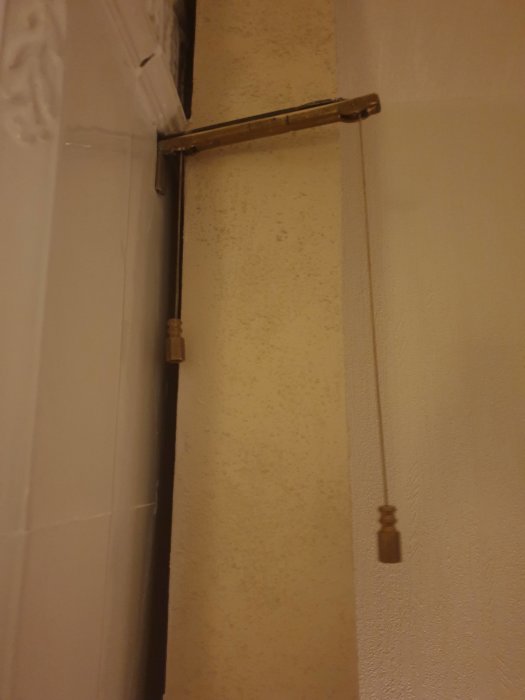
Sat the other evening looking at my beautiful tiled stove and decided to give it some love after all, so now I've got a jar of Gysinge tiled stove grout and 2 new damper tassels (new word for me). I'll also try to polish up the doors and the little round door at the top. But the next question: how do you mix the grout? It says on the website that instructions are included, but they weren't. Anyone have any tips?
Today I suddenly felt like working and opened the jar with grout, and lo and behold, the instructions were in the jar! Lucky I didn't get around to emailing the company to ask. Today I cleaned the tiled stove and scraped off various dirt and other stuff. Grouting might be tomorrow.
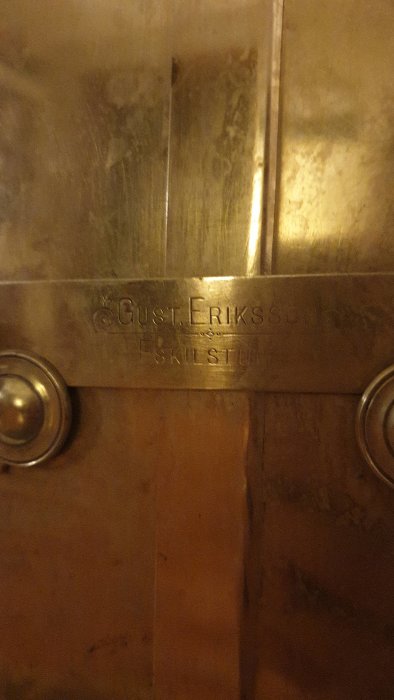
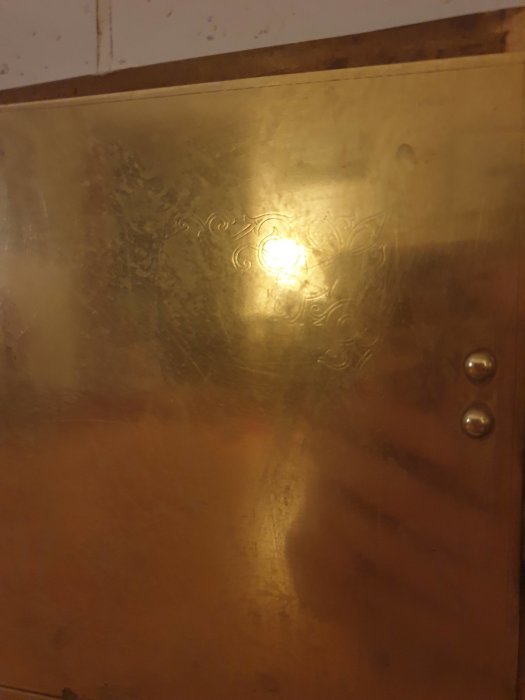
Now it's finished and it turned out just as I dreamed! As the icing on the cake, I discovered that the doors had an intricate pattern and were marked Gust. Eriksson Eskilstuna, which indicates it's just as old as the house. Happy now!