We have just removed the wallpaper from the old lime-plastered walls in the living room to repair some loose plaster and old water damage. Instead of wallpapering or using fabric, we would like to plaster the walls with fine plaster, probably in a slightly warm light gray color.
Since there is old lime plaster on the walls, no cement mixture is applicable. I have looked at Målarkalk's fine plaster (http://www.malarkalk.se/sv/page/99/Produktinformation). Does anyone have experience with it? How durable is the surface? Is it difficult to get it right? I have done some plastering before, but in quite a limited scope. But the substrate is good, and it should be applied in an extremely thin layer.
Hello,
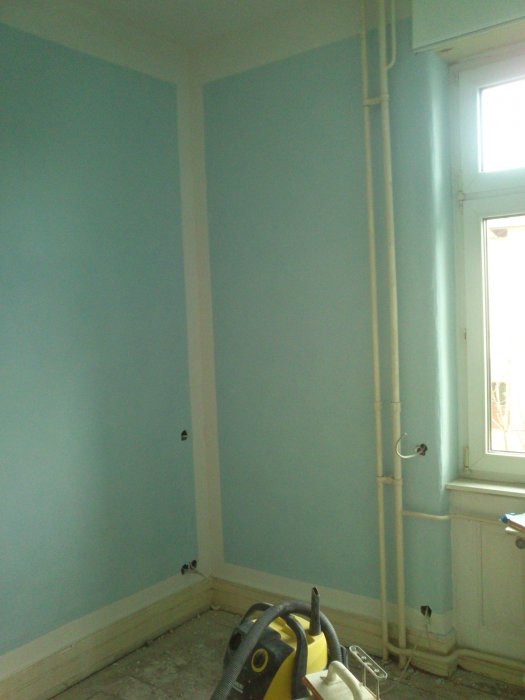
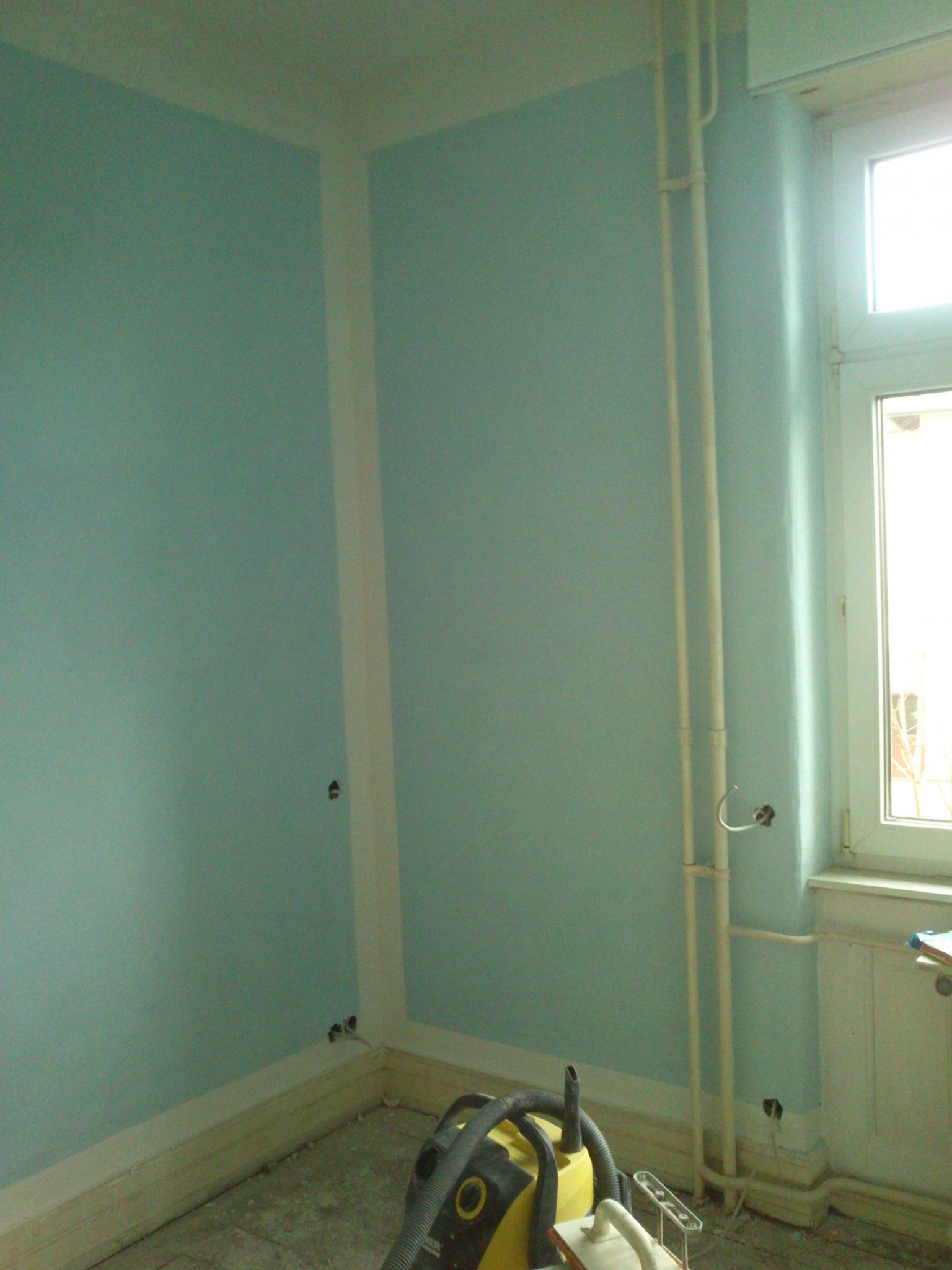
I've used something similar... We mix pigments directly into the lime plaster and plaster the walls. Picture attached as an example. The advantage is that there are no ugly marks/scratches if the wall gets damaged, as the plaster is fully colored through.
The color here is 3% blue in the plaster which is cream-white to begin with, and the white is 3% titanium dioxide in the same plaster.
Then we've added a few mm, it's a big advantage if the base is good. Consumption is about 1.5kg/m² wall surface.
I pay 1.11€/kg for fine plaster and 12.8€/kg for the blue pigment. (Living in Germany)
Magnus
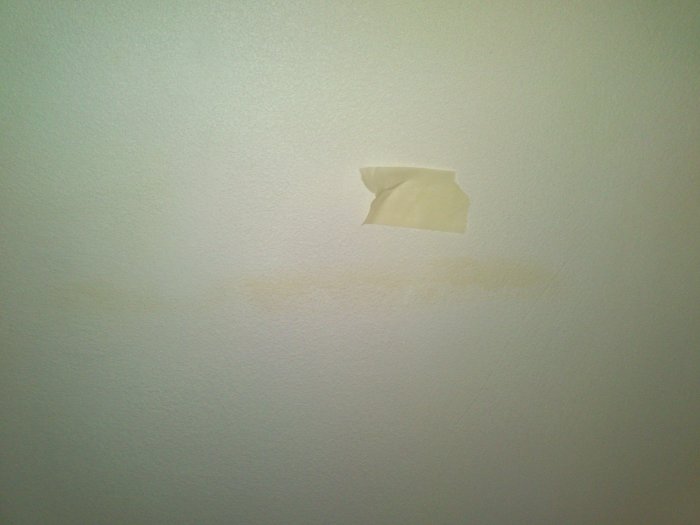
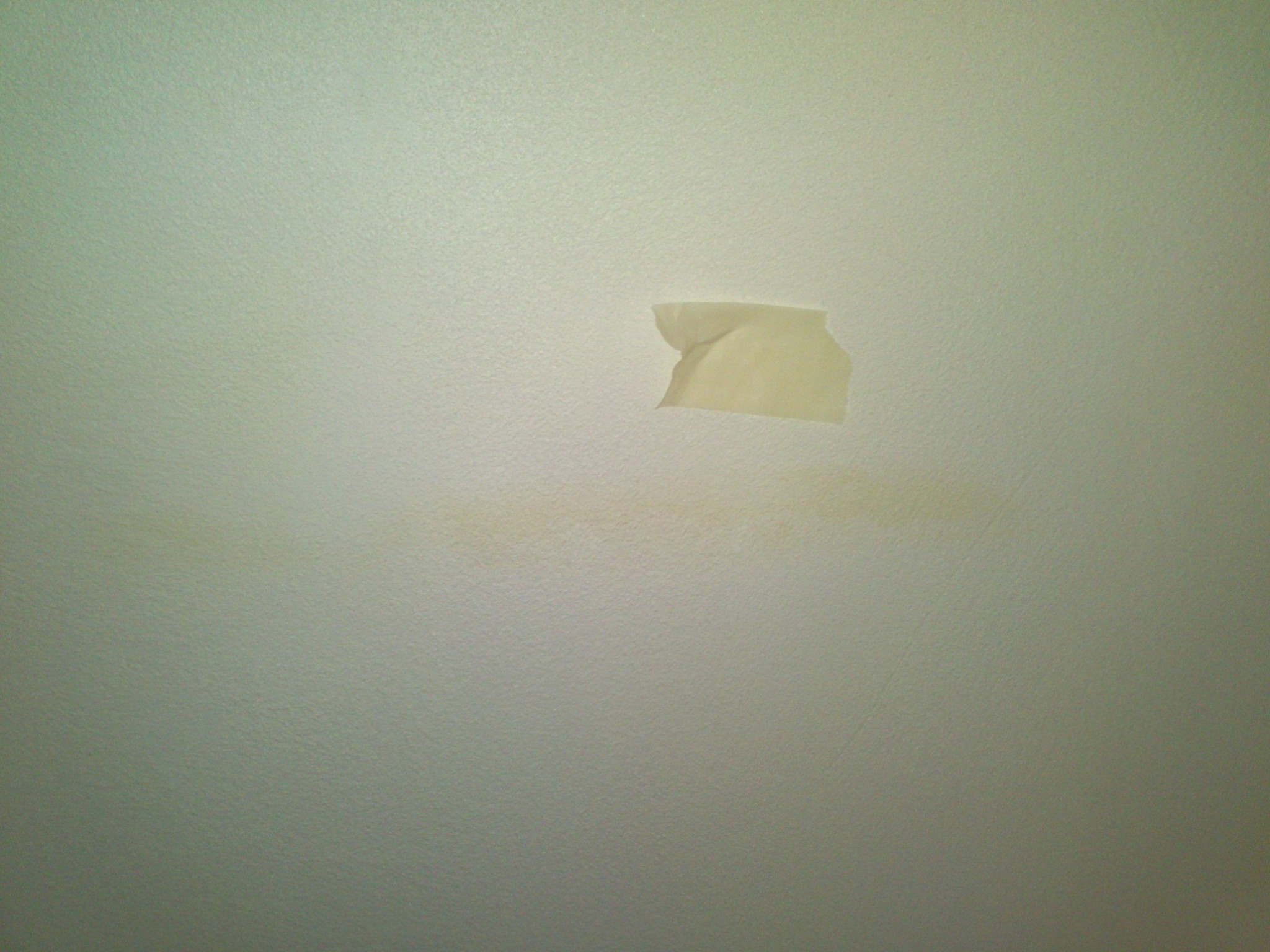
The surface depends on the grain size of the plaster and the tools used. Our walls are "felted" and have a grain size of 0.4-0.5 mm, so the result is that some structure can be seen in the surface. There is also lime plaster with a grain size of 0.03 mm (really putty) which is worked with a wide flexible putty knife, resulting in a completely smooth surface comparable to a "modern" wall. However, it takes some skill to achieve a good result, so I chose the simpler option with coarser grain + felting. The wall "crumbles" a bit when it is newly plastered, but this disappears after brushing the wall. There is also a slight color release if you rub with your thumb on the wall, but if you only touch it, no color comes off.
Here is a close-up of the wall so you can see the texture.
The yellow is the result of sloppy under-work =/ Haven't cleaned off the wallpaper glue thoroughly enough and then applied too thin a primer. Unfortunately, I don't have a new picture of the "spacklade" walls
Click here to reply
Vi vill skicka notiser för ämnen du bevakar och händelser som berör dig.