I live in an end unit of a 2-story townhouse from '68.
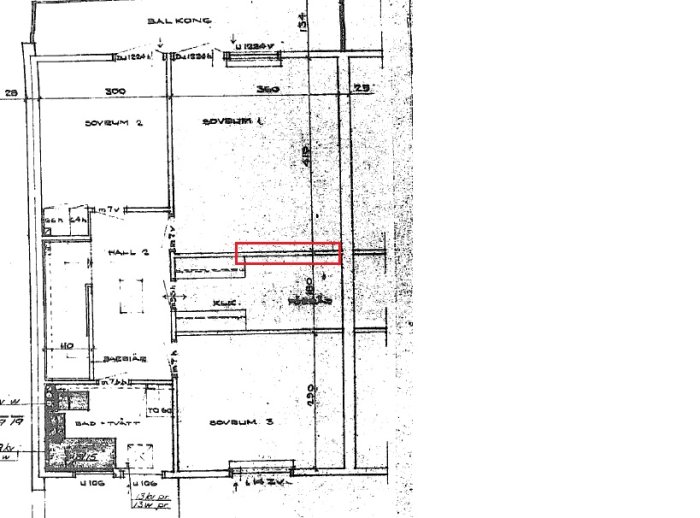
I am planning to move part of a wall (about 260-290 cm) between the closet and the master bedroom on the upper floor (see image). I have tried to determine if it is a load-bearing wall by reading online and talking to 2 carpenters I know (I have checked the community's basement and with the municipality, there are no drawings except for floor plans) and have concluded that it is probably not, since it:
1. Does not run straight through the house (there is no wall at all there on the ground floor)
2. Does not extend into the hallway on the upper floor
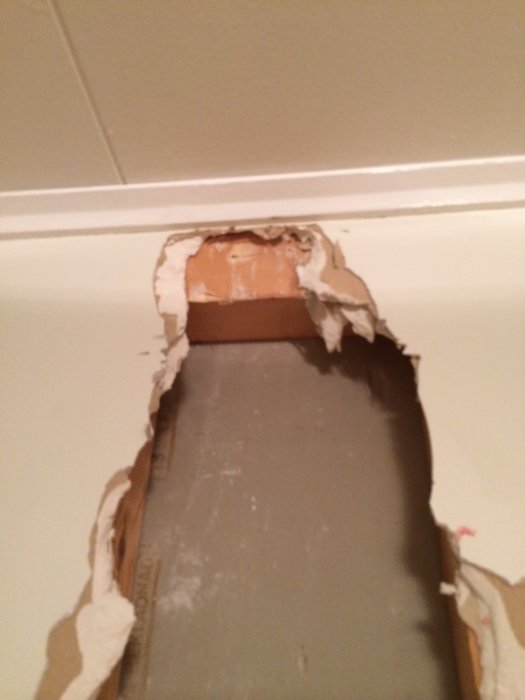
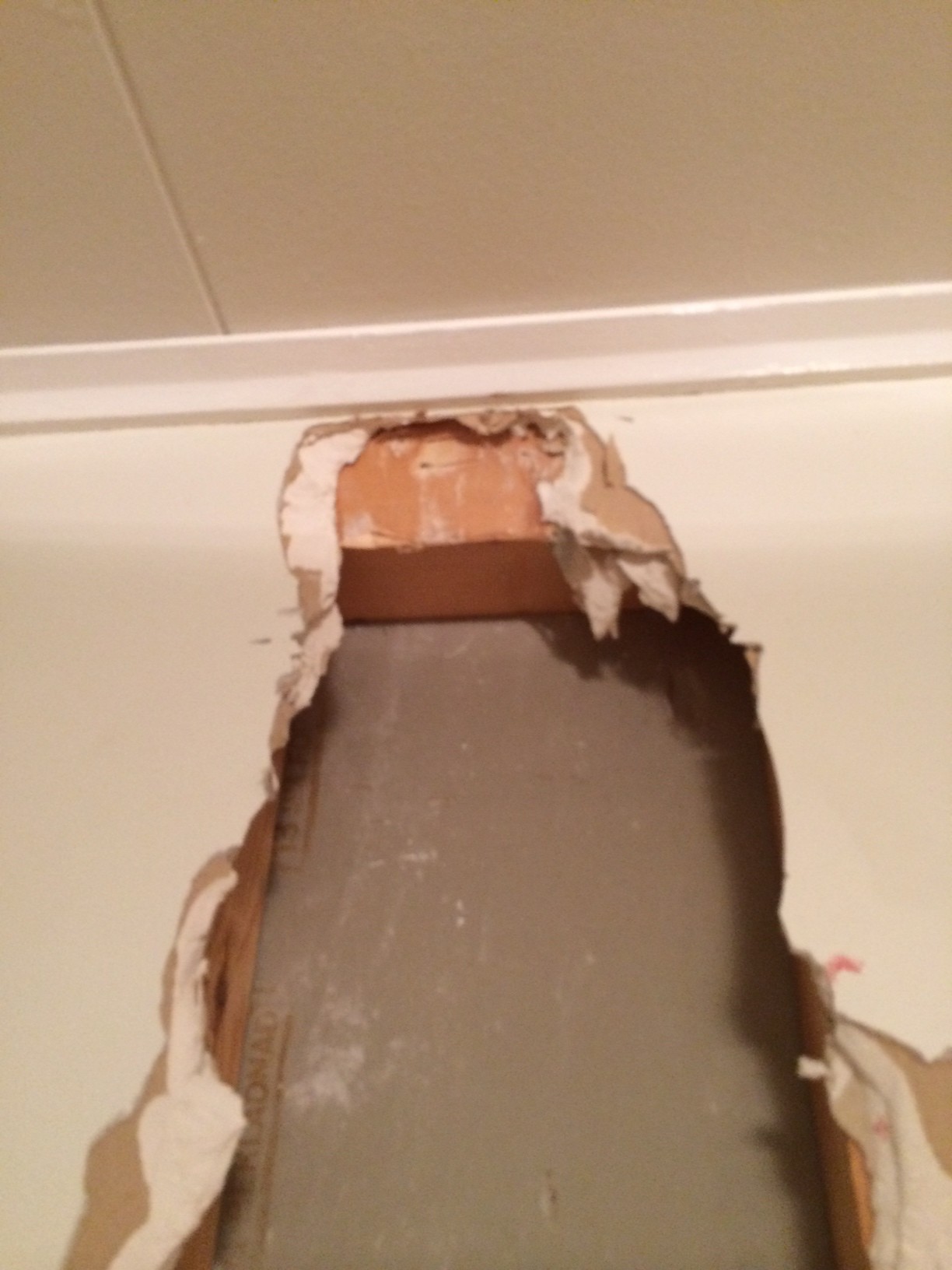
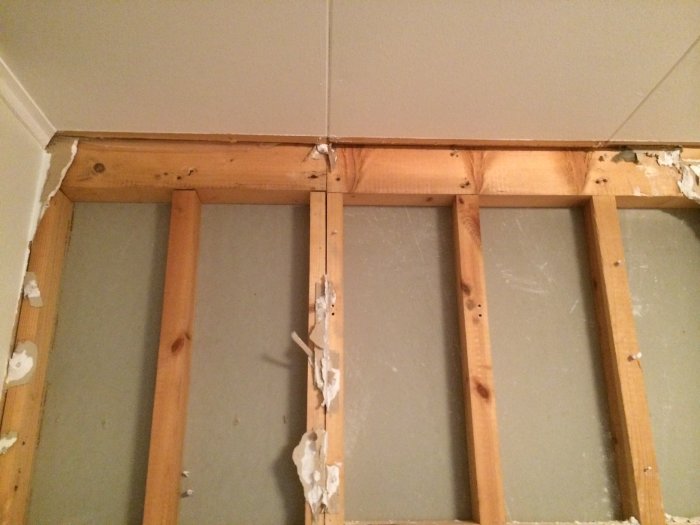
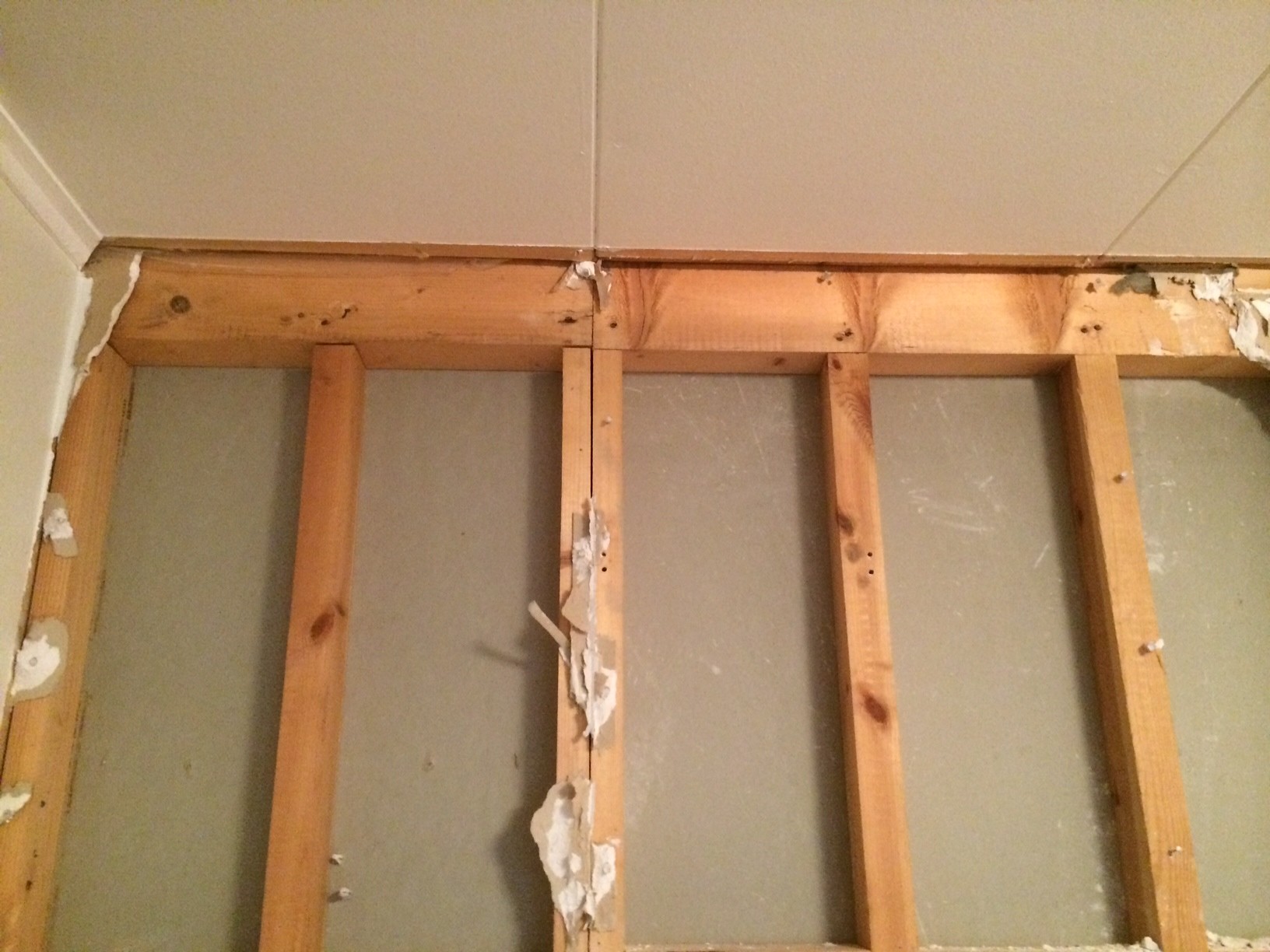
When I inspected it today, it was framed at cc30 with 45*70, which made me curious. I went up to the ceiling and found a substantial beam measuring 70* at least 100 high (see image). I then concluded that it supports something, and we have decided it might be either the ceiling or the roof trusses. There is no access to the low attic (it is not one meter at the ridge) (the roof only has a 6-degree slope) so I cannot see the trusses without removing the ceiling and sticking my head in.
So I was thinking of supporting the beam but only have space for columns at the new corners, so it will have to be with a beam just under 3 m that only rests on the corners. I am looking at glulam and the smallest dimension I find is 180 mm high. The current beam drops about 100 mm from the ceiling moulding, so it will be a significant drop of up to 30 cm. I would prefer not to have that much as it will be hard to furnish (was thinking of having a loft bed there) so I am considering if glulam columns of 100*100 or 120*120 would do the job?
I understand this is difficult to answer and I should probably contact a structural engineer but I have barely any information to give them, I don't know if the trusses are self-supporting or not. So I thought I would see if anyone here had any reasonable suggestions before I decide what to do.
In the townhouse I lived in previously, practically all the walls were considered load-bearing except for some shorter walls that were built with metal rails instead. It looked similar to your place, with a horizontal 120x45 at the ceiling and vertical 75x45 with 60cc inside the walls. I opened a hole 180 cm wide in a wall where I just laid a cross beam with diagonal support as a replacement (after discussions with a structural engineer). I installed sliding doors there, leaving 400 mm to the ceiling...
If you can leave the horizontal beam, it is much easier of course...
Thanks for all the answers
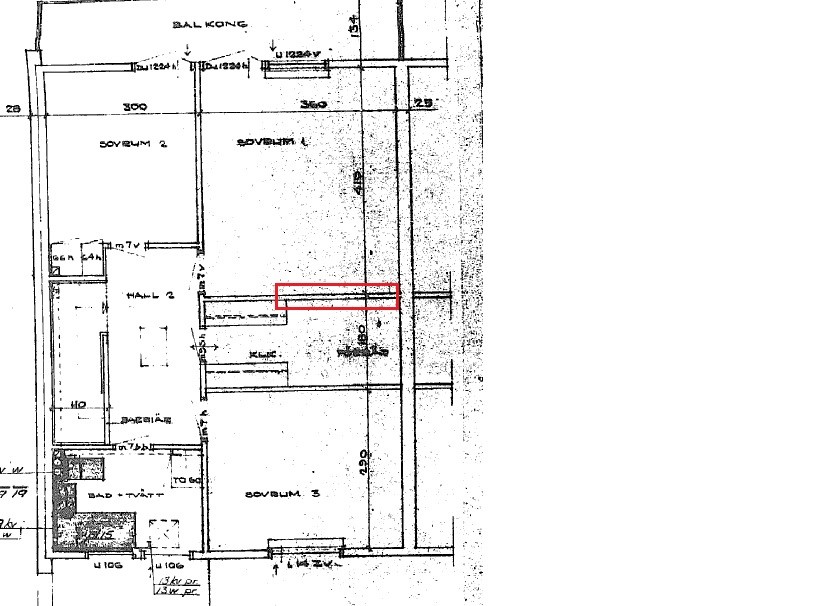
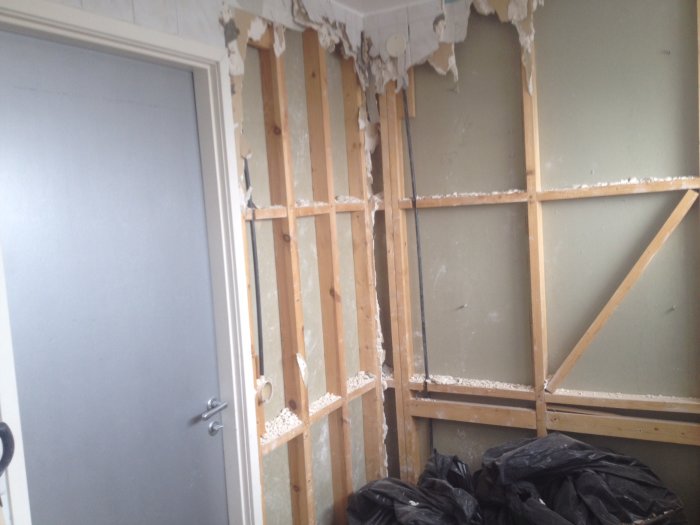
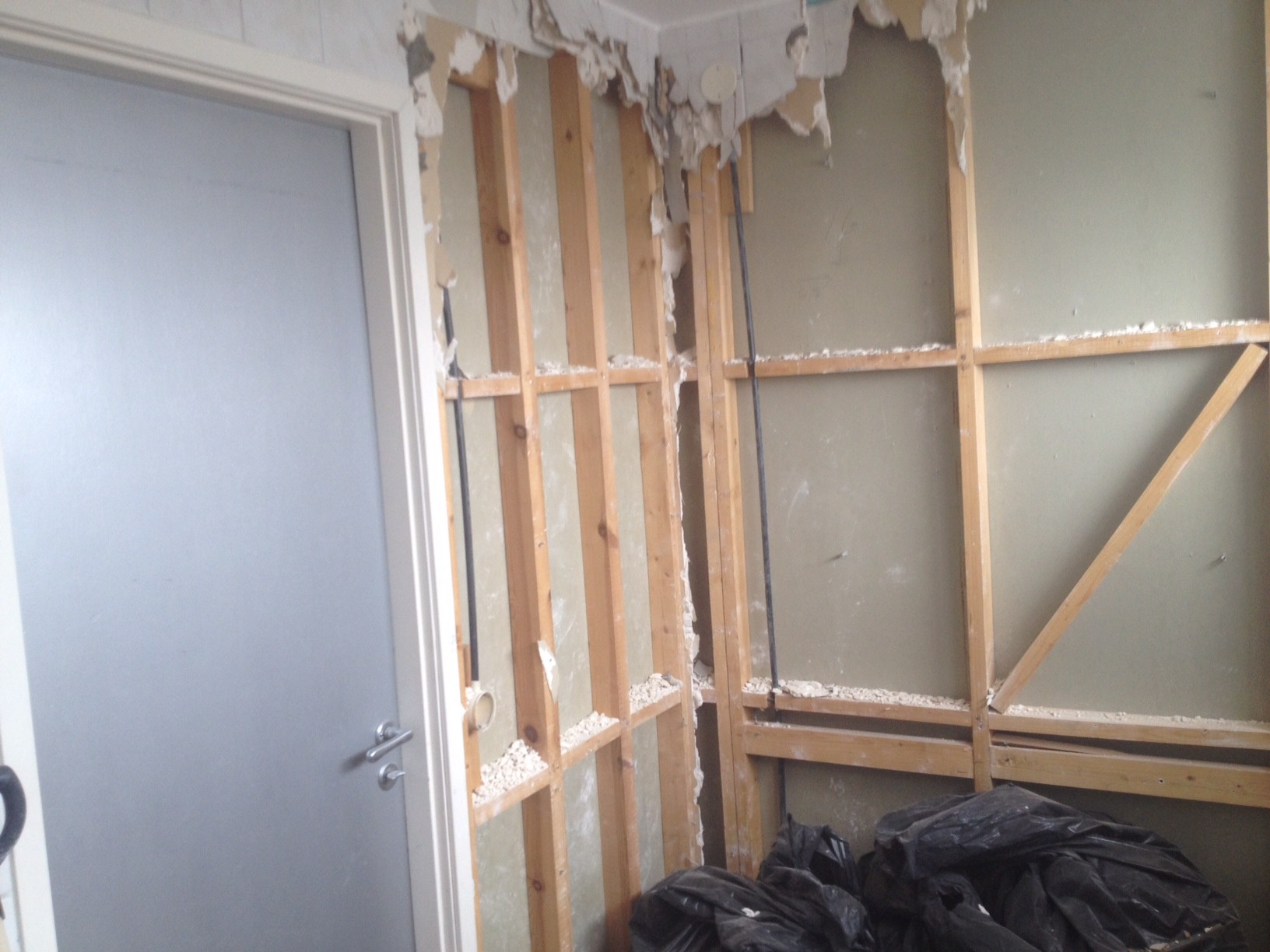
The second wall seems to be the same. cc30 and a large beam at the top (pulled in a few nails to check). We redid the bathroom a year ago, and in the pictures from then I see that it is more tightly framed in the wall running parallel to this one (see picture).
Opened up more and discovered the beam is split...
There is a dormer to the outside...
I was thinking about putting something under the existing beam to stiffen it up so that it wouldn't need so many studs. But replacing it entirely might be a better option, to save on height...
I was thinking of going ahead now that I have a few days off and build up the new wall while letting the old one stay with the mindset that this will work itself out! Initially, I planned to use metal studs but got the tip to use wooden studs instead because they support more. We've had an addition to the family, so we need the extra room, and the alternative is to move, which we don't want to do...
Thanks for all the answers
The second wall seems to be the same. cc30 and a solid beam at the top (drove in some nails to check). We renovated the bathroom a year ago and in the pictures from then, I see that it is more densely studded in the wall that runs parallel to this one (see picture).
Opened up more and discovered that the beam is split...
There is a dormer to the outside...
I had thought about placing something under the existing beam to stiffen it up so that the studs wouldn't need to be as close. But replacing it completely might be a better option, to save on height...[image][image]
Can place the new beam outside the existing one and glue-screw them together?
The roof is quite flat, 6 degrees. Ridge in the middle. Talked to a guy who thought that it wasn't trusses but just beams, and not the full length (8 m) but 4-5 meters. He was a structural engineer and will calculate what load it needs to withstand (based on the outer roof with snow load, etc.). We'll see what he comes up with; I hope it doesn't become a massive beam, it feels like there's some risk of that... Maybe would need to let the new wall support the roof too in that case, which I haven't planned for...