Hello! As a recent graduate civil engineer, I'm trying to learn drafting techniques for my new job. Could someone explain/show how the surface marking looks for concrete in construction drawings? I get very confused as I see different surface markings for concrete all the time. I understand that it's mentioned in Bygghandlingar 90, but I can't afford to buy these books, and I also can't borrow them from the library since someone else already has.
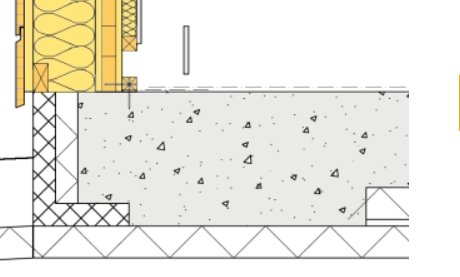
How we learned the surface marking for concrete looks in school: Gray background with small triangles.
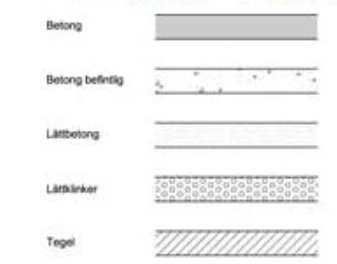
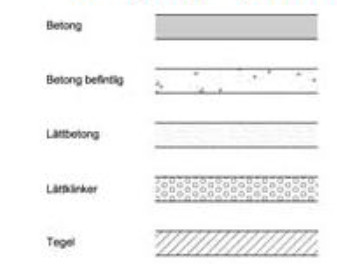
How it's stated in Bygghandlingar 90 (picture from an old lecture):
Just a gray background
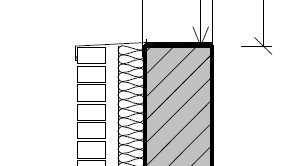
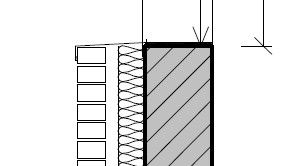
How the company makes its surface marking for concrete: Gray background with slanted lines.
It also states in Bygghandlingar 90 (check the picture above) that slanted lines are the surface marking for brick.
Everyone does it differently. It gets so confusing. Are there no rules about surface marking for building materials? Why does everyone draw differently then? Are they wrong, or am I just dumb and ignorant?
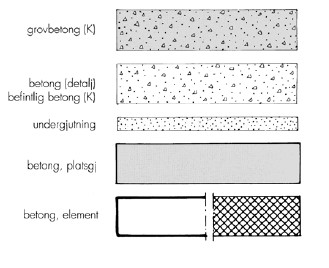
What is the difference between these different types of concrete then? Still quite confusing.
For example, I can understand that the one with only a gray background is cast-in-place and that the last one is prefab (correct me if I'm wrong). But what is the difference between the first and second image? What exactly is meant by existing concrete and
"(detail)" in the second image?
Why does the company draw slanted lines over a gray background on one of the images I uploaded? What is that supposed to symbolize?
No, not requirements, but it can be good to follow to make yourself understood.
Most companies surely have their own design guidelines that you will learn when you start, so don't get fixated on learning everything according to BH90.
No, not requirements but it can be good to follow to make yourself understood.
Most companies surely have their own design guidelines that you will learn once you start, so don't get fixated on having to learn everything according to BH90.
Aha okay, so companies can really draw however they want? So there are no requirements at all regarding how things should be drawn?
Nice! So is it a requirement or also just recommendations like BH90?
Unfortunately, I have to pay if I want to look at it
Should be a requirement in some certification. Never reflected on it since in my industry there's no question of not following standards. They are followed religiously.
In the woodwork industry, it seems to be more like the wild west
Addition: Doesn't your university have an account for students? There's no way to purchase standards for tens of thousands of kronor.
Should be a requirement in any certification. Never reflected on it as in my industry there's no question about not following standards. They're followed religiously.
In the carpentry industry, it seems more like the wild west
Addition: Doesn't your university have an account for students? Can't imagine buying standards for tens of thousands of crowns.
Unfortunately, we didn't get a student account haha. We only got the image I sent above and maybe some hand-drawn pictures from the lecturer. Quite lousy. On the other hand, I'm no longer a student since I graduated this spring. Is it ISO 128 or BH90 that you follow religiously?
I don't work in construction. We have our own standards that refer to ISO, EN, DIN, etc., with additions where there are gaps and improvements where the above-mentioned have deficiencies.
But consider it a requirement if you want to be serious. It's the "language" you have to use. You would never think of using your own units of measurement rather than SI.
Not working in construction. We have our own standards that refer to ISO, EN, DIN etc., with additions where there are gaps and improvements where the above-mentioned fall short.
But see it as a requirement if you want to be serious. It's the "language" you have to use. One would never consider using units other than SI.
It seems like many companies and universities completely disregard these "requirements/rules" and draw exactly how they want. It creates a lot of confusion haha.
Click here to reply
Vi vill skicka notiser för ämnen du bevakar och händelser som berör dig.

 I want to learn!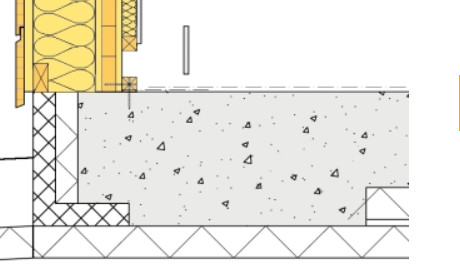
Lulaua said:
TotalControl said:
Should be a requirement in any certification. Never reflected on it as in my industry there's no question about not following standards. They're followed religiously.