
3,261 views ·
6 replies
3k views
6 replies
supporting structure or load-bearing?
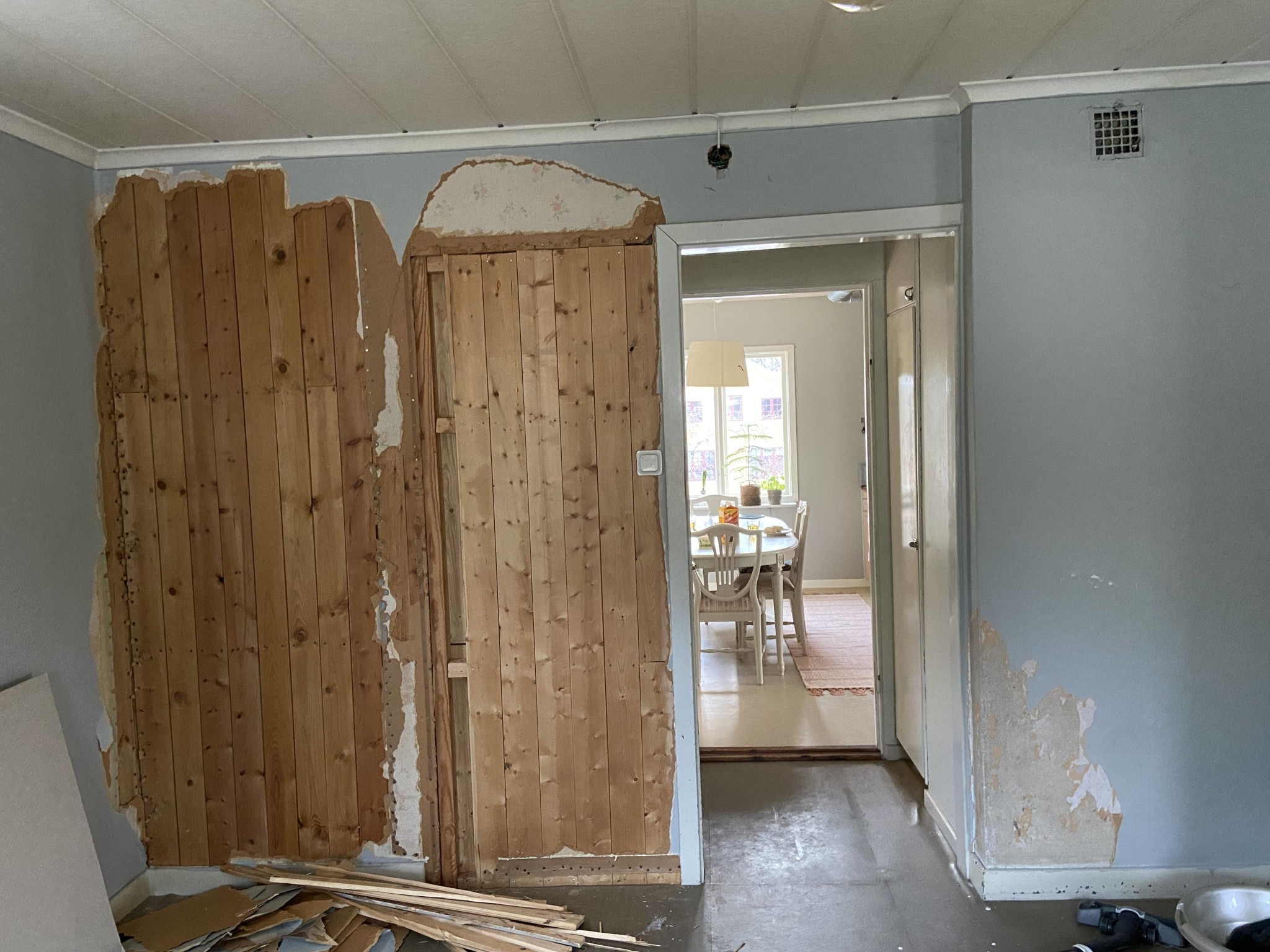
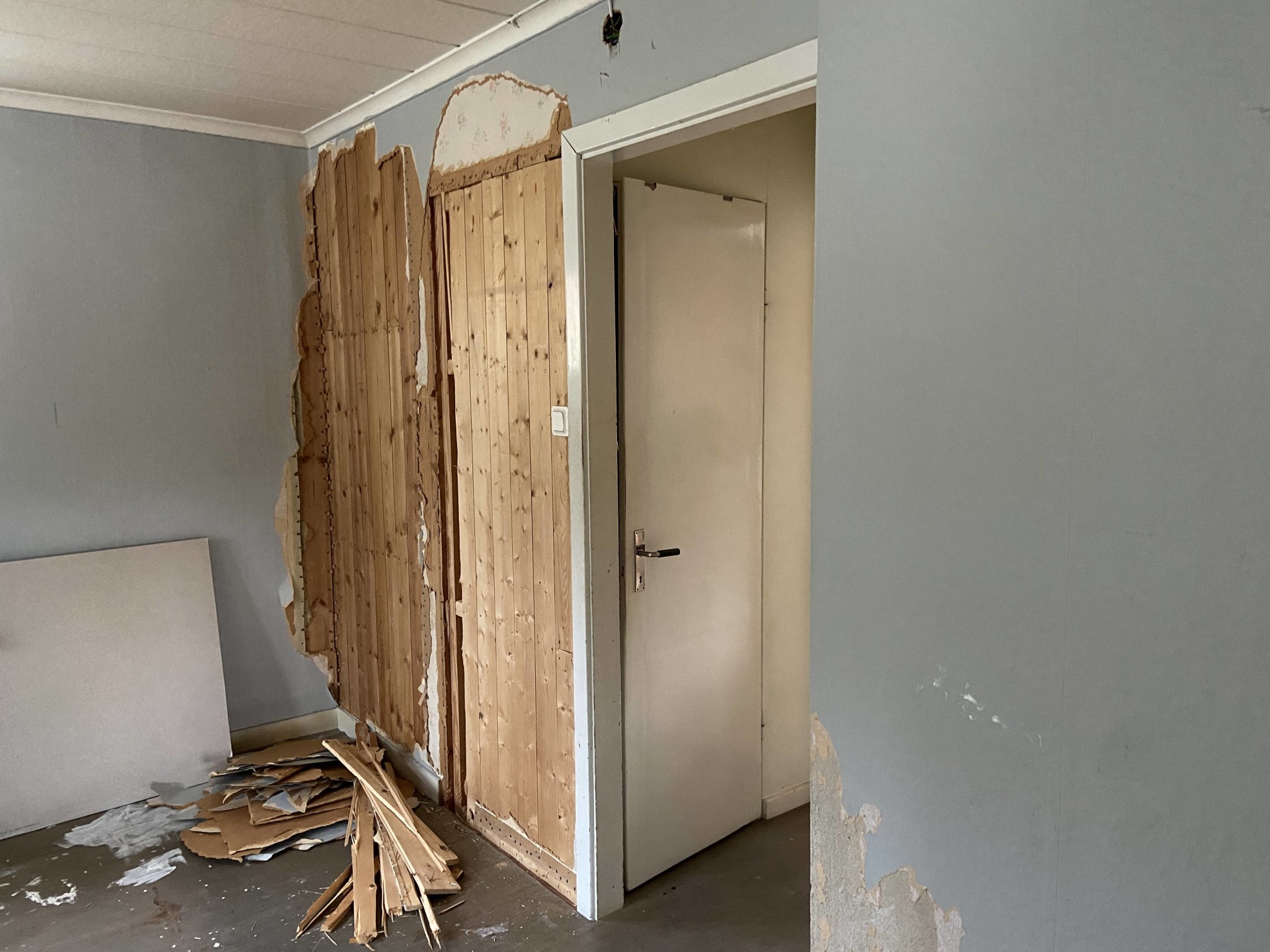
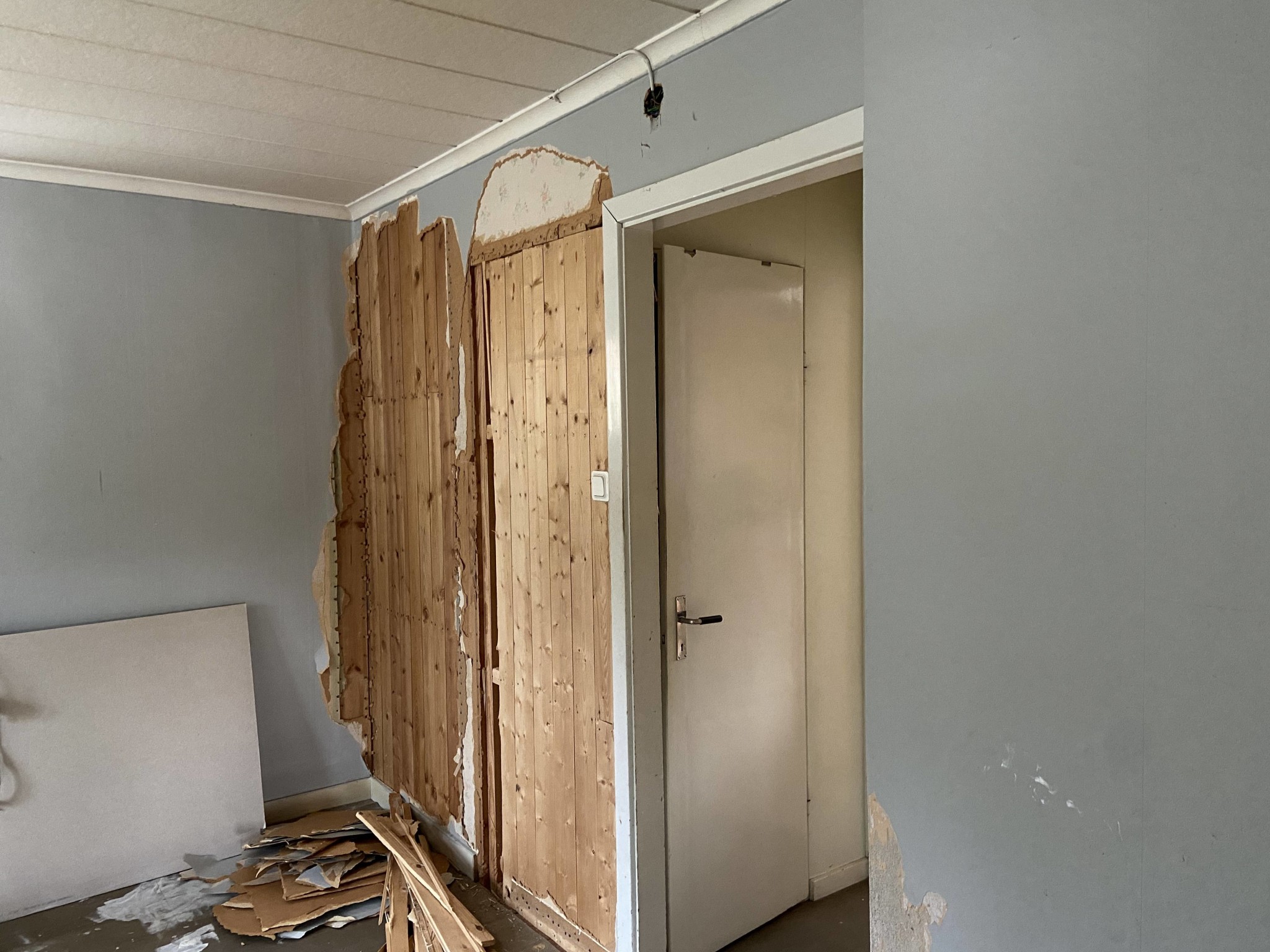
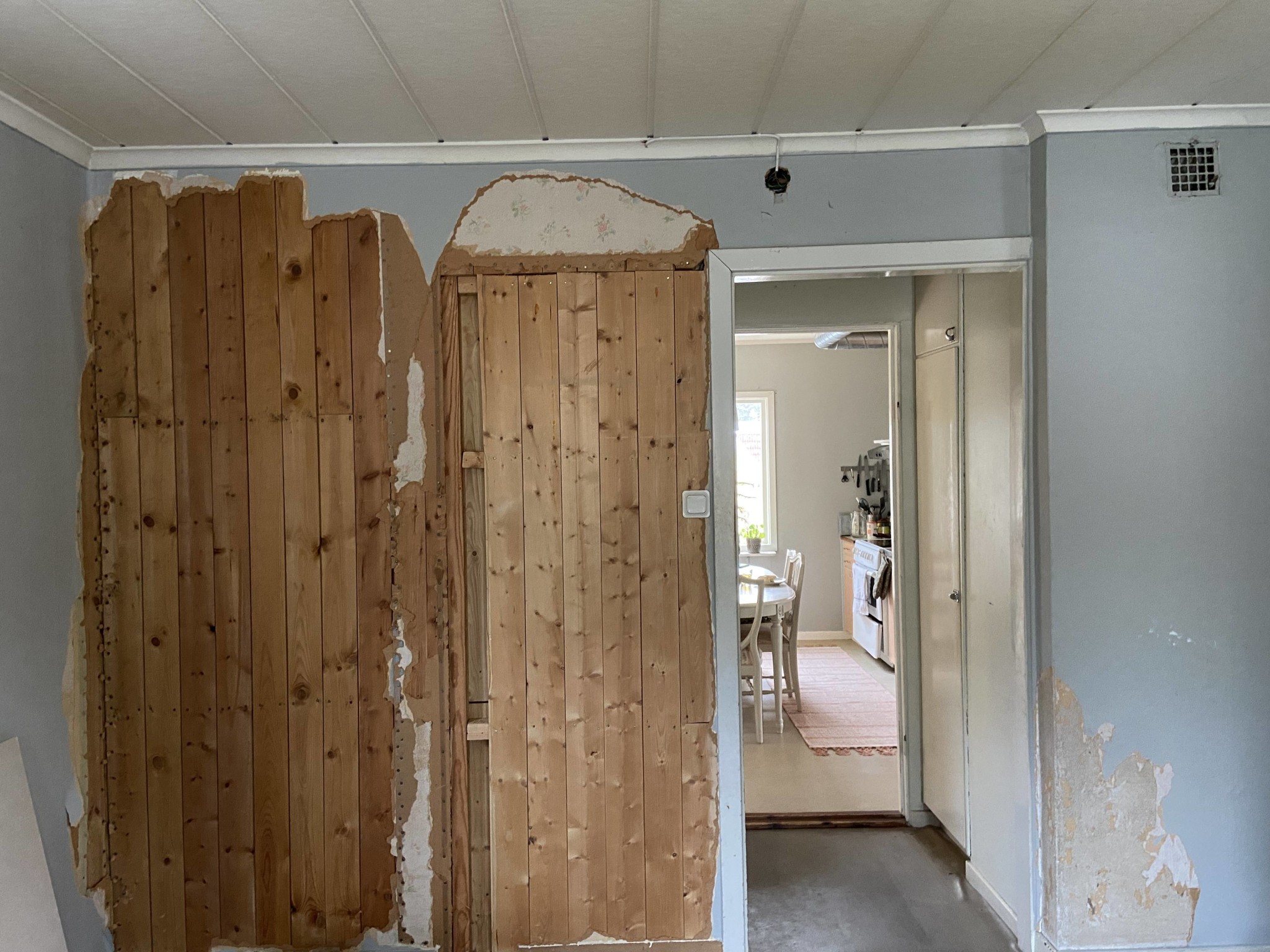
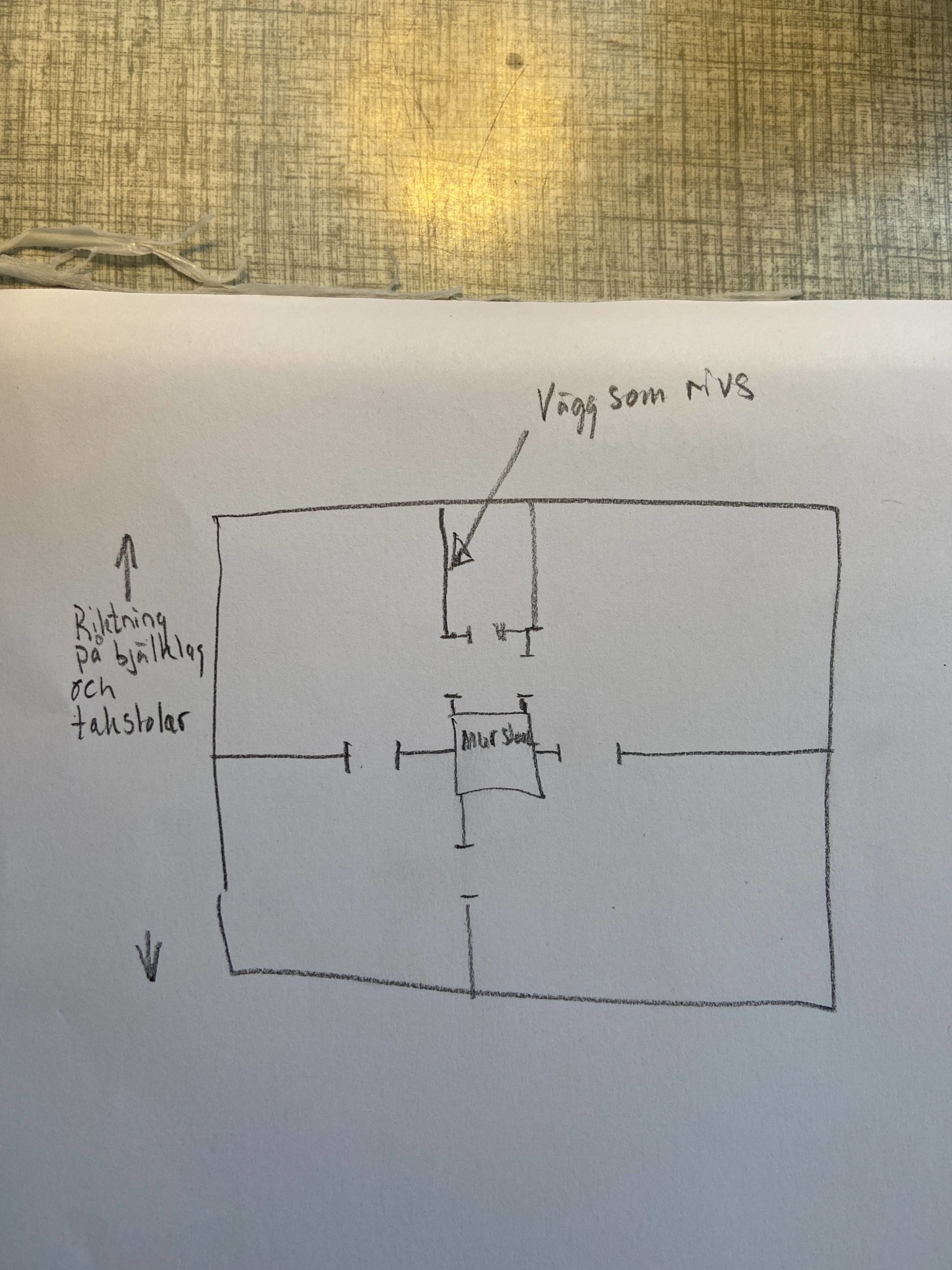


A wall that runs in the same direction as the rafters is usually almost never load-bearing, although there can be exceptions. The wall that runs across all the rafters can be load-bearing, but it's not certain; it depends on the construction of the rafters.
We have a heart wall in the basement, but it is built after the tongue-and-groove boards have been nailed to the underside of the floor joists, and there is 0.5-1cm of air between the wall & the boards. On the ground floor, it's the same thing; all the interior walls are mounted after the tongue-and-groove ceiling is nailed to the underside of the rafters.
We have a heart wall in the basement, but it is built after the tongue-and-groove boards have been nailed to the underside of the floor joists, and there is 0.5-1cm of air between the wall & the boards. On the ground floor, it's the same thing; all the interior walls are mounted after the tongue-and-groove ceiling is nailed to the underside of the rafters.

I myself wouldn't say that I hang out on the Byggahus forum, even though my wife might think so at times. The wall is not spliced; rather, it is a larger opening that is partially closed. It's true, as @Demmpa writes about load-bearing walls, but in wooden houses, you can never be completely sure. Check the direction of the floor joists in the floor above. The wall might also replace a floor joist. The wisest thing is to save a small part of the wall, both towards the outer wall and at the top.
If you look to the left on the wall, you can see that the planks are jointed. That there was a door opening is not so hard to miss.J justusandersson said:I myself would not say that I hang out on the Byggahus forum, even though my wife might sometimes think so. The wall is not jointed but it is a larger opening that is partially sealed. It is true as @Demmpa writes about load-bearing walls, but in plank houses, you can never be really sure. Check the direction of the floor joists on the floor above. The wall can also replace a floor joist. The wisest thing is to save a small part of the wall, both against the outer wall and at the top.
Thanks for the answers.
Plank walls function as panel structures. The planks are toe-nailed into each other. That they are spliced vertically occurs all the time and has no significance for the load-bearing capacity.
Do you mean that you splice load-bearing plank walls? A load-bearing wall shouldn't be built of plank, should it?J justusandersson said:
Yes, until around 1950, most small houses were built with planks in all walls. Exception: masonry houses (not just facade bricks).
Click here to reply