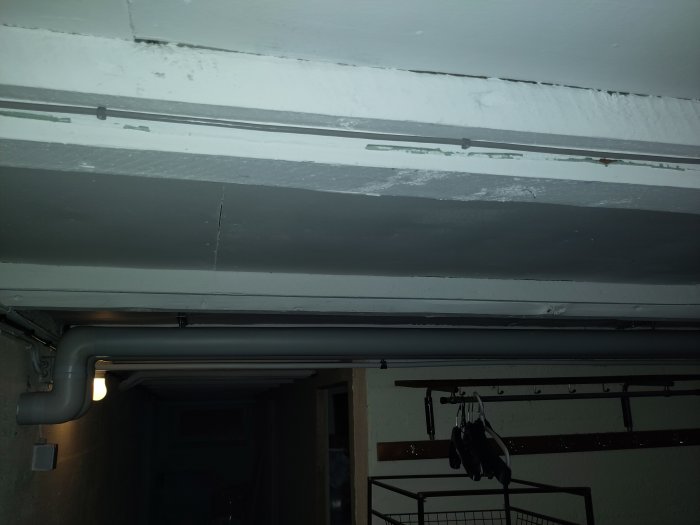
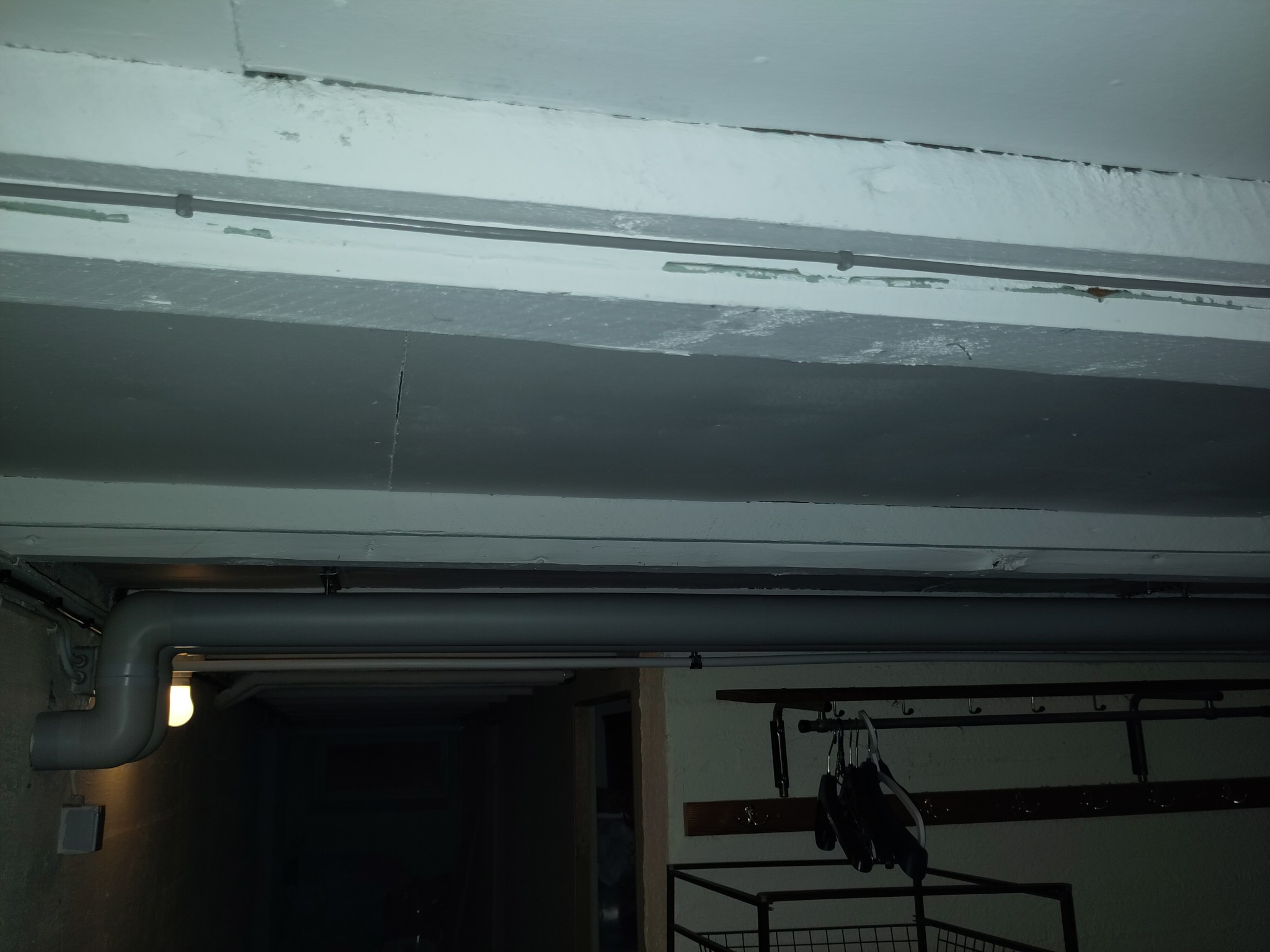
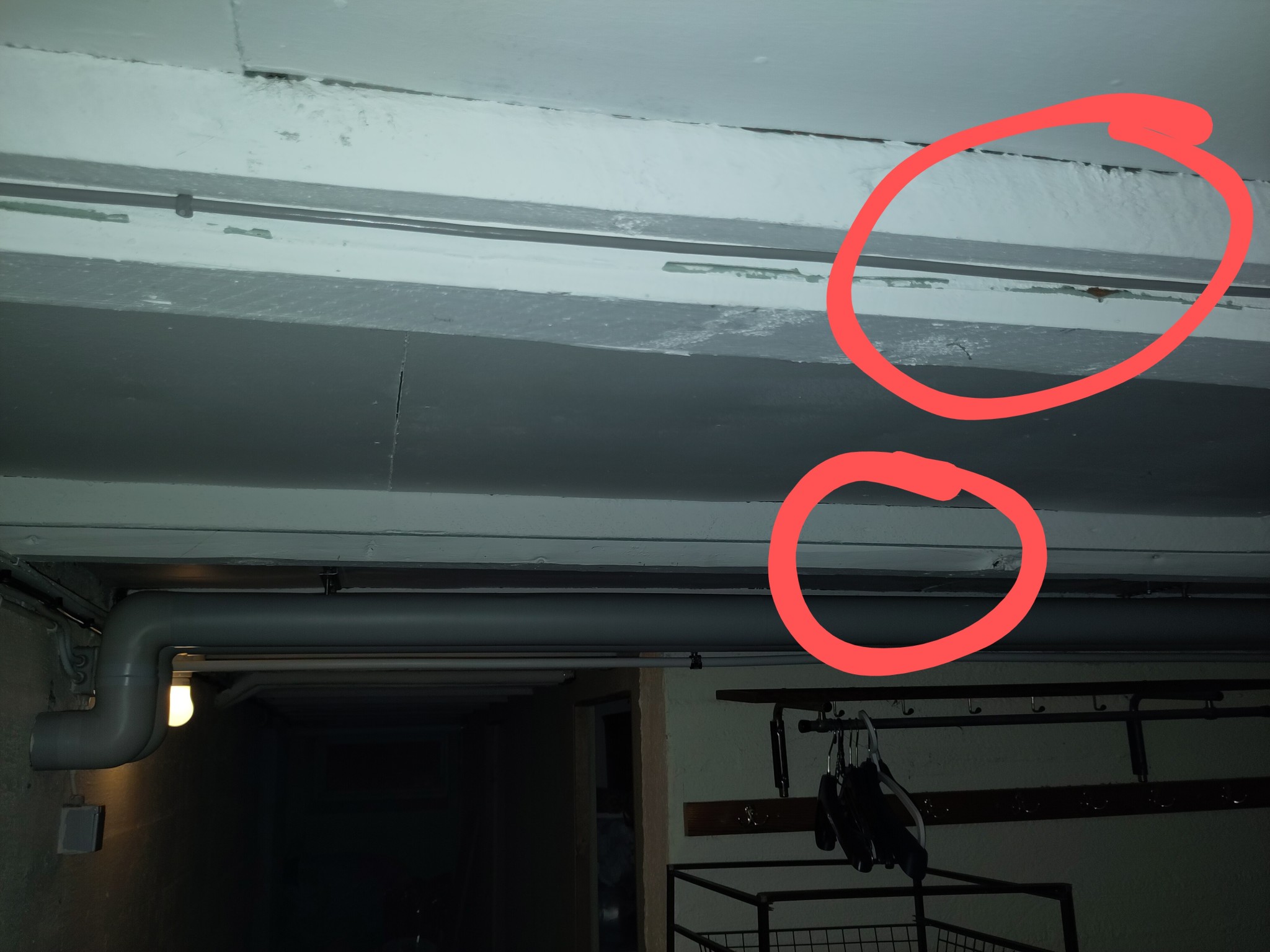
Planning to install a 1.5-ton stove on a floor with wooden joists and therefore need to reinforce it. There's a basement under the floor. The stove's dimensions are about 500mm deep and 1100mm wide. I want to make the smallest possible intervention, thinking of some form of vertical pillar running from the basement floor to the basement ceiling, but I have no idea how to make such a pillar. What material should be used, what is the procedure? Should it be placed against the stove's outer edge, i.e. 500mm from the wall, or the stove's "center," i.e. 250mm from the wall? Anyone with experience is welcome to share tips and ideas.
I would have done that. A 1.5-ton fireplace is not something I'd want crashing down. And if you care about the value of the house, an uncertain DIY solution is probably not going to be a hit. Not to mention the approval of a new fireplace, etc.
A constructor probably doesn't know the load-bearing capacity of your floor. By hacking a hole in the floor and casting your own reinforced foundation (round or square), you could "embed" it in the floor and place a pillar on top.
1500kg isn't that much. If you "have things under control," probably a few extra floor joists would suffice.
(I think you can install a hot tub with floor joists - cc 30 - but that needs to be checked)
A nicer solution if the basement is going to be used.
It is possible that you need to prove that it holds (=documents from the constructor) in order to get it approved.
In the case of multi-family houses, I know of a case where a tiled stove was installed in an older apartment. The wooden floor joists were reinforced. They received an approved building notification. But then the finished result had to be approved by the chimney sweep. Who rejected the stability. He claimed that the structure must be designed so that the load-bearing capacity remains even if the building burns down. The tiled stove must not fall into the apartment below, even if the joists burn. Because then it can break the floor structure in the apartment below, allowing the fire to spread downward.
It was just a matter of tearing it down and starting over.
It is conceivable that you may need to prove that it holds (=document from the designer), in order to get it approved.
In the case of multi-family houses, I know of an instance where a tiled stove was installed in an older apartment. The wooden floor joists were reinforced, and they received an approved building notification. However, then the completed result had to be approved by the chimney sweep. He rejected the stability. He claimed that the joists must be designed so that the load-bearing capacity remains even if the house burns down. The tiled stove must not fall into the apartment below, even if the joists burn. Because then it could break the floor joists in the apartment below, allowing the fire to spread downward.
It was just necessary to tear it down and start over.
I wonder which regulation he actually relied on there. The fire cells in apartments should normally remain intact for 60 minutes, to allow time to evacuate the house. I've never heard of any requirements extending until the fire is extinguished.
It should be enough to nail together 2 pieces of 2"x4" to a pillar and place it between the floor joist and the cellar floor, put a piece of sill paper or similar capillary-breaking against the concrete.
If you are inclined to worry, you can build a pillar with lecasten 25x59cm, it is both easier and cheaper than hiring a constructor and can easily support the weight of the fireplace.
It should be enough to nail together 2 2"x4" into a pillar and place it between the floor joist and the basement floor, put a piece of sill paper or similar capillary-breaking material against the concrete.
If you are worried, you can build a pillar of lecasten 25x59cm, it is both easier and cheaper than hiring a constructor and can easily support the weight of the fireplace.
sm in wild guessing If you listen to those far along the Dunning-Kruger curve, they rarely speak without knowing a lot about the circumstances. Here, we know very little.
Swedish Championship in mansplaining If you listen to those far ahead on the Dunning-Kruger curve, they rarely speak without knowing quite a bit about the circumstances. Here we know very little.
Most existing single-family homes are built without an architect; if you have experience and common sense, you get very far.
It should be sufficient to nail together 2 pieces of 2"x4" into a pillar and place it between the floor joist and the basement floor, placing a piece of sill paper or similar capillary-breaking material against the concrete.
If you're the anxious type, you can build a pillar of leca stone 25x59cm, which is both simpler and cheaper than hiring a constructor, and it can easily bear the fireplace's weight.
That's pretty much what I had in mind. If you choose the leca solution: how do you get it to the exact height to support the joist? It can't be too low, or the floor will sag. And if too high, it will push the joist upwards instead. So how do you do it?
That's kind of what I had in mind. If you choose the leca solution: how do you get it to the exact height so it supports the floor structure? It can't be too low, or the floor will sag. And too high, then it forces the floor structure upward instead. So how do you do it?
Prop, bricklay, leave a gap and insert a wedge/Spacer, release the prop.
Vi vill skicka notiser för ämnen du bevakar och händelser som berör dig.


 If you listen to those far along the Dunning-Kruger curve, they rarely speak without knowing a lot about the circumstances. Here, we know very little.
Viktor.J said: