
I have asked quite a few questions about asbestos in this forum before, and here comes yet another question.
I do not want any mean comments about having an excessive worry about asbestos; I am only seeking serious answers from those who genuinely want to advise me on the matter and nothing else.
Does anyone know what sprayed asbestos looks like?
How does the material feel if you touch it?
Texture?
Does it resemble a plastered/masoned surface in appearance and feel?
Or does it look/feel different?
How thick is the material usually?
Could there be a 4-5 cm thick “wall” built up with sprayed asbestos behind a fireplace, or is it likely just the outer layer with regular mortar underneath?
Does anyone know if sprayed asbestos could have been used in the past on walls behind fireplaces like tiled stoves, etc.?
Or as a surface coating on chimney stacks?
Or on walls and ceilings in old boiler rooms? For example, on “reed mats.”
And, was sprayed asbestos used at all in private homes or just in industry?
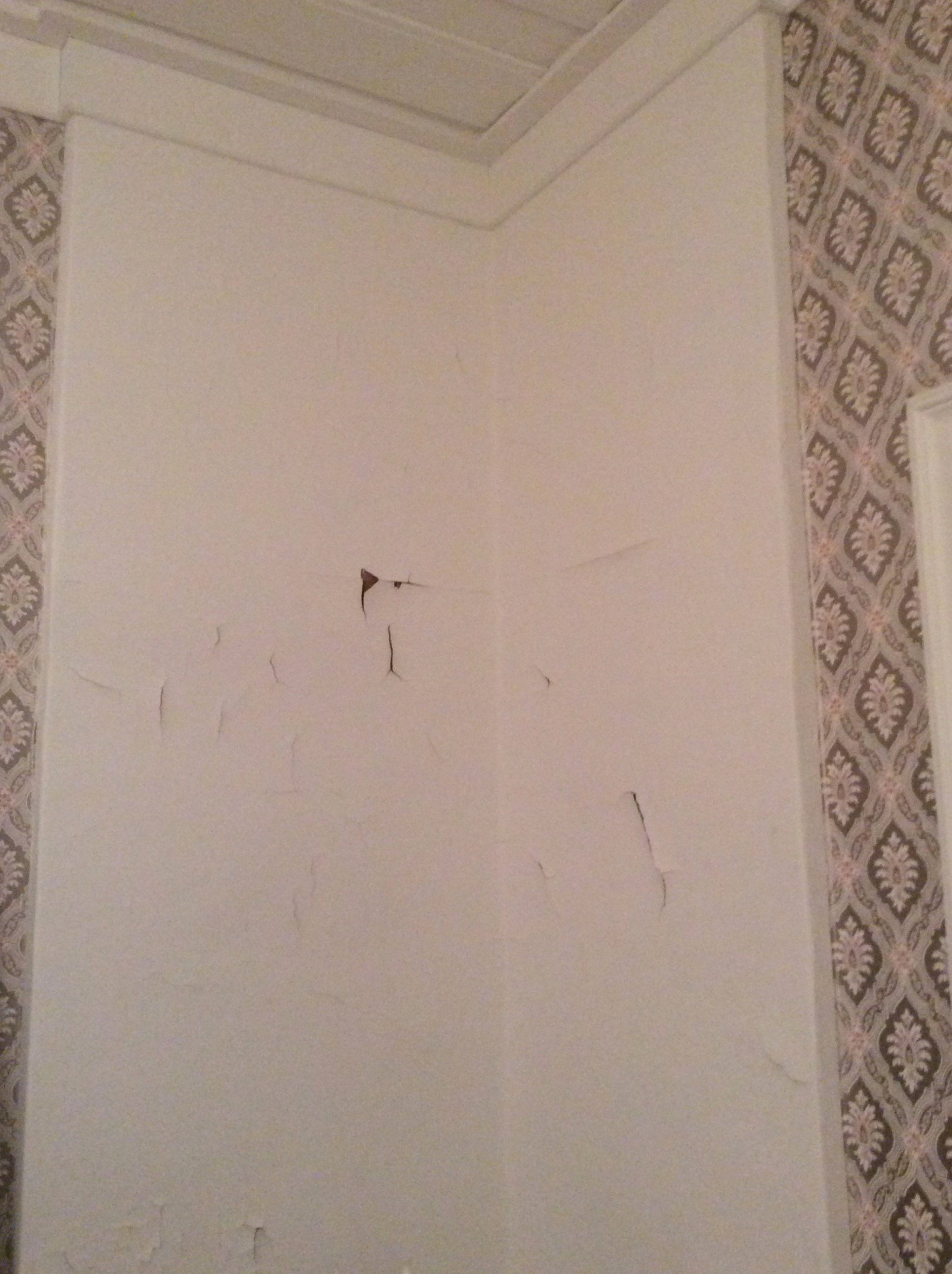
Could this wall be built with sprayed asbestos?
I first thought it was regular mortar behind an old fireplace, but I am not sure.
There was an old fabric “glued” to the surface earlier. We removed this and painted the surfaces.
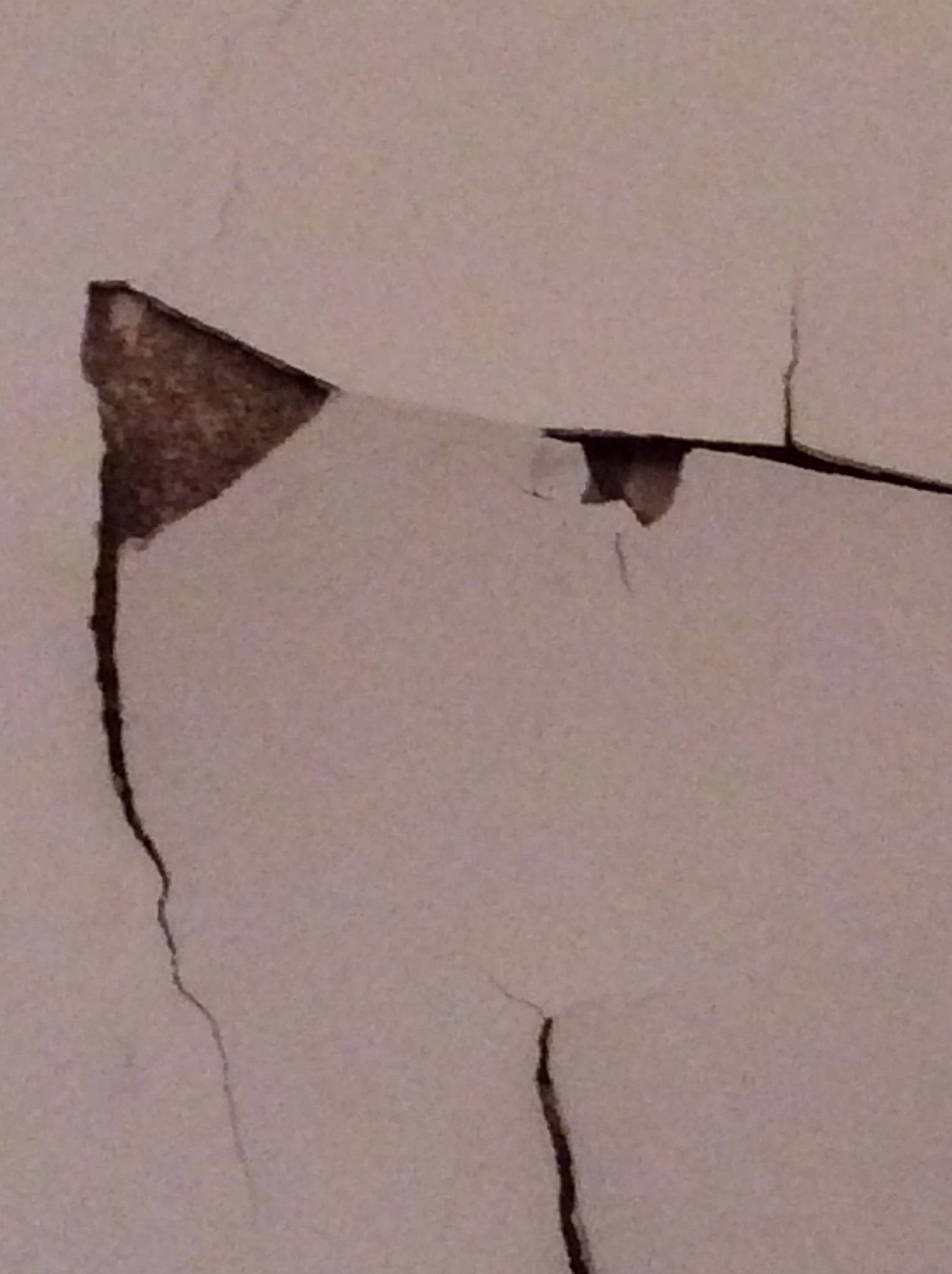
The paint applied about 5 years ago has started to peel off, and the surface underneath feels a bit bumpy but with a fairly smooth surface. The thickness is about 4-5 cm.
Sprayed asbestos or unlikely?
How can I determine this?
I do not want any mean comments about having an excessive worry about asbestos; I am only seeking serious answers from those who genuinely want to advise me on the matter and nothing else.
Does anyone know what sprayed asbestos looks like?
How does the material feel if you touch it?
Texture?
Does it resemble a plastered/masoned surface in appearance and feel?
Or does it look/feel different?
How thick is the material usually?
Could there be a 4-5 cm thick “wall” built up with sprayed asbestos behind a fireplace, or is it likely just the outer layer with regular mortar underneath?
Does anyone know if sprayed asbestos could have been used in the past on walls behind fireplaces like tiled stoves, etc.?
Or as a surface coating on chimney stacks?
Or on walls and ceilings in old boiler rooms? For example, on “reed mats.”
And, was sprayed asbestos used at all in private homes or just in industry?
Could this wall be built with sprayed asbestos?
I first thought it was regular mortar behind an old fireplace, but I am not sure.
There was an old fabric “glued” to the surface earlier. We removed this and painted the surfaces.
The paint applied about 5 years ago has started to peel off, and the surface underneath feels a bit bumpy but with a fairly smooth surface. The thickness is about 4-5 cm.
Sprayed asbestos or unlikely?
How can I determine this?

Sprayed asbestos is used as insulation on steel, ventilation ducts, etc. The combination of soundproofing-cladding is common in churches, lecture halls, restaurants.
Examples of different places where asbestos occurs:www.fiberanalys.dinstudio.se/files/Materiallista.pdf
Examples of different places where asbestos occurs:www.fiberanalys.dinstudio.se/files/Materiallista.pdf

That really looks like plaster behind the paint. I assume the chimney is no longer in use, and if moisture comes down from above, it likely causes the paint to peel. It was common to wallpaper or place fabric over chimneys when modernizing houses. People didn't want the old, outdated features to be visible.
Thank you lovely people for your feedback!
Yes, I'm hoping it's plaster. But, the surface is a bit shinier than plaster usually is, which is typically more rough. However, I wonder if it might be old glue, from the previous tapestry that was attached, contributing to the shiny surface, but there's plaster underneath. The chimney is still in use, but very rarely. There's a soapstone stove in the room next door, same chimney, but as mentioned, I rarely use this one.
Yes, I'm hoping it's plaster. But, the surface is a bit shinier than plaster usually is, which is typically more rough. However, I wonder if it might be old glue, from the previous tapestry that was attached, contributing to the shiny surface, but there's plaster underneath. The chimney is still in use, but very rarely. There's a soapstone stove in the room next door, same chimney, but as mentioned, I rarely use this one.
Click here to reply