I have a small question that I hope someone can answer.
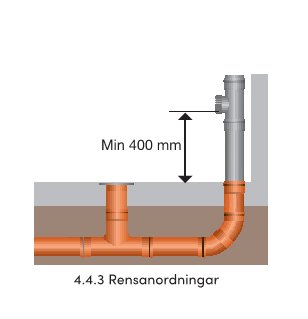
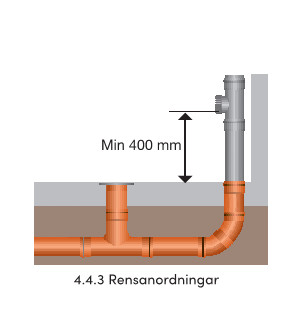
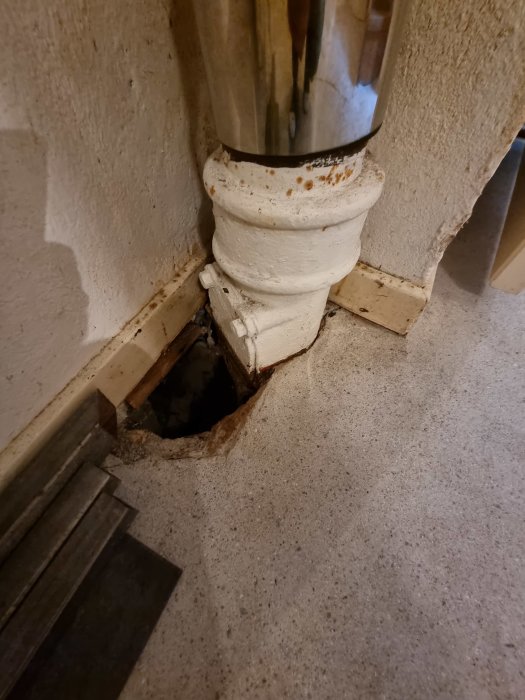
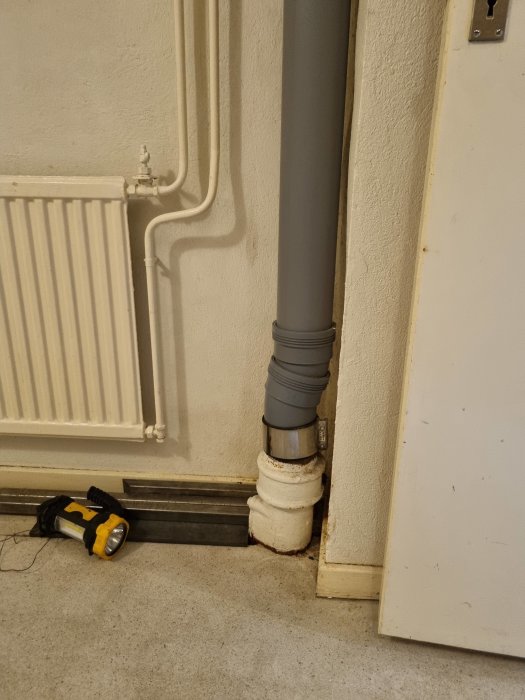
I plan to join the plastic pipe to the metal pipe below the ground surface instead of halfway above as it is now. In connection with this, I will install an access hatch a bit higher as it is difficult to access today.
The pipes looked fresh upon inspection and due to the level differences in the basement, I don't want to dig a meter down into the ground.
Should be a fairly simple maneuver to do myself? Or should I hire a plumber?
How have you cut the metal pipes? Is an angle grinder the way to go?
The difficult and tedious part is exposing the pipe. To chisel, dig, tear down, etc., until you reach a straight piece of cast iron pipe that you can use. Or if it's concrete in the ground? Is it ground or a joist that we see?
Otherwise, it's simple if you have the right parts at home.
Thanks for the response! It's plain concrete. Fortunately, they seem to have left some air, probably to be able to use the cleaning hatch.
But then is it just a matter of using an angle grinder and adding a joint?
Thanks for the reply! It is pure concrete. Fortunately, they seem to have left a bit of air, probably to be able to use the cleaning hatch.
But then it's just a matter of using an angle grinder and splicing on?
Yes exactly. I replaced the drain in the garden a week ago and was lucky that the concrete pipes broke off quite straight by chance. Then I inserted the plastic pipe into it and sealed with concrete. But that means your 110 mm plastic pipe must have a smaller outer diameter than the inner diameter of the concrete pipe.
Upstream I had to use a rubber coupling to get my concrete pipe, which was 4 inches (100 mm) in inner diameter and around 135 mm in outer diameter, to work with 110 mm plastic. It was this one:
Now I have driven up to get a bit more space.
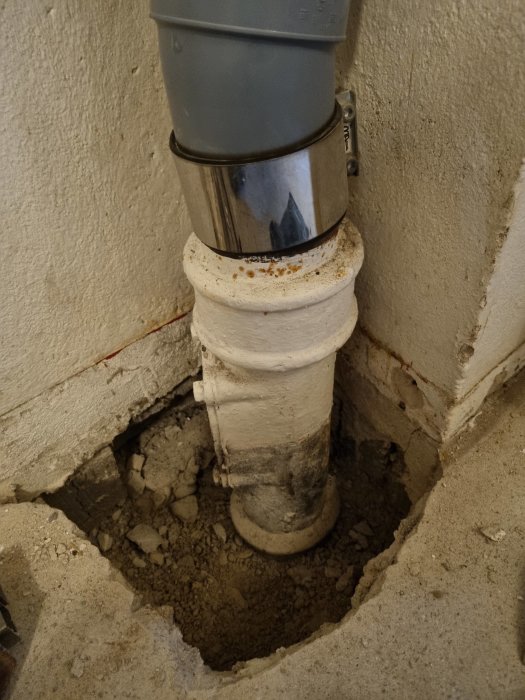
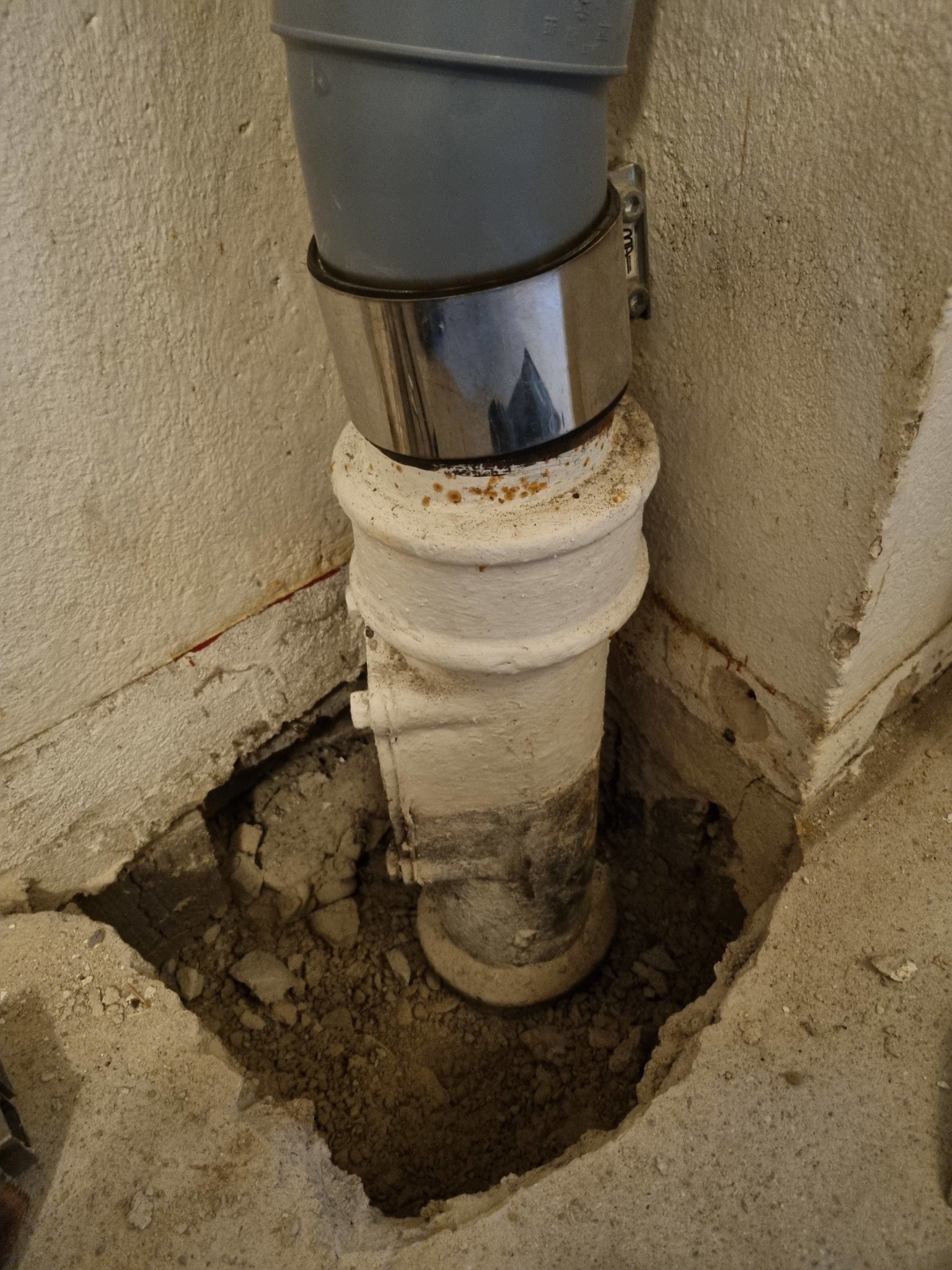
I should probably just cut below the cleaning hatch, buy a piece of pipe and reuse the coupling sleeve and seal everything again?
Now I have chipped away to get a bit more space.
I should probably just cut below the cleaning hatch, buy a piece of pipe and reuse the coupling sleeve and seal everything again?
[image]
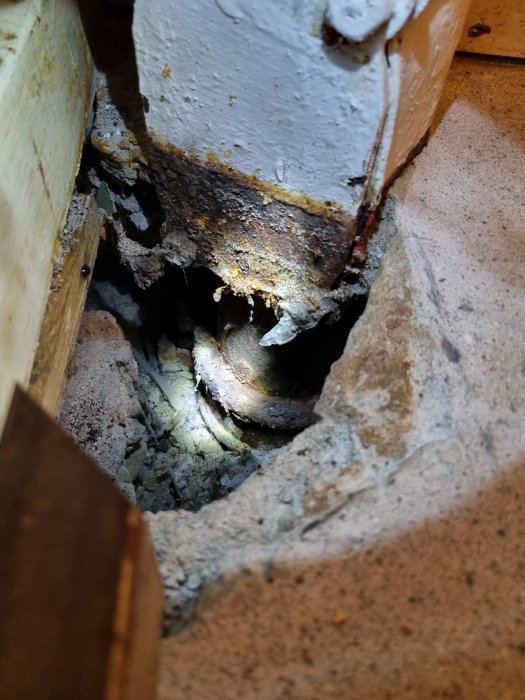
The difficulty here is to access something to cut the cast iron pipe. An angle grinder or a reciprocating saw will be hard to get down in the hole to achieve a straight cut.
Apart from that, it's simple, just as Claes describes, it's the exposure to an appropriate point that is tough and dirty. The connection is super simple.
The difficulty here is to access something to cut the cast iron pipe. An angle grinder or a reciprocating saw will be difficult to get down the hole to make a straight cut.
Besides that, it's simple; just like Claes describes, it's the exposure to a suitable point that is tough and dirty. The connection is super easy.
Thank you for the response! I can at least get down with the angle grinder now so I might have to take it in pieces and as the last step, get a smooth edge.





tommib said:
The difficulty here is to access something to cut the cast iron pipe. An angle grinder or a reciprocating saw will be difficult to get down the hole to make a straight cut.