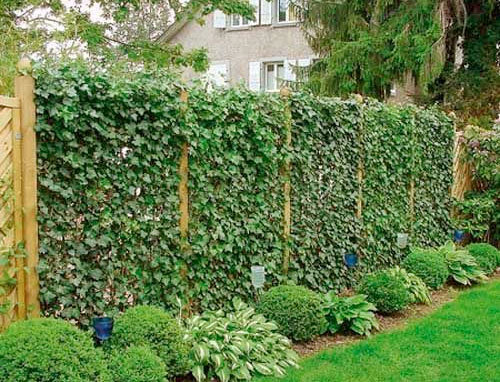
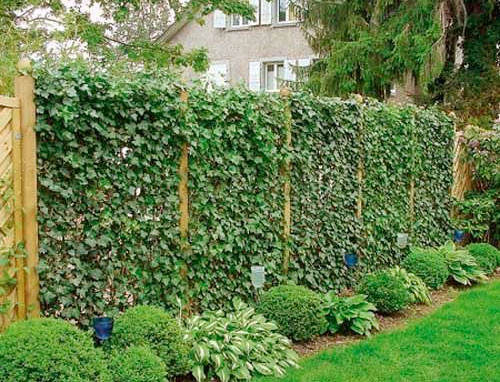
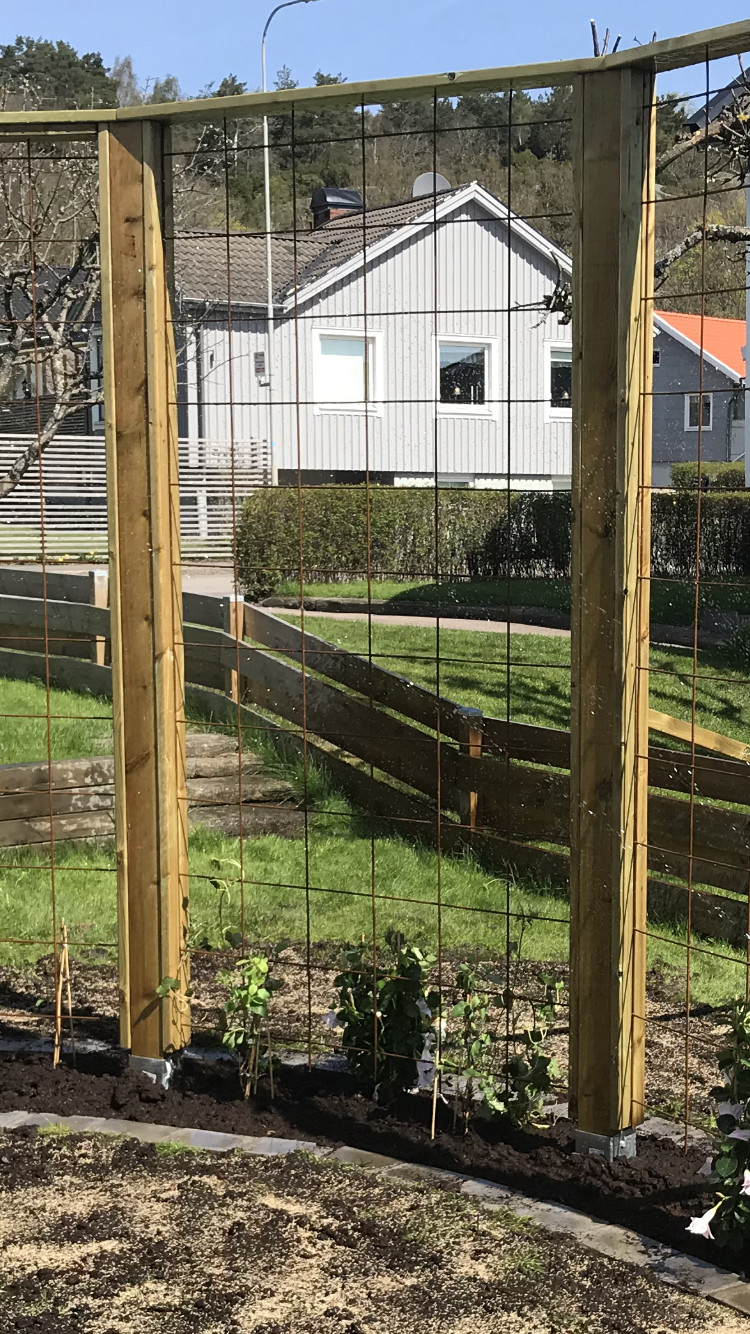
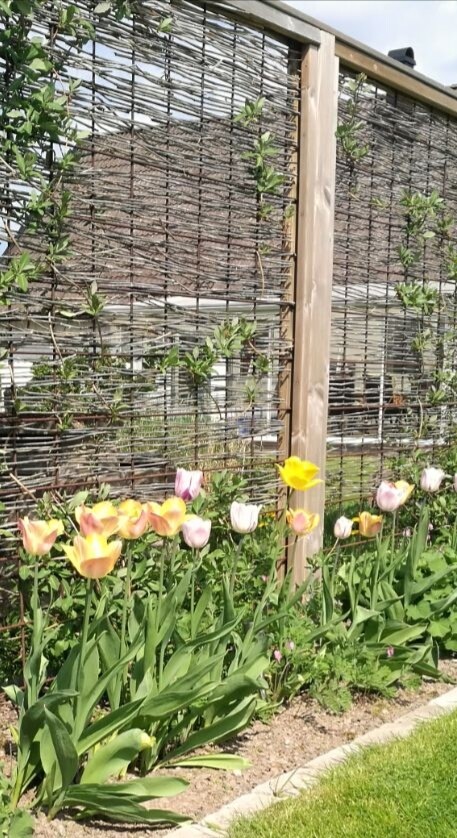
I've been tasked by my wife to build a rebar mesh fence that can also support ivy growth. I've looked around online for various solutions and concluded that it looks best if one grooves a slot in the post where the end of the rebar mesh is inserted.
But then the thought occurred to me, is it unwise to groove/rout in pressure-treated posts? I'm thinking it might drastically reduce the lifespan by causing faster rotting.
How did you do it when you built a rebar mesh fence?
Isn't it better to drill holes for the protruding pins? A single groove won't work.
Well, at the top there will be protruding pins but on it becomes a whole "rod" that rests against the post. It naturally depends on how you cut the net!
I'll check if there are already grooves in the posts. Great idea!
What dimensions did you have in mind for the posts? Could it be "good enough" to just take two pressure-treated boards or decking boards, place them on each side of the reinforcement mesh, and drive a screw through? Then crown with a small cap or top rail.
Alternatively, just set posts and screw the reinforcement mesh on the backside if you absolutely don't need a neat backside on the fence.
But it sounds like I'm overworking it since the ivy will cover it in the future.
Thanks for the great answer!
AAndersS said:
Nail with sturdy staples if you have a side that isn't visible, which is a common way. But they will still get overgrown, so no one will see them.
If you nail with staples into an already mounted post, it will be difficult to get them in, because the post vibrates. The trick is to put a temporary solid backstop on the backside. So something heavy, like a 10kg stone slab.
As dthompa described. The net hangs on the screws. Screw in from the back so they are not visible. The advantage is that the net becomes centered on the post.
As dthompa described. The net hangs on the screws. Screw in from the back so they are not visible. The advantage is that the net is centered on the post.
Does the net need to hang on anything at all if you clamp it around? It's probably if you don't want to have it in the ground.