
10,879 views ·
10 replies
11k views
10 replies
Spackling concrete wall vs lightweight concrete wall in basement
I have a basement without moisture problems, but I still want to be on the safe side and use the right tools and inorganic and diffusion-open materials when I smooth out a couple of walls. Two interior walls in concrete and two exterior walls in lightweight concrete elements ("insulation" not load-bearing).
I've understood that it seems to be cement-based plaster (C-plaster?) that is suitable, but I've used it externally on foundation walls before and find it difficult to use. Now we're also talking about very small level differences that need to be evened out (see pictures below).
What are our experiences here? I've searched through old threads but haven't seen much about basements and potentially damp environments. I would have preferred to work with something like regular sand filler for ease of work, but that probably doesn't work with my requirements for a damp environment, I suppose?
edit: forgot to mention that all wallpaper residues (the brownish stuff) will of course be painstakingly removed.
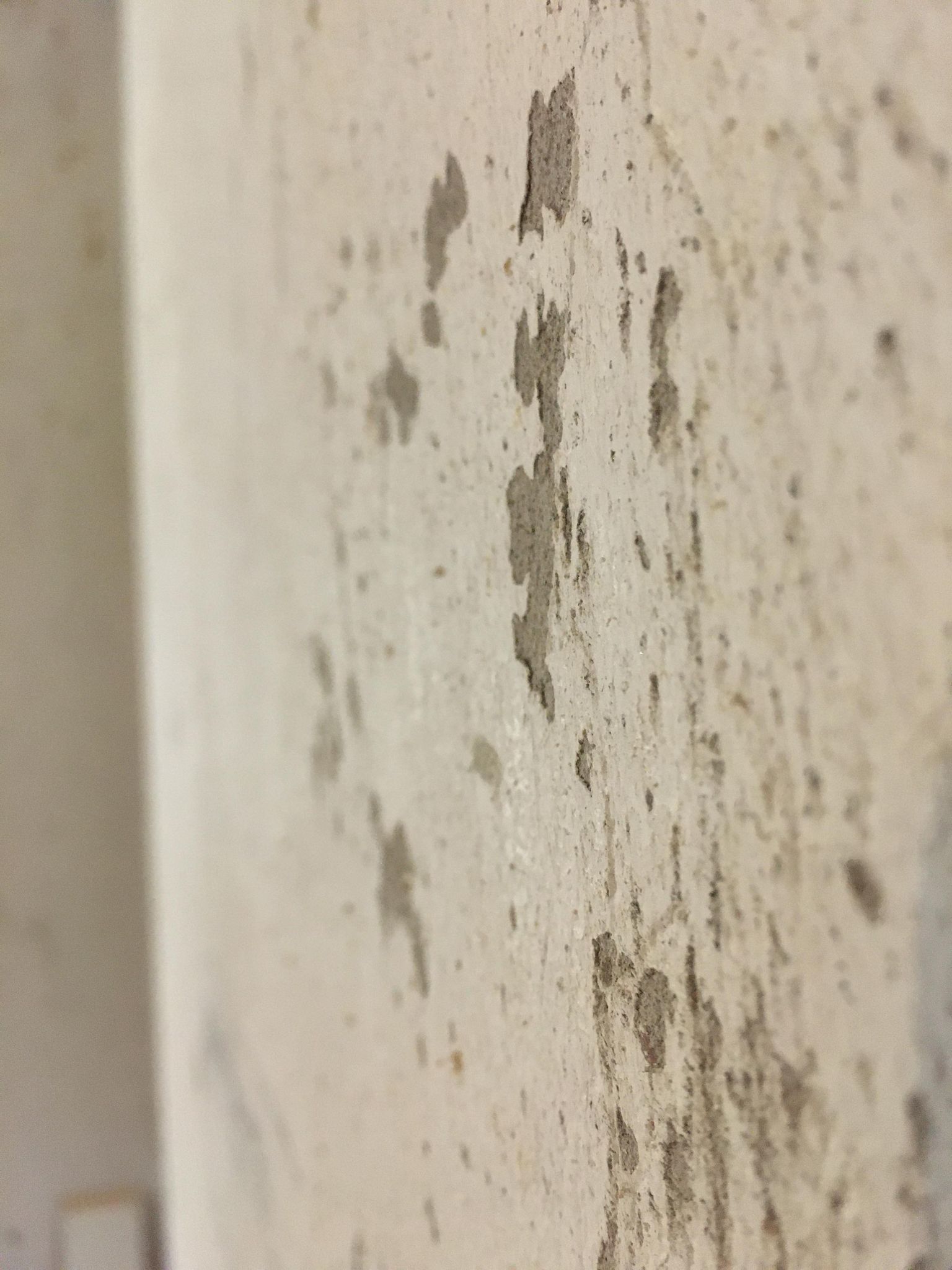
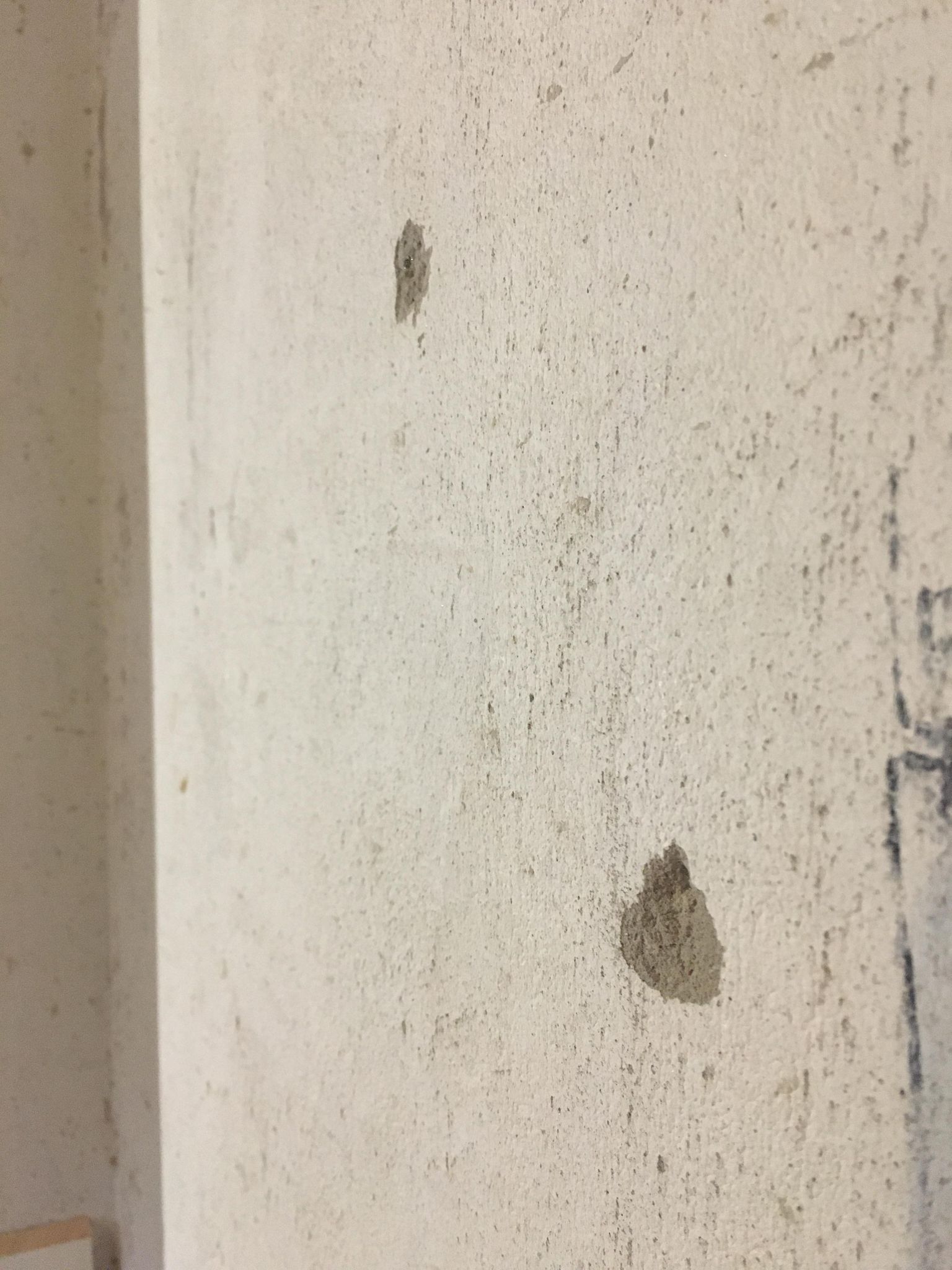
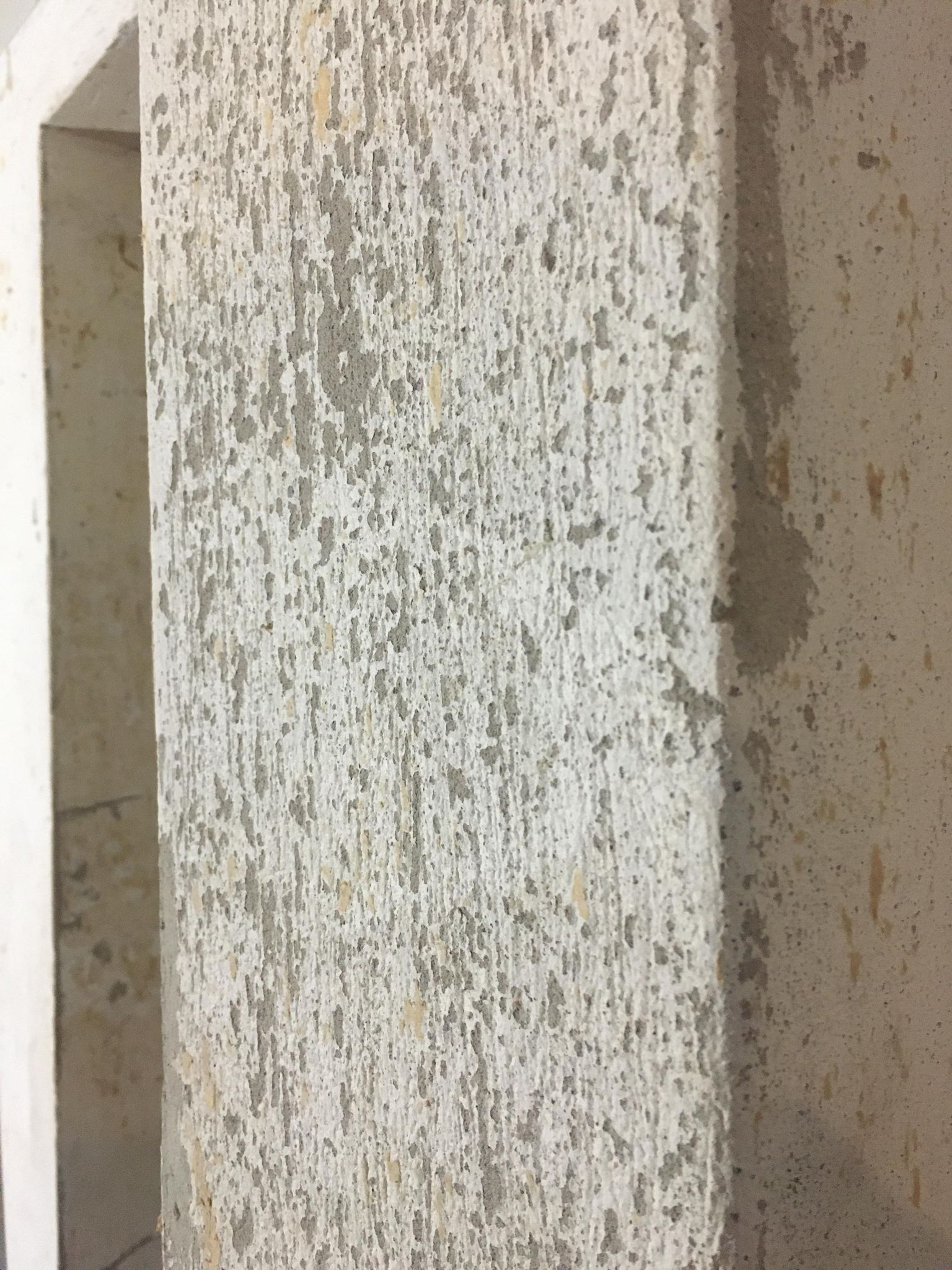
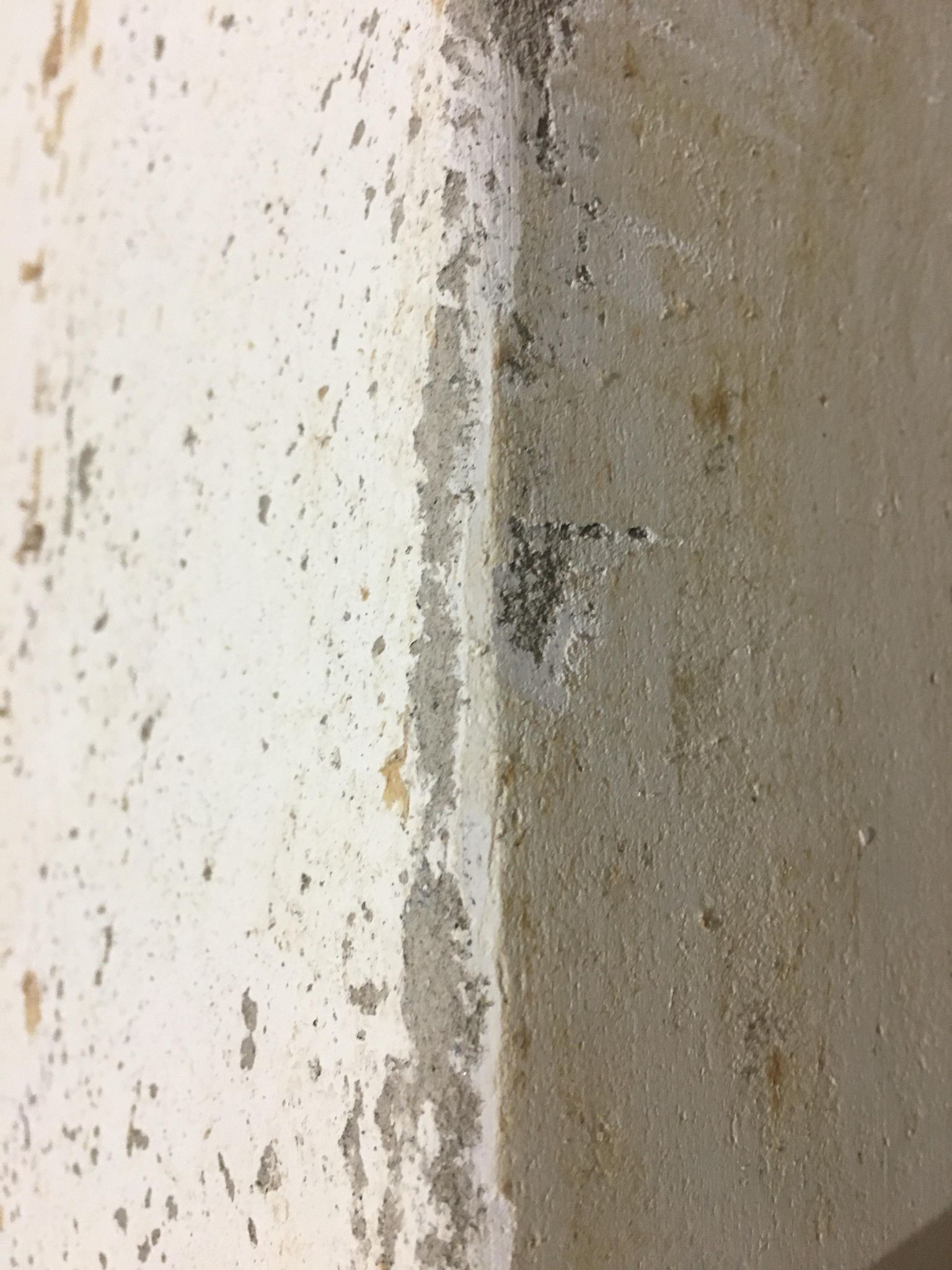
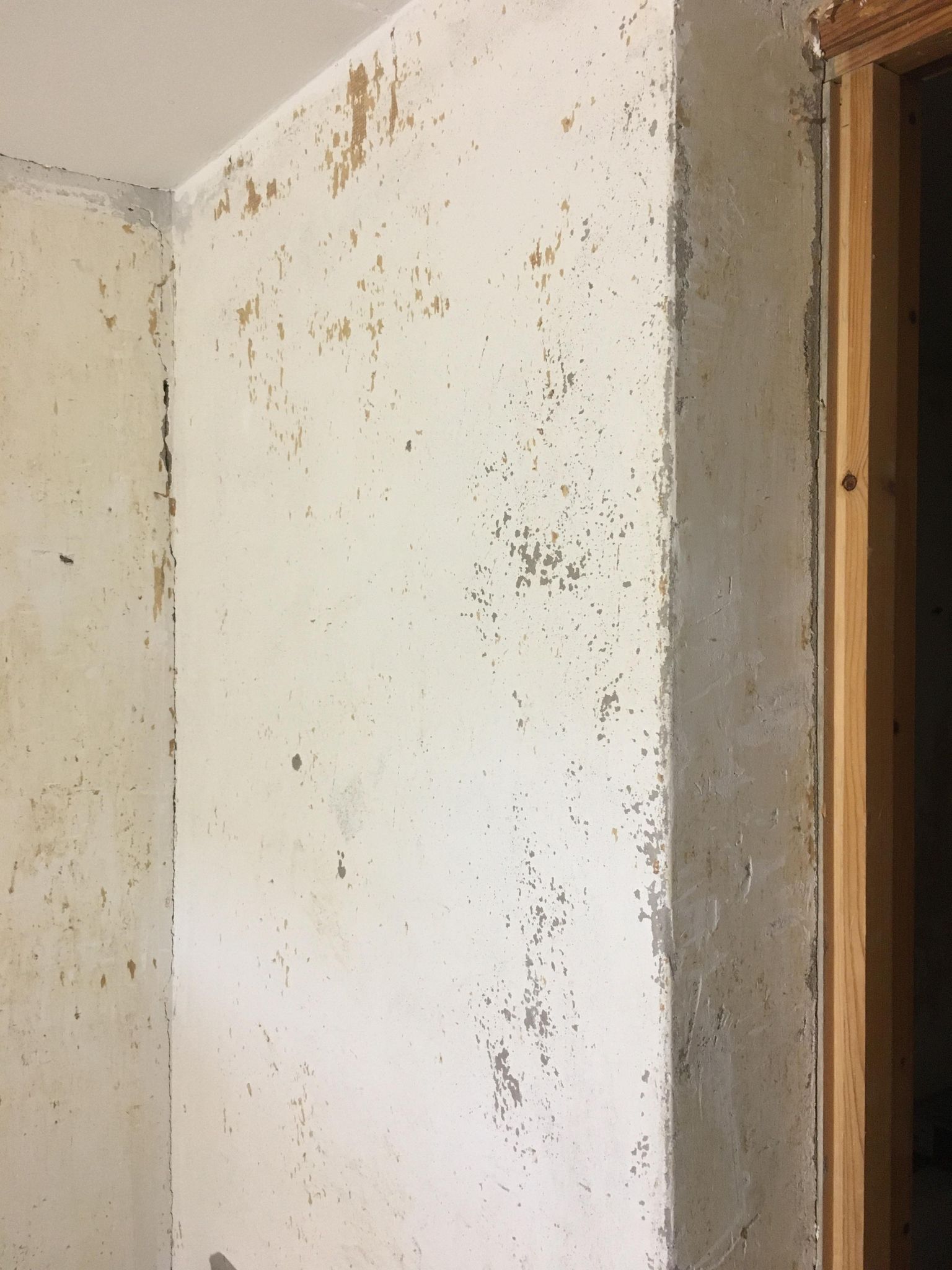
(actually only the left wall in the last image, which has lightweight concrete - in case anyone was wondering).
I've understood that it seems to be cement-based plaster (C-plaster?) that is suitable, but I've used it externally on foundation walls before and find it difficult to use. Now we're also talking about very small level differences that need to be evened out (see pictures below).
What are our experiences here? I've searched through old threads but haven't seen much about basements and potentially damp environments. I would have preferred to work with something like regular sand filler for ease of work, but that probably doesn't work with my requirements for a damp environment, I suppose?
edit: forgot to mention that all wallpaper residues (the brownish stuff) will of course be painstakingly removed.
(actually only the left wall in the last image, which has lightweight concrete - in case anyone was wondering).
I now see a thread here: https://www.byggahus.se/forum/threads/vilket-bruk-till-puts-av-kaellarvaegg.477664/ which is similar, but there are slightly rougher irregularities, wondering if I could get away with something simpler for my mm-deep pits.
I see in Finja's guide that was linked in that post that it might be a question of ädelputs ... ? (should "preferably be applied by a professional") ... could this be a suitable method?
https://www.finja.se/storage/ma/3e1...4A4B883A52B0F3A7BFF0/Hjälp vid - putsning.pdf
I see in Finja's guide that was linked in that post that it might be a question of ädelputs ... ? (should "preferably be applied by a professional") ... could this be a suitable method?
https://www.finja.se/storage/ma/3e1...4A4B883A52B0F3A7BFF0/Hjälp vid - putsning.pdf
I milled the surfaces and applied a layer of Weber 135 before painting with Silicate paint.
Here you can see a bit of what I did: https://www.byggahus.se/forum/threads/p-plats-renovering-fran-da-till-nu.307201/#post-2859521
Here you can see a bit of what I did: https://www.byggahus.se/forum/threads/p-plats-renovering-fran-da-till-nu.307201/#post-2859521
Construction rookie
· Göteborg
· 229 posts
Doesn't look too bad, considering just removing the loose parts and painting with silicate paint...
@P-plats: Interesting, it looks like Weber c-puts on the bag? How do you apply the plaster? With a broad trowel?
When I was about to buy silicate paint at the paint store, they asked if I had moisture problems - which I don't have at the moment (drained 5 years ago) - then they recommended "concrete paint" (Alcro in that case), the technical name seems to be styrene acrylate.. but a bit unsure.
I would like to achieve the smoothest surface possible.
@M.sandström has tried painting with the concrete paint I bought, but isn't getting good results - no pictures here - clearly more work is needed to make it smooth. Still unsure exactly how..
When I was about to buy silicate paint at the paint store, they asked if I had moisture problems - which I don't have at the moment (drained 5 years ago) - then they recommended "concrete paint" (Alcro in that case), the technical name seems to be styrene acrylate.. but a bit unsure.
I would like to achieve the smoothest surface possible.
@M.sandström has tried painting with the concrete paint I bought, but isn't getting good results - no pictures here - clearly more work is needed to make it smooth. Still unsure exactly how..
On Weber's website, there's a lot of info and even a video on how to proceed: https://www.se.weber/fasad-puts-och...system/putsbruk/weberbase-135-putsbruk-c-handKJD said:
@P-plats: Interesting, looks like Weber c-plaster on the bag? How do you apply the plaster? With a wide spatula?
When I was going to buy silicate paint at the paint store, they asked if I had moisture problems - which I don't have at the moment (drained 5 years ago) - then they recommended "concrete paint" (Alcro in that case), the technical name seems to be styrene acrylate... but a bit unsure.
I'd like to achieve as smooth a surface as possible.
@M.sandström has tried painting with the concrete paint I bought, but isn't getting good results - no pictures here - clearly more work is needed to get it smooth. Still unsure exactly how...
I liked this product as an enthusiastic amateur to work with, but it requires some practice to get good results.
Regarding the choice of paint, I personally think the paint store makes a mistake there because even if it's not a problem today, it can become a problem and then you trap the moisture.
I have personally painted with Alcro's Silicate paint and am really satisfied a few years later.
Ok, then I guess it's completely inorganic and permeable?joakim_j said:
Found this about Husfix here on the forum:
"In Casco's product sheet for GipsFiller, it states that it should be used for indoor use, and for surfaces that may be exposed to moisture, HusFix is recommended instead."
That sounds promising - I'll see if I can find information about this at Casco for example.
Ok, it is completely inorganic and permeable then, I guess?
Found this about Husfix here on the forum:
"In Casco's product sheet for GipsFiller, it states that it should be used for indoor use and on surfaces that may be exposed to moisture, HusFix is recommended instead."
That sounds promising - let's see if I can find information about this at Casco for example.
nice, that video was exactly what I was looking for, I see now. nice. thank youP-plats said:
On Weber's website there is a lot of information and even a video on how to proceed:
[link]
I liked this product as an enthusiastic amateur to work with, but it requires some practice to achieve good results.
When it comes to the choice of paint, I personally think the paint dealer is making a mistake there because even if it isn't a problem today, it can become one and then you trap the moisture.
I myself have painted with Alcro's Silicate Paint and am really satisfied a few years later.
 . we will try it.
Yes, it is a cement-based filler as I understand it. So kind of like plaster, but finer grain and easier to work with, it's almost like ordinary filler to work with.Ok, it is completely inorganic and permeable then I guess?
Found this about Husfix here on the forum:
"In Casco's product sheet for GipsFiller, it says that it should be used for indoor use and on surfaces that can be exposed to moisture, HusFix is recommended instead."
That sounds promising - let's see if I can find info about this at Casco for example.
got a tip to watch Finja/Björn C's video where he plasters interior walls, and mentions repair and "fine plastering" - he recommends C mortar fine 0-1 mm, I am planning to try that
https://k-bygg.se/sortiment/byggmaterial/bruk-bindemedel/bruk/950219
Click here to reply