
2,761 views ·
9 replies
3k views
9 replies
Significant thermal bridge at floor/wall in house with crawl space – normal
I have a house with a ventilated crawl space and experience a significant draft along the floor where the exterior wall meets the floor joists, especially behind the kitchen cabinets.
I have examined with a thermal camera and get 1–4 °C along the entire floor/wall line, despite about 21 °C indoors.
Facts:
Crawl space with plastic on the ground
Floor joists according to protocol in lightweight concrete (assessed "risk-free construction")
No visible air leaks
The cold is felt in the actual construction, not as a clear draft
Same pattern along the entire wall
Is this normal for such a construction?
Has anyone experienced something similar?
What is the correct, permanent measure from the crawl space?
Images from under all kitchen cabinets that stand on legs
I have examined with a thermal camera and get 1–4 °C along the entire floor/wall line, despite about 21 °C indoors.
Facts:
Crawl space with plastic on the ground
Floor joists according to protocol in lightweight concrete (assessed "risk-free construction")
No visible air leaks
The cold is felt in the actual construction, not as a clear draft
Same pattern along the entire wall
Is this normal for such a construction?
Has anyone experienced something similar?
What is the correct, permanent measure from the crawl space?
Images from under all kitchen cabinets that stand on legs
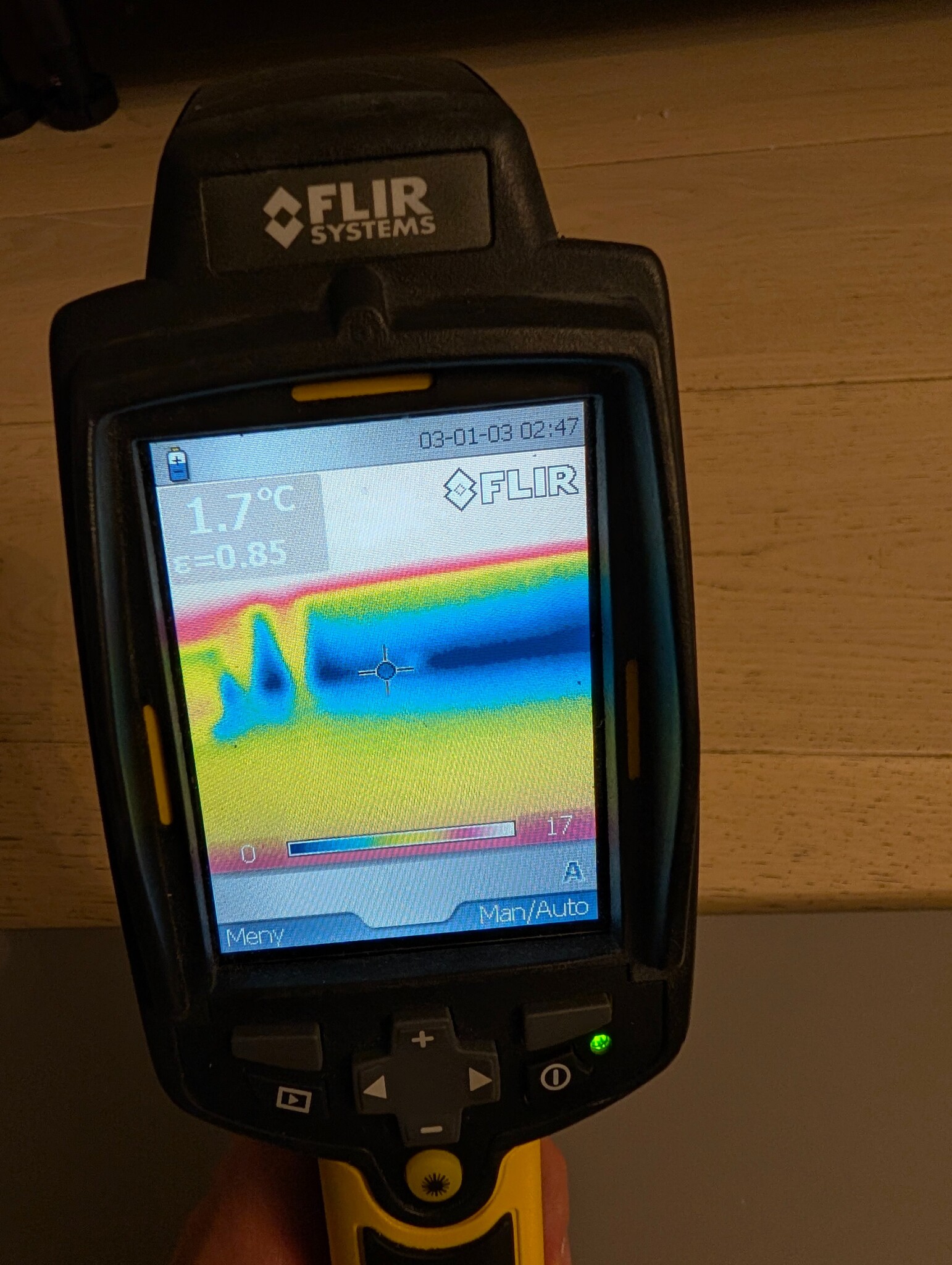
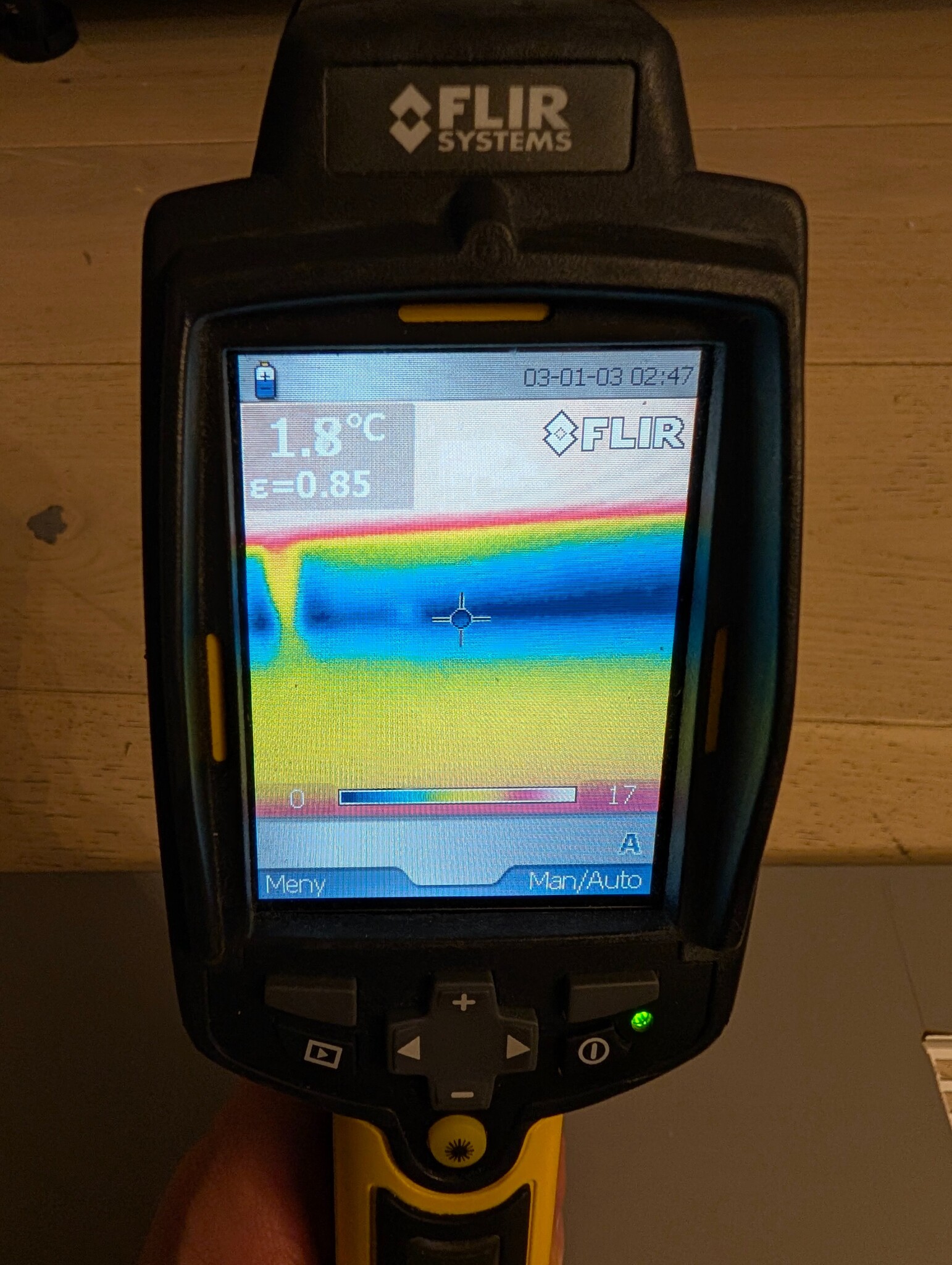

Self-builder
· Stockholm
· 8 600 posts
If it's properly built, it shouldn't be like that. If the house is newly built, it might be worth bringing it up with the contractor.Karam 12 said:
I have a house with a ventilated crawl space and experience significant cold air infiltration along the floor where the outer wall meets the joist, especially behind the kitchen cabinets.
I have examined with a thermal camera and get 1–4 °C along the entire floor/wall line, despite about 21 °C indoors.
Facts:
Crawl space with plastic on the ground
Joist according to protocol in lightweight concrete (assessed as "risk-free construction")
No visible air leaks
The cold is felt in the construction itself, not as a clear draft
Same pattern along the entire wall
Is this normal for such a construction?
Has anyone experienced something similar?
What is the correct, permanent measure from the crawl space?
Pictures from under all kitchen cabinets that stand on legs
A slight reduction in insulation might occur exactly where the wall meets the foundation, but it shouldn't be as cold as you're measuring, I think?
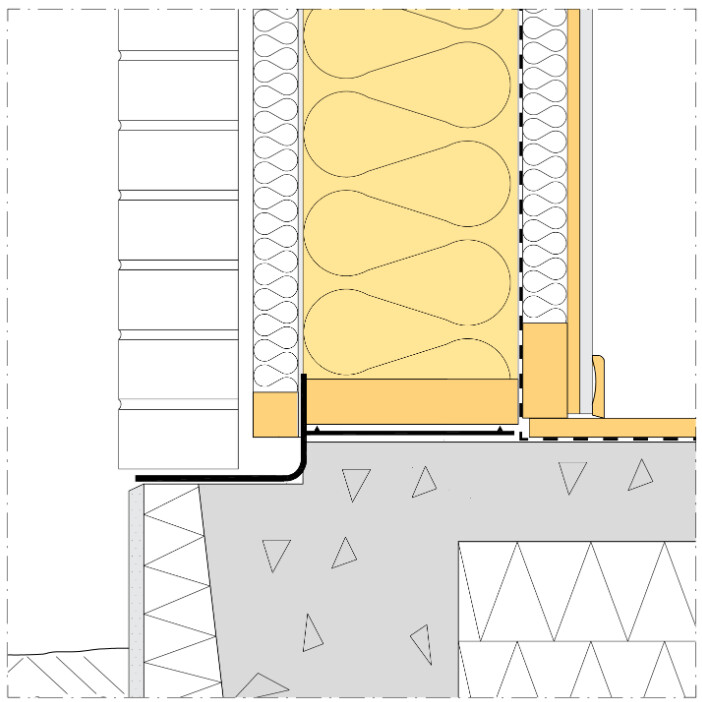
I had something similar, experienced that air was going between the floor and walls, the walls acted like a chimney, and especially under cabinets along the outer wall it was noticeably cold. The problem disappeared completely when I expanded the kitchen and tore down that exterior wall. I tried injecting foam sealant, a little better but not a good result from the foam.I have a house with a ventilated crawl space and experience significant cold drafts along the floor where the exterior wall meets the joist, especially behind the kitchen cabinets.
I have examined with a thermal camera and get 1–4 °C along the entire floor/wall line, despite about 21 °C indoors.
Facts:
Crawl space with plastic on the ground
Joist according to protocol in lightweight concrete (assessed as “risk-free construction”)
No visible air leaks
The cold is felt in the construction itself, not as a clear draft
Same pattern along the entire wall
Is this normal for such a construction?
Has anyone experienced anything similar?
What is the correct, permanent solution from the crawl space side?
Pictures from under all kitchen cabinets that are on legs
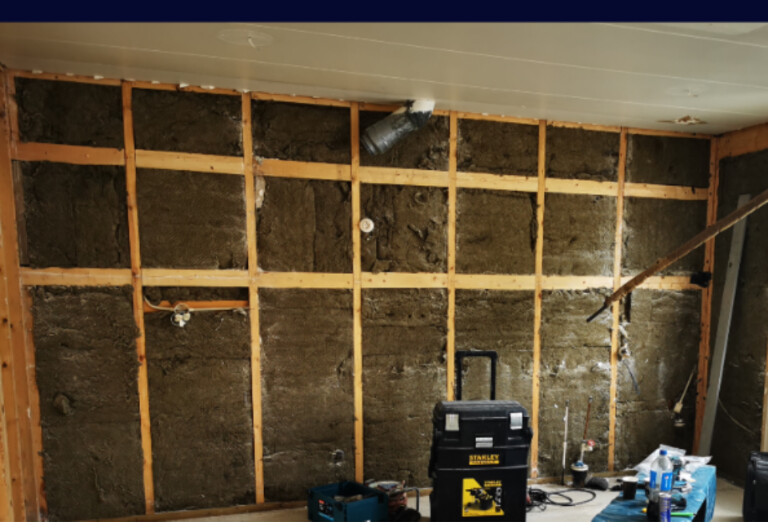
I assume it's the sill gasket that's missing or that the foundation is too uneven.
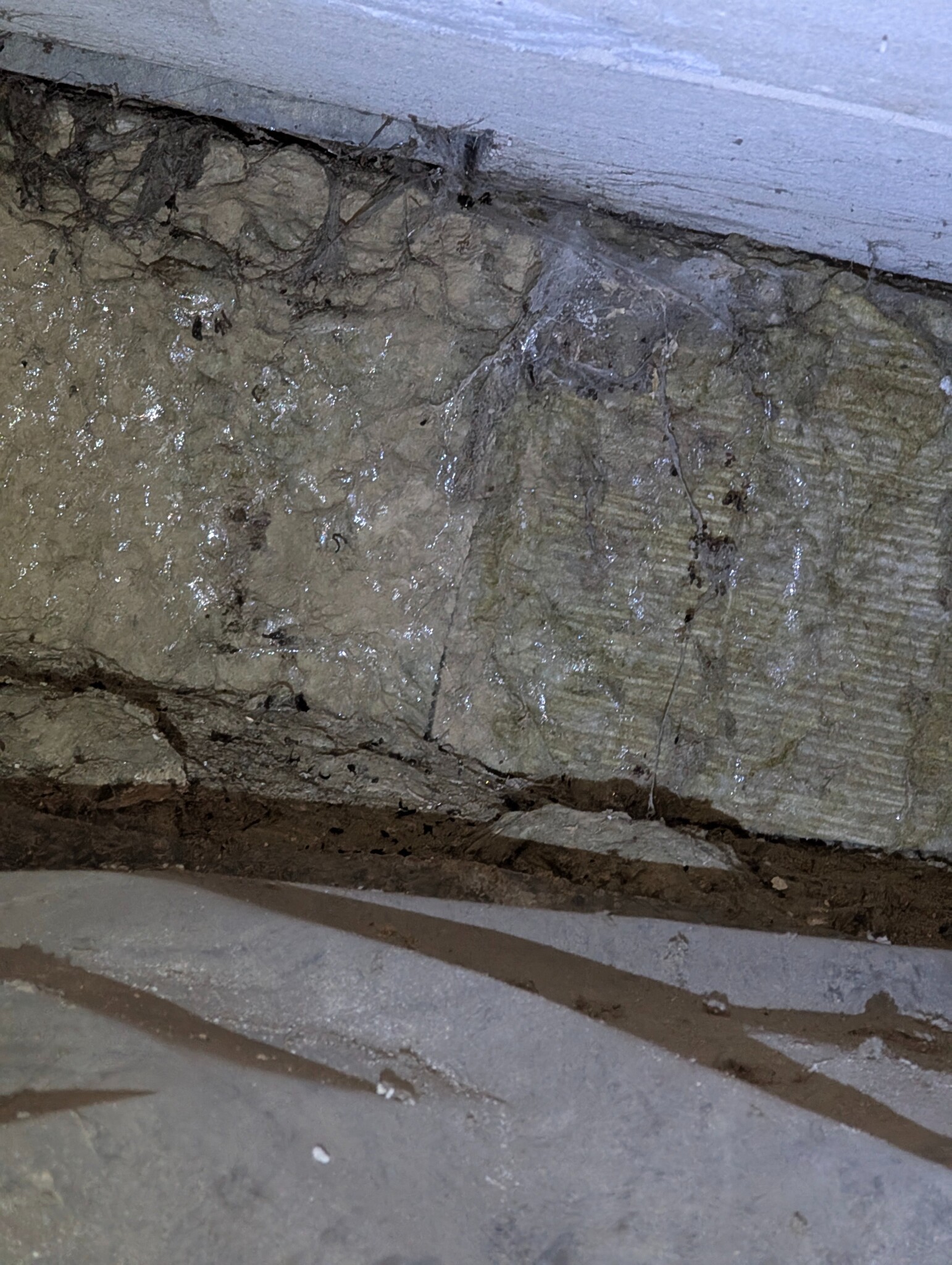
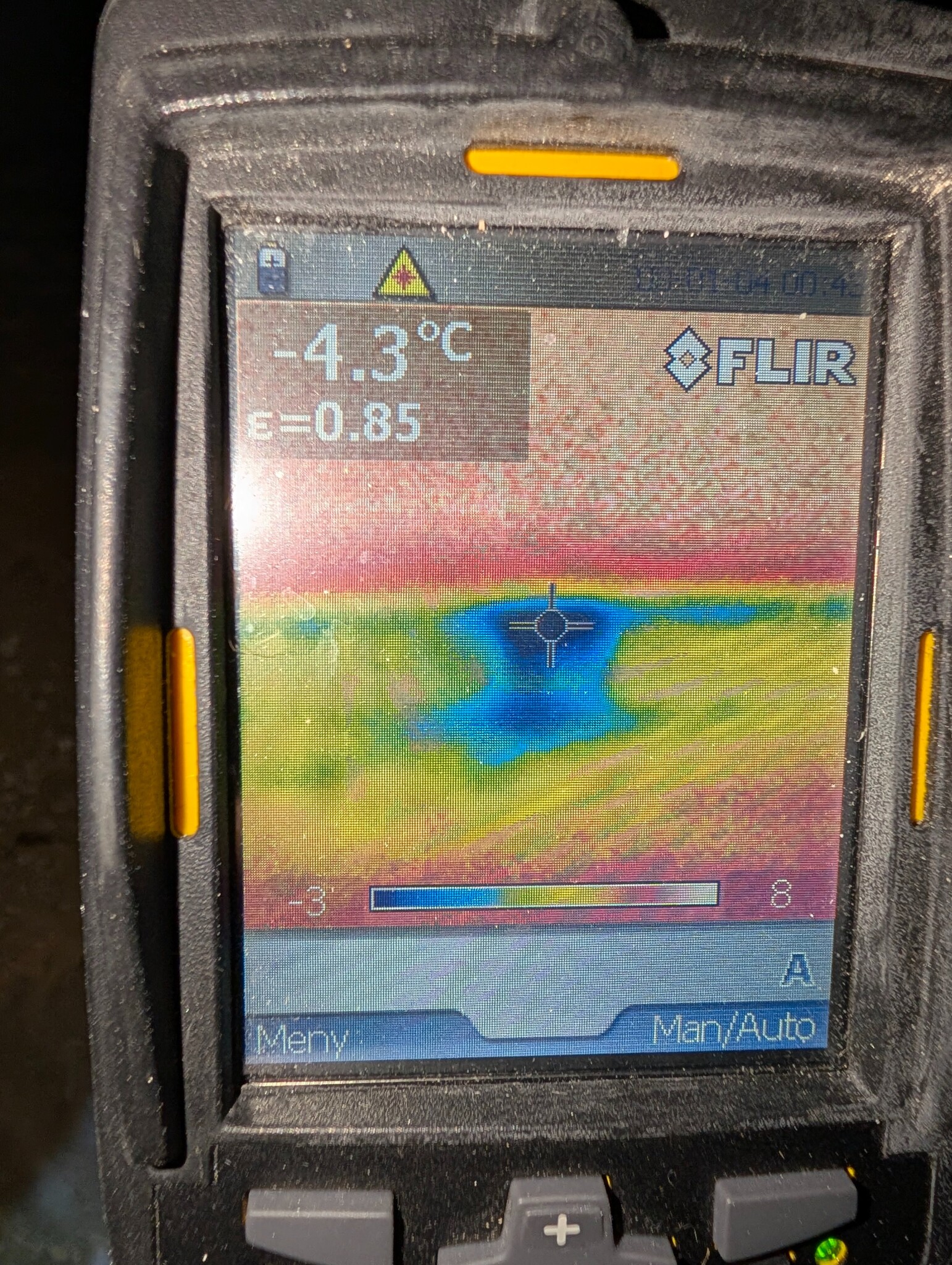
I got to crawl today and inspect with a thermal camera for the first time. It turned out that poor insulation and condensation, as the images show, and the same thermal bridge down that goes directly up.
The edge of the joist lacks a wind barrier and insulating barrier
The mineral wool hangs freely and shows a clear so-called dust filter effect, indicating that cold air flows through the construction
Surface temperatures down to about −4 °C have been measured in the insulation
Two inspection reports that clear the construction. Isn't this a latent defect?
The edge of the joist lacks a wind barrier and insulating barrier
The mineral wool hangs freely and shows a clear so-called dust filter effect, indicating that cold air flows through the construction
Surface temperatures down to about −4 °C have been measured in the insulation
Two inspection reports that clear the construction. Isn't this a latent defect?
Duty to investigate vs. Hidden defectsI got to crawl today and investigate with a thermal camera for the first time. It turned out that poor insulation and condensation, as the pictures show, and the same thermal bridge below that goes straight up.
The edge of the floor lacks windproofing and an insulating barrier
The mineral wool hangs freely and shows a clear so-called dust filter effect, which shows that cold air flows through the construction
Surface temperatures down to about −4 °C have been measured in the insulation
two inspection reports that clear the construction Isn't this a hidden defect?
This is the most difficult point. As a buyer, you have an extensive duty to investigate.
Dust filter effect: Mineral wool discolored by dust is a classic sign of air leakage. If this was visible in the crawl space at the time of purchase, it is often considered a "warning signal."
Warning signals: If an inspection or a visual check (that you look) indicates deficiencies, your duty to investigate is expanded. Then you are expected to proceed, e.g., by using a thermal camera or opening the construction.
If the defect required a thermal camera and sub-zero temperatures outside to be seen, it can be argued that it was hidden during a regular viewing/inspection.
Self-builder
· Stockholm
· 8 600 posts
In addition, it is a hidden defect if it cannot be reasonably expected considering the house's condition and age.5 59Hansåke said:Inspection Duty vs. Hidden Defects
This is the most difficult point. As a buyer, you have an extensive inspection duty.
Dust filter effect: Discolored mineral wool from dust is a classic sign of air leakage. If this was visible in the crawl space at the time of purchase, it is often considered a "warning sign."
Warning signs: If an inspection or a visual check (just looking) indicates defects, your inspection duty expands. You are then expected to proceed, for example, by using a thermal camera or opening the construction.
If the defect required a thermal camera and subzero temperatures outside to be visible, it can be argued that it was hidden during a regular viewing/inspection.
If I understood correctly, it was renovated, but built quite a long time ago?
I would say put the money and energy into sealing. It's an uphill battle to claim it as a hidden defect, especially if by crawling under the foundation and filming with a thermal camera (+ visual check), you could easily see that it seemed suspicious - it's not a destructive inspection...
Click here to reply