Firstly, my Swedish isn't great in this context so please excuse the assumption. Feel free to respond in Sweden, no problem. Here we go...
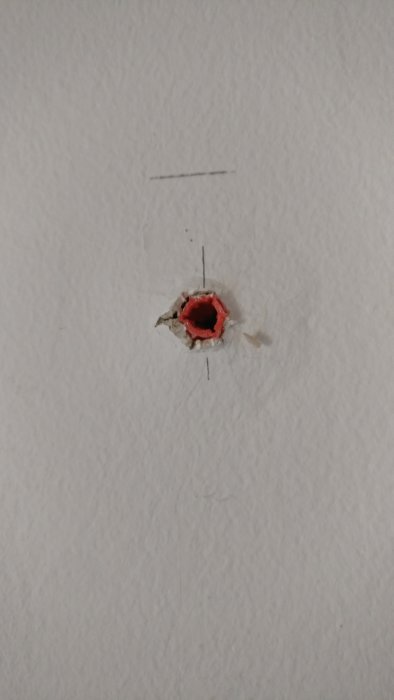
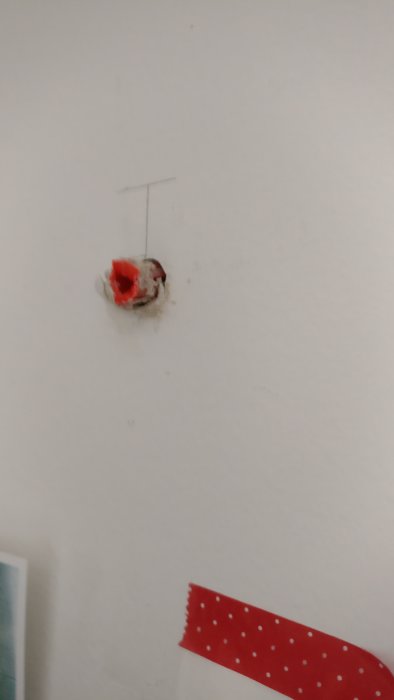
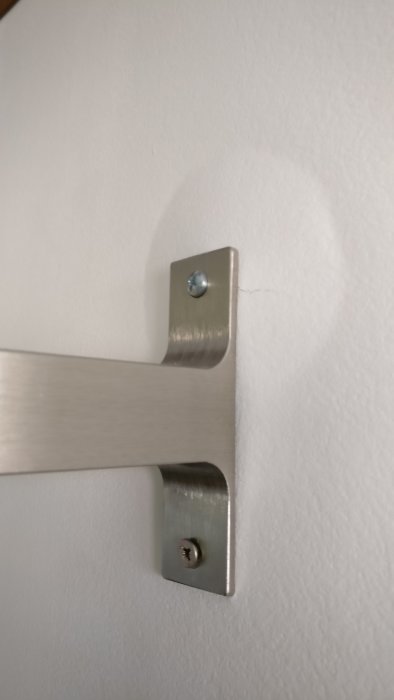
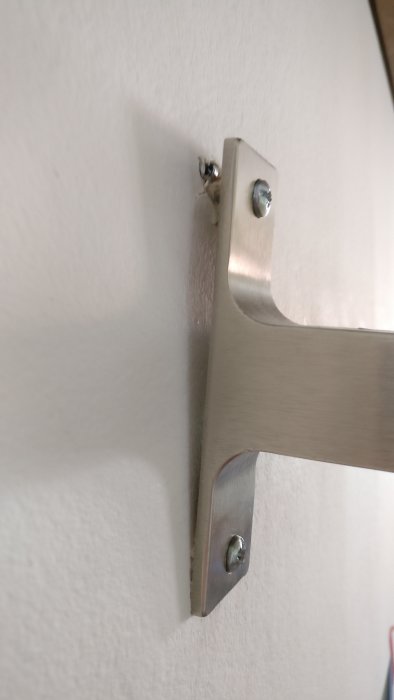
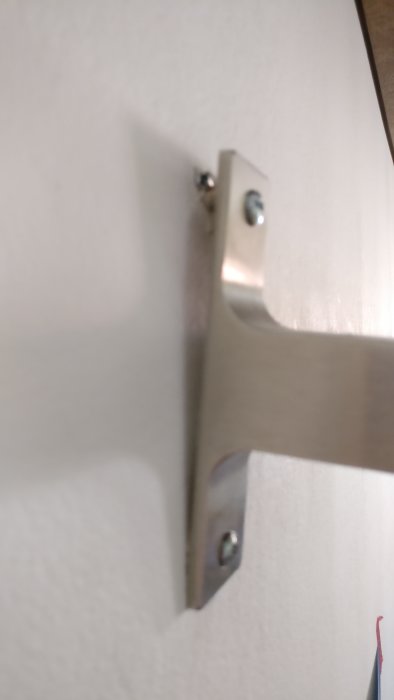
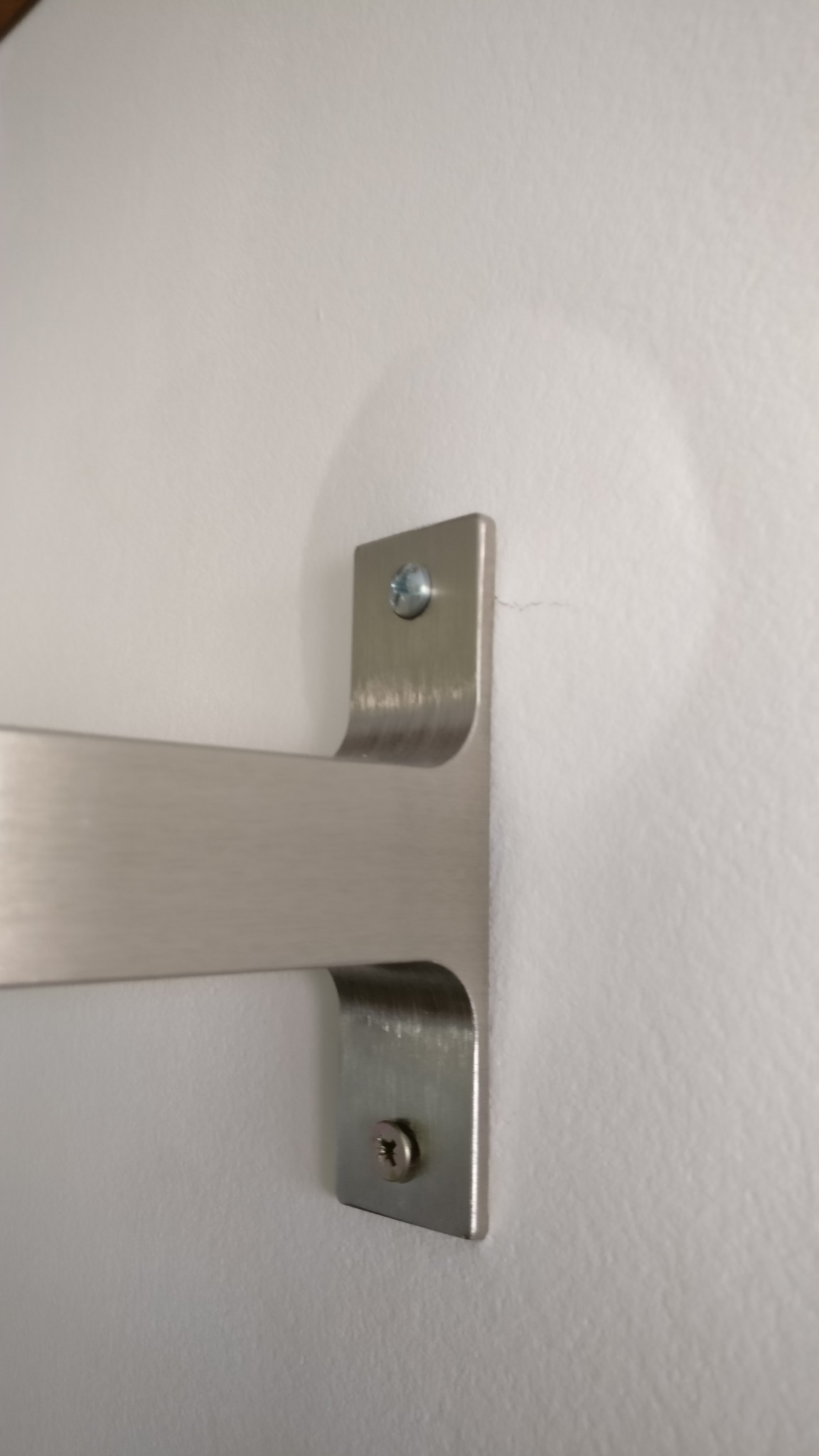
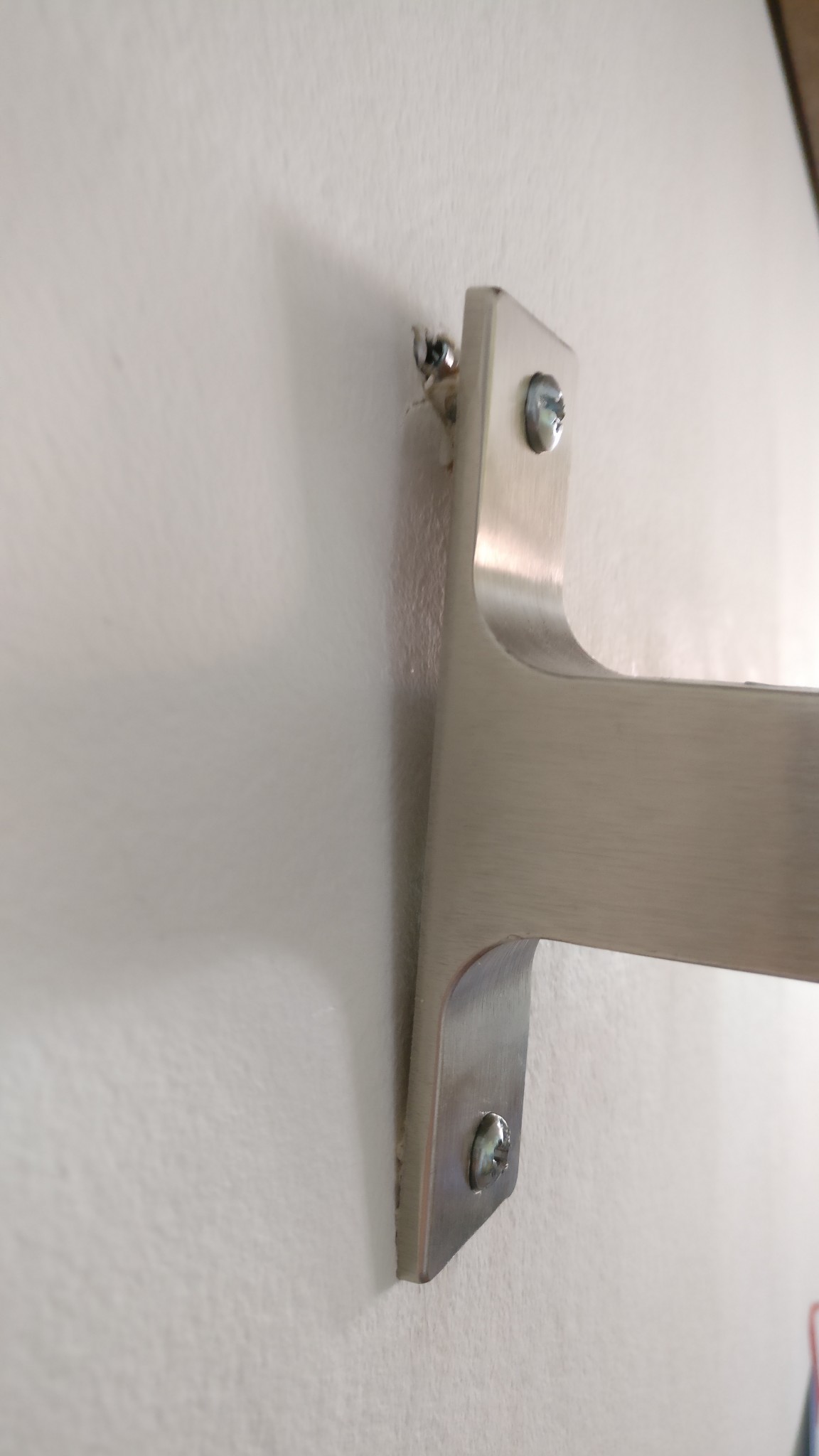
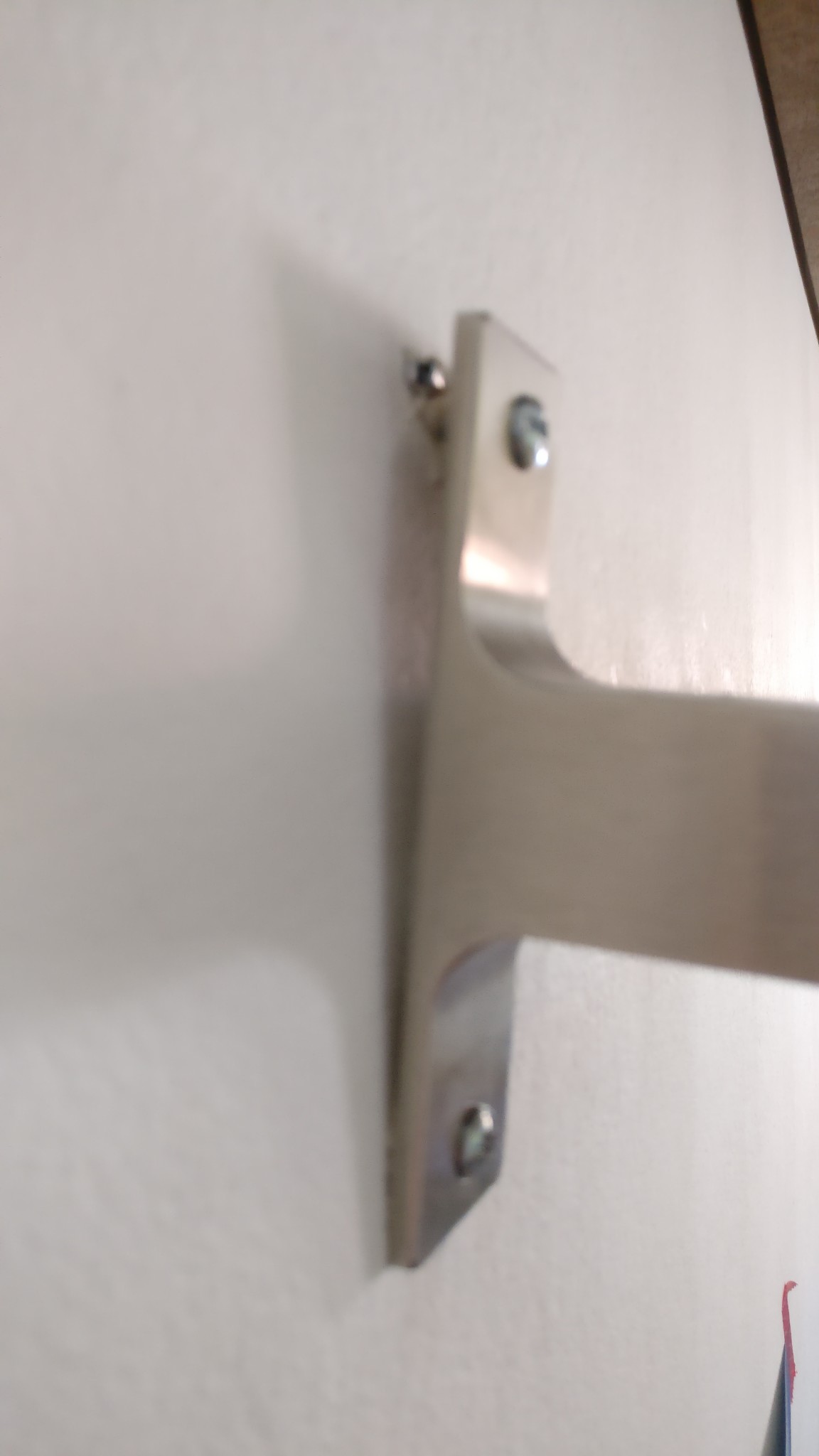
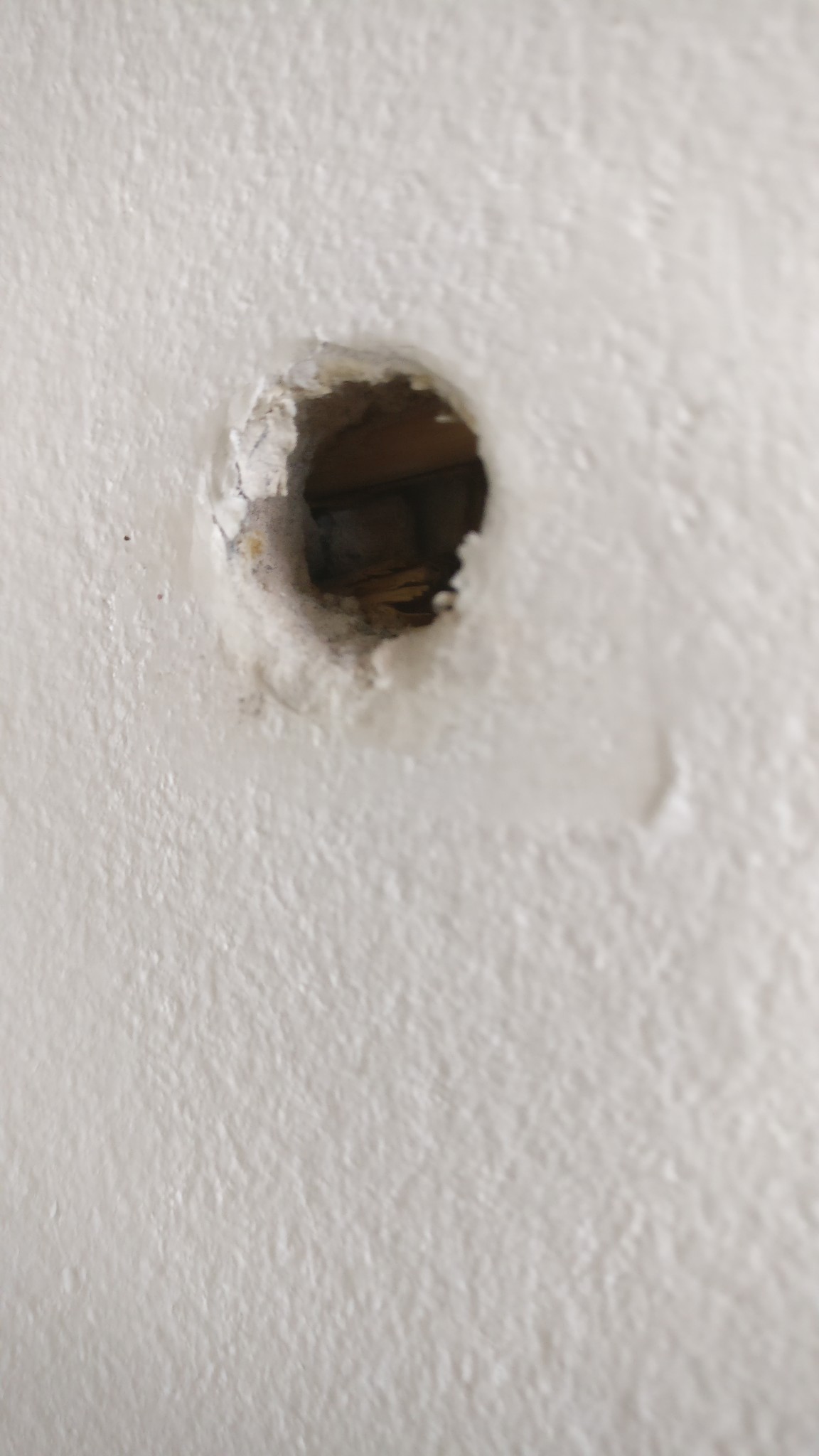
We live in an apartment in Malmö built in the 1950s (ish?) and each wall seems to be built of differing materials. One wall, which is not load-bearing, had a heavy shelf we hung months ago. The other day it began ripping itself out of the wall. After removal, many issues were noted and possible solutions discussed. However, neither my wife nor I know enough to be sure repairs and remounting would be 100% successful. To this end, I turn to you lovely people for help.
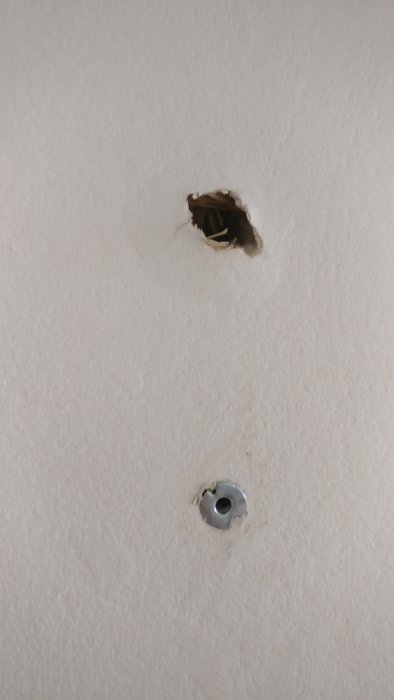
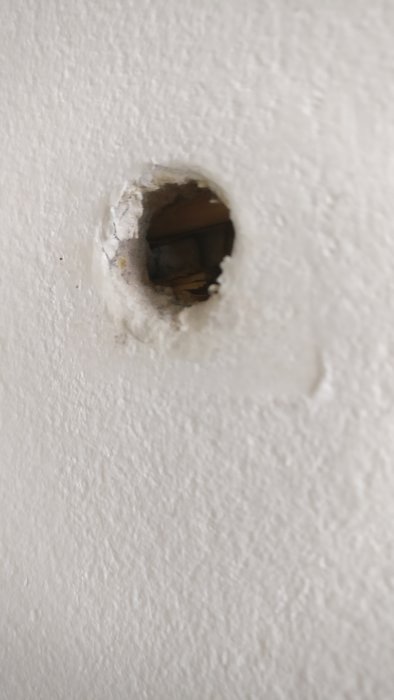
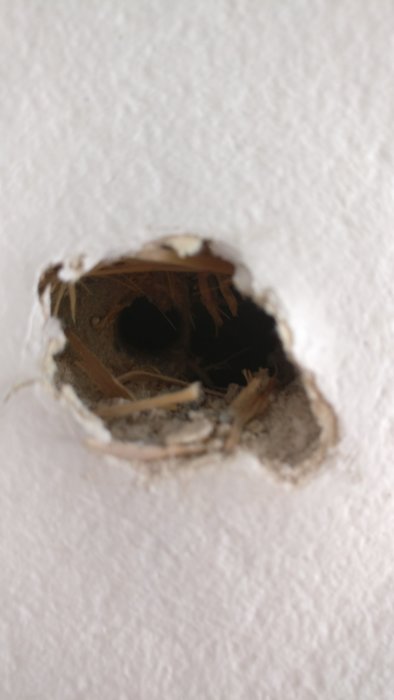
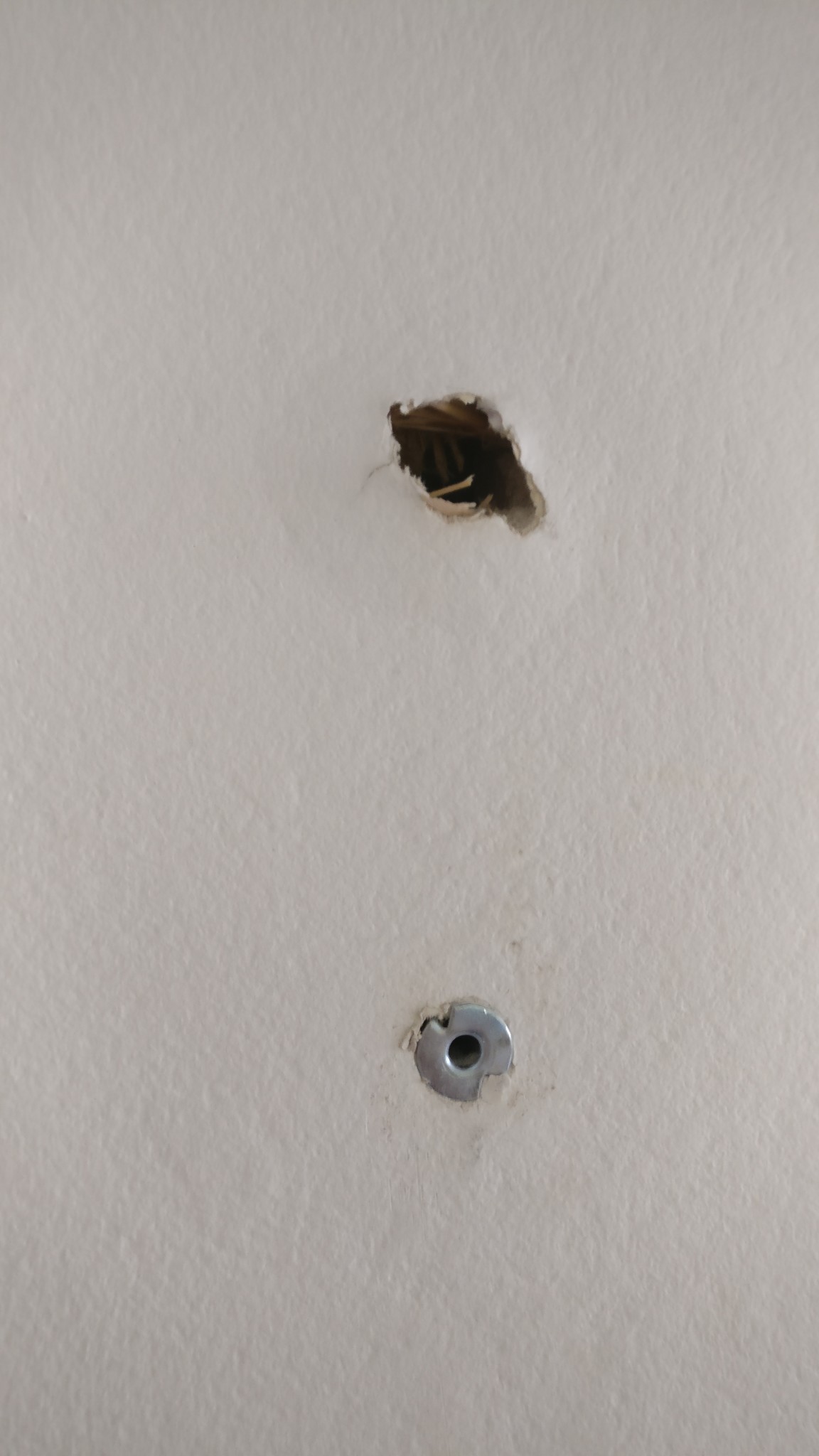
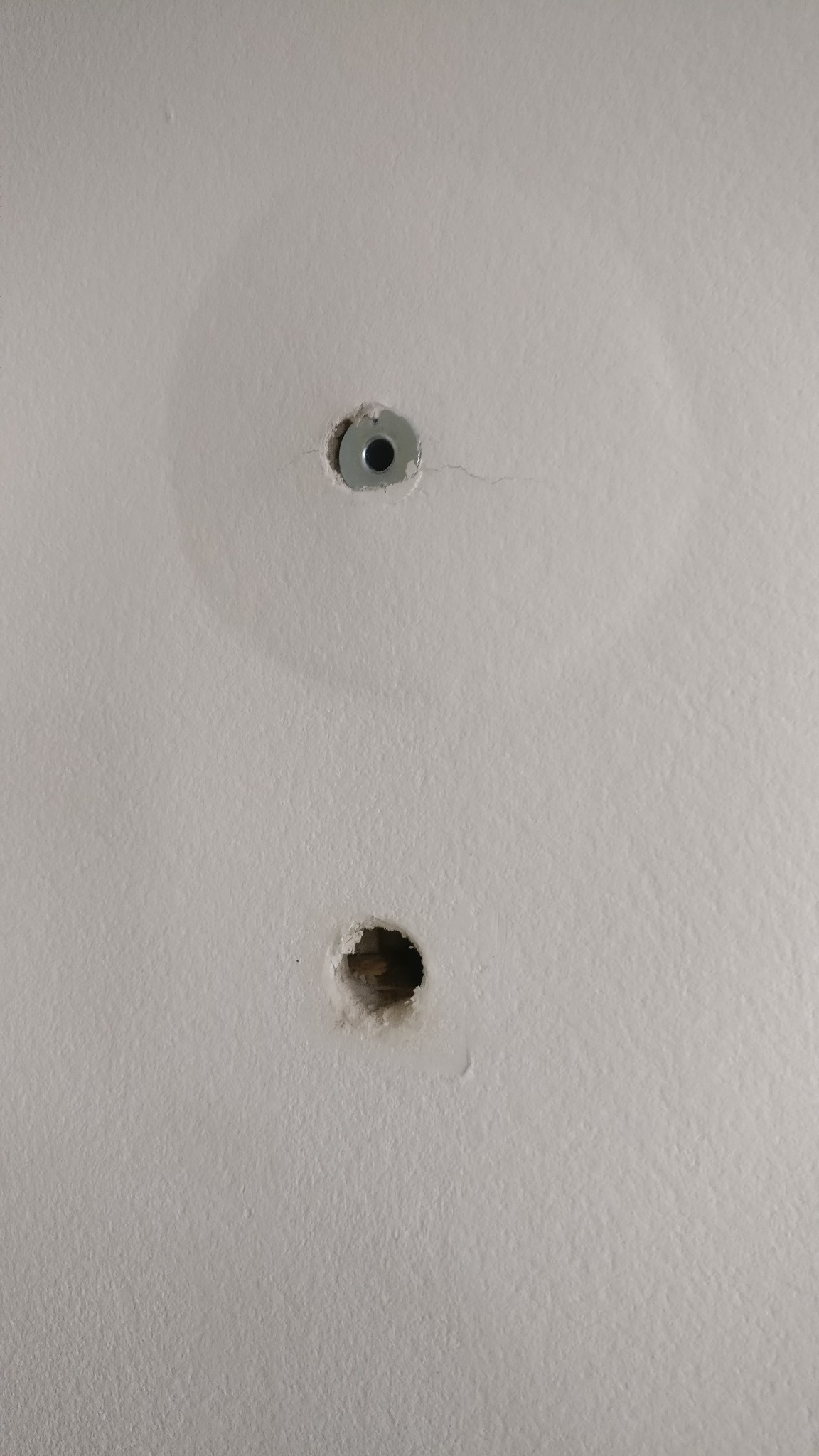
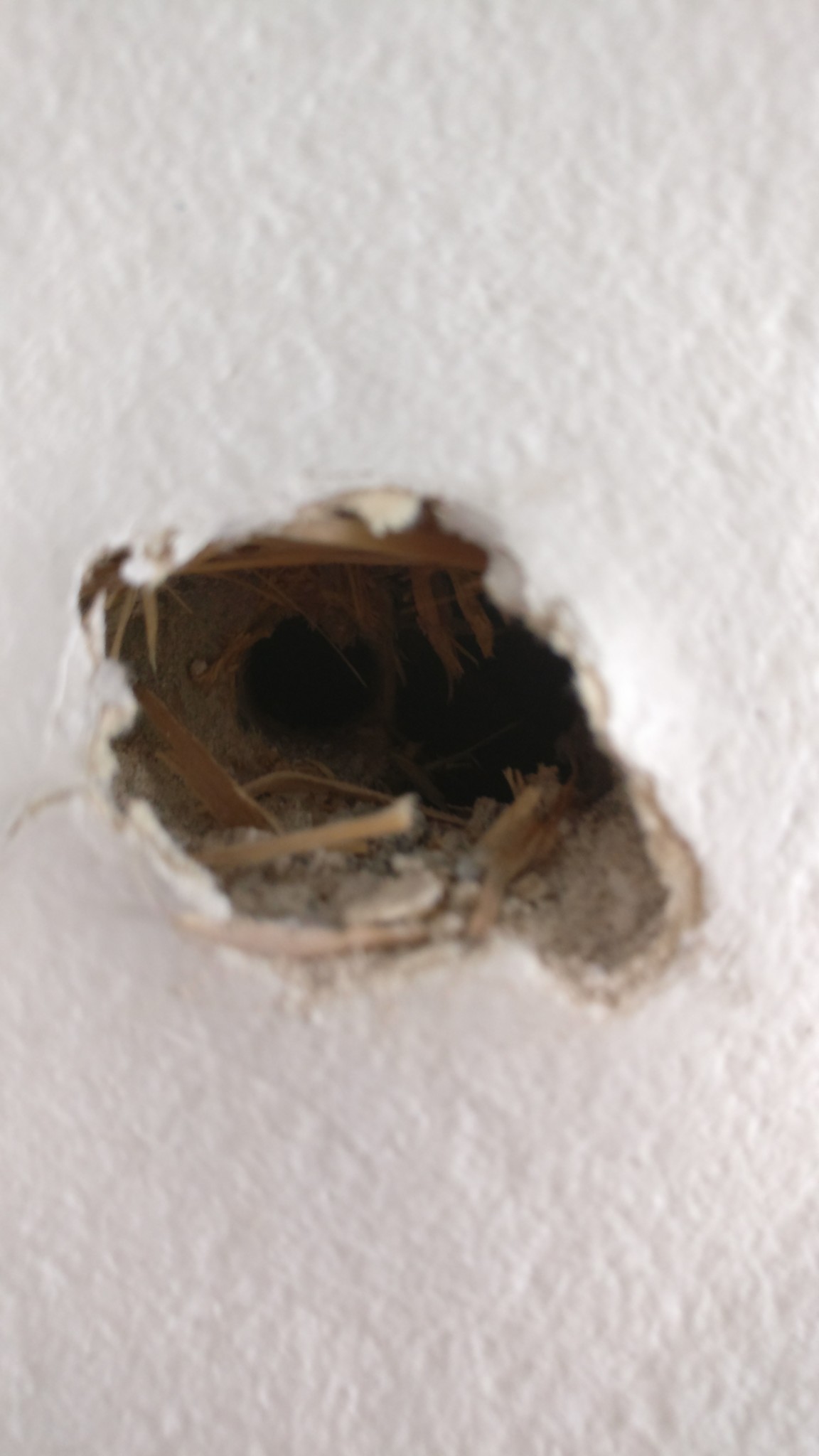
A. The wall appears to be plaster with reed matting of sorts. In the holes, I found the first layer of plaster, then cross laid reeds with wire, significant gaps behind that, and random beams of wood. I am having difficulty in confirming stud locations. Can anyone confirm the type of wall in Swedish?
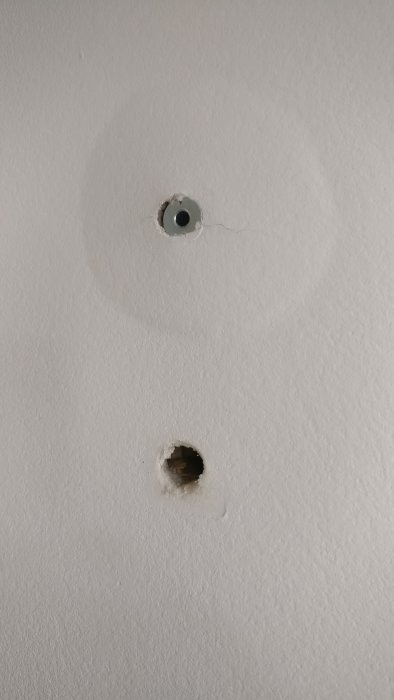
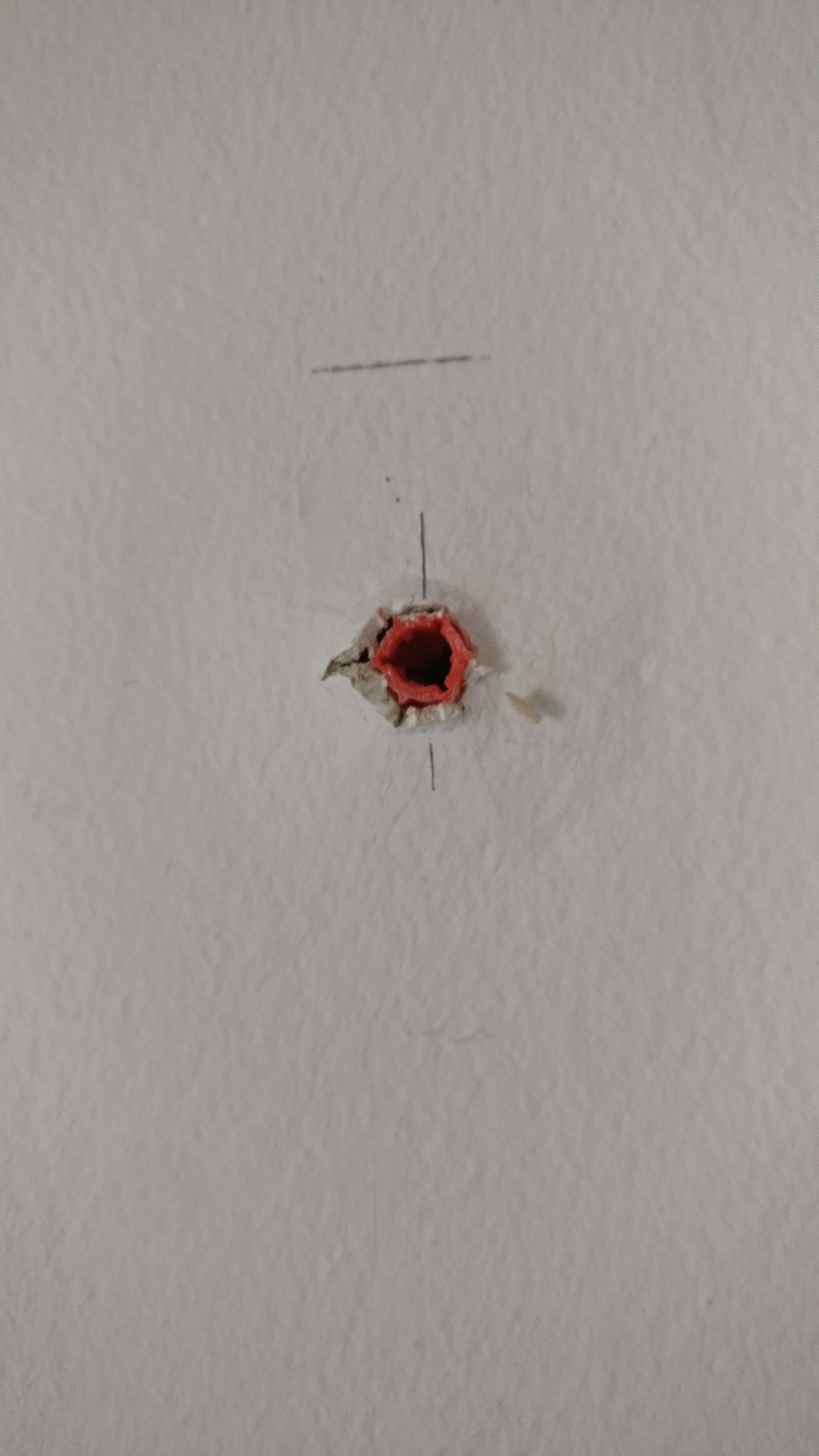
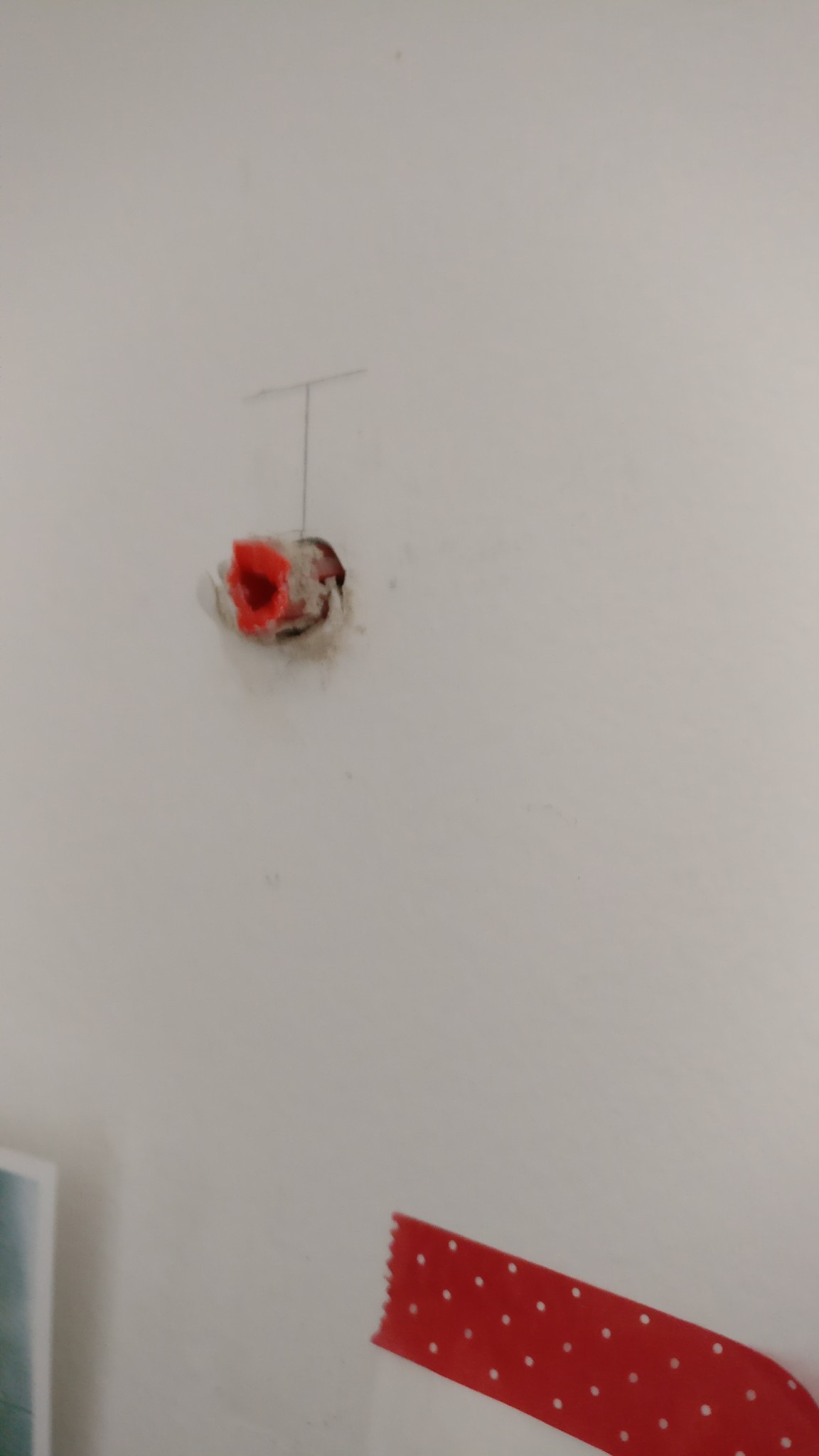
B. The shelf left some lovely wall damage. Large holes from the molly bolts I used along with huge bulges where the plaster seems to have been pulled outwards by molly bolts expanded and pulled by the shelf. How can I go about best fixing these two issues? On top of that, is there a way to fix it, which would allow this shelf to be remounted in the same position?
C. With a wall like this, is there a standard for the stud placement? I think I can see a stud to the side of one of the holes and measured 60cm (standard right?) but cannot confirm with drilling if there is indeed a stud there. If we play it safe and remount the shelf to the studs I would love to know how to be sure before committing to this solution.
D. What do you recommend as solutions to mounting heavier objects/shelving to this sort of wall? Can one apply a solution to the wall itself safely, or is mounting to the studs the only guaranteed option? For example, using large toggle bolts? I thought molly bolts would have served a very similar purpose to toggle bolts (which I have not used) but after removing everything I could see that some of the molly bolts did not expand, others warped, and others which must have expanded began to bulge out the plaster. However, I am holding an assumption that if done correctly this could all be avoided. I simply did a poor job. The evidence of this is previous owners mounted an identical shelf above ours (same screw placement, same load-bearing) which is SOLID into the plaster wall. So either there is a horizontal beam which they found and mounted to, or they simply mounted it better than me. I will admit some of my screws/molly bolts were a bit loose due to plaster breaking off around the head, which I assume contributed to the shelf slowly failing.
I am truly appreciative of any and all advice/input you can give. This is our first apartment and have our first child on the way in January which means we will be looking for a house in the coming 1-2 years. As such, I would really love to learn more about home/apartment maintenance so will be hanging out here a bit more. Next stop, installing hardwood floors myself (Might need some help there)
Både molly screws och toggle bolts är inte rätt sätt att lösa detta problem. De är båda avsedda att användas för att fästa objekt på gipsskivor, genom att expandera bakom skivan för att fördela belastningen. Som du redan sett, kommer det att bryta gipsen om du använder dem för att expandera inuti gipsen. Du måste nå fram till det fasta materialet bakom gipsen och reed. Om du når tegel, använd pluggar som i den första bilden och långa skruvar.
Both molly screws and toggle bolts are not the correct way to address this problem. They are both intended to be used to fasten objects to sheets of drywall, mushrooming behind the sheet to spread the load. As you've already seen, using them to expand inside the plaster will break the plaster. You need to reach through to whatever solid material there is behind the plaster and reed. If you reach brick, use plugs like in the first picture and long screws.
Perfect, thanks Guson. I assumed as much after this fiasco, but wanted to be sure. Any tips on how to locate and/or attach to these solid materials behind the plaster? Peeking through the holes there doesn't seem to be a standard to this. Should I just use super long screws and hope they bite into something solid?
Long screws that reach into a solid structure is the safe way. I would try probing into the hole where you can see reed using a thin drill bit, say 3 mm or so. Unfortunately most 3 mm drill bits aren't that long. If you drill as far as you can reach and still don't feel resistance, maybe you can use a thin screwdriver as a probe?
Click here to reply
Vi vill skicka notiser för ämnen du bevakar och händelser som berör dig.

 (Might need some help there)