F fribygg said:
You can of course get a special form oil if you wish, but for your use, regular canola oil will probably suffice, it doesn't stain, is reasonably environmentally friendly, cheap and harmless
Thank you so much (y)
 
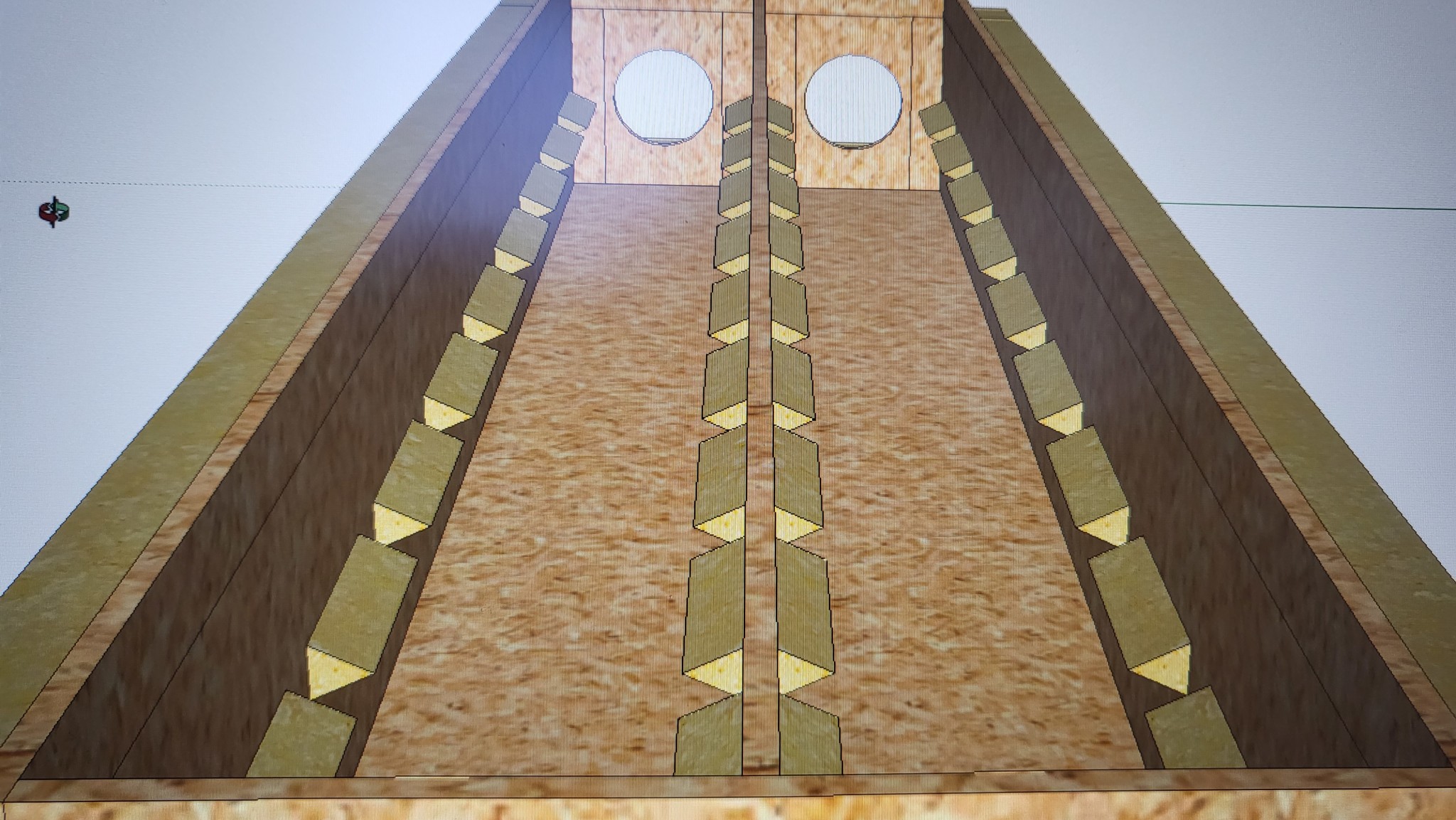
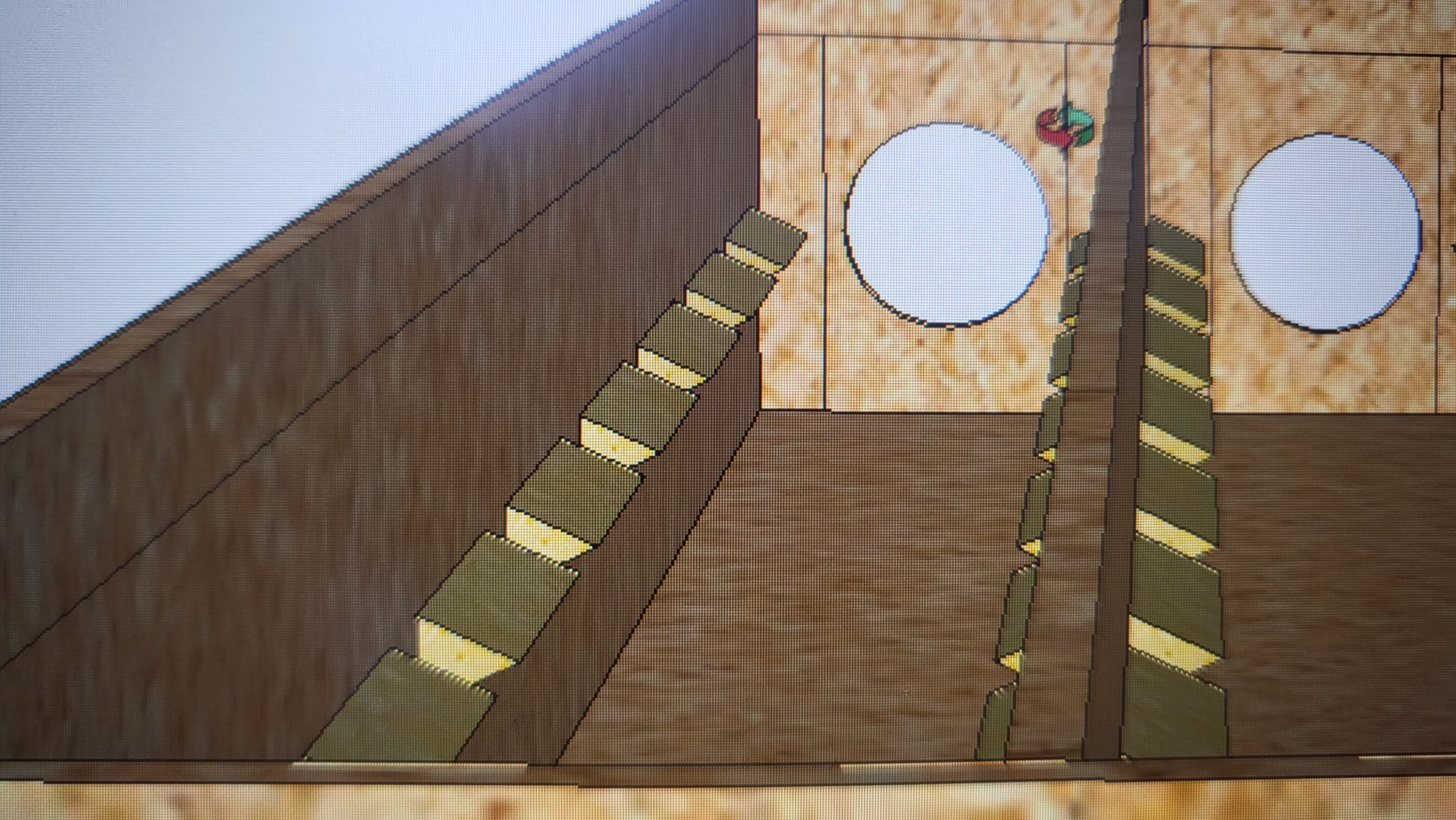
Are the blocks inside the mold for decorative reasons?
 
May I ask what you are going to do so one understands why you are choosing this procedure?
 
F fribygg said:
Are the blocks inside the mold there for decorative reasons?
No, the idea is to cast in the brackets there after removing the pole from the mold. I have quite a few stainless steel hole plates left over that I thought could be used for casting?
 
It's unnecessarily difficult to have so many corners in the shape if you don't have to, just add a trekantslist instead.
 
  • Like
ElecTriX
  • Laddar…
F fribygg said:
You can of course get a special form oil if you wish, but for your purpose, regular canola oil will probably suffice, it does not discolor, is reasonably environmentally friendly, cheap, and harmless
If one were to use canola oil, should it be applied more than once? Allow the wood to absorb the oil a bit?
 
F fribygg said:
It is unnecessarily difficult to have so many corners in the shape if you don't have to, put a triangular strip there instead
Smart, good idea. I'm going to saw those pieces one by one anyway, so I'll fix it at the same time then.
 
E ElecTriX said:
Smart, good idea. I'll be cutting those pieces one by one anyway, so I'll take care of it at the same time.
Place a triangular strip in the entire corner to make it easier to cast neatly.
 
F fribygg said:
Place a triangular strip in the entire corner to make it easier to cast nicely
Which corner are you thinking of?

Computer-generated image of a rectangular wooden structure with two circular cutouts and angled blocks aligned in rows. A 3D model of a wooden interior with a series of shelves and round cutout windows.
 
Is there anyone else besides me who's curious about why you complicate things like this and don't cast in the right place from the start? They will become extremely heavy anyway, despite the pipes.
 
J Jonas786 said:
Is anyone else curious as to why you complicate things like this and don't cast it in the right place from the start? They'll be really heavy anyway, despite the pipes.
Cost? The casting mold will be reused as much as possible. A total of 38 posts are to be cast.

And no, as previously mentioned, I made a slight mistake with the measurements. 20x20cm (wxd) and 1.5m (l).
 
Make the shape detachable and move the shape instead.
 
F fribygg said:
Make the mold portable and move the mold instead
Also, make more than one mold. Both based on the time taken for casting and based on wear and tear of a casting mold.
 
E ElecTriX said:
I am going to cast columns, 200x200x1500cm, and I want to make them hollow for easier transportation and installation (then fill them with concrete on site).

I'm considering whether I can use the gray drain pipes that are 75x75cm so they stick out about 30cm on each side of the mold and then pull/hammer them out for reuse multiple times?

Quick question: Do the gray drain pipes stick to concrete? And if so, what can be done to prevent this so it's easy to get them out of the concrete later?
What are all the columns going to be used for actually, design / art?
 
E ElecTriX said:
Cost? The mold will be reused as much as possible. 38 posts are to be cast in total.

And no, as mentioned earlier, I made a mistake with the measurements. 20x20cm (wxd) and 1.5m (l).

I think a form made of raw board with triangular lists in the corners held together with something like threaded rod will last for all 38 castings, but the question is whether it might be better to order a split metal form from the nearest metal workshop?
 
Vi vill skicka notiser för ämnen du bevakar och händelser som berör dig.