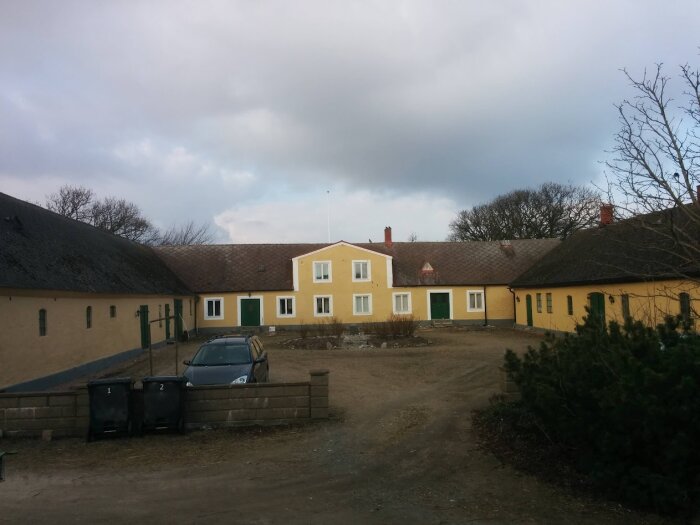
We have finally had the opportunity to look inside the old family farm house we are considering completely renovating.
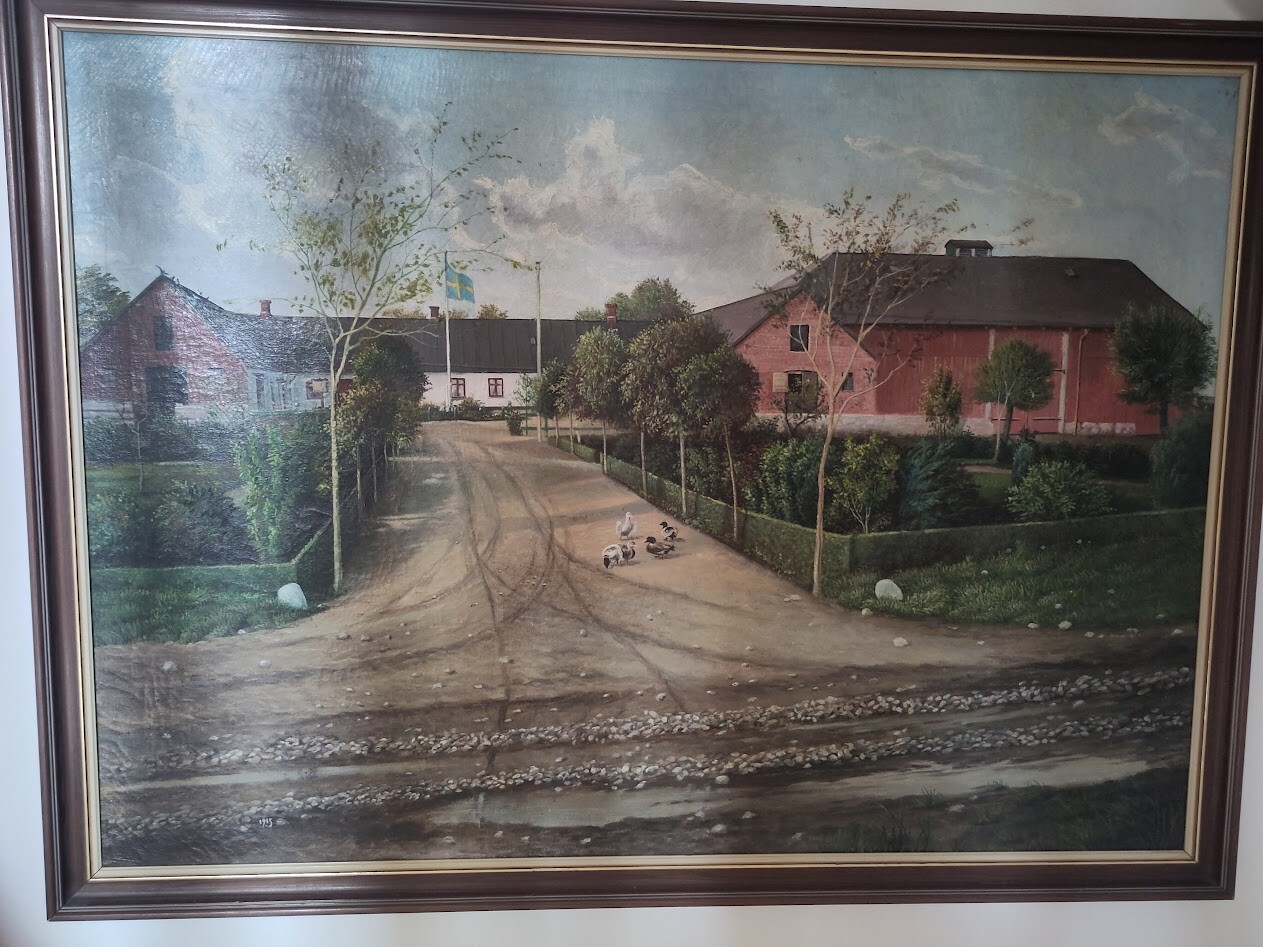
Depiction from 1913:
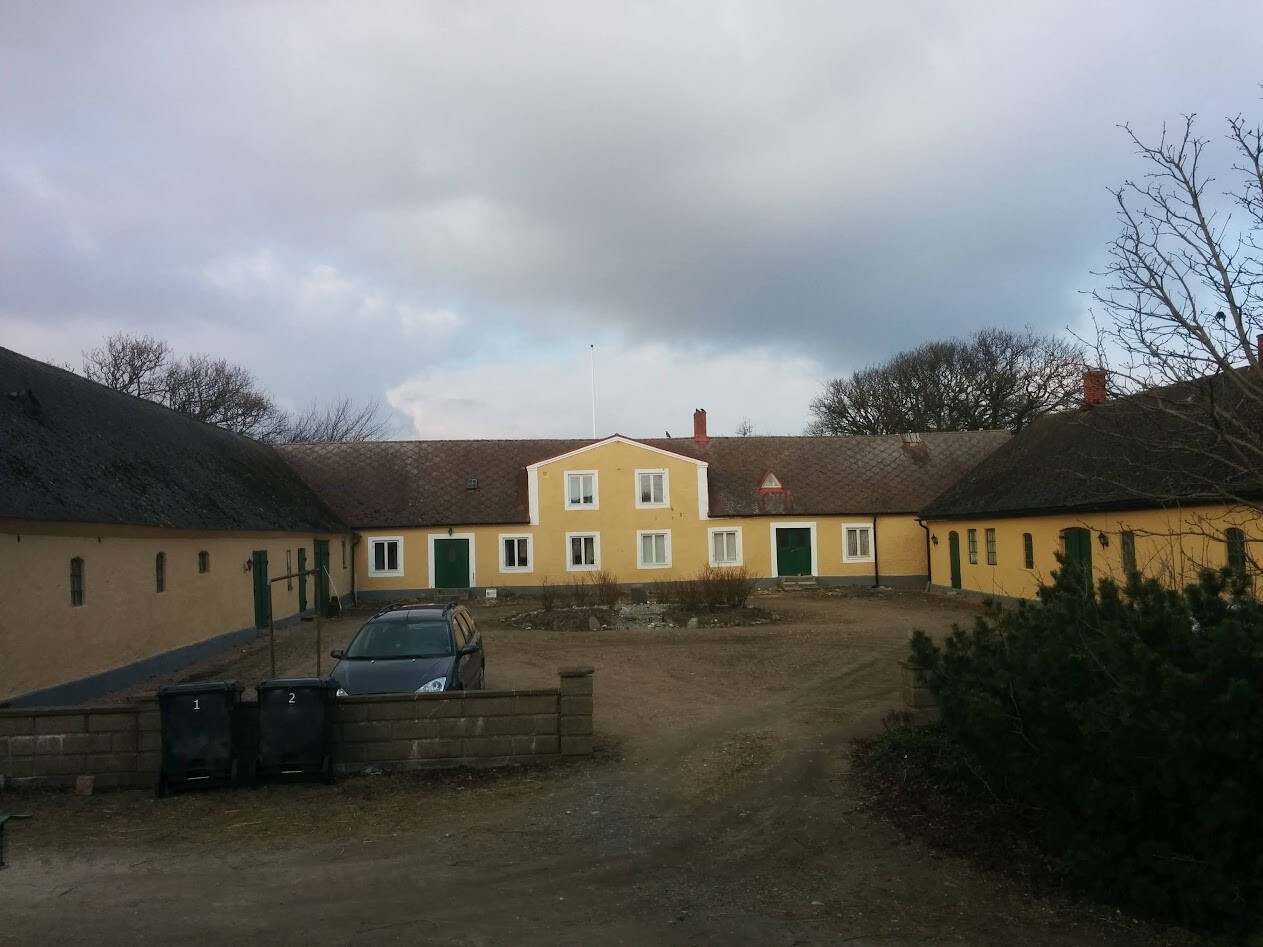
today:
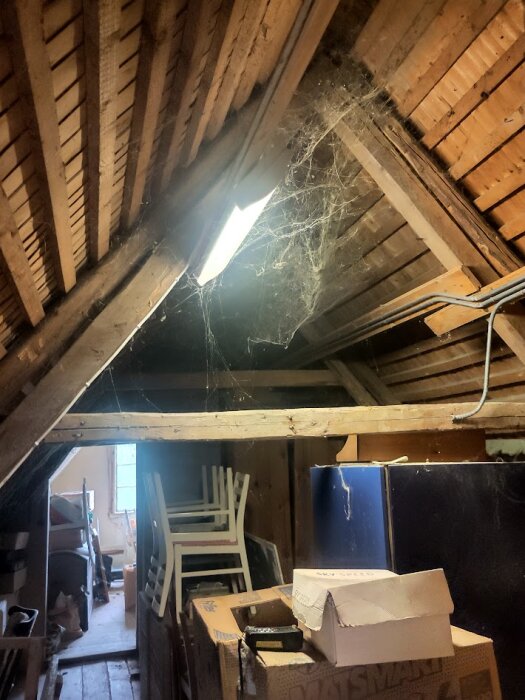
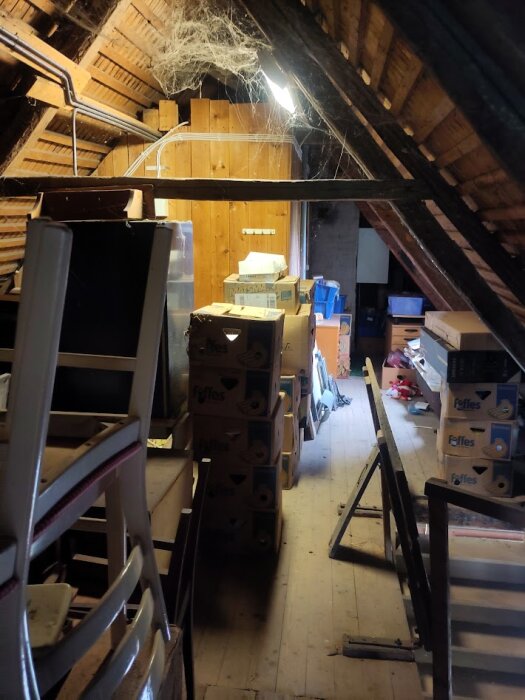
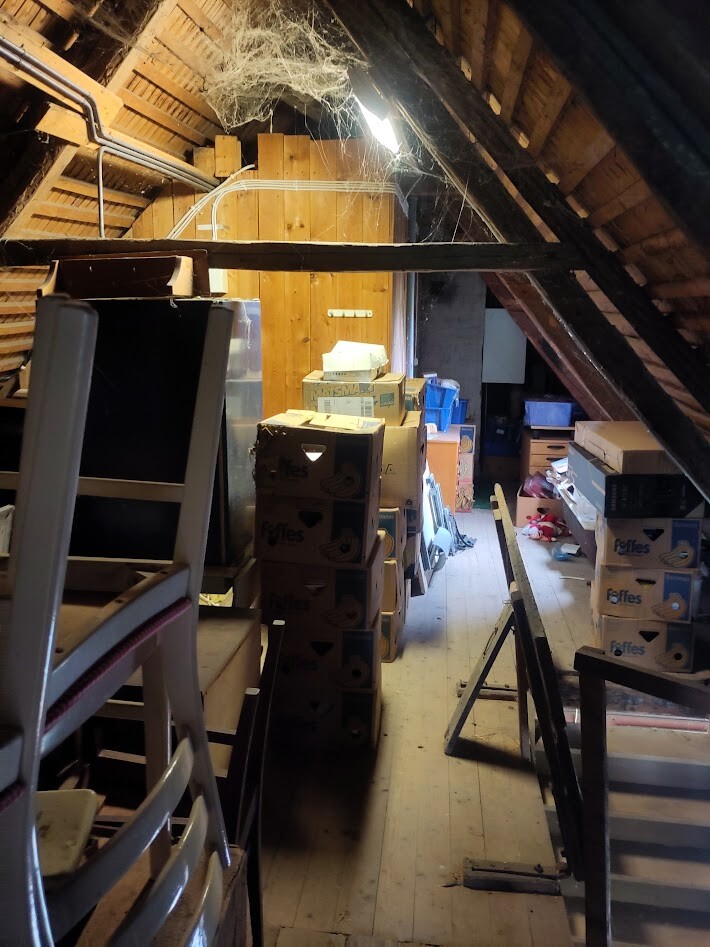
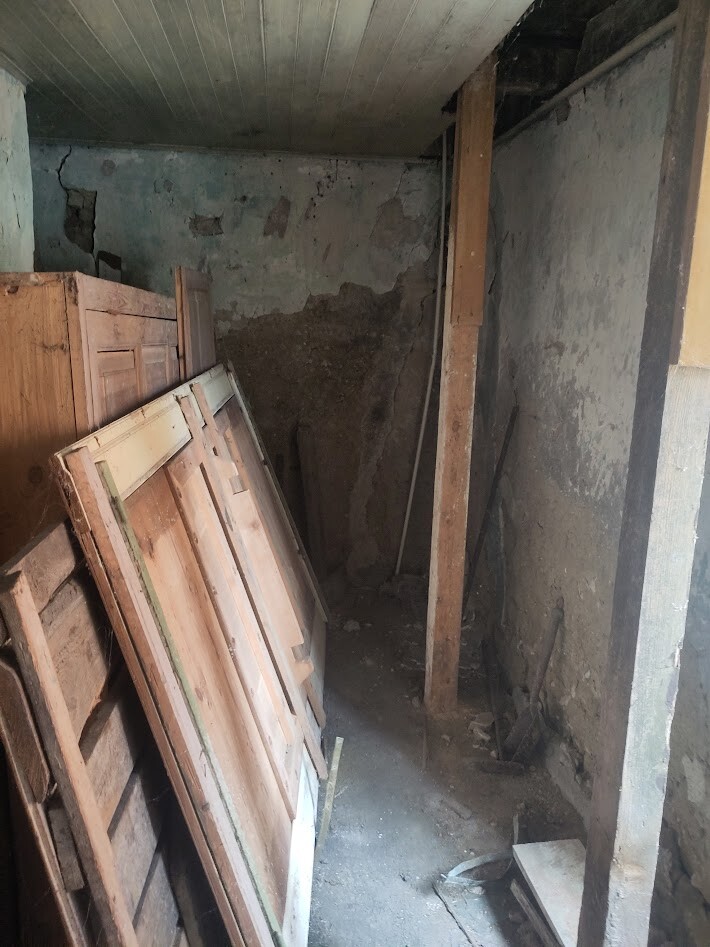
When I'm up in parts of the attic, I discover that the trusses seem to lack an underframe and the floor rests on its own beams. Previously, an exterior wall began to bulge, but it was stopped long ago by propping up the floor beams.
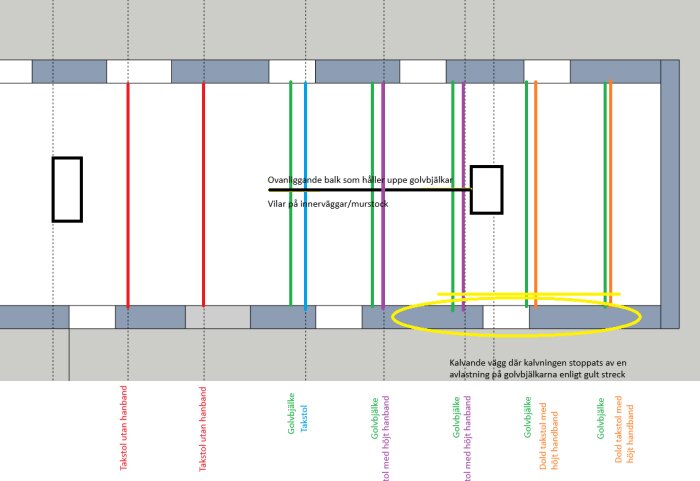
A principle sketch of this part of the house:
There is 4.8m between the interior walls which are 50-60cm thick and made of clay brick. The floor beams are 6x6", and in some places have a superimposed beam that is about 8x8".
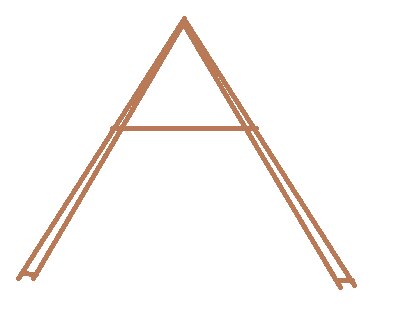
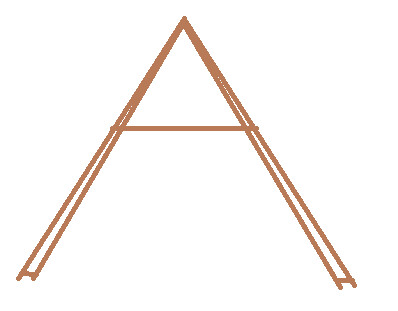
Simple sketch of the trusses:
It looks more like some form of inverted scissor truss where each top chord consists of two 4x4" joined together with a spacer at the bottom and meet at the top. Some trusses have had the collar tie raised and some lack it completely. The roof angle is about 50 degrees. Now that I think about it, the outer part might have been added later if they moved from a thatch roof to a felt roof.
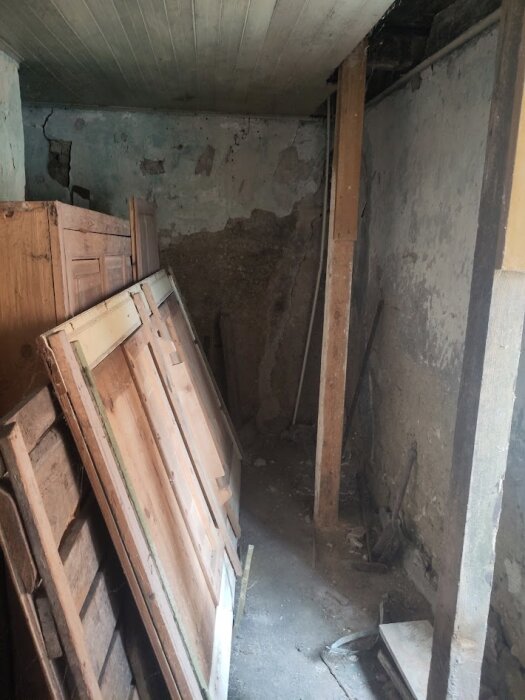
Our plan is to clear out the entire interior to be able to lower the floor by 2-3dm and cast an insulated concrete slab with underfloor heating. The bulging exterior wall probably needs a new foundation and to be rebuilt.
Should we be worried about anything? Spontaneously, this has held for over a hundred years, even though there are some more modern changes from the 50s, but if we are going to renovate now, we have the opportunity to correct any mistakes.
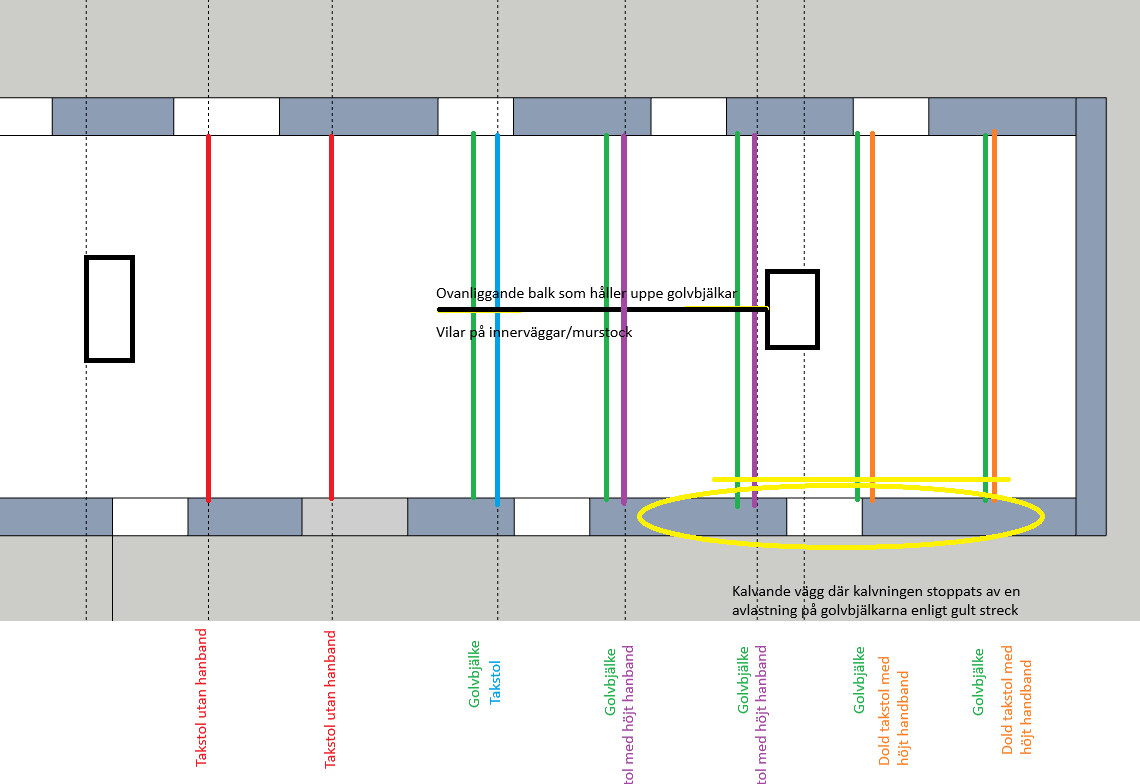
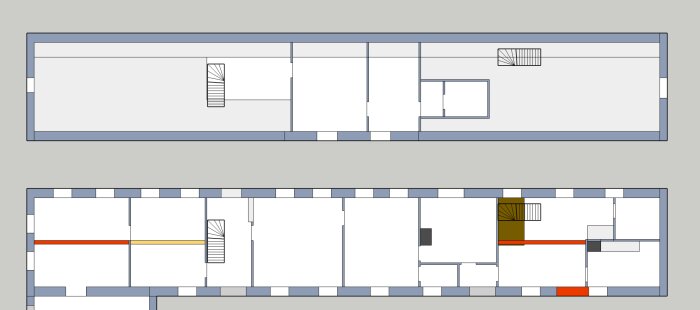
Here is a sketch of the entire construction, including existing inner walls and chimneys (dark gray). The upper is the attic, and the lower is the ground floor.
Brown is a small potato cellar.
Red are beams above floor joists in the attic, orange is possibly an additional beam.
The wall marked in red is the one that has moved outward.
There is a bit thicker gray wall by the left staircase, which could possibly be a chimney removed in the attic.
I am still puzzled as to why there are beams over certain parts but not all, especially since they only support the floor framework. The rooms in the frontispiece have no beams above the floor and no support in the large rooms below. The rooms below have a built-in ceiling that does not appear to have sagged.
It would also be interesting to know how the frontispiece itself is constructed and how the roof trusses are built there. The left wall there doesn’t even stand over any wall on the ground floor.
Click here to reply
Vi vill skicka notiser för ämnen du bevakar och händelser som berör dig.