
1,588 views ·
17 replies
2k views
17 replies
Replacing sill plates on a facade with asbestos cement panels
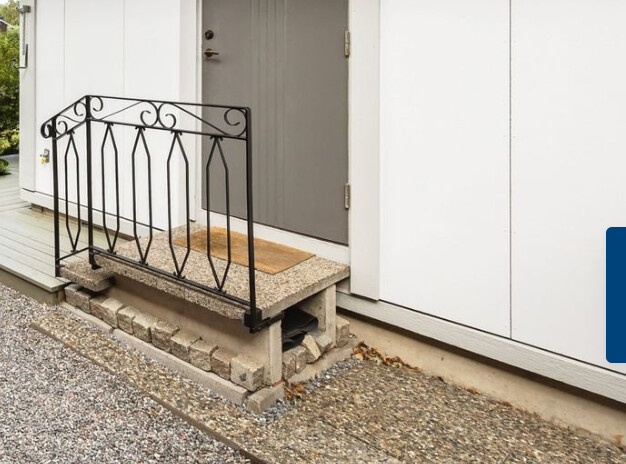
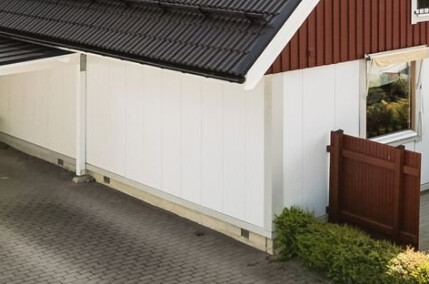
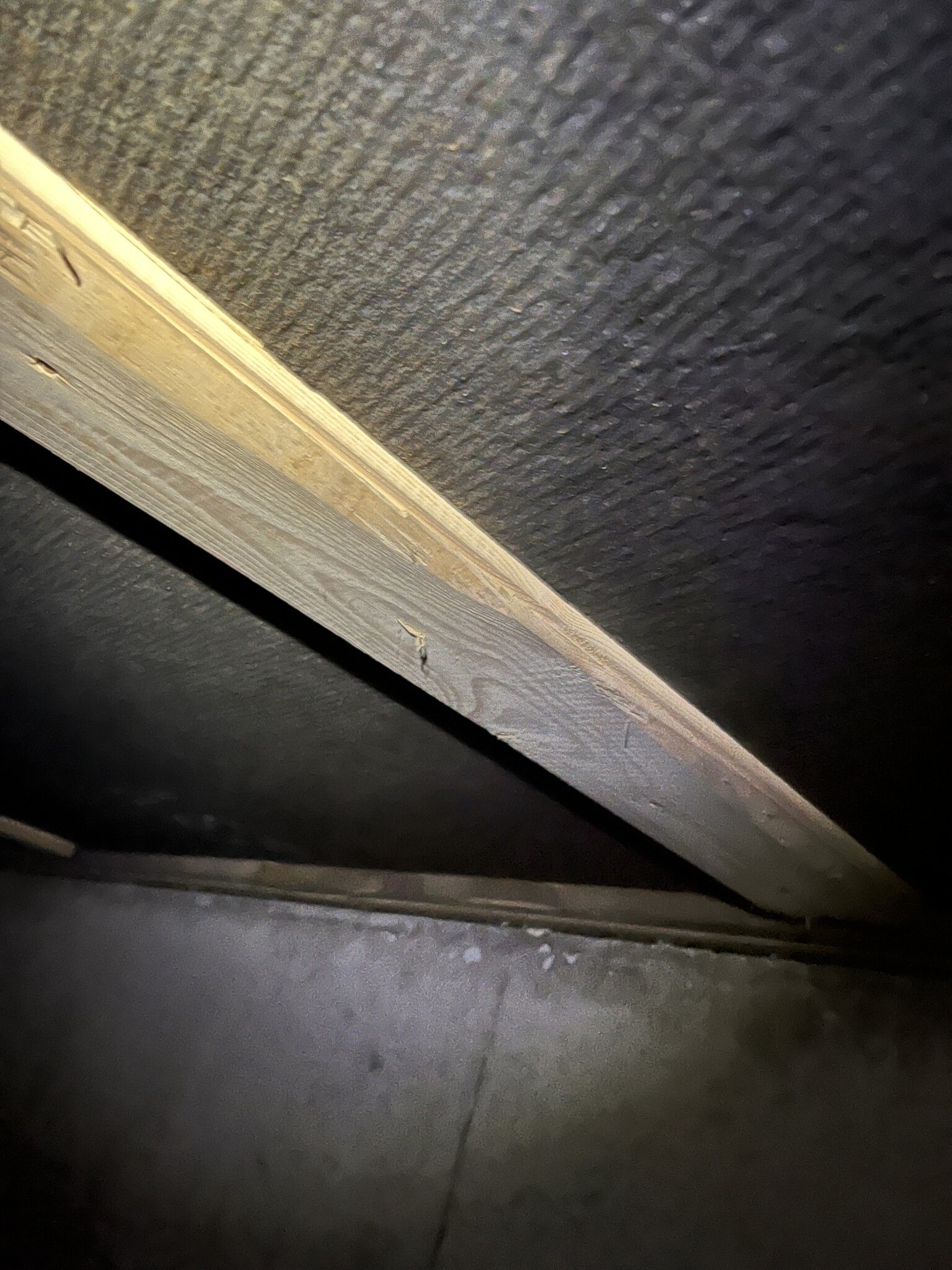
There is a crawl space. Attached is the only picture I have; it's not towards the outer facade, so I don't know if it looks the same there.Ossian K Olsson said:
But a side question, what you see in that picture is also a sill in the sense that it's the junction between the concrete and the wooden structure. Perhaps an inner sill? Don't these also need to be replaced if the sills against the facade need it?
Ossian K Olsson
Hobby electrician
· Limhamn
· 2 433 posts
Ossian K Olsson
Hobby electrician
- Limhamn
- 2,433 posts
Why do you think the sills need to be replaced at all?G Gargamel777 said:There is a crawl space. Attached is the only picture I have; it's not against the outer facade, so I don't know if it looks the same there.
But a side question, what you see in that picture is also a sill in the sense that it is the meeting between the concrete and the wooden structure. Maybe an inner sill? Don't these need to be replaced if the sills against the facade need it?
Ossian K Olsson
Hobby electrician
· Limhamn
· 2 433 posts
Ossian K Olsson
Hobby electrician
- Limhamn
- 2,433 posts
Okay! It is similar conditions to our house (built in 1962). There was also quite a musty smell when we moved in.G Gargamel777 said:
What kind of ventilation is there? In our case, it was "natural ventilation" that did not work at all. In other words, the air was completely still, and it smelled like a "summer cottage"; one room didn't even have a vent. We installed proper ventilation (FTX), and now the smell is gone. So another solution is to address the ventilation first and see if that helps.
OK, I don’t know if it’s a long-term solution. It’s natural draft, but there are vents in every room that can be opened and closed. From what I understand, the smell will only get worse over time, and then maybe just better ventilation won’t help. I guess it’s not the same problem; these "syllar" have been treated with something (maybe something toxic like PCP). It might be best to address the root cause in the long term.Okay! It's similar conditions as our house (built in 1962). There was also quite a musty smell when we moved in.
What kind of ventilation is it? In our case, it was "natural draft" that didn't really draft at all. In other words, the air was completely still, and it smelled like a "summer cabin", one room didn't even have a vent. We installed proper ventilation (FTX), and now the smell is gone. So another solution is to fix the ventilation first and see if it helps.
Or was it determined that the smell came from treated "syllar" in your case?


Looks like there is also asbestos cement underneath...G Gargamel777 said:There is a crawl space. Attached is the only picture I have, it is not against the outer facade, I don’t know if it looks the same there.
But a side question, what you see in the picture is also a sill in the sense that it is the meeting between concrete and the wooden structure. Maybe an inner sill? Don’t these also need to be replaced if the sills against the facade need it?
Is it the sill at the bottom of the wall that needs to be replaced? Because it should be above the flooring, so you can't replace it from within the foundation..G Gargamel777 said:There is a crawl space. Attached is the only picture I have; it's not against the outer facade, so I don't know if it looks the same there.
But a side question, what you see in that picture is also a sill in the sense that it's the junction between the concrete and the wooden construction. Maybe an inner sill? Don't these need to be replaced if the sills against the facade need to be?
But you probably have a sill under the flooring too, but that usually doesn't affect indoor air..
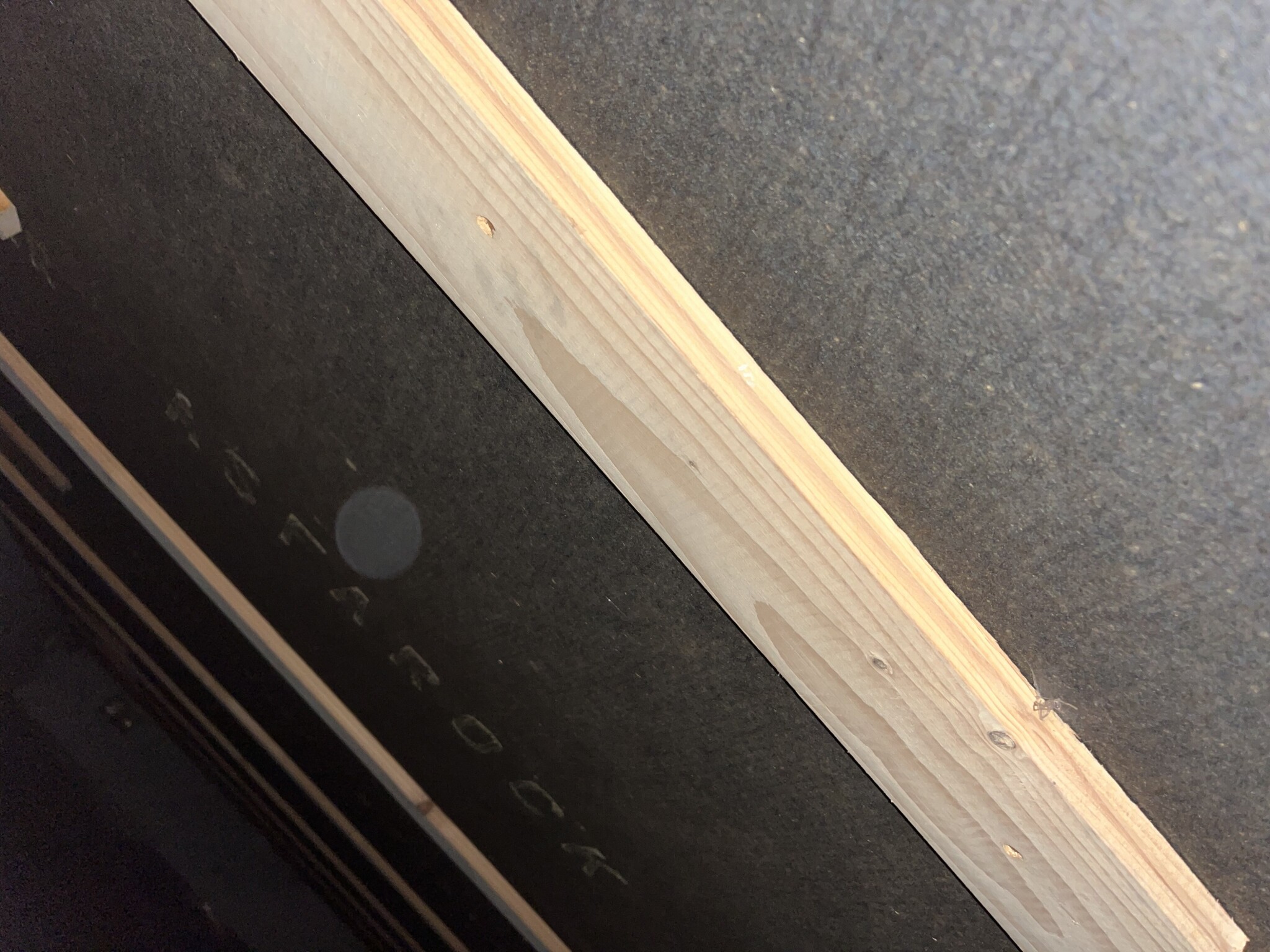
OK, I'm not really sure which sills exist and which exactly need replacing.J Jansson69 said:
The companies I contacted wanted to replace them from the outside anyway (they wanted pictures of the house, etc.)
Can't sills under the floor structure (I thought all sills were under the floor structure) affect indoor air if they are treated with some substance as in this case?
I should add that neither I nor the inspector noticed the smell when we were in the crawl space. But it was quite noticeable (came in wafts) in certain parts of the house. Only on the ground floor and mostly in the hallway.