
Hello
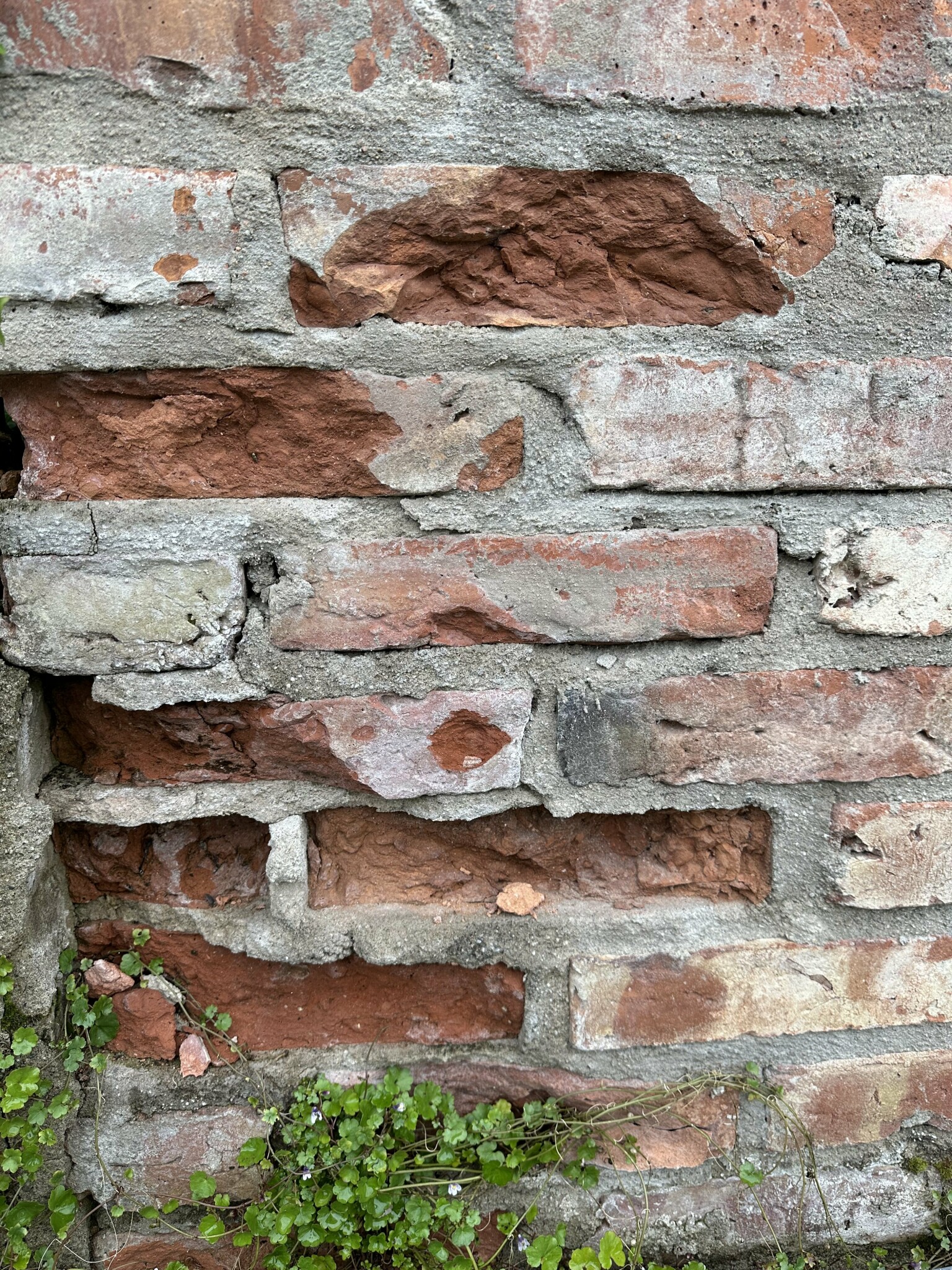
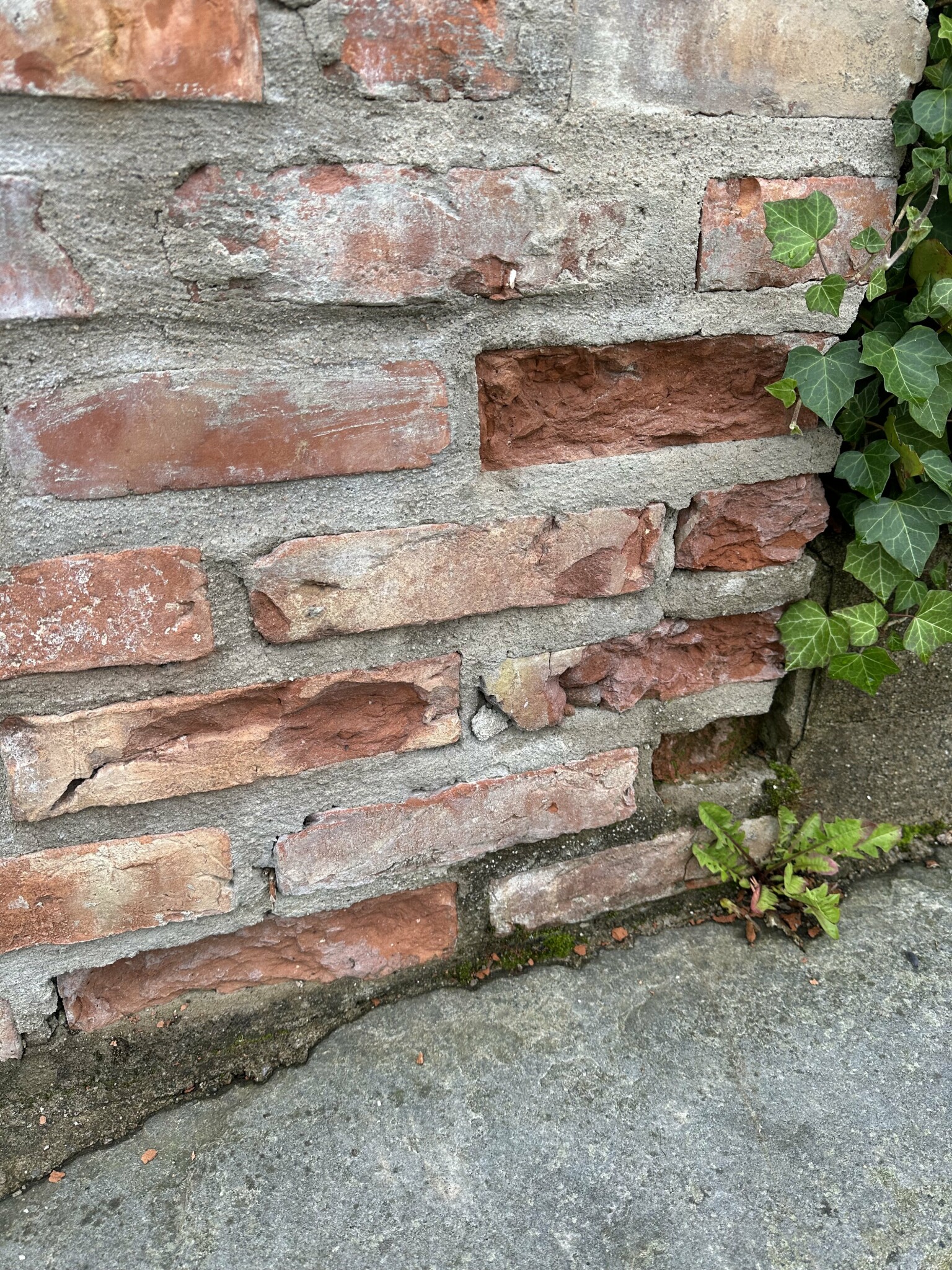
I have a greenhouse where the foundation and one wall are built with clay bricks.
Now several bricks are starting to crack and pieces are falling off.
How do you fix this in the simplest way?
If it were on the house, I would probably try to replace all the damaged bricks, but I feel that I would prefer to do a simpler repair on the greenhouse if possible.
Does it work to smear concrete or plaster in the holes? Anything else?
Grateful for smart tips
I have a greenhouse where the foundation and one wall are built with clay bricks.
Now several bricks are starting to crack and pieces are falling off.
How do you fix this in the simplest way?
If it were on the house, I would probably try to replace all the damaged bricks, but I feel that I would prefer to do a simpler repair on the greenhouse if possible.
Does it work to smear concrete or plaster in the holes? Anything else?
Grateful for smart tips

Replace.
I am currently in the process of replacing several bricks on the house where a previous owner attempted to repair with concrete. This apparently only led to more moisture being trapped, and the frost was able to burst away with all its heart's desire, because a large number of bricks turned out to have the consistency of crispbread behind the "repair".
It's not fun trying to become a bricklayer just like that, but, as my grandfather used to say, a homeowner must be able to do everything.
I am currently in the process of replacing several bricks on the house where a previous owner attempted to repair with concrete. This apparently only led to more moisture being trapped, and the frost was able to burst away with all its heart's desire, because a large number of bricks turned out to have the consistency of crispbread behind the "repair".
It's not fun trying to become a bricklayer just like that, but, as my grandfather used to say, a homeowner must be able to do everything.
I had checked on water from above, downspout or faulty sheet metal work?
Then it is beautiful in its own way with this type of appearance on a greenhouse, or another wall in the garden, I think. It gives a bit of patina/character. A repair of bricks is rarely pretty.
Looking back historically, facades have often been plastered if the bricks are too bad. But plastering near the ground is a bit problematic, especially if the substrate isn't 100% good. Murcement a may be something.
Then it is beautiful in its own way with this type of appearance on a greenhouse, or another wall in the garden, I think. It gives a bit of patina/character. A repair of bricks is rarely pretty.
Looking back historically, facades have often been plastered if the bricks are too bad. But plastering near the ground is a bit problematic, especially if the substrate isn't 100% good. Murcement a may be something.
The problem is WATER that the brick absorbs; having brick all the way down to the ground is creating problems for the future.
If you perhaps don't have gutters or have bad downspouts, etc., it exacerbates the problem.
Repairing brick is a band-aid, it will continue to undergo frost damage, a frost-damaged brick is a lost cause.
The best solution would be to replace the lowest courses section by section (even if there is brick below ground level, they should be replaced) with blocks of either concrete or leca, lay them with a cement mortar and plaster them with a cement mortar.
If you perhaps don't have gutters or have bad downspouts, etc., it exacerbates the problem.
Repairing brick is a band-aid, it will continue to undergo frost damage, a frost-damaged brick is a lost cause.
The best solution would be to replace the lowest courses section by section (even if there is brick below ground level, they should be replaced) with blocks of either concrete or leca, lay them with a cement mortar and plaster them with a cement mortar.
Click here to reply