
7,621 views ·
10 replies
8k views
10 replies
Renovation room in basement after floor+walls framed up
Hello!
I have read quite a few threads on this forum and am contributing to the discussion with my own thread.
I have a house from 1968, 1.5 stories with a basement. The slab in the basement is mostly made of rough concrete (rough = lots of stones mixed in) and then covered with more concrete. In some rooms, instead of this additional layer, there are raised floors and raised walls. I have demolished one of these rooms and it now needs to be restored. I need some advice regarding this.
Previous construction
Floor: Joists + insulation, wooden floor, hardboard, plastic mat
Exterior walls: Joists + insulation, chipboard, wallpaper
This is the construction that has been removed (i.e., all wood, insulation, and plastic).
Proposed solution for restoration
Floor: Poured with EPS cement about 7 cm, leveling compound (self-leveling compound) 3 cm, floor mat that lets moisture through, e.g. so-called decking mat.
Exterior walls: Plastering the walls.
Others: Creating holes and installing a fresh air vent. The house otherwise has natural ventilation.
Heating: Water-based radiator reinstalled under the large window.
Does this sound like a good option? I have read about leveling floors, steel studs on walls, underfloor heating, etc., but haven't gone for these solutions. I want floors and walls that allow any moisture from the ground to pass through.
Uploading some pictures of how it looks right now. I'm considering hiring a company for the restoration.
I have read quite a few threads on this forum and am contributing to the discussion with my own thread.
I have a house from 1968, 1.5 stories with a basement. The slab in the basement is mostly made of rough concrete (rough = lots of stones mixed in) and then covered with more concrete. In some rooms, instead of this additional layer, there are raised floors and raised walls. I have demolished one of these rooms and it now needs to be restored. I need some advice regarding this.
Previous construction
Floor: Joists + insulation, wooden floor, hardboard, plastic mat
Exterior walls: Joists + insulation, chipboard, wallpaper
This is the construction that has been removed (i.e., all wood, insulation, and plastic).
Proposed solution for restoration
Floor: Poured with EPS cement about 7 cm, leveling compound (self-leveling compound) 3 cm, floor mat that lets moisture through, e.g. so-called decking mat.
Exterior walls: Plastering the walls.
Others: Creating holes and installing a fresh air vent. The house otherwise has natural ventilation.
Heating: Water-based radiator reinstalled under the large window.
Does this sound like a good option? I have read about leveling floors, steel studs on walls, underfloor heating, etc., but haven't gone for these solutions. I want floors and walls that allow any moisture from the ground to pass through.
Uploading some pictures of how it looks right now. I'm considering hiring a company for the restoration.
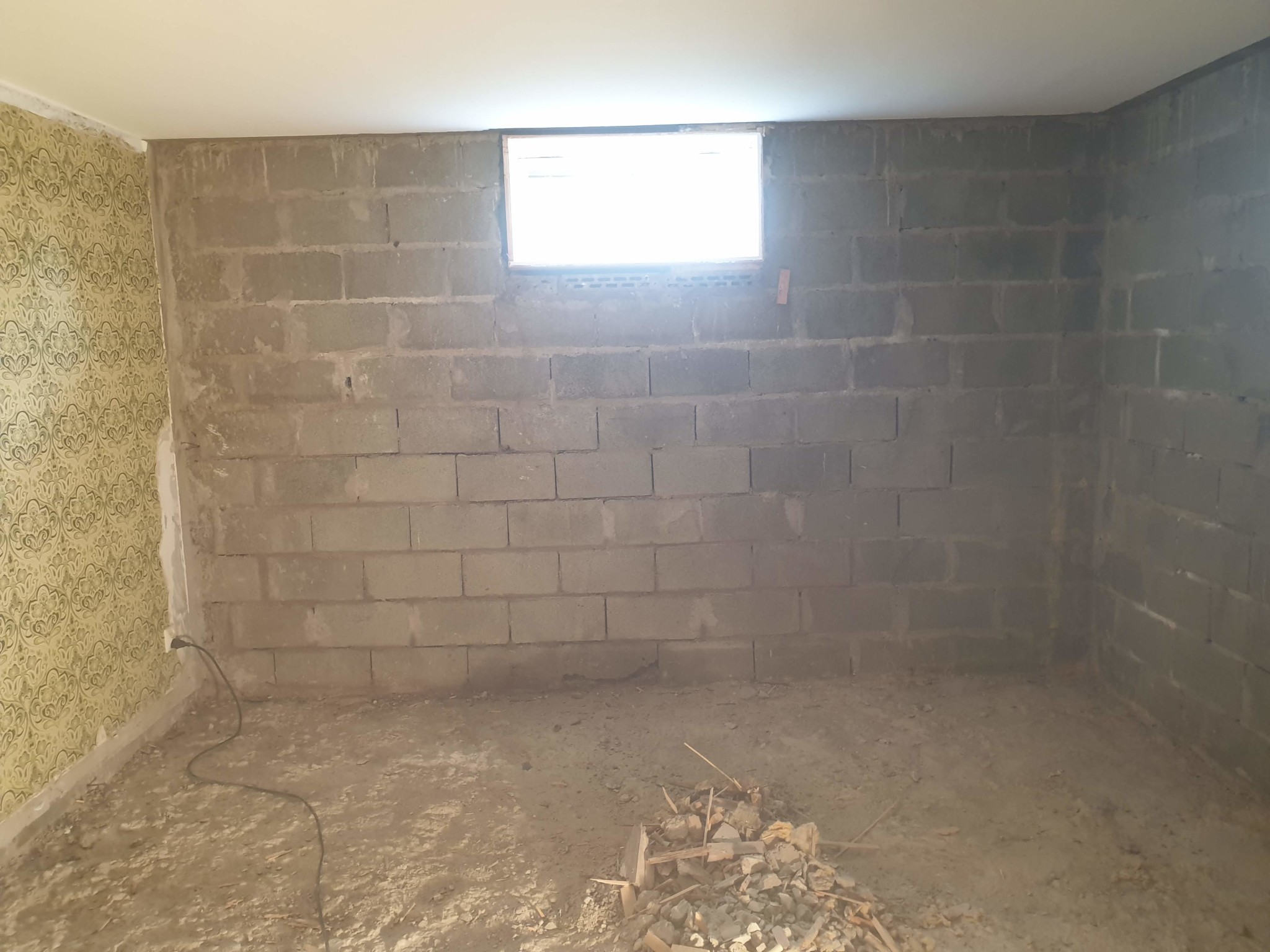
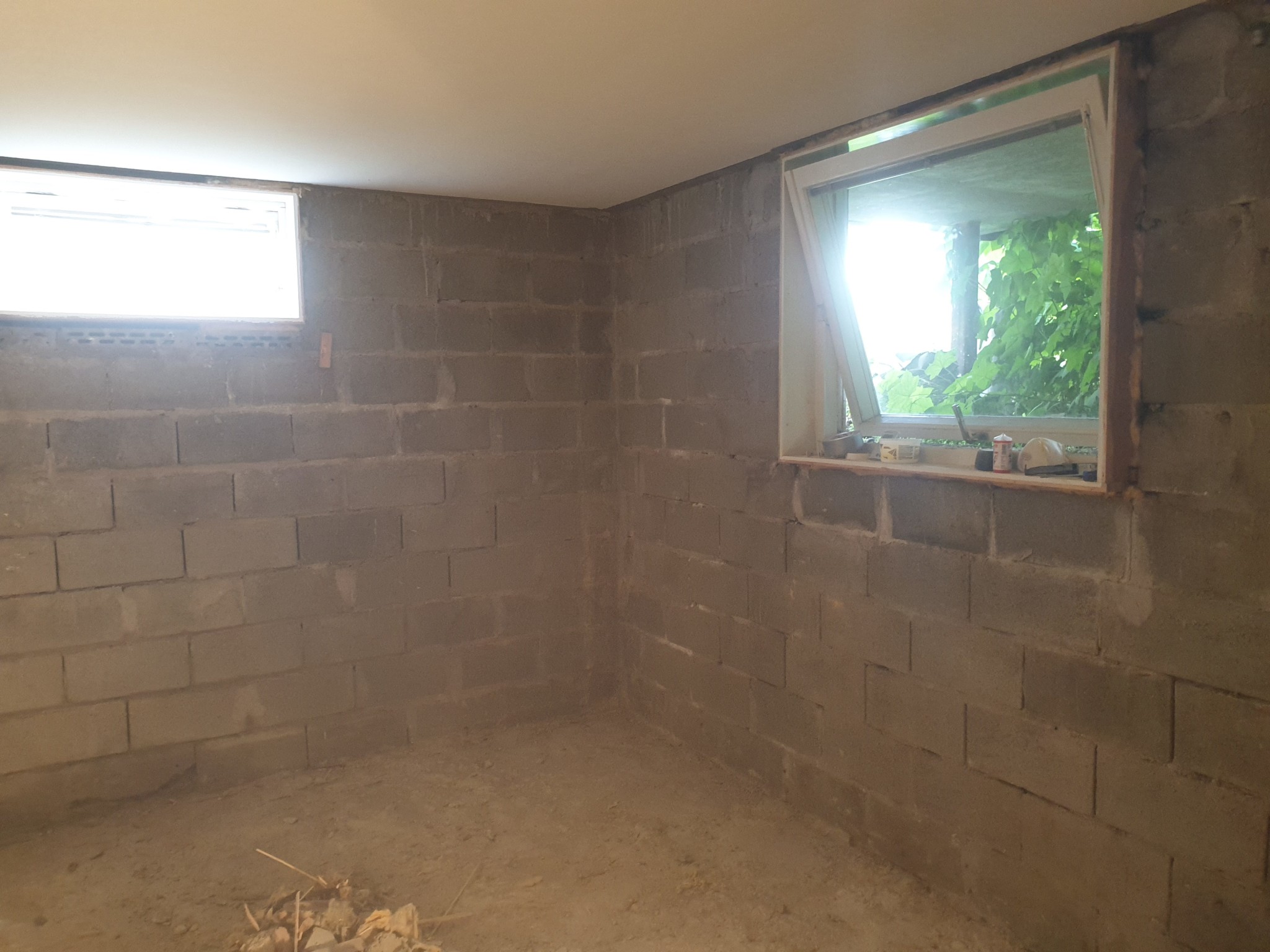

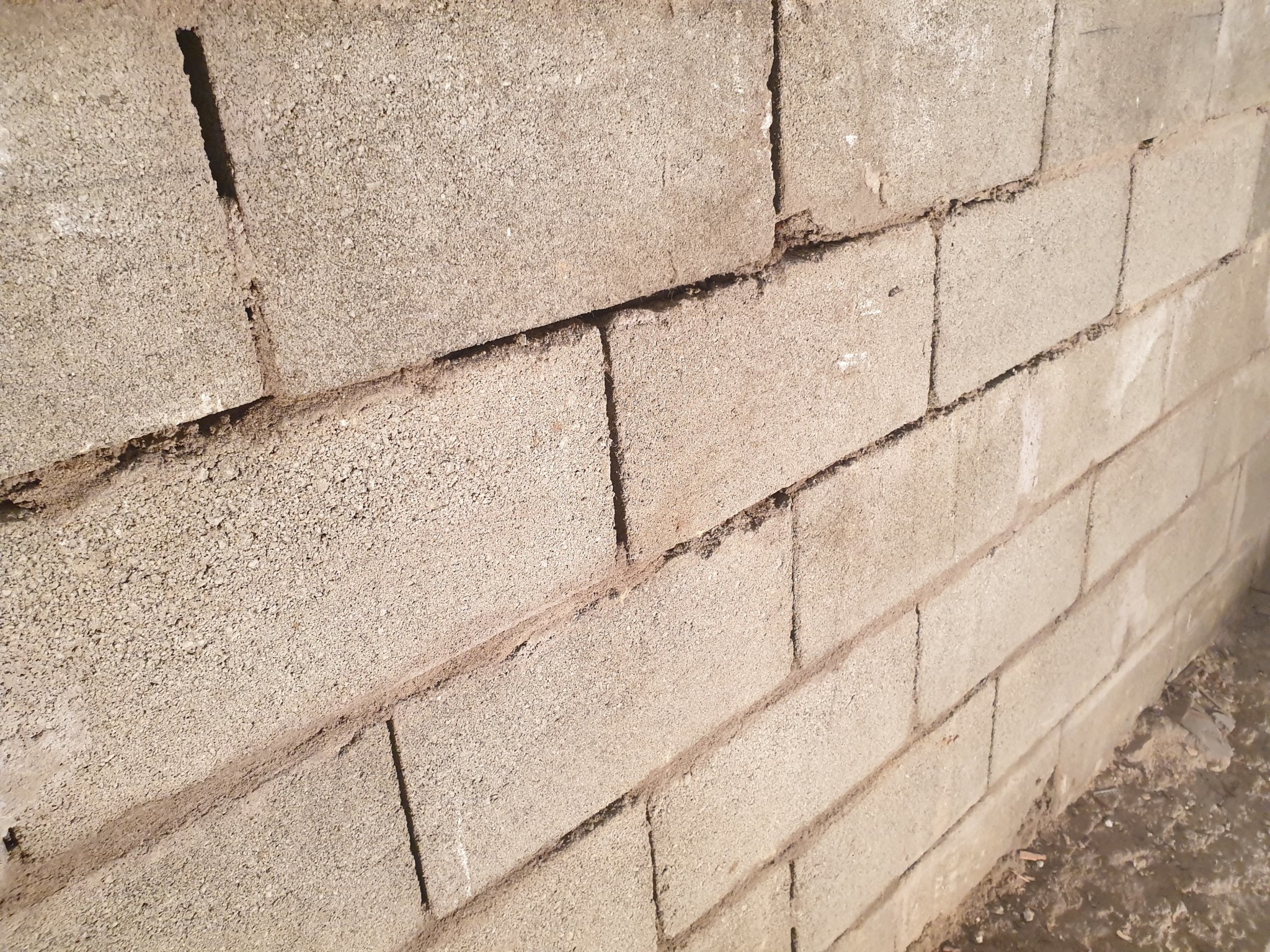
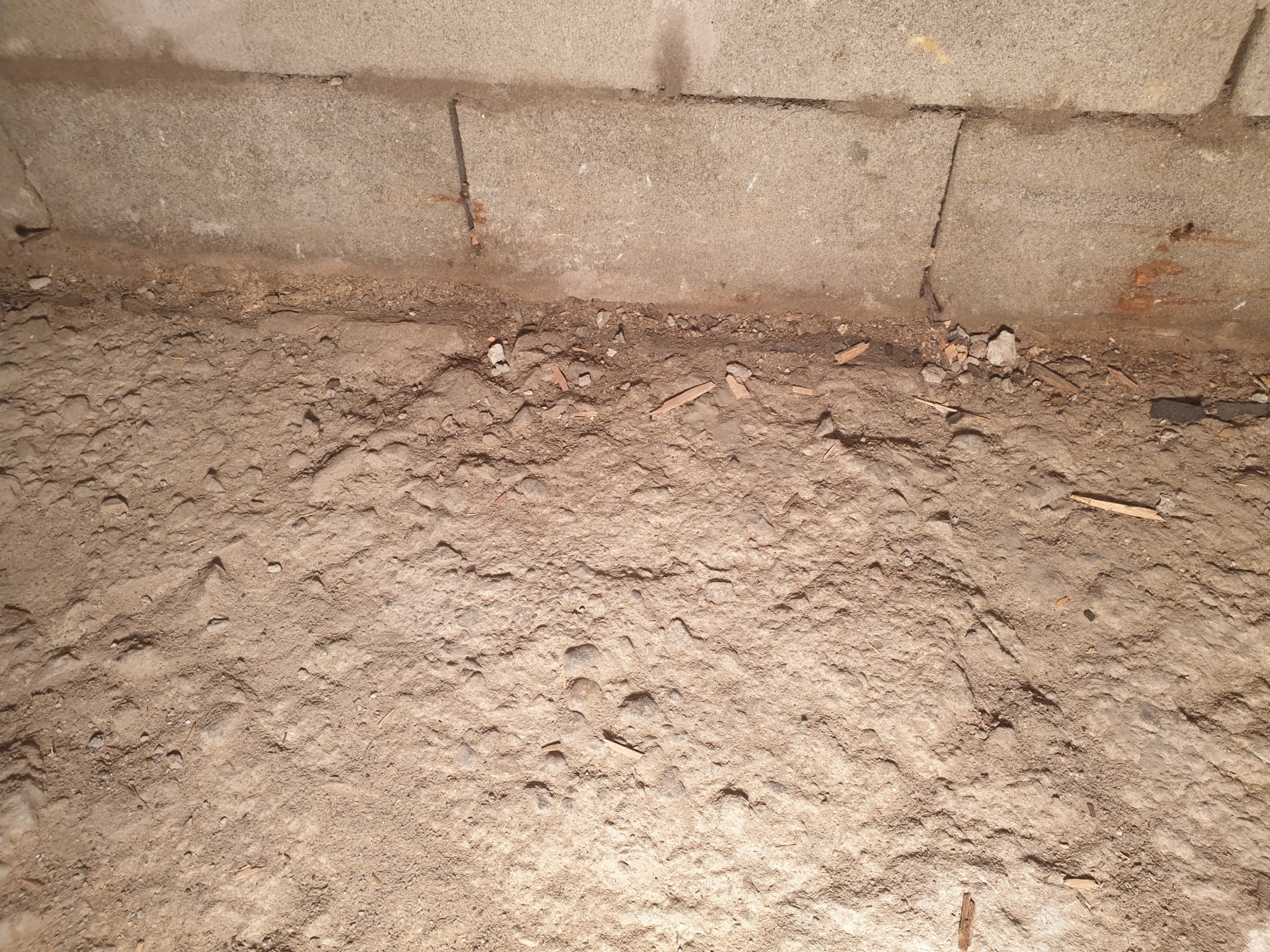

It will initially be used as a workroom for textile work but ultimately as a bedroom. I think tiles might be a bit too cold/hard unless you have underfloor heating.Åsa Lund said:
I think your plan sounds good. Any tiles can easily be added later if you change your mind, but go with a carpet. Definitely more comfortable to walk on when you don't have underfloor heating. By the way, nice to have such a large window in a basement. Have you thought about replacing the other window with a larger one? Or is the ground level higher on that side?
Thank you for the response. It is nice and yes, the ground level is higher where the smaller window is. Otherwise, it was a good idea!S Stuff said:I think your plan sounds good. Any klinker can easily be added later if you change your mind, but go with the mat. Much more comfortable to walk on when you don't have underfloor heating. By the way, it's nice to have such a big window in a basement. Haven't you considered replacing the other window with a bigger one? Or is the ground level higher on that side?
Hello!N Nyatag said:
I did exactly as I described in my proposal.
Floor: EPS-cement about 7 cm, then about 3 cm self-leveling compound. Then dust binding. I haven't placed anything else on top, so it's now like a smooth concrete floor. It's cold on the floor, so there are some wool mats in suitable places.
Walls: Plastered out about 1 cm for a smooth finish. Haven't done anything more, i.e., no insulation.
Ventilation: Fresh air vent installed as described.
Worth mentioning is that the room is somewhat colder since there is no insulation on the exterior walls. However, we think it's good since we use it as a bedroom now. Perfect in the summer! If you want it warmer, you can adjust the heat curve in the heating system and then restrict with the thermostats in the rest of the house. That way, you can make it warmer in the basement if desired.
I hired a company for all the floor casting and wall plastering. Next time we do a similar room, we will try to do it ourselves. Craftsmen are, as you know, an expensive affair

Feel free to write if you have more questions.
Thank you so much!!!tgstr said:
Hello!
I did exactly as I described in my suggestion.
Floor: EPS-cement about 7 cm, then about 3 cm of self-leveling compound. After that, dust binding. Haven't added anything else on top, so it's now like a smooth concrete floor. It gets floor cold, so there's some wool rug at convenient places.
Walls: Plastered out a few cm to a smooth plaster. Haven't done anything else, i.e. no insulation.
Ventilation: Fresh air vent installed according to description.
It's worth mentioning that the room is somewhat colder as it doesn't have any insulation on the outer walls. However, we like it because we use it as a bedroom now. Perfect in the summer! If you want it warmer, you can adjust the heating curve in the heating system and then throttle with the thermostats in the rest of the house. You can make it warmer in the basement if you want.
I hired a company for all the floor casting and wall plastering. Next time we do a similar room, we'll try to do it ourselves. As you know, craftsmen are an expensive story
Just write if you have more questions.
My plan for the floor is similar, even it out and then paint with vapor-open paint, lay rugs where needed for warmth.
The big decision and dilemma are the walls - part of me wants to go with plastered, but I'm worried it will be too cold since most of the wall is uninsulated concrete (there's Isodrän below ground but it only covers the first 60cm, the rest is above ground) so I'm considering steel studs and some board. How did your decision process go, and would you make the same choice today? How cold does it get with the walls, are we talking about 1-2 degrees less or 5 degrees below the rest of the house?
So it's only 60 cm below ground? That was a shallow basement. I have probably the reverse situation. Steel studs and some panels with insulation were considered, but since I have an exterior that hasn't been drained in a long time, there's a bit of moisture penetration sometimes. I wanted to keep it open. Then, at the time, I was pretty tired of building, so it was easier to have someone else do the plastering.N Nyatag said:Thank you so much!!!
My plan for the floor is similar, to even it out and then paint it with diffusion-open paint, lay rugs where necessary for warmth.
The big choice and dilemma are the walls - part of me wants to go for plaster, but the worry is that it will be too cold since most of the wall is uninsulated concrete (below ground it's isodrän but that's only for the first 60cm, the rest is above ground), so I'm considering steel studs and some panels. How did your decision-making process go and would you make the same choice today? How cold does it get with the walls, are we talking about 1-2 degrees less or 5 degrees below the rest of the house?
An alternative is to fix the floor and leave the walls open for a season. Then you'll notice how warm or cold it gets and can decide thereafter.
Click here to reply