Hello!
I have a house from 1965 built with aerated concrete (siporex according to the seller) and live in southern Skåne
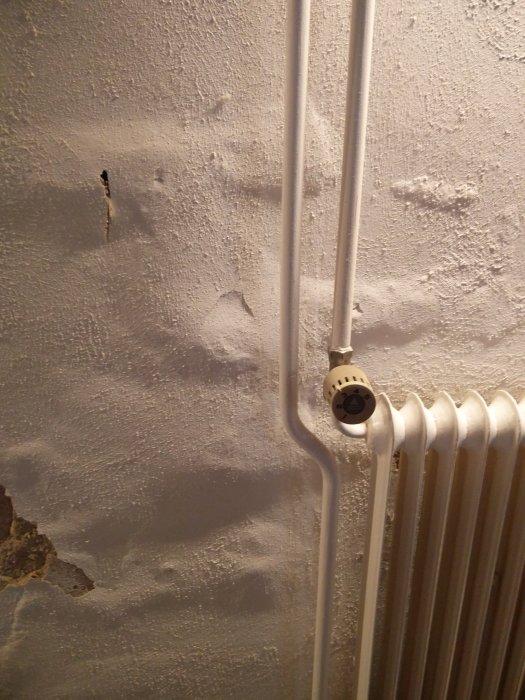
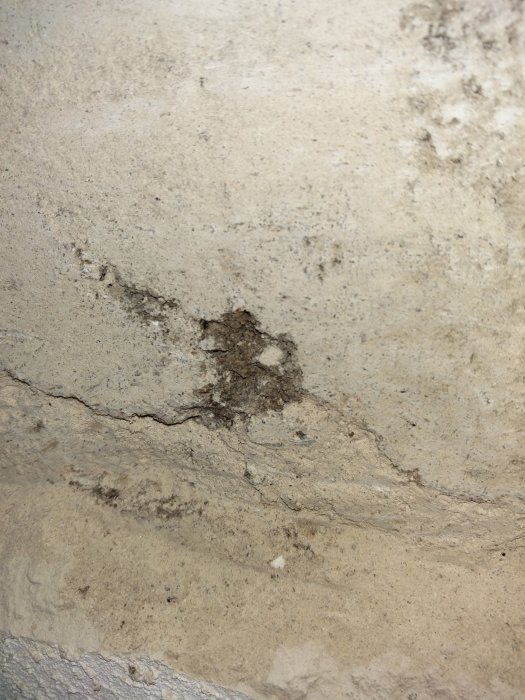
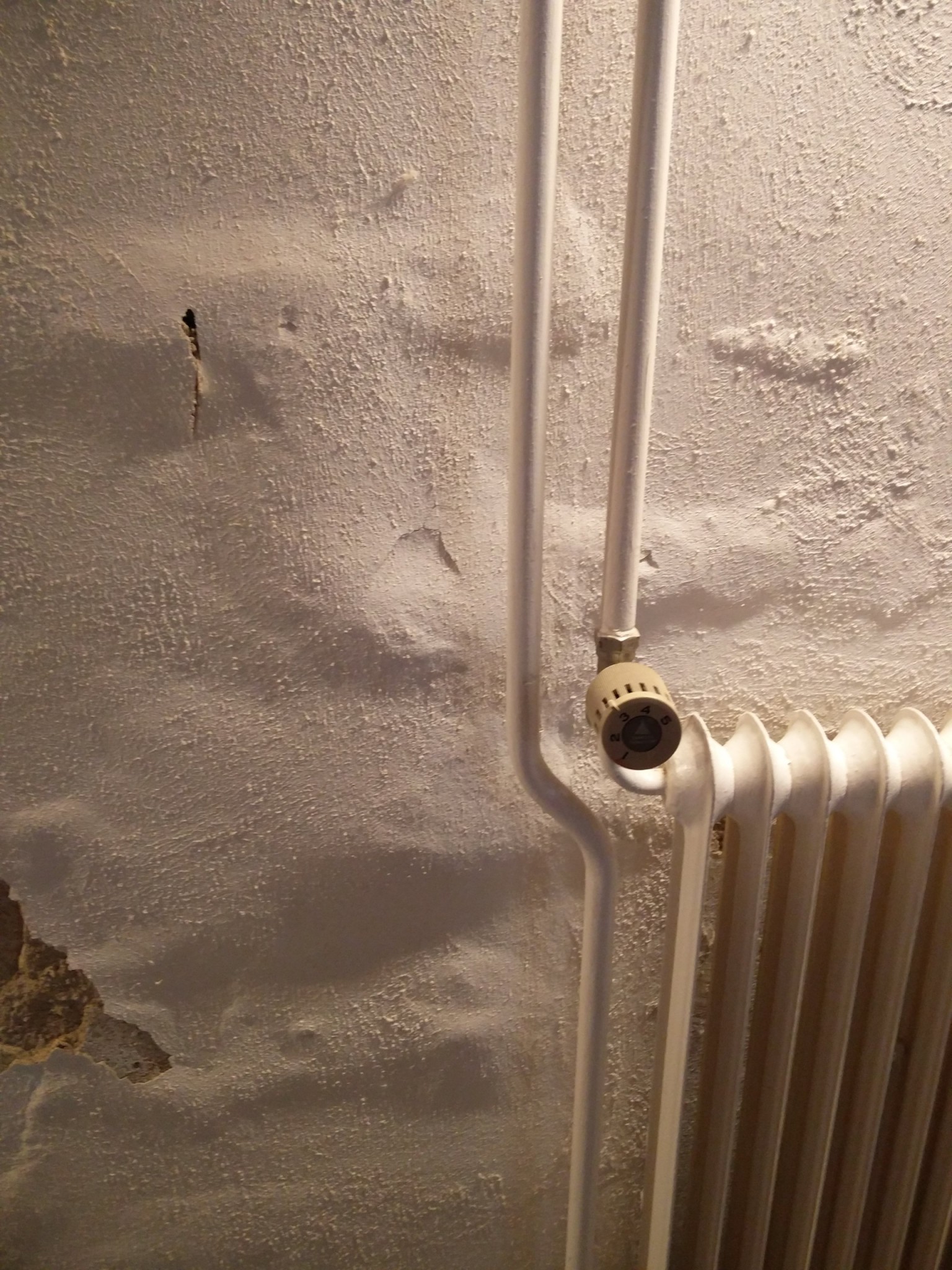
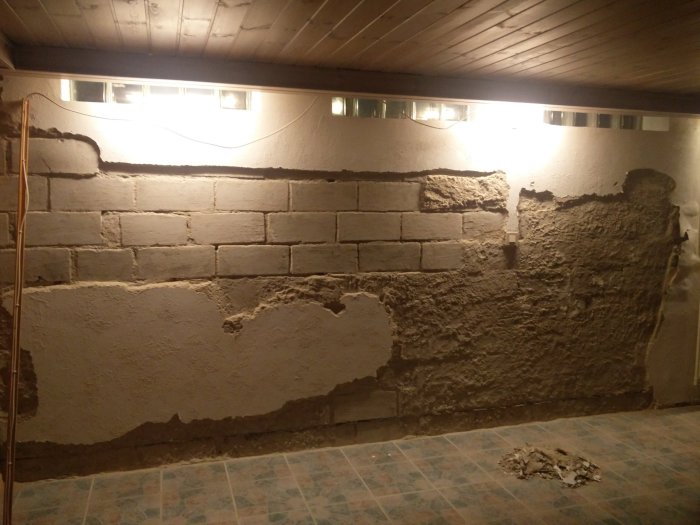
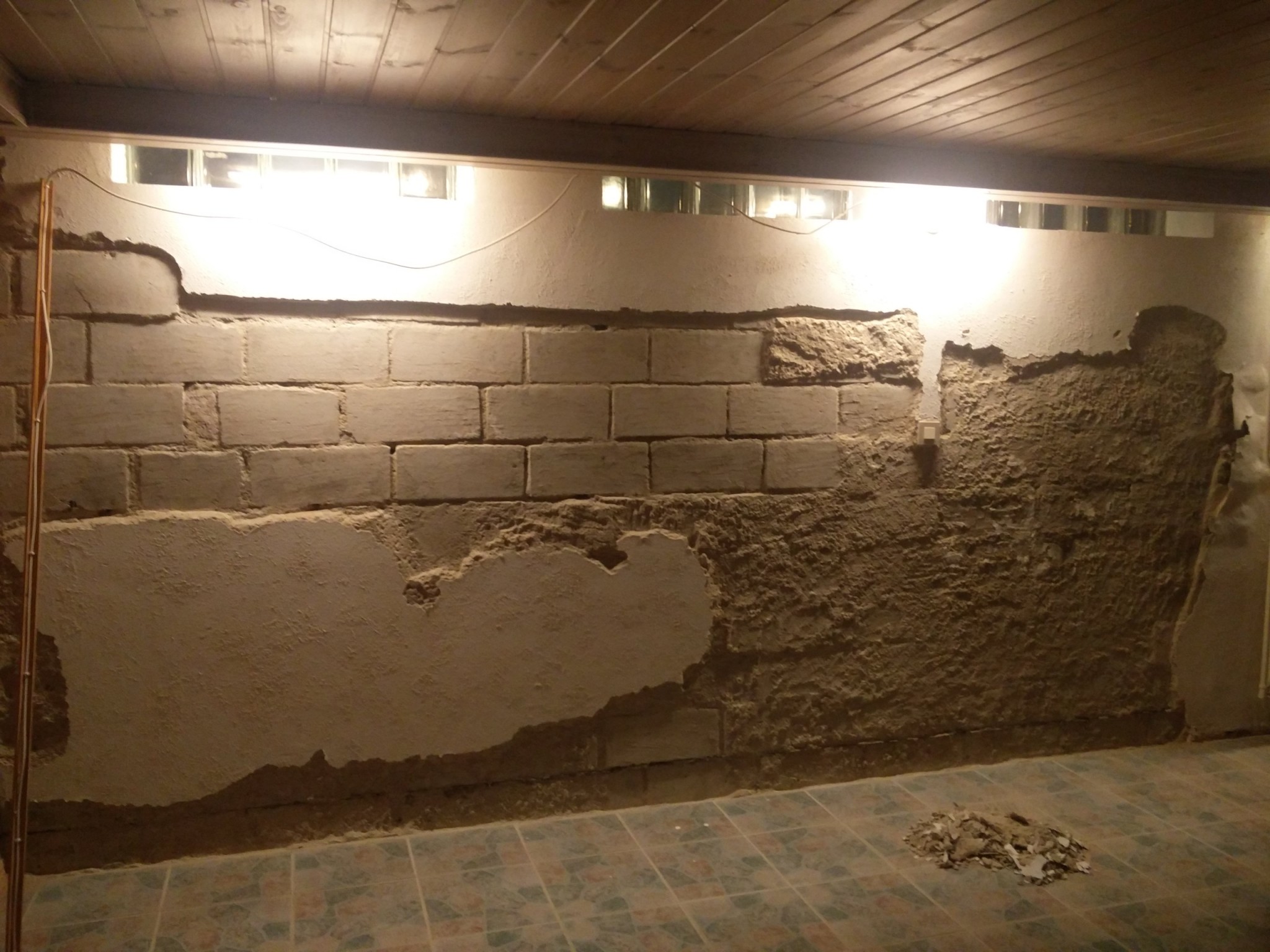
This is how one of the exterior walls looked in our basement. Probably painted with the "wrong" paint and also the original drainage.
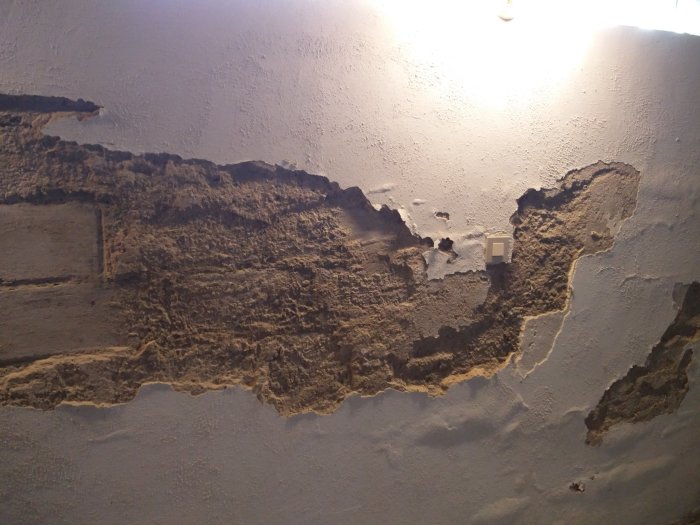
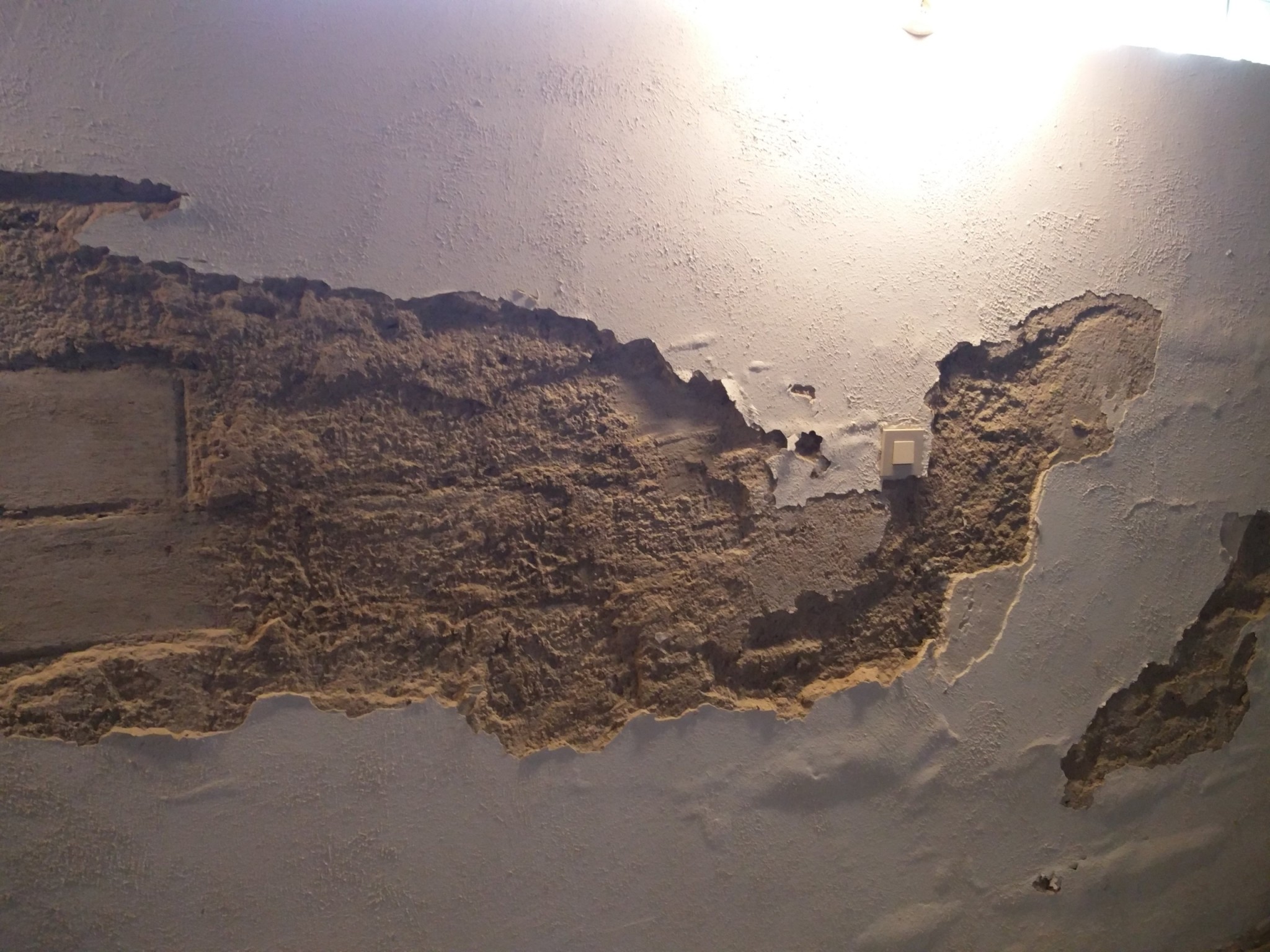
Now I've started renovating the wall in question and both the paint and plaster are falling off at the slightest touch.
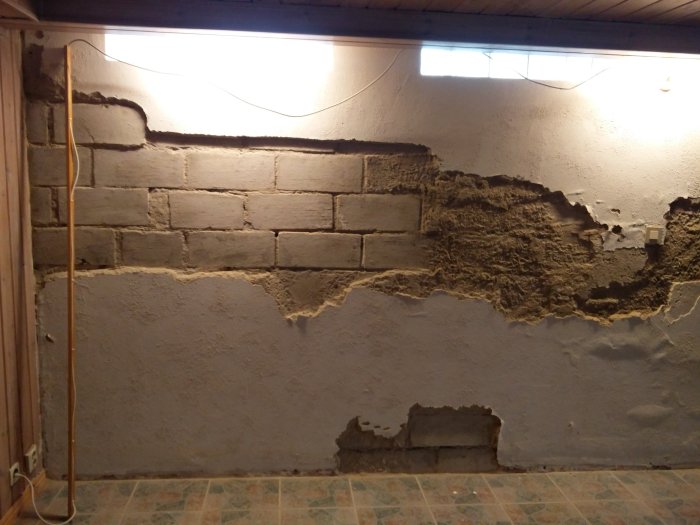
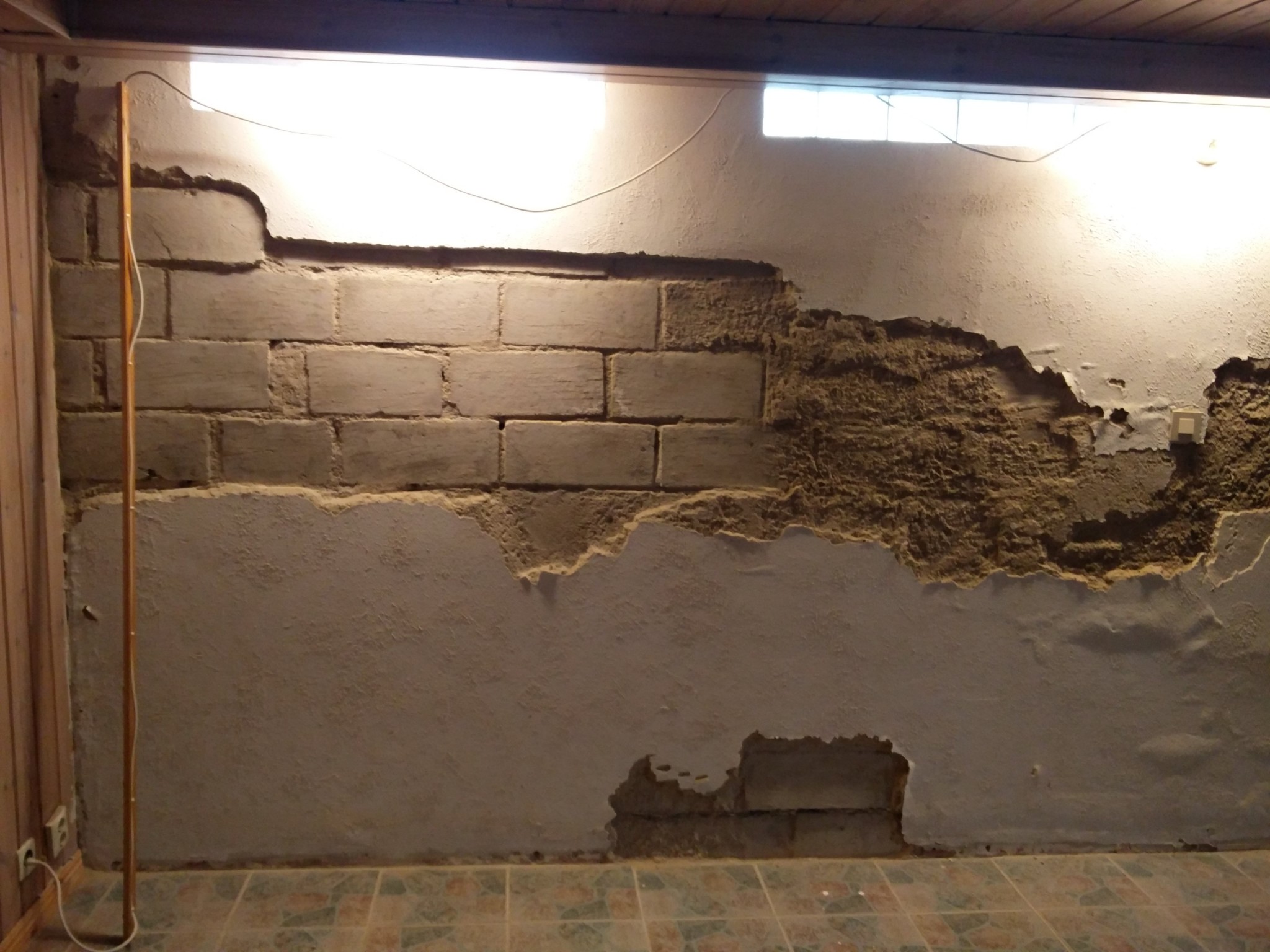
I've scraped all the way down to the actual blocks, but it's a hell of a job. I assume I need to remove all the old plaster before I can apply new plaster and then paint with silicate paint?
Do I need to get the whole wall clean? Or can I leave the part that is above ground untouched (it's fine and hasn't come loose)? What are the best tools to remove all the old plaster from the blocks? Right now, I'm chipping away with a crowbar and a hammer...
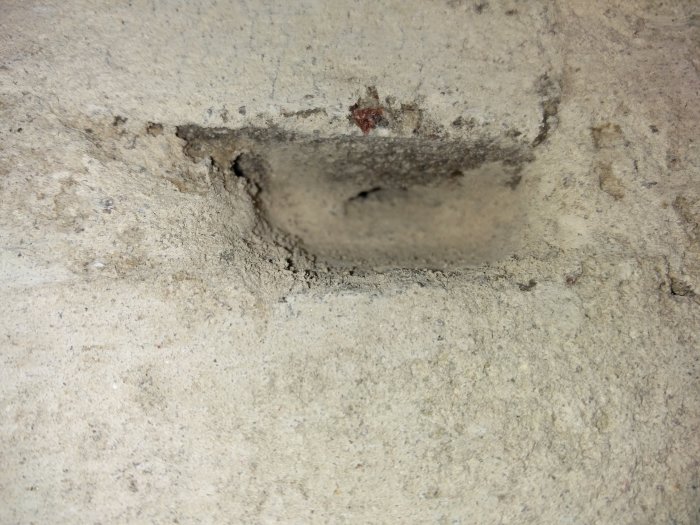
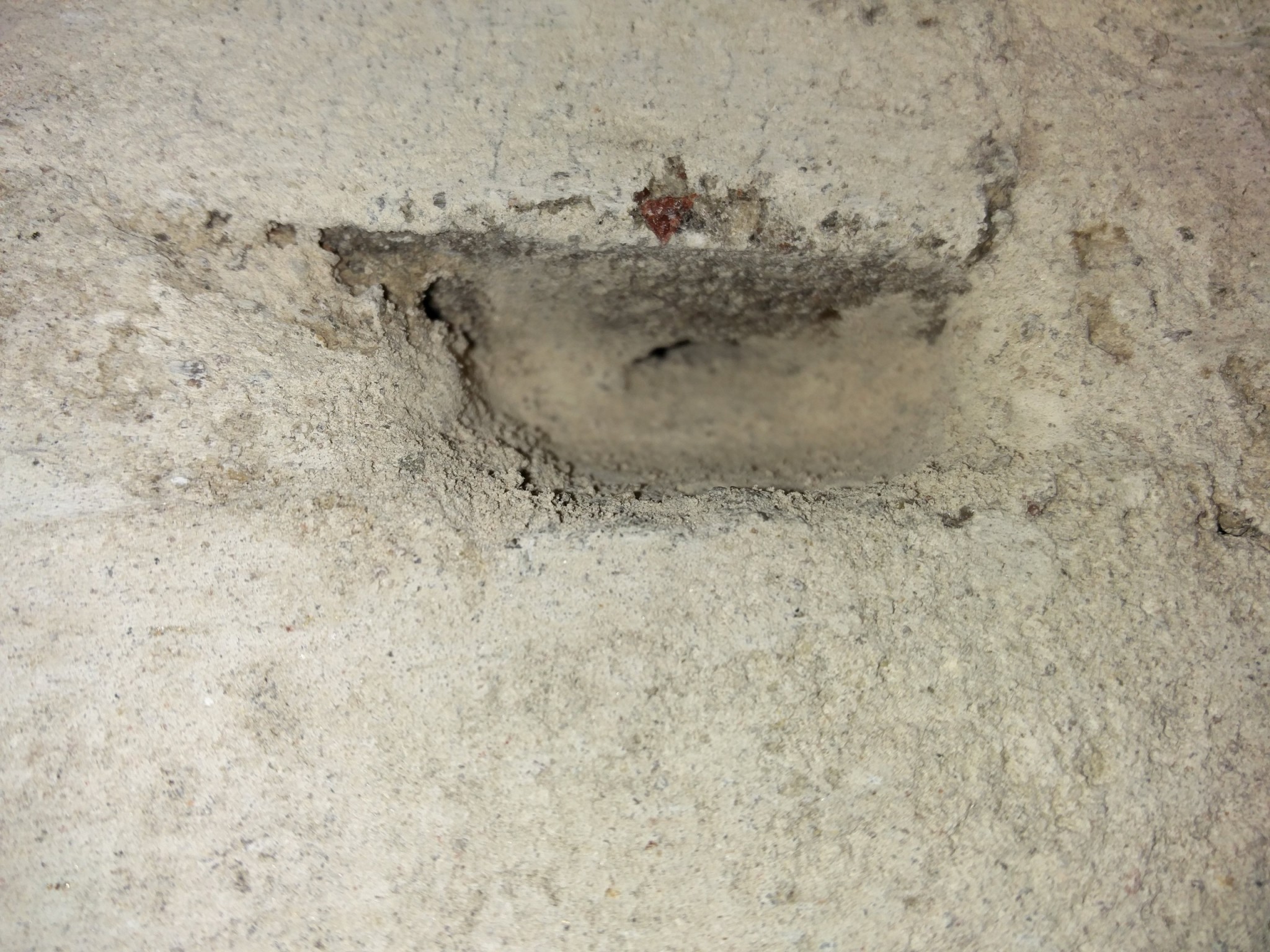
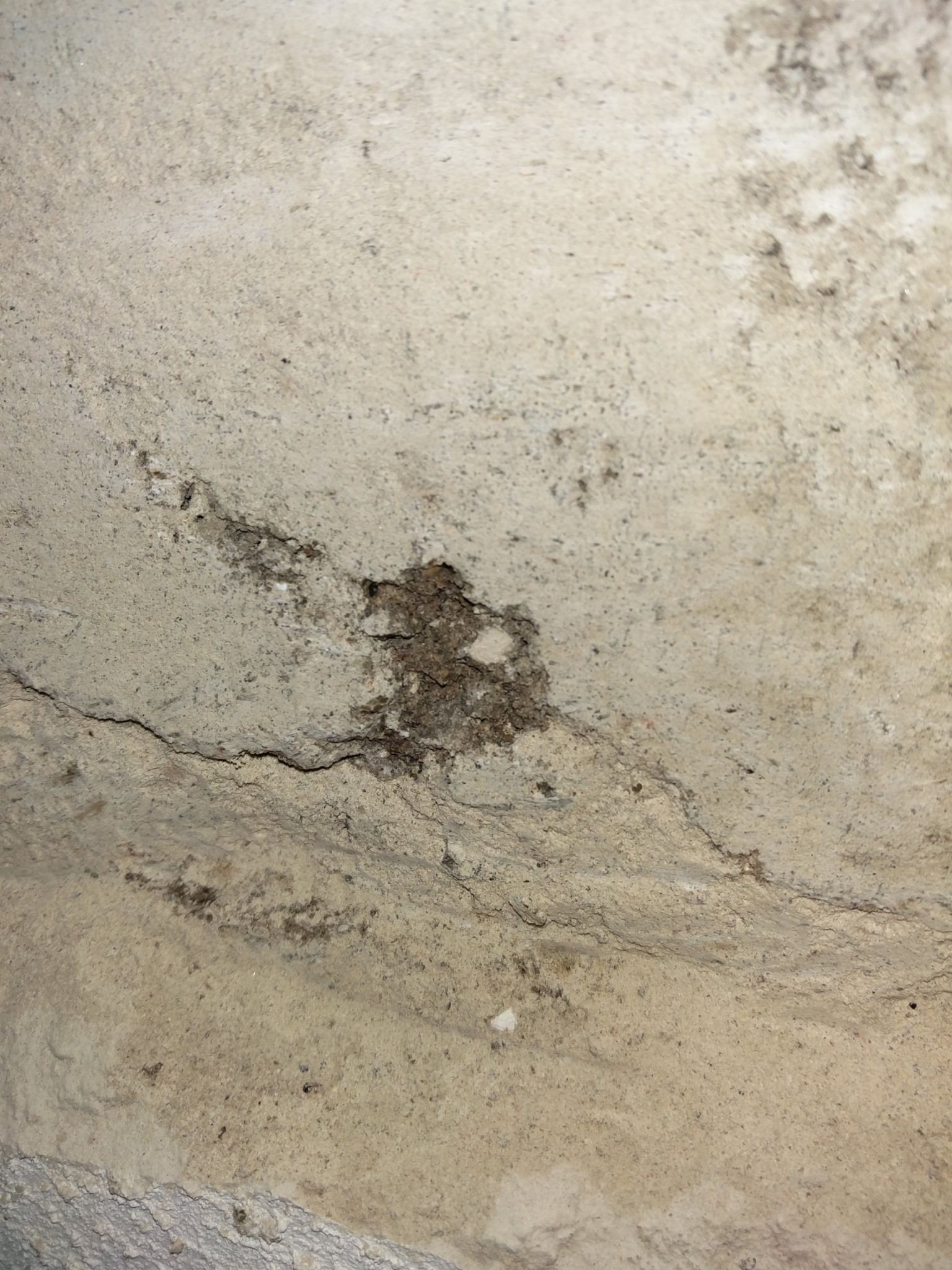
Also, I don't really think the blocks look like siporex in the basement if you look closely at blocks that have been damaged and you can see what's "inside"??
I have made that journey in the basement in four rooms. I had two chisels lying around, one of which I sacrificed, the duller one. I hit with a hammer and took it room by room. I also have a chisel hammer, but I found it too heavy for the task.
I suggest that you remove everything that comes loose and everything that has voids behind it, and actually a little around it.
I primed first and plastered with Putsbruk C, in cases where the primer ran out, I pre-wetted with water, and it holds just as well today. Painted with silicate paint after 8-12 weeks, can't remember exactly. If you haven’t drained, you can see on the new plaster where it dries less.
Take it room by room and take it for what it is. It has to come down and out, and new material up.
My philosophy is not to pay anyone for things you can handle yourself, and this job costs mostly in time and effort.
Unfortunately, I can’t comment on what kind of block you have.
I did the same thing in a room in the basement. I scraped away what was loose and removed the rest of the paint with a concrete grinder. (Creates a lot of dust.) You don't need to remove all the old plaster before reapplying plaster. Just the paint.
Thanks for all the answers, the drainage is from '65 so it probably needs to be renewed as well, but that will be the next project (it costs a penny).
I'll scrape away all the paint and all the loose plaster. They stick well in many places and there's no hollow sound there. This applies mainly to the places that were completely "free" from paint blisters.
Of course, if I go at it with the hammer, they'll come off there too, but if it's not necessary, I leave them untouched.
Here you can see where I've scraped down to the concrete blocks and where I've scraped off all the loose plaster but left a thin hard layer. It should be possible to re-plaster on this?
Bumping the thread a little, now I have removed all the paint and plaster from my wall Time to restore, I'm planning to apply new plaster and then paint with silicate paint.
Is there anything I should consider, special plaster for a basement wall? It's an exterior wall with poor drainage so moisture is present.
Hi,
Well done, not in my top 10 list of things to do.
You should use Mur och Putsbruk C. Great price at Bauhaus for around 40 kr per bag. I've tried applying it by throwing but it didn't go so well. For all the walls, I have "smoothed" it on with a float.
Let it dry for 8-10 weeks before you paint with silicate paint.
Otherwise, you can see which areas haven't dried, they are darker in appearance.
No, definitely not, it was d*mn tedious The worst part is that sooner or later more walls in the basement will need the same treatment.
Okay, well, I'm not very experienced either, so it might just be a matter of applying it then. Should the wall be dampened before applying the plaster? Do you need to "mesh" or is that overkill for a basement wall?
I don't want to spoil the fun you have ahead of you, but plastering isn't exactly top 10 either hehe… Quite heavy regardless of technique.
I would dampen the wall before plastering mainly to prevent the new mortar from drying out too quickly. I have both pre-watered with water on some walls and on others I have mixed 2 parts water and one part primer and sprayed it on. In retrospect, I can say that it holds just as well. BUT I like to pre-water with primer and wait up to 24 hours because the surface absorbs the least afterwards.
However, I would not mesh, it will stick like... cast.
A tip from another novice; mix half the bag the first time, partly because it's heavy and partly because you'll notice how much is needed. Then make sure to have an hour to twiddle your thumbs while it sets and scrape off after 60-90 minutes with a float to remove irregularities. Spray with a little water to achieve a beautiful surface. Some take a broom at this point to create beautiful sweeping movements. I skipped that and just scraped the wall as evenly as possible. The result is nice and certainly better than before.
Then when you apply paint, it's a Kodak moment, worth framing.
I think it's fun and good that you’re doing this yourself, partly to save money but also not to do what "many" others do; cover the wall with steel studs and drywall. One way isn't necessarily better than the other, but it feels better to me to do a thorough job from the start.
Blah, blah blah... Here I am babbling on and all you want to do is get started with plastering the wall. Don't let me interrupt
Thanks for all the tips! It probably won't be until the weekend, so you're absolutely not disturbing me
I'm thinking of the work steps a bit like this:
Moisten the wall.
Apply plaster with some form of steel trowel.
Scrape off with a float.
Possibly moisten again and go another round with plaster to build a little more.
Yes, it makes sense to me, but Stefan N suggested netting. My walls were like yours, and I didn't net them, and it turned out fine anyway. If he's suggesting it, there must be a reason for it.
If you take a trowel and scoop it onto the float, you can place it against the wall and pull upward so the plaster sticks. Work from bottom to top. Hard to explain, but you press against it and move the float upward. That should work. Keep it clean underneath because there may be a lot of spill you can pick up.
Ugh, I have two sections on my walls to plaster, and I've lost the drive. It would be good for me to also get it done this weekend.
Siporex is really not a great material in basement walls, it absorbs water like nothing else.
I would probably rather focus on fixing the drainage on the outside before doing anything inside.
So now I have at least plastered the wall, what a hard job!! It didn't turn out even and nice either, probably because it was the first time I plastered a wall
Feels like the wall might need to be skim coated to become even and nice, although you probably don't do that on a plastered basement wall?