
4,320 views ·
8 replies
4k views
8 replies
renovate chimney breast from the bottom?
is it possible?
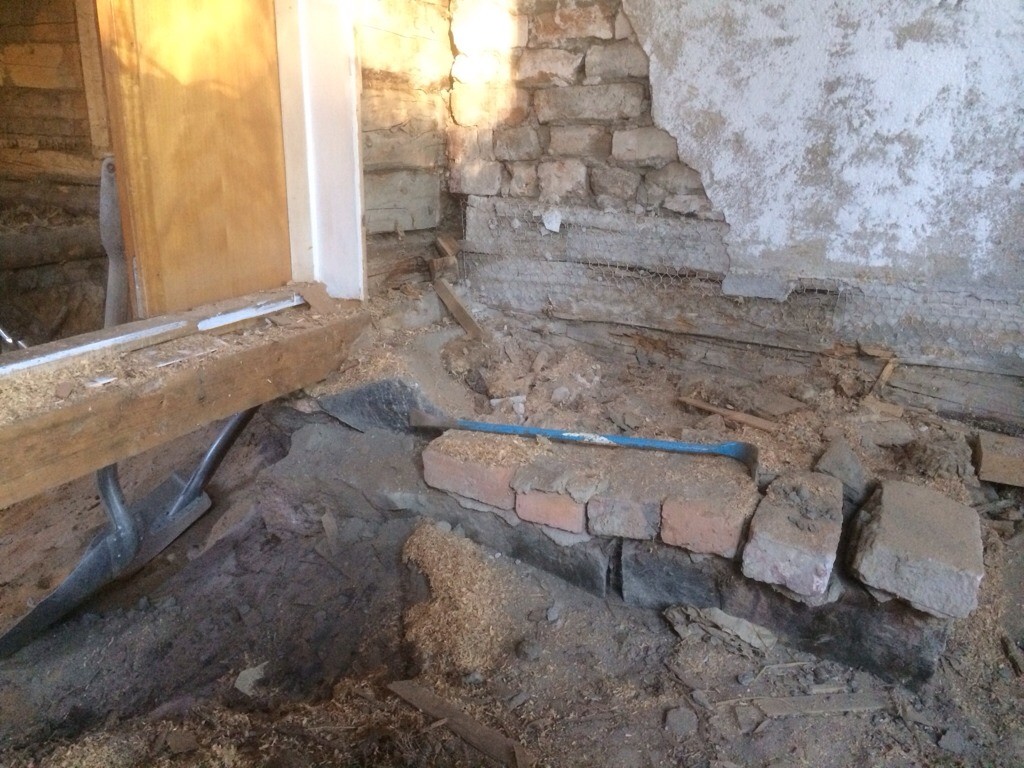
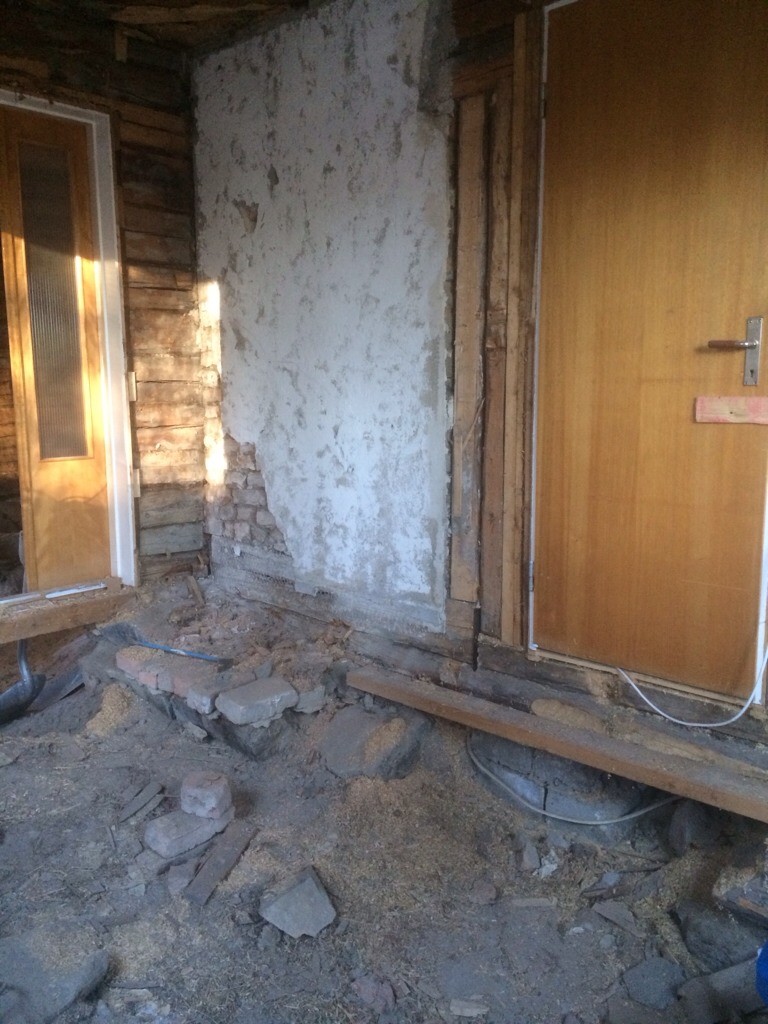
it looks like my chimney has logs partially embedded in it at the bottom and that it is also resting on them,
the log has rotted away due to dry rot so cracks have appeared at the bottom and some bricks are loose.
as far as I know, the chimney consists of 4 pipes, that's what it looks like from above.
can you take down the chimney in "quarters," meaning 1/4 from the bottom and create a proper concrete foundation at the bottom and then rebuild this L-shaped part, meaning the "corner" of the chimney.
I estimate that it's about 2 meters from the ground and 1.5 meters of bricks that need to be addressed.
will the chimney collapse if I do this?
Regards
it looks like my chimney has logs partially embedded in it at the bottom and that it is also resting on them,
the log has rotted away due to dry rot
so cracks have appeared at the bottom and some bricks are loose.as far as I know, the chimney consists of 4 pipes, that's what it looks like from above.
can you take down the chimney in "quarters," meaning 1/4 from the bottom and create a proper concrete foundation at the bottom and then rebuild this L-shaped part, meaning the "corner" of the chimney.
I estimate that it's about 2 meters from the ground and 1.5 meters of bricks that need to be addressed.
will the chimney collapse if I do this?
Regards
what do all the skilled masons say?
had the father-in-law visiting over the weekend, he thought it would be easiest to tear down the chimney breast and if you want, build a new one up.
can it be true? what do you say?
sounds quite expensive to build a new one, and what time it will take!
had the father-in-law visiting over the weekend, he thought it would be easiest to tear down the chimney breast and if you want, build a new one up.
can it be true? what do you say?
sounds quite expensive to build a new one, and what time it will take!
sure, it does feel a bit like a risky project,
there's also a blockage in a chimney flue due to a jackdaw nest.
it's just a shame that it goes through a newly renovated room upstairs.
can you reuse the bricks and build a new one
I've seen there's a system called isokern, but it seems there are only 1 and 2 channels available. which is admittedly enough.
skipping the chimney could be an option, but it feels like you want one, to be able to burn as you're stingy, and there are only advantages to having a working chimney and fireplace.
there's also a blockage in a chimney flue due to a jackdaw nest.
it's just a shame that it goes through a newly renovated room upstairs.
can you reuse the bricks and build a new one
I've seen there's a system called isokern, but it seems there are only 1 and 2 channels available. which is admittedly enough.
skipping the chimney could be an option, but it feels like you want one, to be able to burn as you're stingy, and there are only advantages to having a working chimney and fireplace.
Anyone have any good advice on how to think?
I want a wall because it should be in the middle of the old timber house, like the heart.
There is a water-jacketed kitchen stove that helps heat the house, and it is very valuable to me.
At the same time, I have buried ground source heat pipes and have started laying underfloor heating, then will install a ground source heat pump so in the future you won't need to burn wood unless you want to.
I want a wall because it should be in the middle of the old timber house, like the heart.
There is a water-jacketed kitchen stove that helps heat the house, and it is very valuable to me.
At the same time, I have buried ground source heat pipes and have started laying underfloor heating, then will install a ground source heat pump so in the future you won't need to burn wood unless you want to.
There is another thing you should consider and that is the removal of hussvamp.
It is common practice to remove all the old plaster and some of the mortar between the bricks on the affected masonry because that's where much of the problem lies. Similarly, the remaining parts are usually heat-treated to ensure that the risk is minimized that there are residues that could start a new infestation.
If you have to do this anyway, you have already been forced to make some rather significant interventions on the chimney before you even start your difficult work of trying to underpin the masonry to establish a new foundation.
Whether to reuse the old bricks should be consulted with the removal company as these probably need to be sanitized or alternatively heat-treated.
It might not make much difference after all to remove everything and start over.
It is common practice to remove all the old plaster and some of the mortar between the bricks on the affected masonry because that's where much of the problem lies. Similarly, the remaining parts are usually heat-treated to ensure that the risk is minimized that there are residues that could start a new infestation.
If you have to do this anyway, you have already been forced to make some rather significant interventions on the chimney before you even start your difficult work of trying to underpin the masonry to establish a new foundation.
Whether to reuse the old bricks should be consulted with the removal company as these probably need to be sanitized or alternatively heat-treated.
It might not make much difference after all to remove everything and start over.
True, maybe thinking short-term now before everything settles.
And if you do all the work renovating the wall, you still have an old wall with bad joints elsewhere... They are quite porous.
The best might be to remove the wall completely. Then you also remove one component of what the fungus requires to live.
Then maybe install a stove with some simpler type of chimney in the same shaft if you don't build a new proper chimney.
Thanks for the comment! All such feedback is appreciated and helps make the misery a bit clearer at least
And if you do all the work renovating the wall, you still have an old wall with bad joints elsewhere... They are quite porous.
The best might be to remove the wall completely. Then you also remove one component of what the fungus requires to live.
Then maybe install a stove with some simpler type of chimney in the same shaft if you don't build a new proper chimney.
Thanks for the comment! All such feedback is appreciated and helps make the misery a bit clearer at least
had an acquaintance with 2 mason buddies who came to look yesterday, they said it might be possible to renovate the chimney but it will probably be cheaper to take it down and then get a simpler chimney for the intended fireplace.
at least if I take down the chimney myself.
so I guess it's just about starting to tear down the chimney, how do you know if it's part of the load-bearing structure? maybe you can start from the top and should notice if there's a beam somewhere that seems load-bearing.
//T
at least if I take down the chimney myself.
so I guess it's just about starting to tear down the chimney, how do you know if it's part of the load-bearing structure? maybe you can start from the top and should notice if there's a beam somewhere that seems load-bearing.
//T
Click here to reply