Just demolished an old toilet to instead build a wet room with a shower. Two of the walls are plastered, making me a bit unsure.
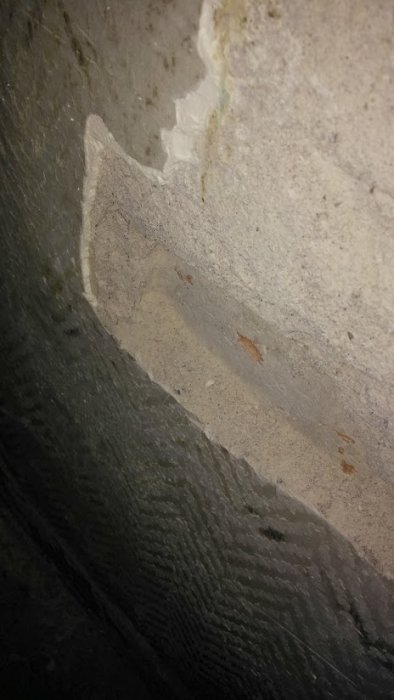
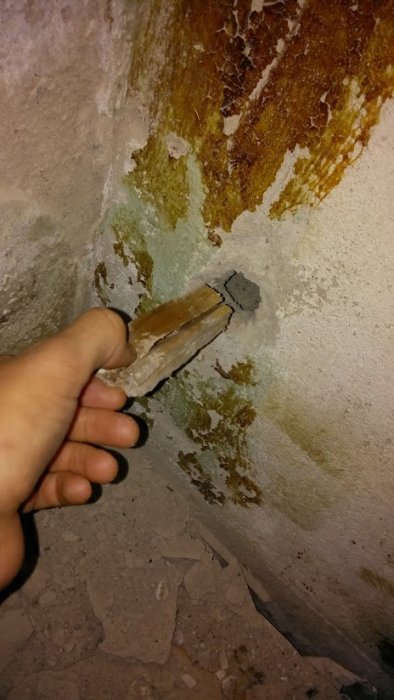
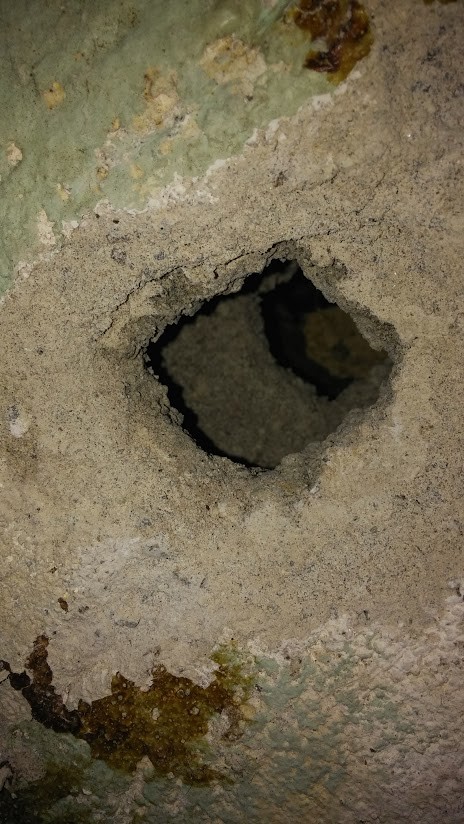
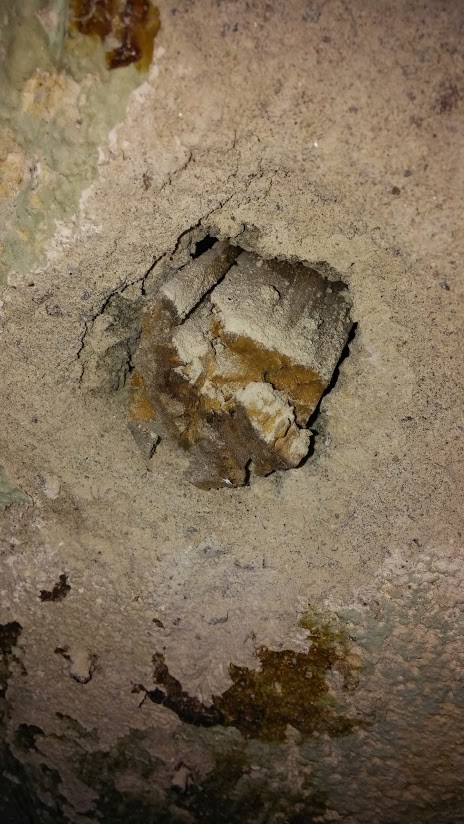
One wall (image 1) seems to be hard cement/concrete with very light plaster on top and then a thin layer of wallpaper/glue or something similar remaining. Lime plaster? In the places where it has been drilled or nailed, the plaster is very porous and crumbles like sand. I only need to "scrape" over the wall with a hammer for large chunks to come off.
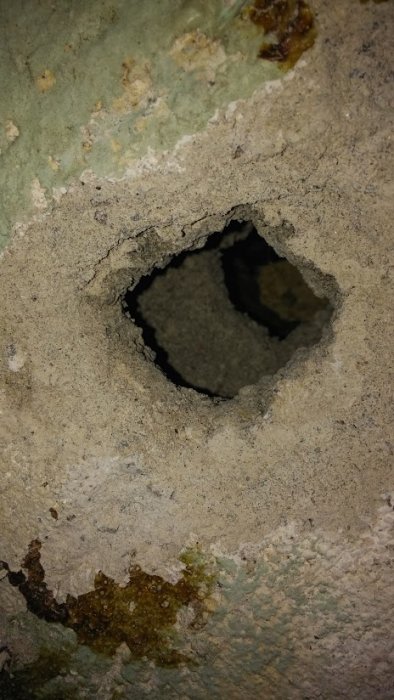
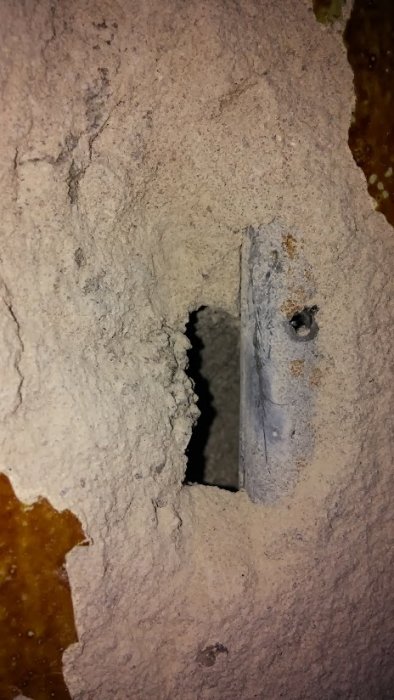
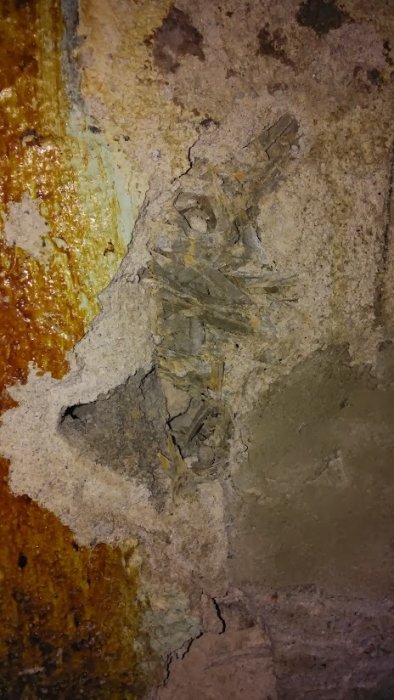
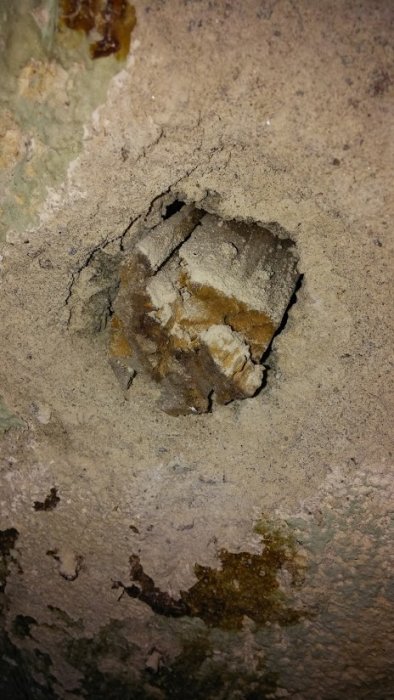
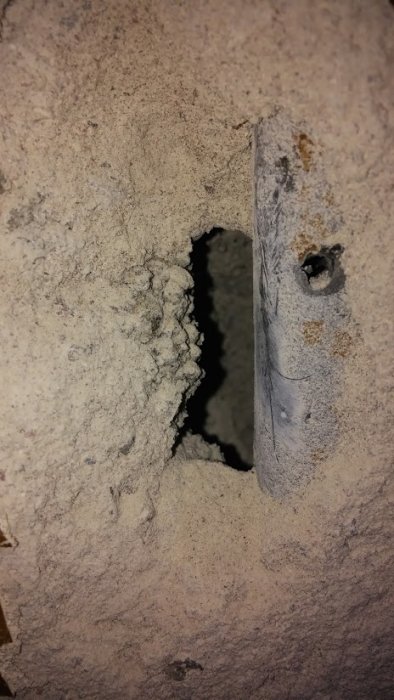
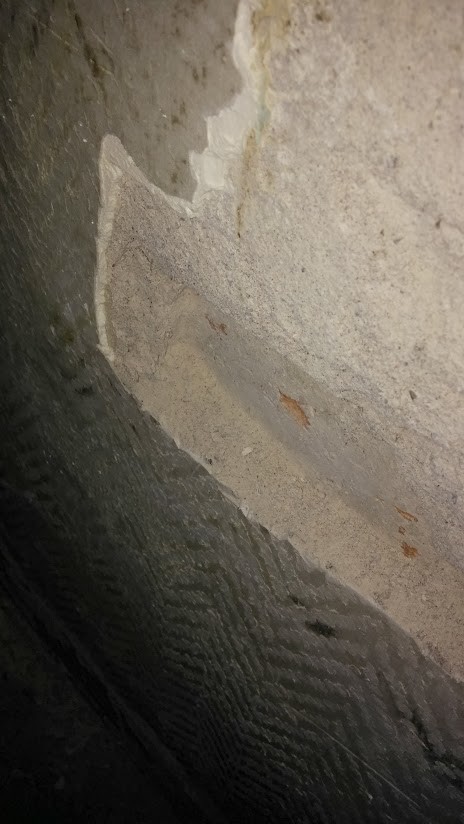
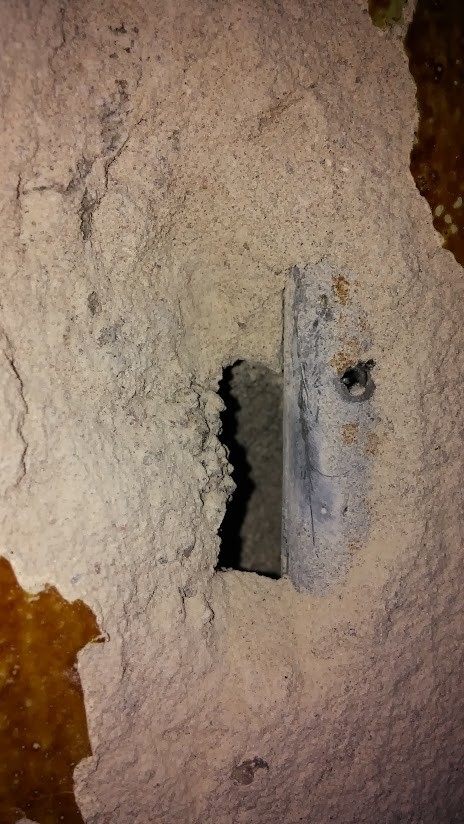
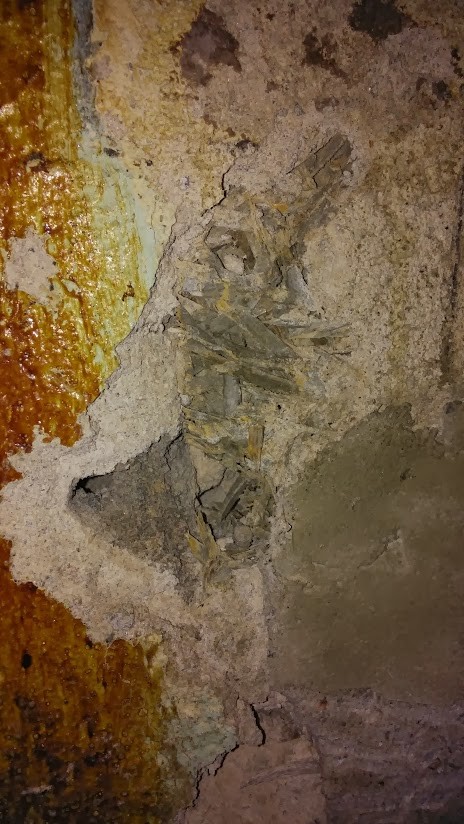
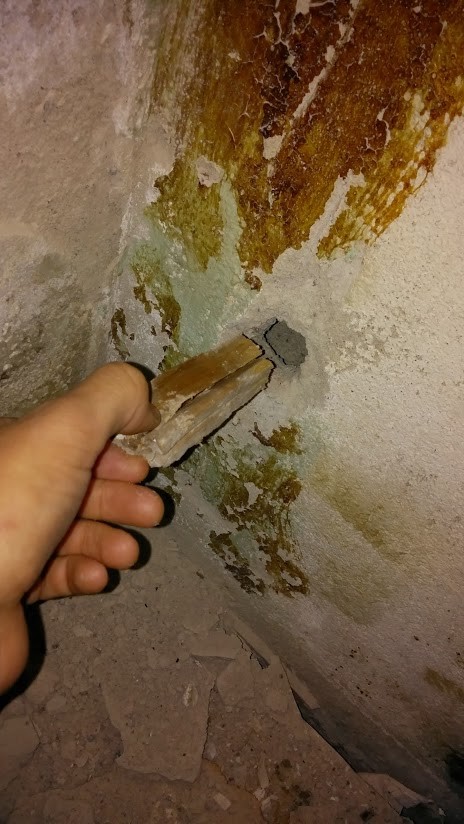
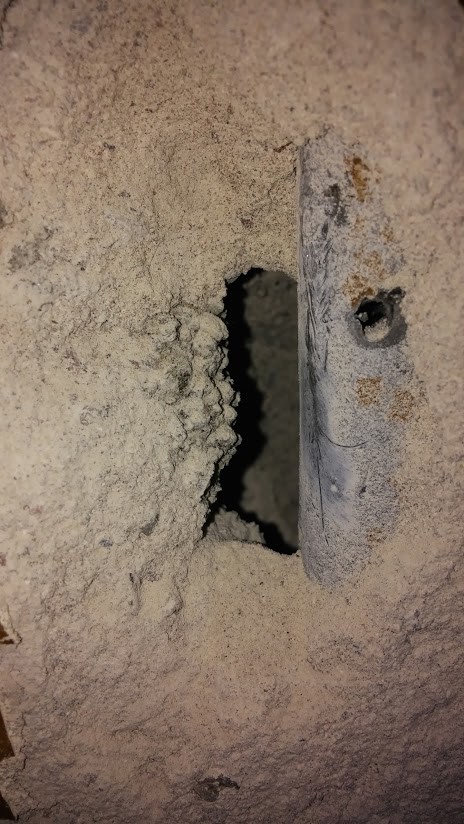
The other wall (the rest of the images) is the same loose plaster but then cavities behind (see image 2, 3). The wood piece in image 5/6 can be pushed all the way into the hole visible in image 6. In the wall, there is some kind of "reinforcement" made of paper strips - image 7.
The house was built in '48.
Is it lime plaster? (How can you tell?) Do I need to remove all the plaster then? It would probably just leave a big hole in the cavity wall.. According to BBV, lime plaster is an unsuitable substrate for walls in wet rooms as I understand (§ 5.5)? Can lime-cement mortar be applied on top of lime plaster, or is the lime plaster too weak for this?
How much KC mortar would you need to apply then?
I bought KC Plaster C 0-1 but the max layer seems to be 5mm and I can't find any plaster guides thinner than jointing strips at 6mm.
How do you prevent the mortar from falling between the walls in the holes?
I'm starting to get quite mixed answers from articles, blogs, and hardware stores.
It also seems that GVK and BBV advocate plaster _or_ filler while I got information to use both, and then wet-room filler. At the same time, I also read that pre-mixed filler is too weak..