I am renovating a room in a house built in '69.
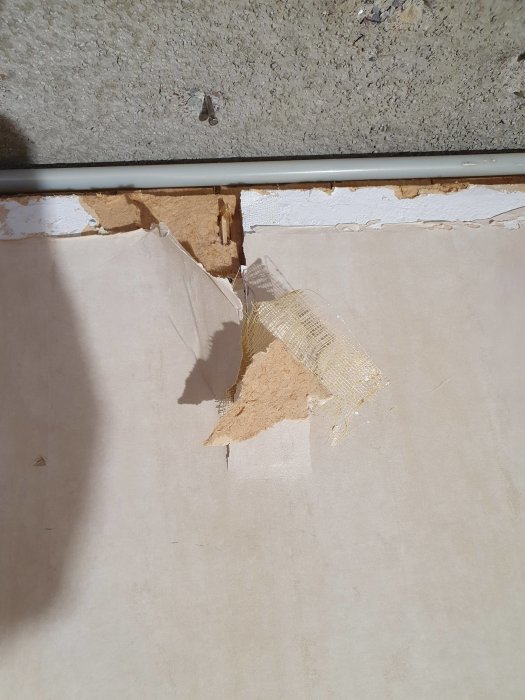
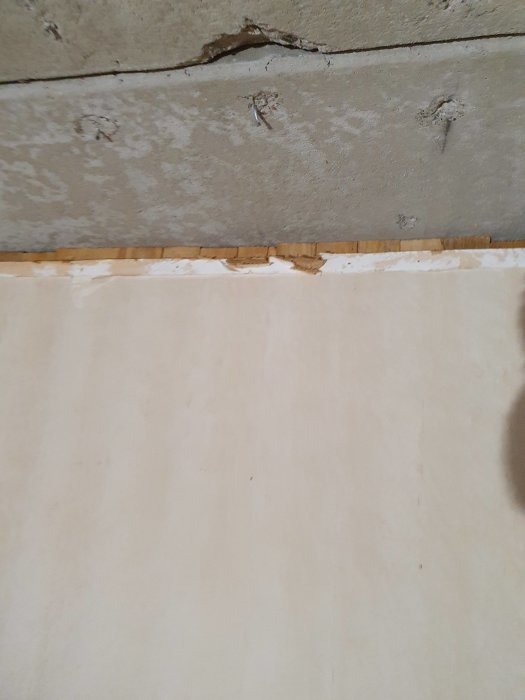
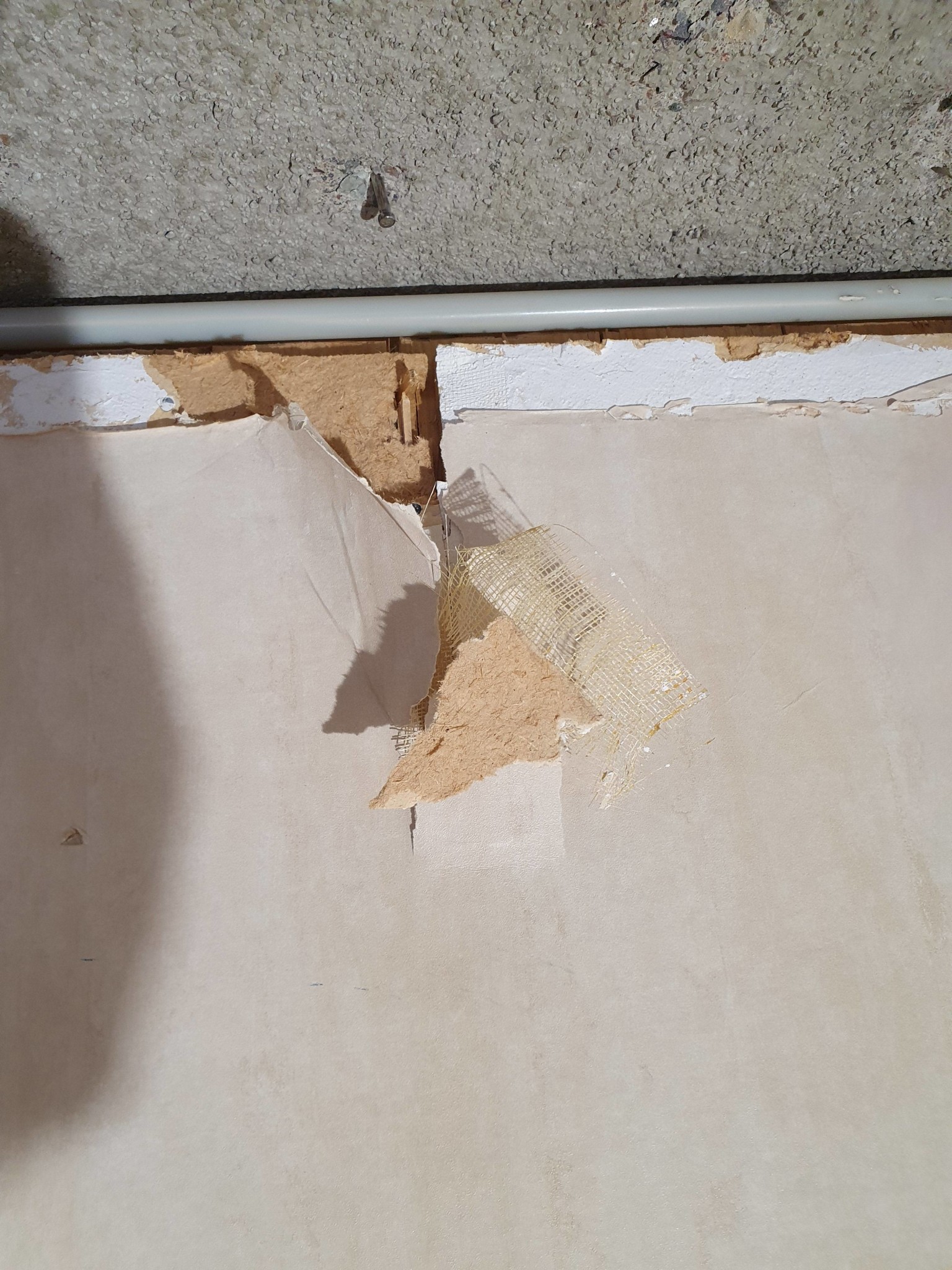
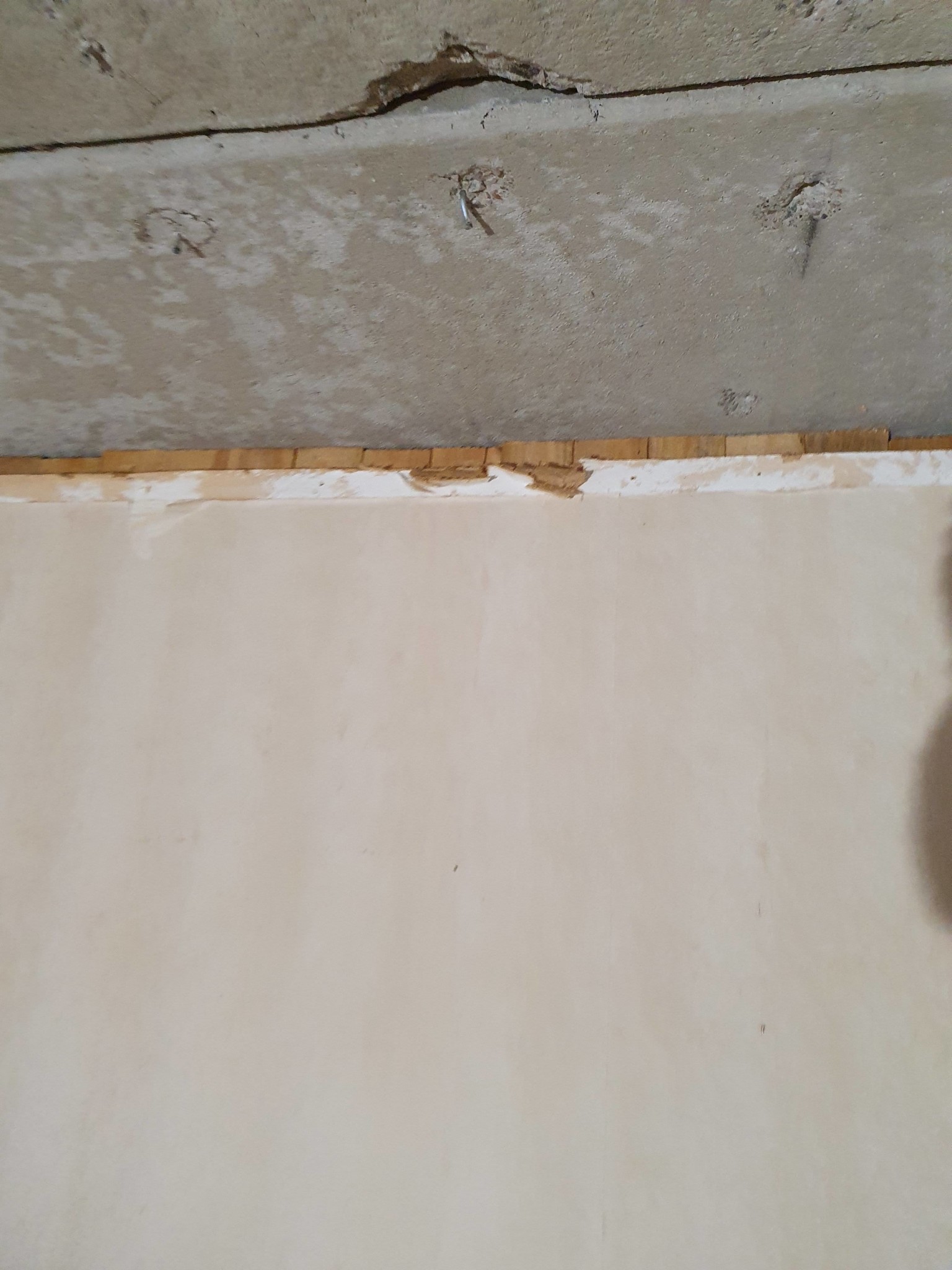
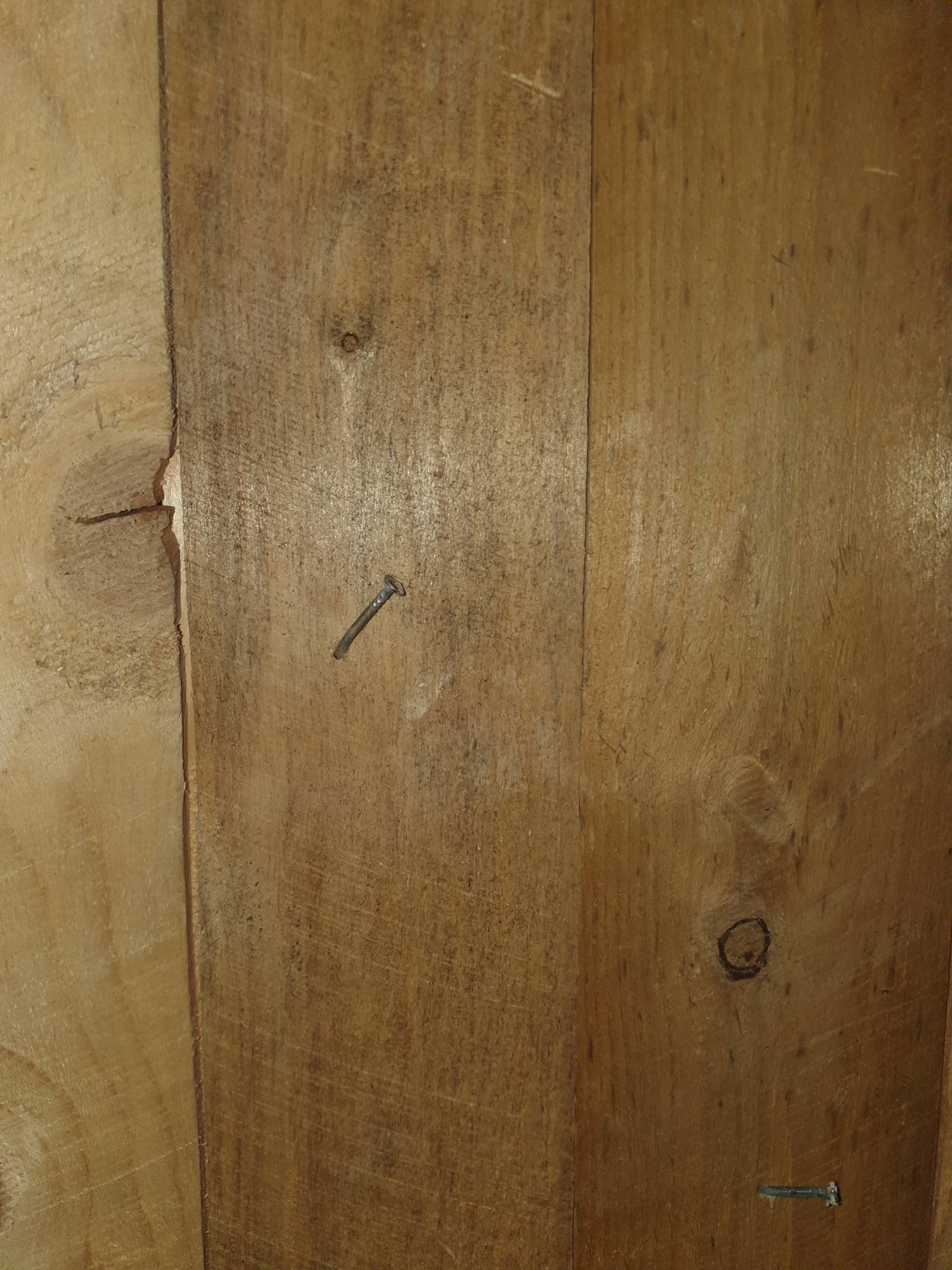
On two of the walls, there is some old type of particle board under the wallpaper, and behind it, there seems to be a panel. See pictures below.
Is there any risk in installing drywall over the existing wallpaper and particle board to avoid tearing them down? The board more or less just crumbles apart.
Is it worth replacing the insulation on the exterior wall if it hasn't been done since '69, or will it not make any difference?
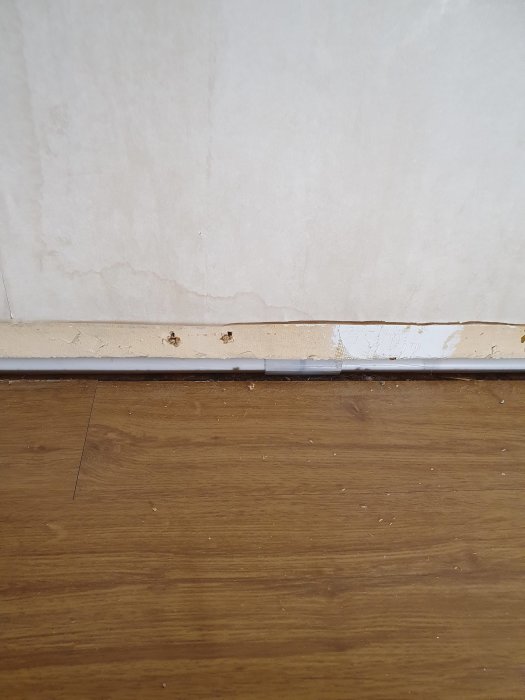
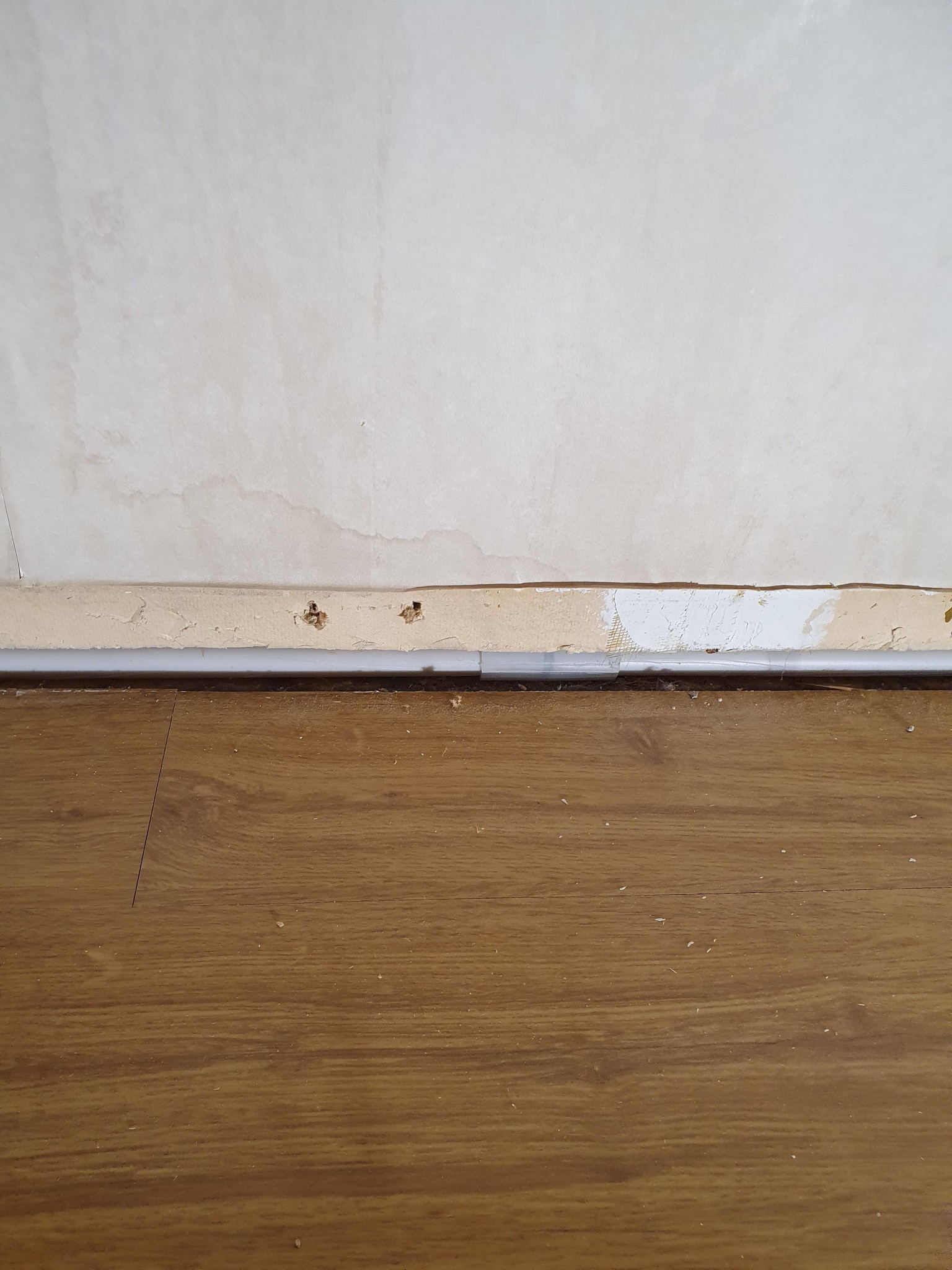
The existing boards don't go all the way down. See picture. Should I leave a small gap to make it easier to access electrical wiring?
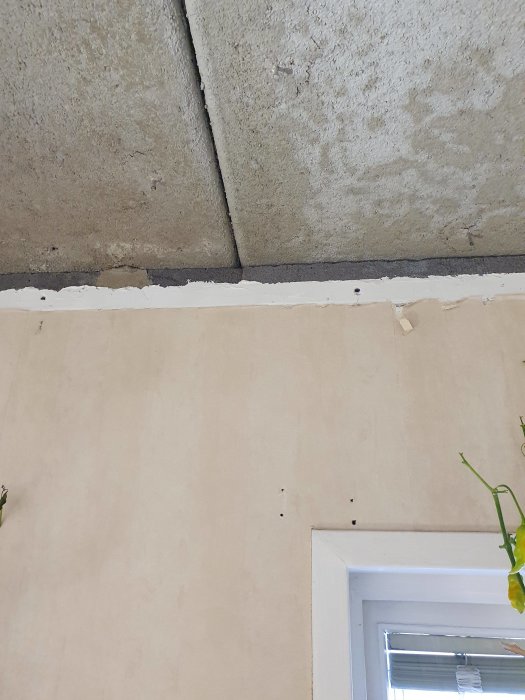
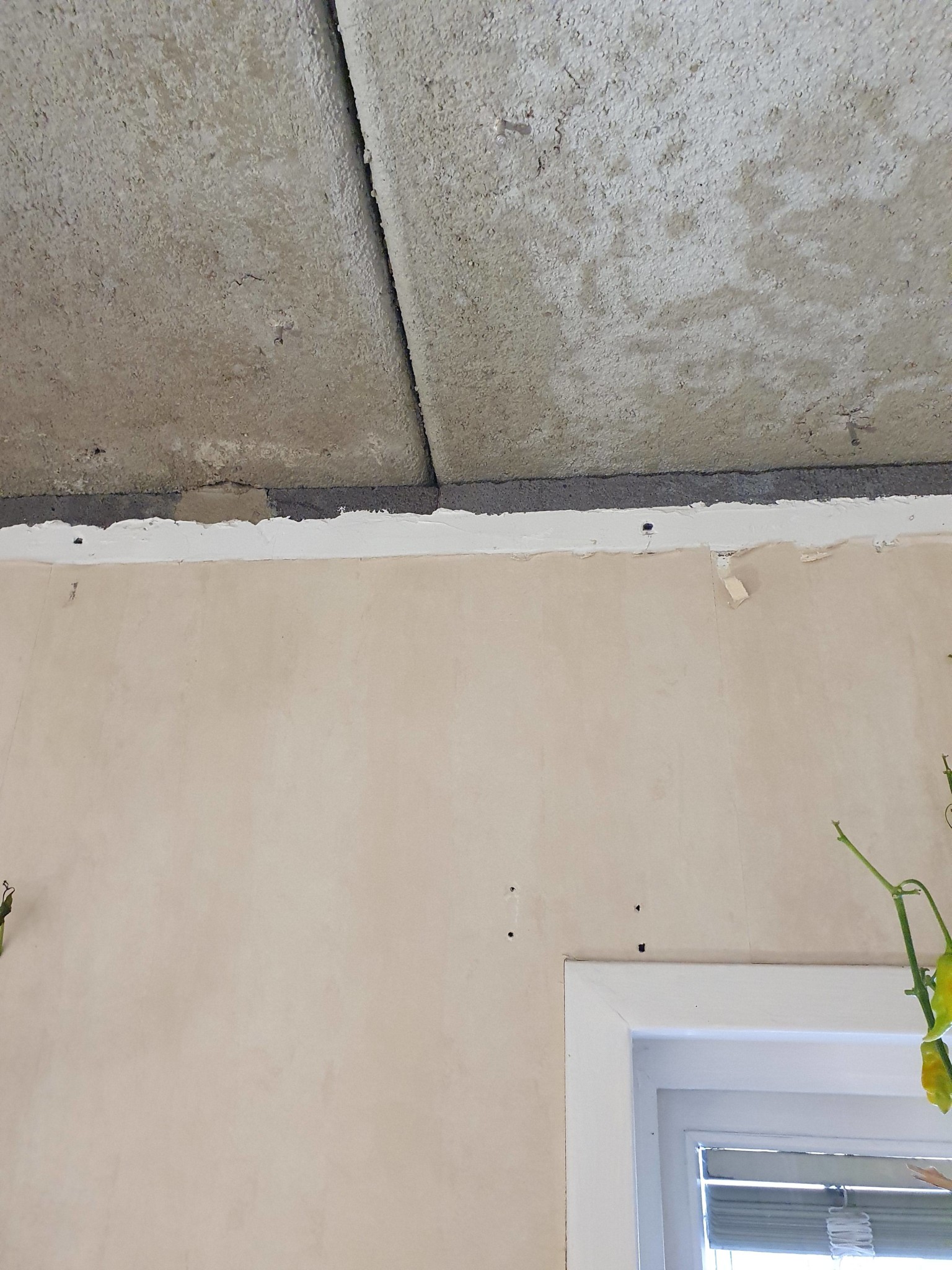
One of the walls, which is an exterior wall, consists of lecablock. See the picture with the window edge in. Should I seal gaps against the concrete ceiling for extra insulation, or would it be better to have a little air space? It's not like there seems to be any drafts from the gaps at present.
We are planning to put up some built-in bookshelves in the room, so maybe we should tear them down anyway. Do you have any tips on how to best take them down? They just seem to crumble when I try to loosen them with the crowbar.
Do you have any thoughts regarding the other questions?
Should one leave a gap at the bottom (and top) like the previous owner did?
And what do you think about replacing the insulation and sealing around the lecablocks?
Thanks in advance!
We are planning to set up some built-in bookshelves in the room, so maybe we should tear them down anyway. Do you have any tips on the best way to get them down? They just seem to crumble when I try to loosen them with the crowbar.
I just tore down a lot of old masonite, which is much more durable, but even that broke with the crowbar, so I decided to pull out nails and staples using a hammer and a screwdriver that I hammered into the staples. Just to take it down in as large pieces as possible. I guess it's harder for you, maybe you can't even see where it's attached?
I have now torn off the trerex. The panel underneath is dry but I'm a bit unsure if this is mold or not. Maybe hard to see in the picture.
Can I just put new gypsum board on it or is it best to replace the panel as well?
Now I have torn down the trerex. The panel underneath is dry, but I'm a bit unsure if this is mold or not. Maybe hard to see in the picture.
Can I just put new drywall on it, or is it best to replace the panel as well?
As you say, it's hard to see in the picture. Is it spread over large areas? If the panel is stiff, flat, and good to screw into, it would be very nice to have it underneath the drywall instead of replacing it with OSB or similar to get a durable wall.
It is nice and flat, so otherwise it looks good.
If it were mold, the panel should be damp, and it should be visible on every board. It's very sporadic, and as mentioned, it looks very dry.
I'm thinking maybe just put plasterboard directly on it anyway.
If you're going to install wall-mounted shelves, I guess you'll need to work with slightly longer screws and go into the panel behind.
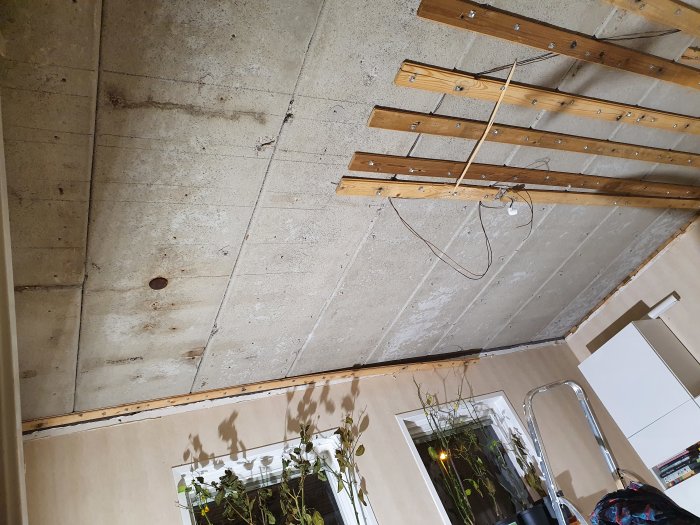
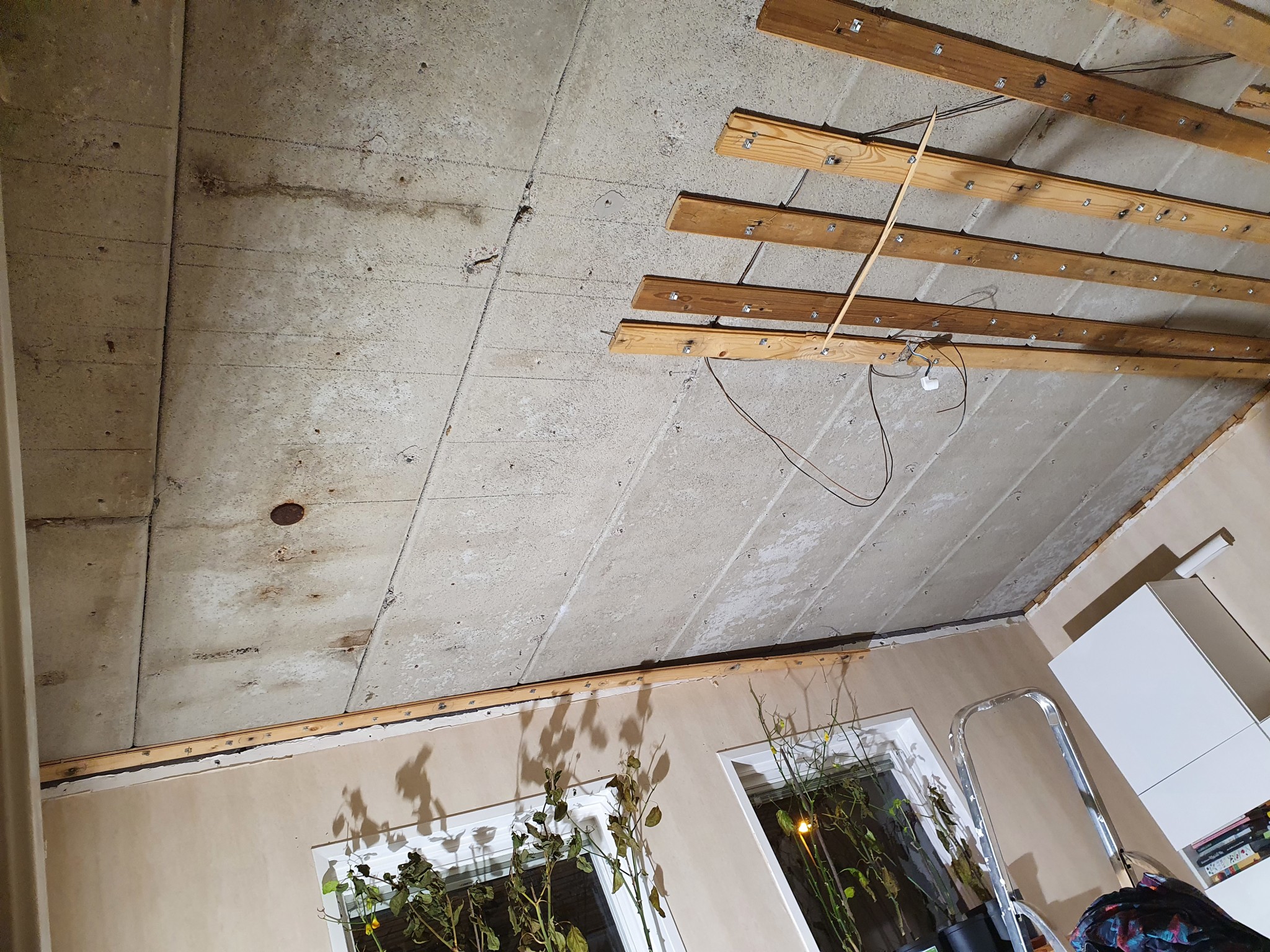
Then I will also build a new ceiling here. Currently, it's hard concrete between the floors, and above is a toilet.
I would like to soundproof the ceiling a bit, so you don't hear every detail happening in the toilet.
Do you have any tips on how to do it well?
The plan is a plasterboard ceiling with spotlights. A bit unsure yet on how to best attach the battens to the hard concrete. Maybe it's just a matter of biting the bullet and starting to drill?
Drill and then use a nylon plug and appropriate screw. As for soundproofing, double plasterboard is probably a good thing but it does get compromised a bit by holes for spotlights....but probably better than now.