
1,160 views ·
8 replies
1k views
8 replies
Paper or not between log wall and cladding?
Hello,
I have constant problems with rotting siding on my house. The house is built with logs with siding directly on the outside, which means there is no air gap. When I now replace the siding, I discover that the paper in between is affected by fungus and moisture on both sides. Should there be paper here? The house is painted with Demidekk Ultimat. Could this be a contributing factor? Is it possible that the house cannot "breathe" sufficiently? I gratefully welcome any tips and answers.
Best regards,
Per Alexandersson
I have constant problems with rotting siding on my house. The house is built with logs with siding directly on the outside, which means there is no air gap. When I now replace the siding, I discover that the paper in between is affected by fungus and moisture on both sides. Should there be paper here? The house is painted with Demidekk Ultimat. Could this be a contributing factor? Is it possible that the house cannot "breathe" sufficiently? I gratefully welcome any tips and answers.
Best regards,
Per Alexandersson
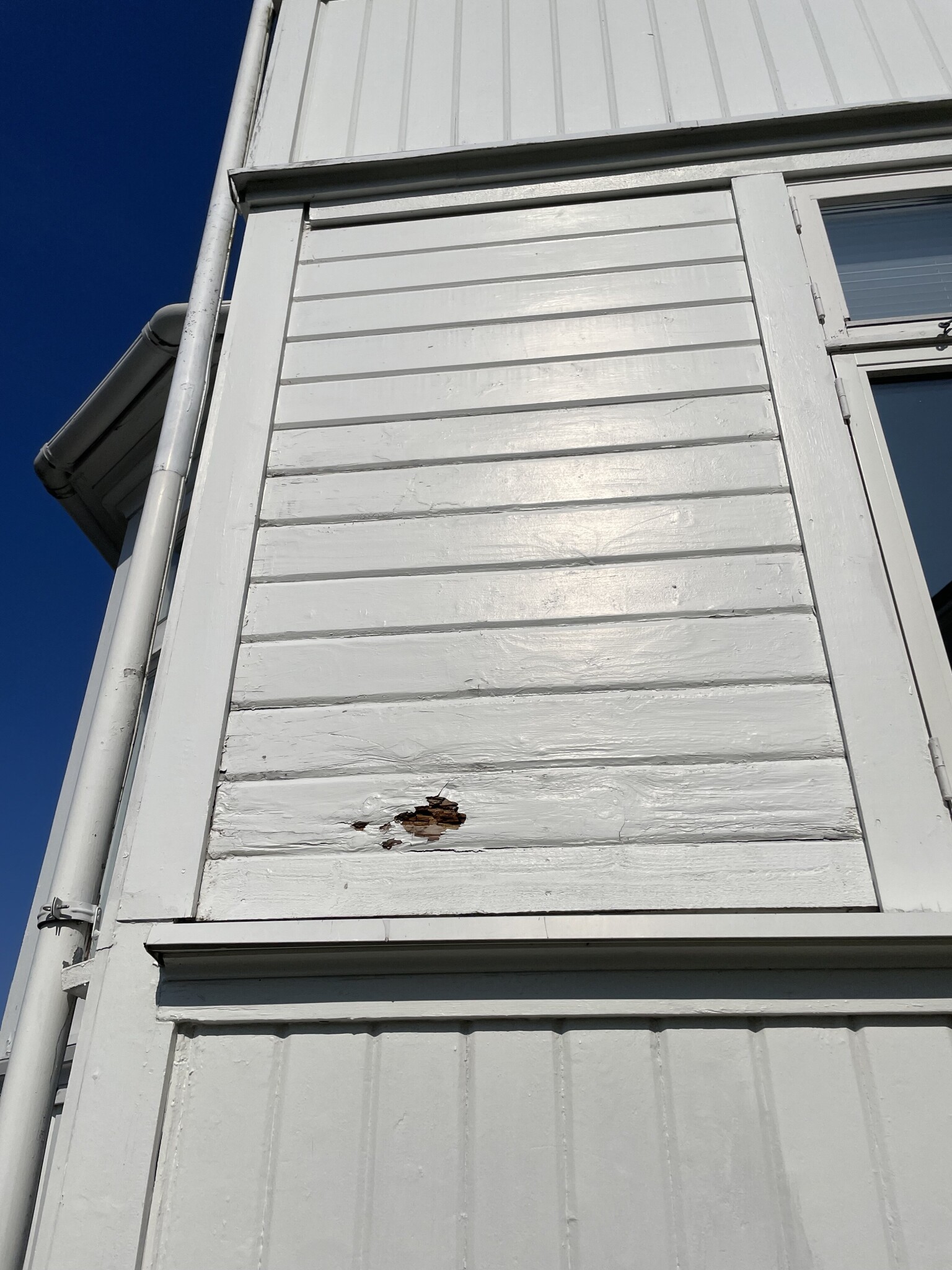
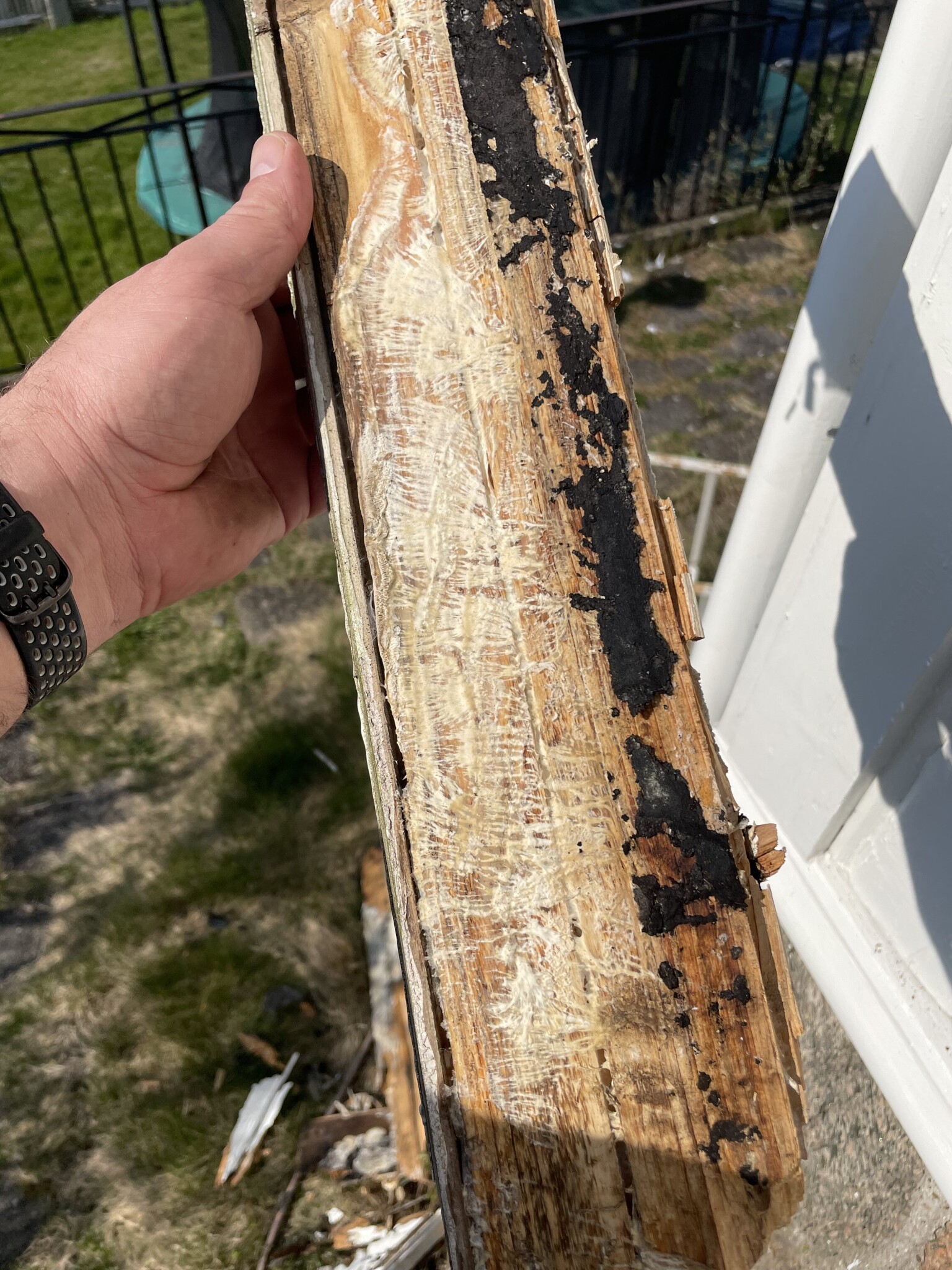
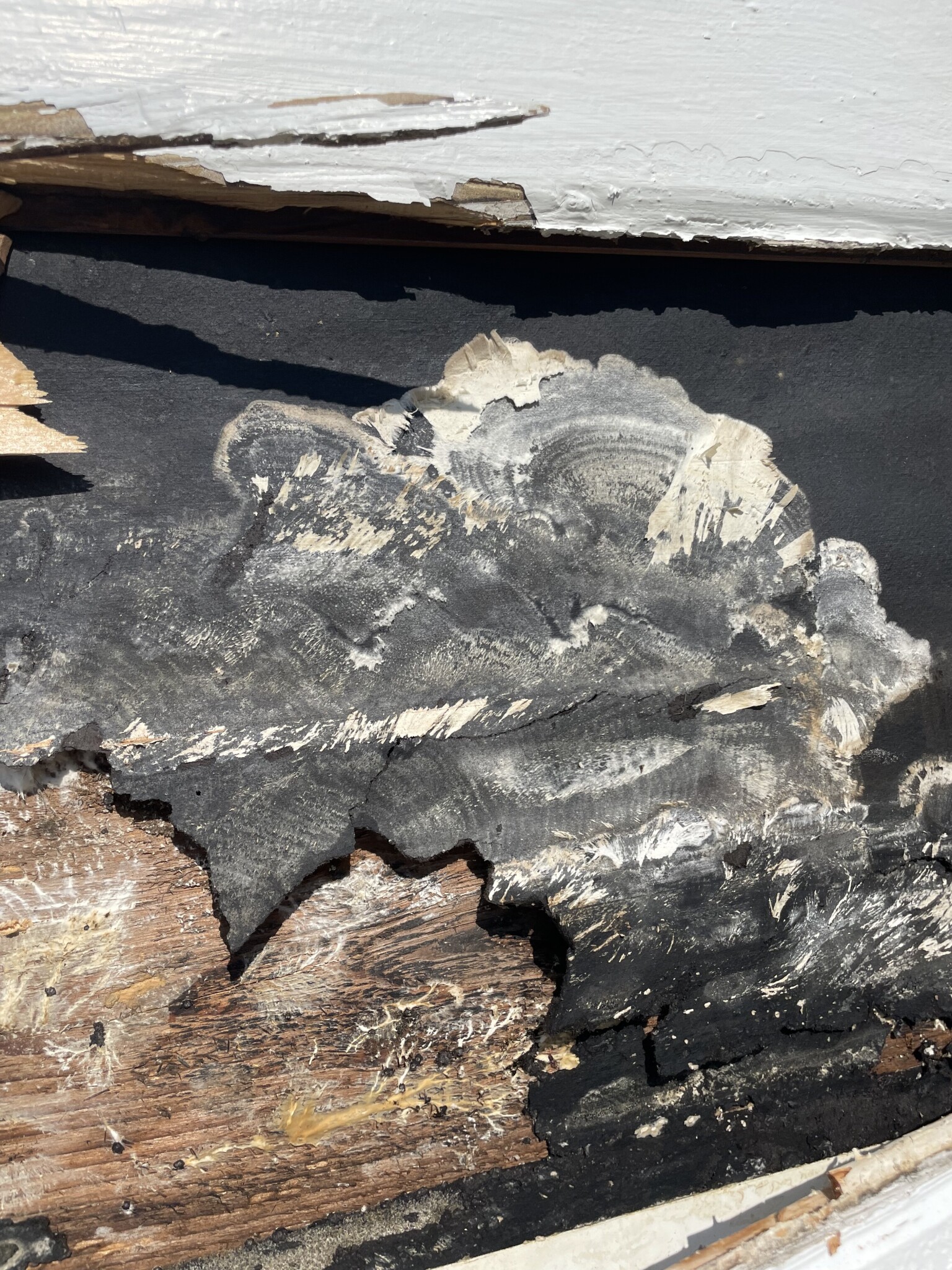
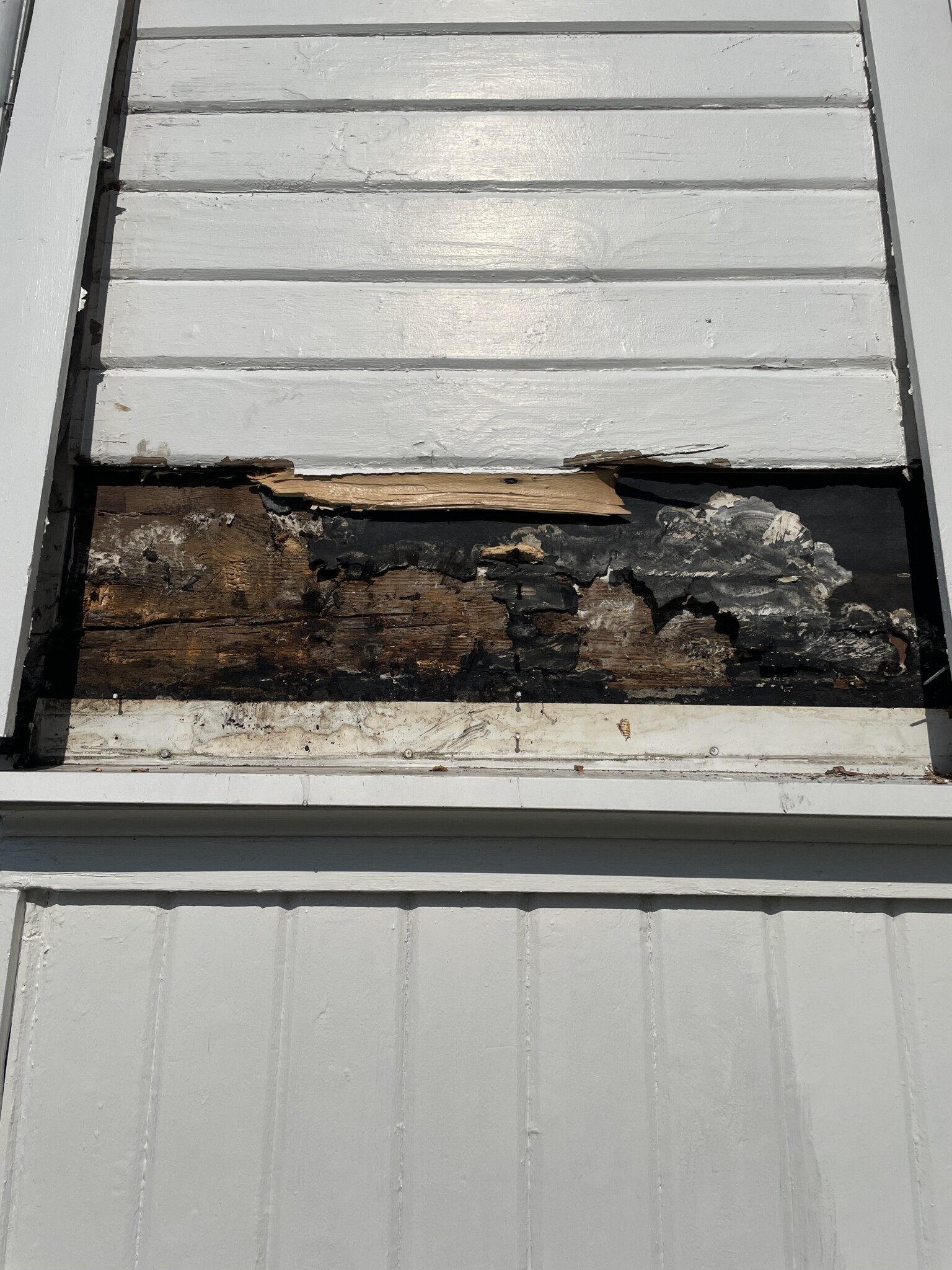
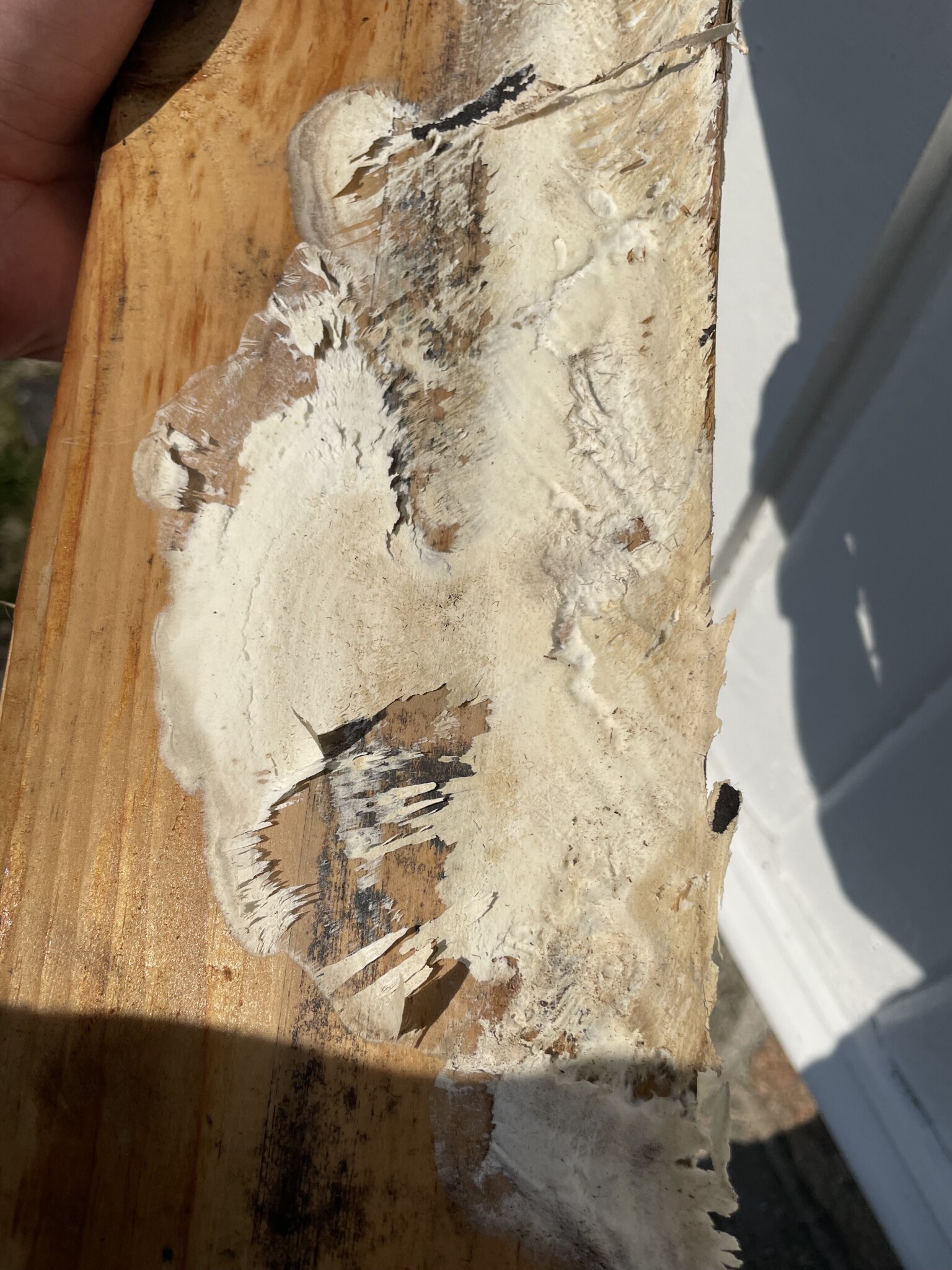
Yes, forhydringspapp is the older version of wind protection that you should have behind the wood paneling.P Pirahya2 said:Hello,
I have constant problems with rotting cladding on my house. The house is made of logs with cladding directly on top, which means there is no air gap. When I now replace the cladding, I discover that the tar paper in between is attacked by mold and moisture on both sides. Should there be tar paper here? The house is painted with Demidekk Ultimat. Could this be a contributing factor? Is it possible that the house cannot "breathe" sufficiently? I gratefully welcome any tips and answers.
Kind regards,
Per Alexandersson
It looks a bit odd in the joint between the horizontal panel and the trim/corner board, how is it done?
You need to redo the high facade if you want it to be problem-free and create an air gap behind the panel.
If you repair it locally, the same problem will occur again.
Painting companies primarily know what's best for the company, selling an expensive paint that needs to be replaced frequently is probably most profitable for them.P Pirahya2 said:
This corner facing south seems to have been a problematic area for quite some time, even before I took over the house in 2011. It's obvious that some "creative solutions" have been attempted—unfortunately not of the better kind.Rejäl said:Yes, forhydringspapp is the older version of a windbreaker that you should have behind the wooden panel..
It looks a bit odd at the joint between the horizontal panel and the trim/corner board, how is it done?
You need to redo the high facade if you want it to be problem-free and create an air gap behind the panel..
If you repair locally, the same problem will appear again..
For instance, the drip edge at the bottom should go around the corner, but it doesn't. The trim board is also spliced in probably the worst possible spot—right in the most exposed area. The entire drip edge is also clad in metal. I'm working on restoring everything to its original design.
You mentioned earlier that I might need to redo "the high facade"—could you elaborate on what you mean by that and what it would entail? Thanks in advance!
Yes, in the long term, your problem will be recurring if you don't do something about it.P Pirahya2 said:This corner in the south direction seems to have been a problem area for quite some time, even before I took over the house in 2011. It's clear that some "creative solutions" have been tried – unfortunately not of the better kind.
For example, the drip edge at the bottom should go around the corner, but it doesn't. The casing board is also spliced at the worst possible spot – right in the most exposed area. The entire drip edge is also covered with metal. I am trying to restore everything to its original state.
You mentioned earlier that I might need to redo "the high facade" – could you elaborate on what you mean by that, and what that would entail? Thanks in advance!
You need an air gap between the timber frame and the panel so that air can circulate behind the panel.
Click here to reply