
1,511 views ·
18 replies
2k views
18 replies
Open up the room - tear down interior wall
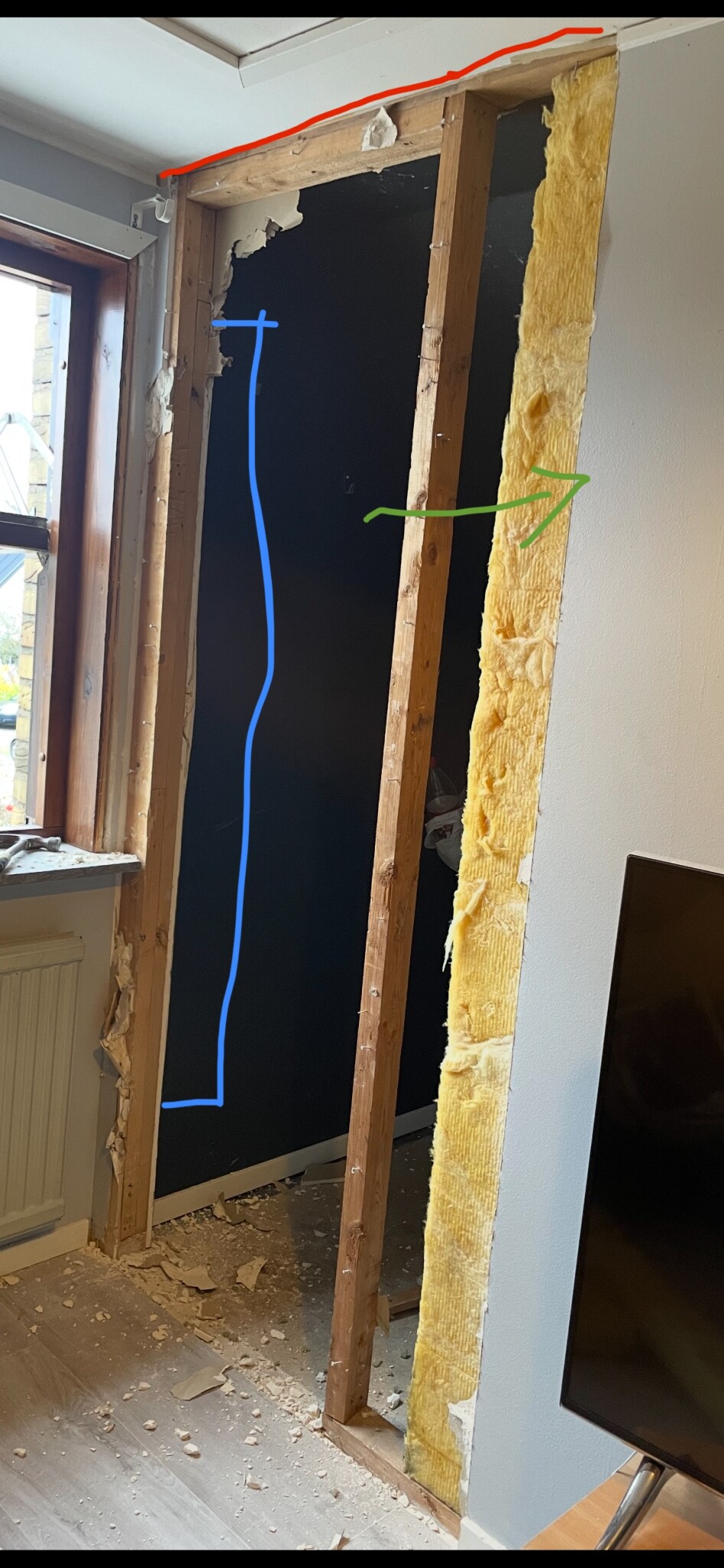
We are going to open up a room, a small closet space will become part of the room.
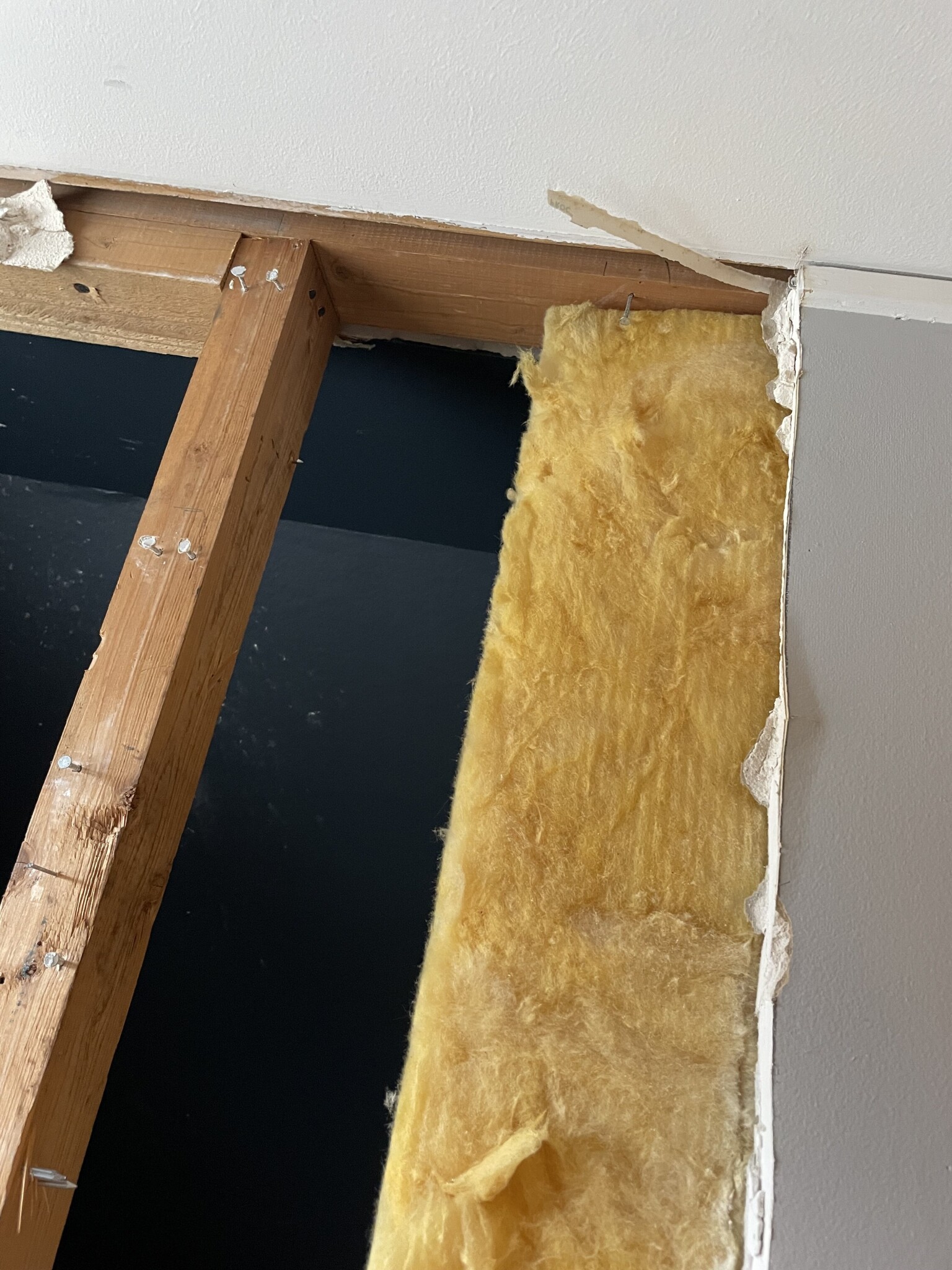
There used to be a door there, and we have now removed the door frame and started to open it up.
Then we saw that the beam at the top is "below" the ceiling, so there's a difference in level.
Can we cut the beam in the ceiling right where we want to open up? (Red)
Same with the beam on the left against the outer wall, we should be able to remove it without problems right? (Blue)
And the beam on the right, we will move out to where the plasterboard ends and cut it on the floor. (Green)
There used to be a door there, and we have now removed the door frame and started to open it up.
Then we saw that the beam at the top is "below" the ceiling, so there's a difference in level.
Can we cut the beam in the ceiling right where we want to open up? (Red)
Same with the beam on the left against the outer wall, we should be able to remove it without problems right? (Blue)
And the beam on the right, we will move out to where the plasterboard ends and cut it on the floor. (Green)


It's hard to say how load-bearing it is, the stud you're thinking of cutting isn't load-bearing. But the standing ones might have some load-bearing capacity.J Jennie Blomqwist said:
It could also just be a framework that the wall is built on.
A bit hard to know just from seeing pictures.
Is it just the doorway that's supposed to be made a little bigger, or is the notch against the outer wall supposed to be removed too?
Our floor plan is from 1975 and does not match how the house looks, so it's difficult to rely on it. The idea is to open up and enlarge the door opening. The stud on the right is not load-bearing as it's not solid at all. The plan is to remove it towards the outer wall as well. Similarly, the one in the ceiling where the opening is made should be cut so that the ceiling level is uniform. The beam is now about 1-2cm below the ceiling level.C Chefred said:It's hard to say how supportive it is, the stud you plan to remove is not load-bearing. But those standing may have some load-bearing capacity. It can also just be a stud framework that the wall is built on. It's a bit difficult to know just from seeing pictures. Is it just the door opening that will be made a little bigger, or is the section against the outer wall also going to be removed?

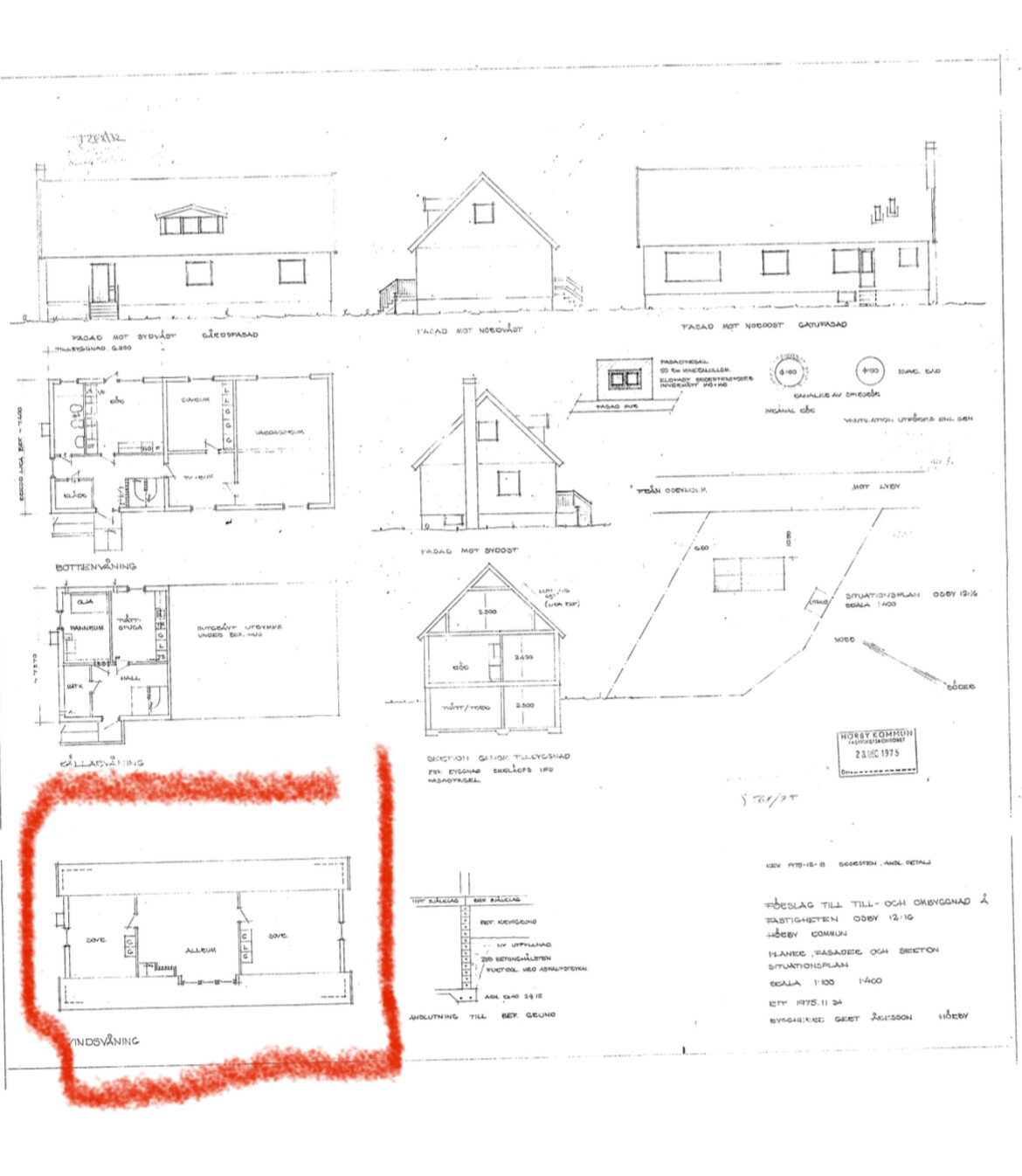
1.5-story house. That part of the house is an extension that was done in '75.pacman42 said:
These are the floor plans submitted to the municipality and they do not match how it was built.
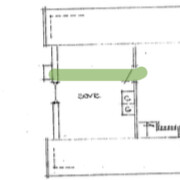
Yes, it runs along the house. About 4m and the house is around 18m long. The only longitudinal wall on the upper floor.
As I said, it is not load-bearing. But since it's an "attic floor" you should be a bit observant for movements sideways. When you remove the stud, check how it's attached above, it might be good to place a plank there as this stud may have acted as a substitute for lateral bracing. I'm being a bit overly "worried" here, but it's "better to be safe than sorry."J Jennie Blomqwist said:


I agree with your conclusions, but I don't understand the above; it's rather an indication that it could be load-bearing.
Kattvindsväggarna exist as well. Have they been opened up for anything like storage?J Jennie Blomqwist said: