
5,942 views ·
18 replies
6k views
18 replies
Old expansion tank in attic
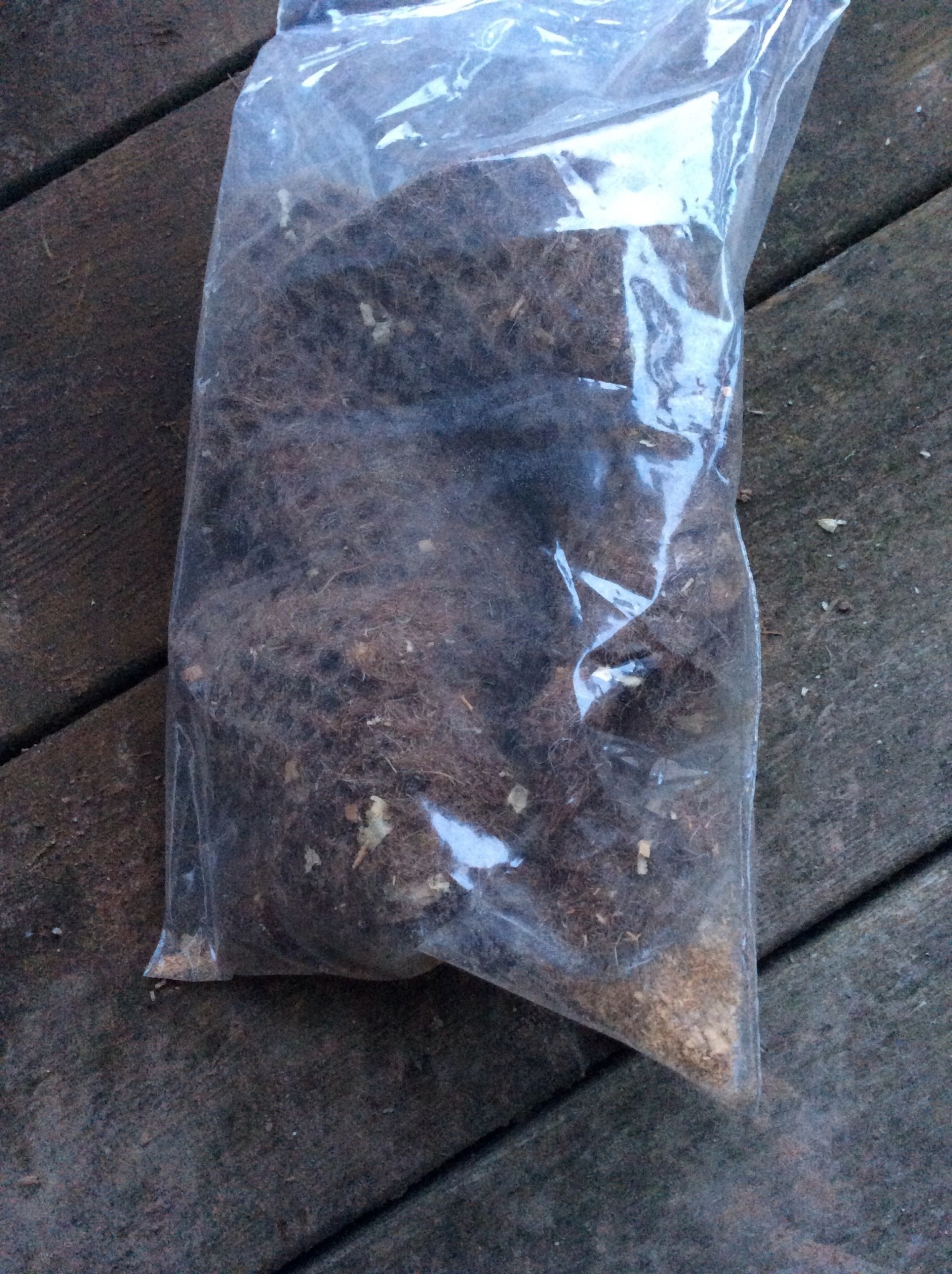
Does anyone know what material old open expansion tanks in the attic and pipes are typically insulated with? See image! This material was around the pipes. Before removing it, I want to ensure it doesn't contain asbestos.
I've disconnected this tank in connection with the installation of geothermal heating.
Some say it can remain in the attic, others claim that it can cause a cold draft if left and should therefore be removed. What are your thoughts on the matter?
I've disconnected this tank in connection with the installation of geothermal heating.
Some say it can remain in the attic, others claim that it can cause a cold draft if left and should therefore be removed. What are your thoughts on the matter?
They need to go! They can also often be quite rusty at the connection, and I've experienced ones that came loose just by wiggling them without unscrewing/cutting...
Regarding the insulation, I unfortunately don't know
Regarding the insulation, I unfortunately don't know

If we assume that it is disconnected from the system, then there is no major harm in it being up there in the attic. In the long run, you want to remove the passage through the roof.
Yes, that's the question..
What is best in the long term?
To remove it or leave it in place.
For the sake of the wind.
I think that once you start removing the vessel, it surely means that the penetrations through the roof are affected, i.e., you have to make sure to repair/seal properly.
Perhaps more risky to remove than to let it stay?
Anyone with knowledge about the insulation in the picture? Asbestos?
What is best in the long term?
To remove it or leave it in place.
For the sake of the wind.
I think that once you start removing the vessel, it surely means that the penetrations through the roof are affected, i.e., you have to make sure to repair/seal properly.
Perhaps more risky to remove than to let it stay?
Anyone with knowledge about the insulation in the picture? Asbestos?

Member
· Korpilombolo
· 3 760 posts
If the thumb is in the middle of the hand, hire the plumber. The insulation is the cow hair variant. If there's no water left, the vessel can remain if it's not in the way. Our old vessel had disappeared on its own. Only the insulation remained.


I don't think so. According to http://www.klokahem.com/artikel/varis-bokalders-guide-till-schyssta-isoleringsmaterial, coconut fiber is impregnated with ammonium polyphosphate, ammonium sulfate, borate, or water glass to be less flammable.
We left ours in place for a few years. Then it got in the way when I wanted to replace the vent pipe from the drain. So I removed it. When I had removed the pipe going up through the roof, the tank was only held up by the pipe from below. When I sawed through it, the tank suddenly came loose, but it wasn't where I sawed that the pipe broke, it was at the last joint into the tank, it just snapped right off. So it was lucky that we took it out of service when we did. That joint would probably have started leaking within a year or so. In all honesty, I still haven't removed the pipe going up through the roof. It's been on my to-do list for 4 years now.
Hempularen, what type of insulation was in your expansion tank and around the pipes coming from the tank and then going downwards?
Does anyone know if under cow hair or coconut fiber insulation they used to put asbestos closest to the pipe?
i.e., in a layer underneath.
I interpret it as Fahlis and Hempularen believe that the tank and pipes should be removed, because without water in them they will create a lot of rust. Have I interpreted that correctly? Can the tank and pipes if kept in the attic create any problems, e.g., moisture?
Does anyone know if under cow hair or coconut fiber insulation they used to put asbestos closest to the pipe?
i.e., in a layer underneath.
I interpret it as Fahlis and Hempularen believe that the tank and pipes should be removed, because without water in them they will create a lot of rust. Have I interpreted that correctly? Can the tank and pipes if kept in the attic create any problems, e.g., moisture?
They usually don't cause problems, other than maybe taking up space that you want for something else.
The pipes have probably been cut and sealed when the vessel was replaced with a pressure vessel.
But you might still have a vent pipe that goes through the roof, with the risk of leakage that way?
The pipes have probably been cut and sealed when the vessel was replaced with a pressure vessel.
But you might still have a vent pipe that goes through the roof, with the risk of leakage that way?