
4,251 views ·
27 replies
4k views
27 replies
Moisture damage in floor joists - how to handle?
Yes, I can imagine that. But here it's about a room of just over 3m2 and moisture that remains right on the surface/top of less than 1m floor joists. 200 kWh only costs a few hundred kronor, not much to worry about in the context, I think. I'm mostly interested in getting it dry enough as soon as possible.BirgitS said:
Saw your addition about the meter now, and was actually going to ask how reliable a cheap one might be. It's not rocket science (I guess it just measures electrical resistance between the two needles), but if there's reason to suspect measurement errors, it might be worth getting a better one. What brand/model is a "real" one according to you?mexitegel said:
The moisture content should be down to 15%.
In the event of moisture damage, insurance companies usually arrange for proper desiccant dehumidifiers to dry things out. It often takes at least 2-3 weeks. What contact have you had with your insurance company?
A small heater won't do much, especially not now when we're in a humid season with high humidity.
Edit: Make sure to measure with a real meter, they can be rented if you don't want to buy one.

200 kWh is nothing to worry about, but I included it to show that it's not a simple regular fan. If the drying is to go quickly, it should be a powerful heat fan, and one should ensure that the heat from it only reaches the area that needs to be dried, not heat/dry the whole room, for example by encapsulating the water-damaged area.H Hylman said:Yes, I can imagine that. But here it's a matter of a room just over 3m2 and moisture remaining right at the surface/top of less than 1m floor joists. 200 kWh only costs a few hundred kronor, not much to worry about in this context, I think. I'm mostly interested in getting it dry enough as soon as possible.
Good point, we definitely need heat!200 kWh is nothing to worry about but I included it to show that it wasn't a simple regular fan. If the drying is to go quickly, it should be a powerful heater and one should ensure that the heat from it only reaches the area that needs to be dried, not heat/dry the entire room, for example by covering the moisture-damaged area with plastic.
200 kWh in a few weeks is certainly less than what a small car heater consumes.
The method used depends on the circumstances. In joists, I have experienced using negative pressure drying with duct-connected desiccant dehumidifiers.
Then, of course, it's important that all damaged material is removed with some margin.
The very cheapest ones should probably be avoided, but Clas Ohlson has a Bosch brand for under five hundred that seems to provide reliable measurements and is equipped with a resistor so you can check that the meter is showing the correct value.H Hylman said:Saw your addition about meters now, and had actually intended to ask how reliable a cheap one might be. It's not rocket science (guessing it just measures electrical resistance between the two needles), but if there's reason to suspect measurement errors, it might be worth getting a better one.
What brand/model is a "proper" one according to you?
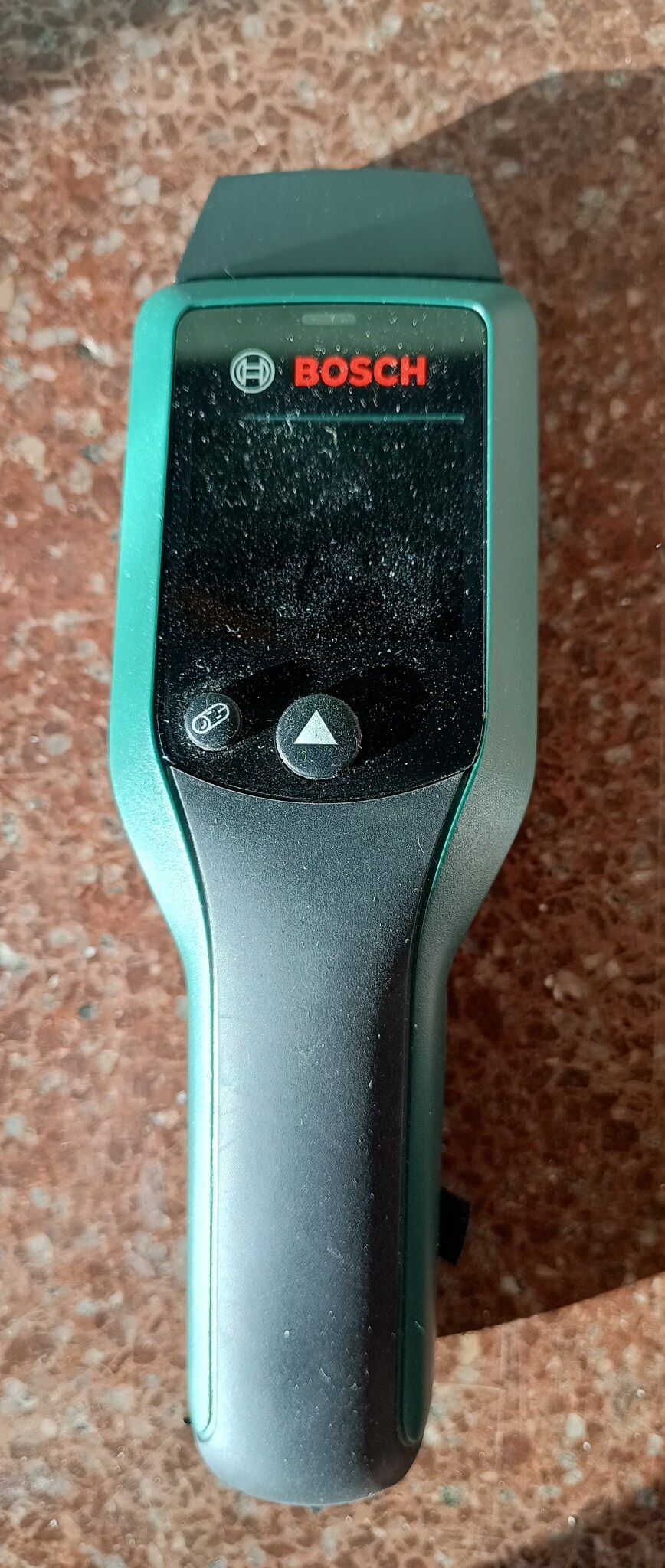
Yes, maybe that's the case. There is a moisture barrier above the ceiling gypsum where the water leak has been, near the outer wall, but it seems to end half a meter towards the center of the house. At the same time, the air circulation in the joist spaces is minimal, so I don't want to count on it drying out that way.H Herr_Per said:
Call a professional moisture remediation company, like OCAB (not Anticimex). It's in the insurance company's interest as well to ensure it's done correctly. Check with them to confirm they included moisture remediation in the cash compensation.H Hylman said:Ok, thanks!
The insurance company has conducted a damage inspection, and they are going to calculate compensation for a complete renovation. So we expect to receive money, although we don't yet know the total amount. I assume that expenses for things like this are included. But since we will choose cash compensation instead of having their company handle the renovation, I guess it will simply be included in the cash compensation.
The big problem now is that the company we've hired doesn't have a project manager who answers emails or phone calls. Instead, different craftsmen show up without a complete picture now and then, and you have to stay home and explain things to them. For example, convincing them that moldy floors need to be torn up and then dried out. That's why I feel I need to keep track of these details myself, which you would think professional builders would know.
And if there is construction work that needs to be done, hire competent craftsmen and not those sent by the insurance company. I was trusting and let the company recommended by Folksam replace the moisture-damaged floor by the expansion vessel. I can't say that I'm completely satisfied with the result, but according to the company, it is professionally executed.Call a professional moisture remediation company, like OCAB (not Anticimex). It is also in the insurance company's interest that it is done correctly. Check with them that they really accounted for moisture remediation in the cash compensation.
You asked about moisture meters, for example, the Elma DT-128 is good and affordable.
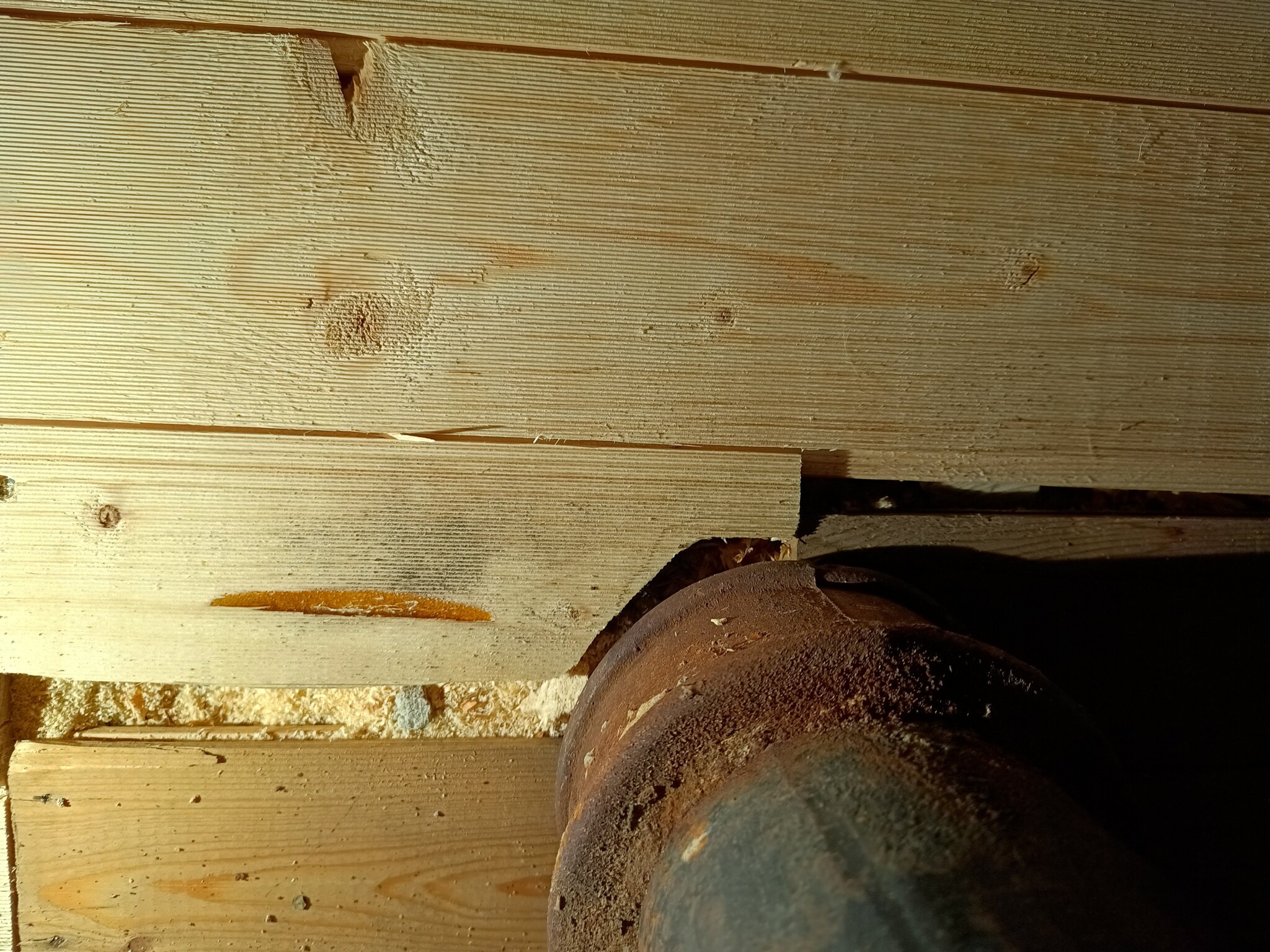
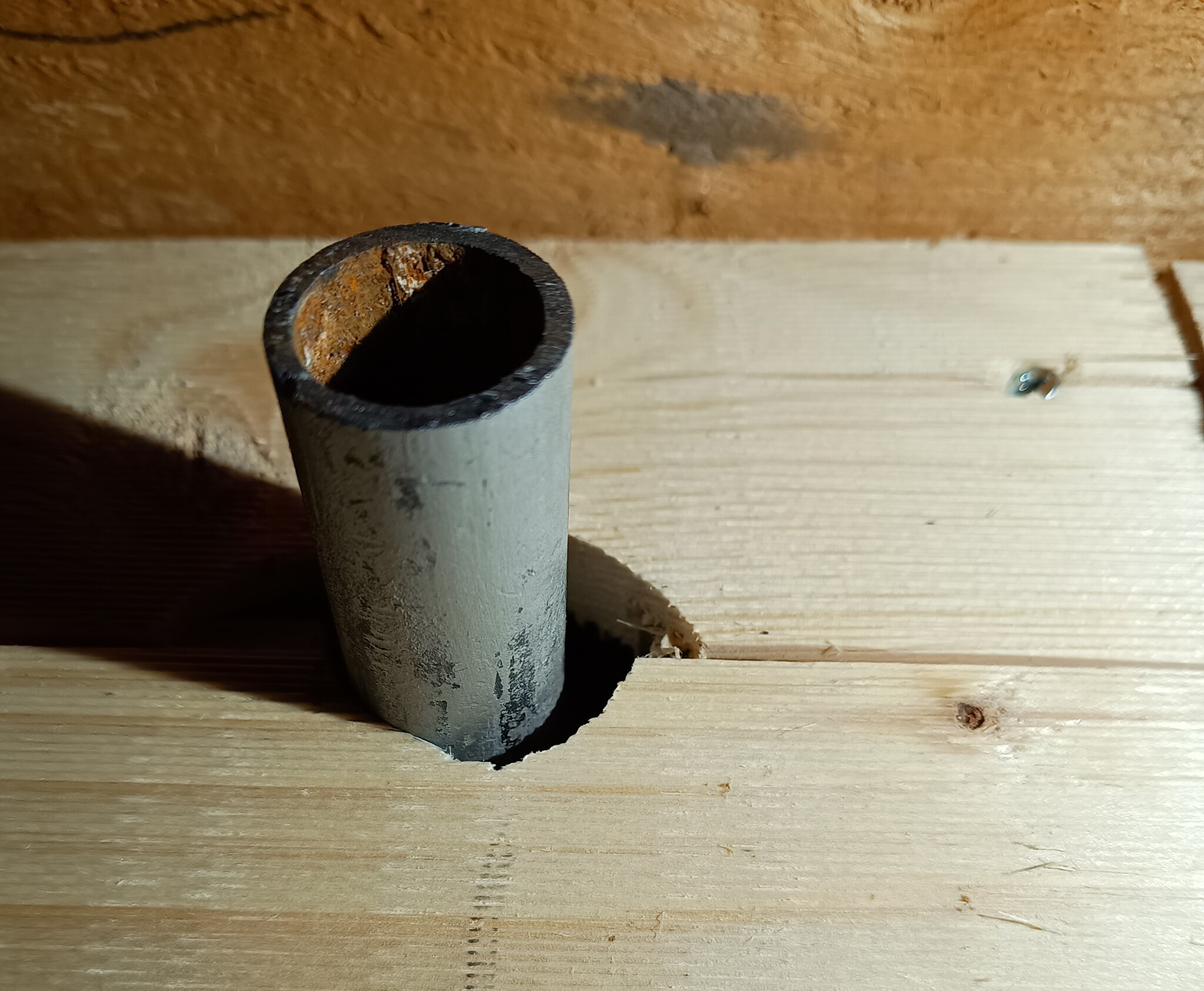
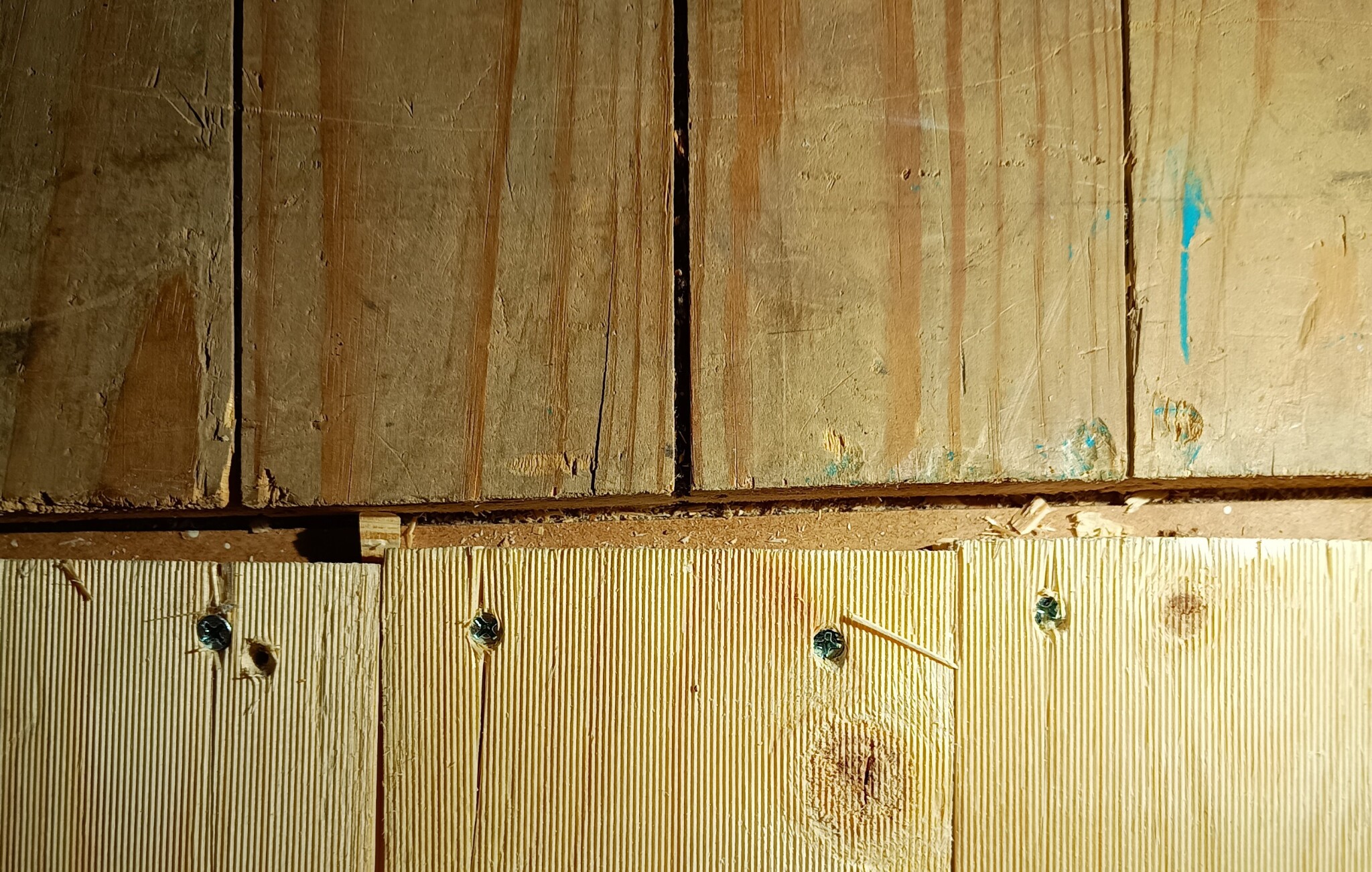
Yes, that looks more like "quick-n-dirty" than "professionally executed"B Bitterhetsakademin said:And if there is construction work that needs to be done, hire competent craftsmen and not those sent by the insurance company. I was trusting and let the company designated by Folksam replace the moisture-damaged floor by the expansion tank. I can't say I'm completely satisfied with the result, but according to the company, it was professionally executed.
.The company that did the work boasts of over thirty years of experience and great expertise. I called the supervisor who sarcastically responded: it’s not a dance floor and we’re not doing anything more. Needless to say, they didn't get any good reviews from me.H Hylman said:
Click here to reply
Similar threads
-
Fuktskadad råspont i 70-talsvilla i Huddinge. Tips på entreprenör?
Referenser Hantverkare & Entreprenörer -
Floor filling - what are your thoughts?
Building Materials and Construction Technology -
Suspected moisture damage in intermediate floor - what to do?
Building Materials and Construction Technology