
Hello,
I am in the process of replacing an exhaust air heat pump, IVT 490, which is currently placed directly on the concrete slab.
The previous owner had issues with a leak or clogged drain that caused water to run out onto the concrete. The leak was slow, and the slope of the concrete slab is such that the water runs into the wall. It was dry when we moved in, but there was mold growth in the insulation. We replaced this upon moving in.
Now that I'm about to replace the heat pump, I was thinking of placing something underneath it, possibly raised against the wall somehow. This way, a similar leak in the future would cause water to run out onto the floor and become visible. How would you do it? What material is suitable to use? The company replacing the heat pump says that these units are usually placed directly on the concrete slab. When they remove the old one, I have about 15 minutes before they put in the new one.
All tips welcome!
I am in the process of replacing an exhaust air heat pump, IVT 490, which is currently placed directly on the concrete slab.
The previous owner had issues with a leak or clogged drain that caused water to run out onto the concrete. The leak was slow, and the slope of the concrete slab is such that the water runs into the wall. It was dry when we moved in, but there was mold growth in the insulation. We replaced this upon moving in.
Now that I'm about to replace the heat pump, I was thinking of placing something underneath it, possibly raised against the wall somehow. This way, a similar leak in the future would cause water to run out onto the floor and become visible. How would you do it? What material is suitable to use? The company replacing the heat pump says that these units are usually placed directly on the concrete slab. When they remove the old one, I have about 15 minutes before they put in the new one.
All tips welcome!
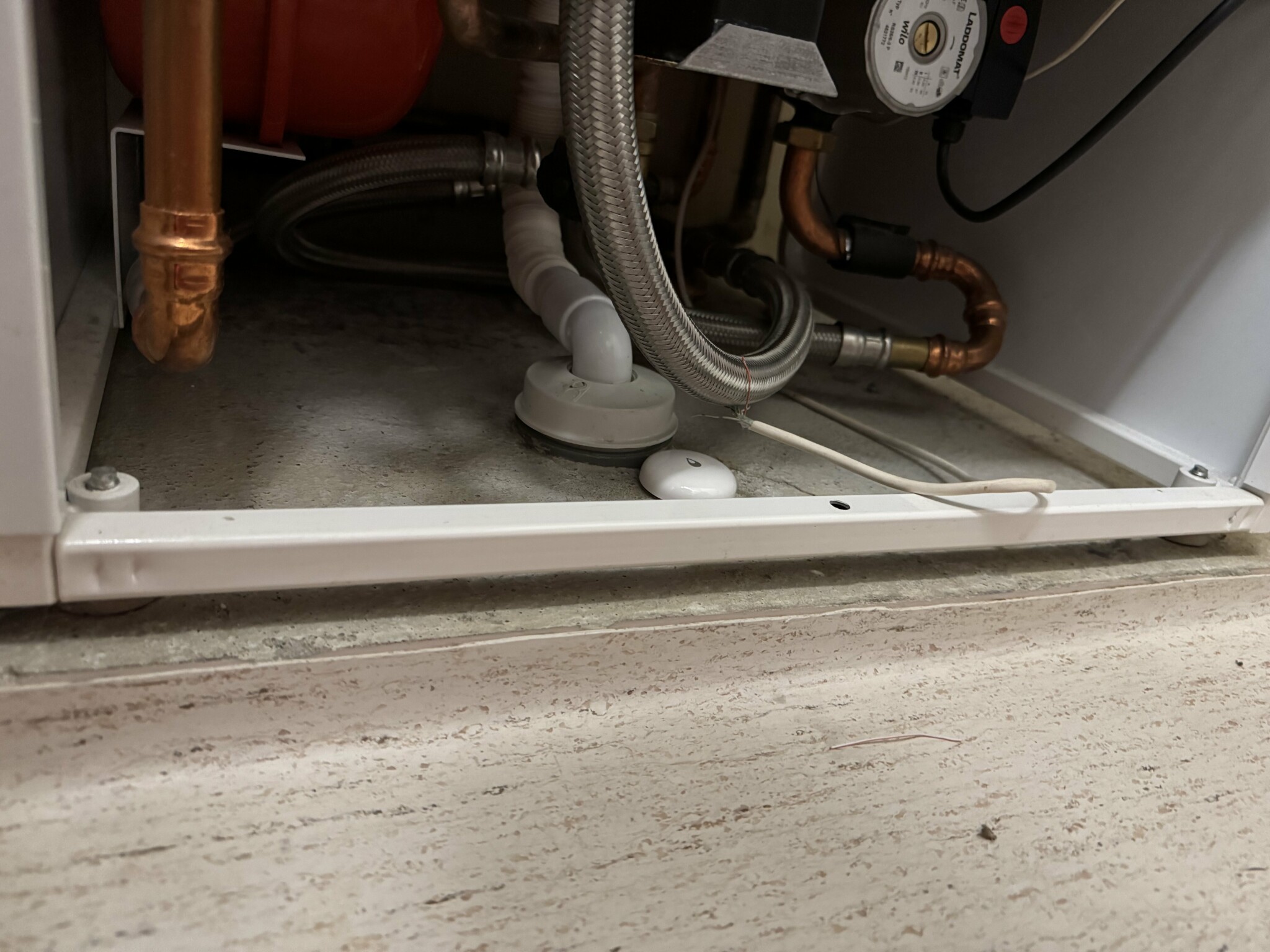
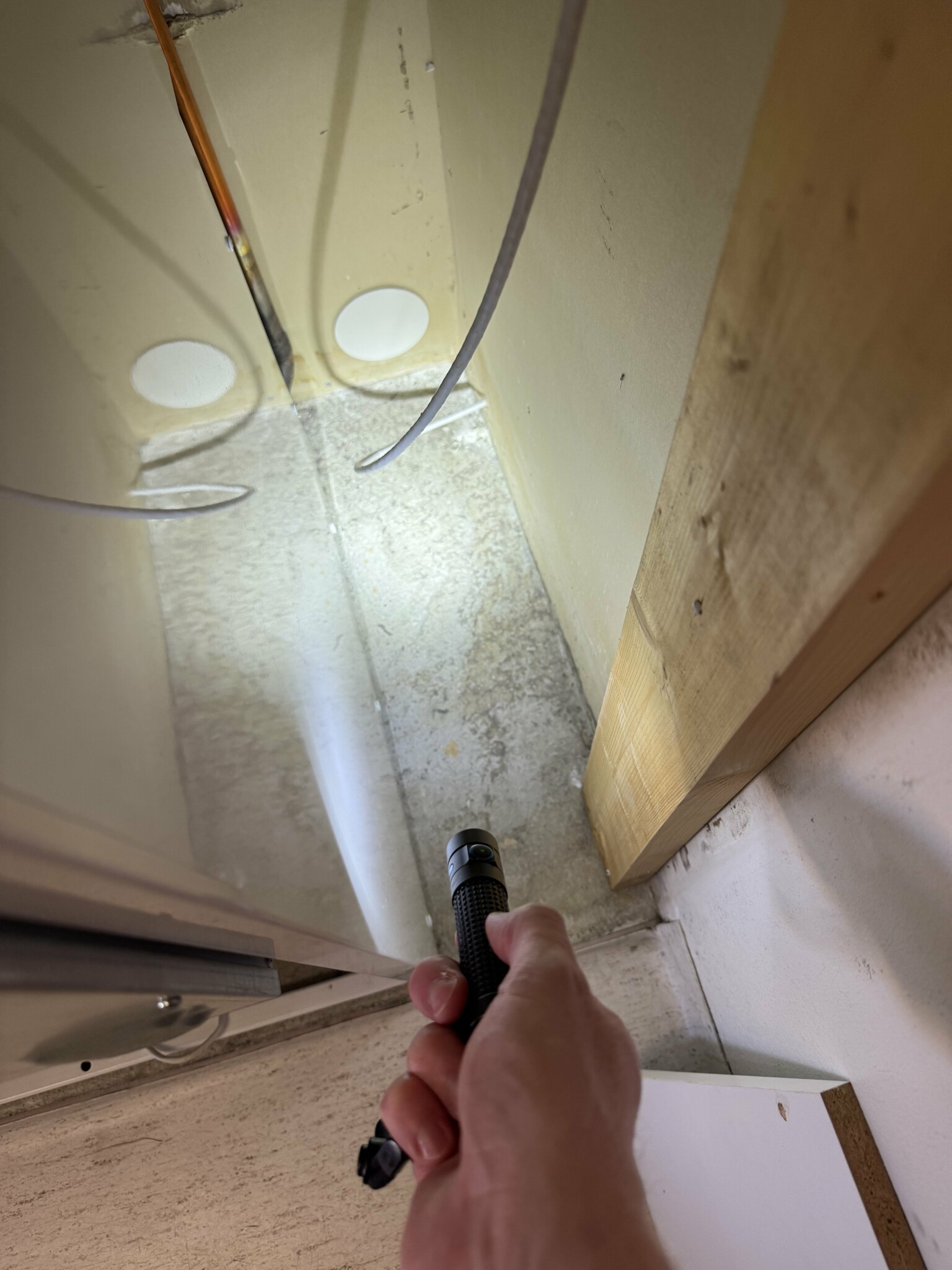

Drip protection, e.g.: https://www.clasohlson.com/se/Under...0d6PeOuLF4RmUB1zDkh5NlkTRuqoDJV0aAnDlEALw_wcB

The mat linked to is good, it's like refrigerator-size for such a VP. It can be placed in 30 seconds. But remember to place the VP on 4 pucks so it is slightly elevated and doesn't press down and damage the mat with its weight. This can happen as plastic/rubber is cold-flowing; I have 4 pucks under my 750-liter tanks each, and they haven't sunk in 15 years, but I can also clean underneath them, as there's quite a bit of dust and other debris that accumulates under everything that's directly on the floor.
How do you handle the corners? I have no experience with such mats, but they are usually welded in the corners, right?M Maxitupla said:
Interesting! What kind of pucks do you mean? Can you find a link?J jonaserik said:The pad linked to is good, it’s like refrigerator size for such a VP. Takes 30 seconds to put in place. But think about placing the VP on 4 pucks so it’s raised slightly and doesn't crush the pad under its weight. It can happen as plastic/rubber is slow-flowing, I have 4 pucks under my 750-liter tanks each and they haven't sunk in 15 years, plus I can rinse underneath them, there’s a lot of dust and other debris under anything that sits directly on a floor.

Click here to reply