
To avoid writing a whole novel about my problem, I'll try to keep it short-G guggen said:
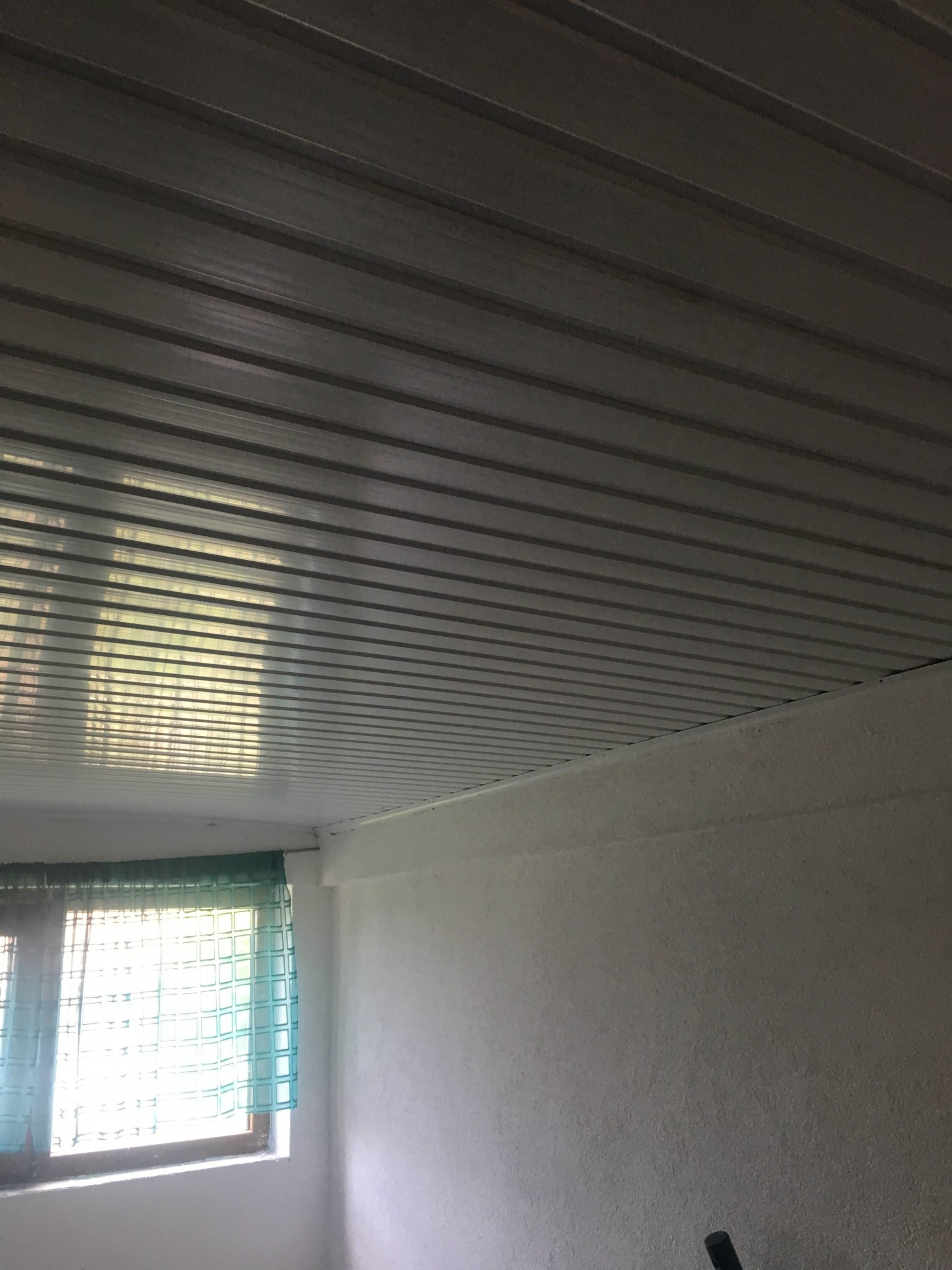
No matter how I try to treat the bathroom ceiling in our apartment (moisture-resistant paint, filling, sanding, etc.), black mold sets in and the paint peels after a month.
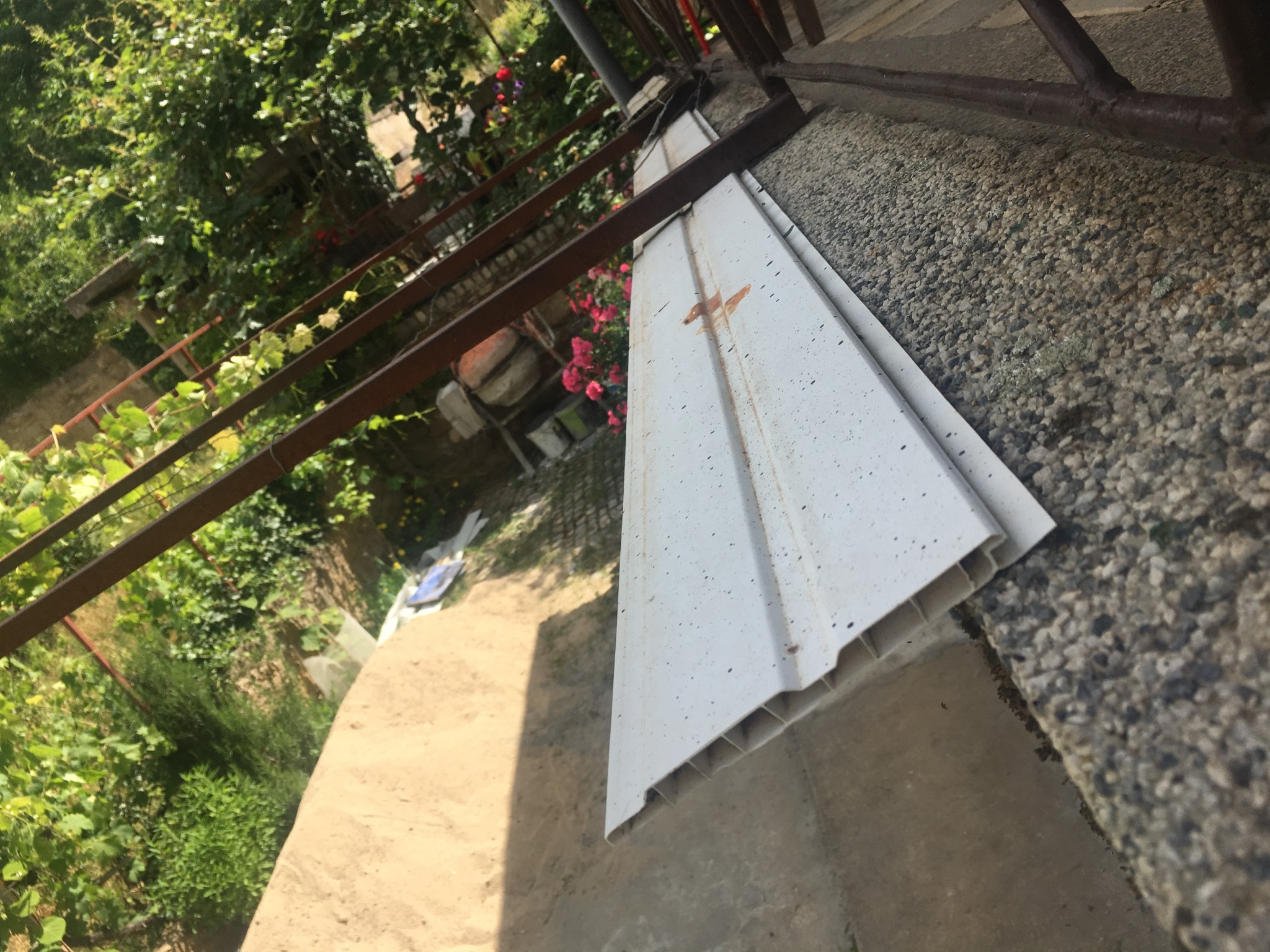
Now I want to install something else that doesn't take forever to mount and that mold doesn't adhere to / is easy to wipe off if it becomes a problem.

PatrikStarfish said:
To avoid writing a whole novel about my problem, I'll try to keep it short-
No matter how I try to treat the bathroom ceiling in our apartment (bathroom paint, patching, sanding, etc.), black mold sets in, and the paint cracks after a month.
Now I want to install something else that doesn't take an eternity to mount and that mold won't settle on/ is easy to wipe off if it does.
The natural ventilation that comes with the apartment is flawless and opened as much as possible. Even tried with a bathroom fan (naughty) doesn't help.useless said:

I have apartments above me.R rävlyan said:
It is a concrete ceiling directly as it is today.
It's not from the neighbor, I can swear on that.
The problem is that we are 2 adults, 2 children, and a washing machine with only 1 bathroom.
The black mold/paint cracking is quite concentrated above the shower cabin we have and decreases the further away you get from there.
But other tips than the plastic panel I have in mind are welcome.
Then the shower is above your, and the drain directly above your shower. It should probably be checked more to see where the moisture is coming from, it seems to be quite localized in the ceiling as you say. How are the drains, old cast iron and cast iron pipes or remodeled, is it wet or just moisture, it seems to come pretty quickly as you say. How is it, are there drops in the ceiling so you need an umbrella?
If you mount a plastic panel against the ceiling, moisture will settle between the plastic and the ceiling, the rest speaks for itself...
Your problem is not a problem but an everyday issue for many families. For you, it's something else that's haunting.
Your problem is not a problem but an everyday issue for many families. For you, it's something else that's haunting.
No, my neighbor and I have showers on opposite sides and we both have floor drains roughly in the middle of the bathroom. Our washing machine is now where our shower was when we moved in.R rävlyan said:Then the shower is above yours, and the drain is directly above your shower. You should probably check a bit more where the moisture is coming from, it seems to be quite localized in the ceiling as you say. How about the drains, old cast iron and cast iron pipes or remodeled, is it wet or just moisture, it seems to come quite quickly as you say. How is it, does it drip from the ceiling so you need an umbrella
The association recently cleaned the exhaust ducts and did relining on the sewer and installed external water pipes throughout our building. The cast iron drains remain.
The bathroom is often moist because it is used frequently, but we haven't needed an umbrella yet.
It is appreciated, thanks to everyone who is helping me!R rävlyan said:
I think I'll try treating the "concrete ceiling" one last time and hope it becomes completely waterproof with the wet room paint.


Moisture might be condensing on the ceiling because the concrete is relatively cold. Both cold and heat tend to transfer through concrete. In my previous apartment, water would condense into drops on the ceiling because it was always colder than room temperature for nine months of the year (top floor of the building, with an unheated attic above). The house wasn't designed in the 50s for modern showering.
By the way, I have a similar problem in my current split-level house, but in the summer. The concrete in the walls is cooled by the ground, which often makes the bathroom very cool --> condensation on the ceiling and walls after showering. When it's at its worst, I dry the ceiling after showering with a mop...
...but usually, it's enough to keep the towel warmer on with a bit of extra heat, even in the summer.
Condensation is almost impossible to avoid except by heating the room more. But sufficient ventilation is also necessary!
By the way, I have a similar problem in my current split-level house, but in the summer. The concrete in the walls is cooled by the ground, which often makes the bathroom very cool --> condensation on the ceiling and walls after showering. When it's at its worst, I dry the ceiling after showering with a mop...
...but usually, it's enough to keep the towel warmer on with a bit of extra heat, even in the summer.
Condensation is almost impossible to avoid except by heating the room more. But sufficient ventilation is also necessary!
Click here to reply