According to Träguiden, a W-truss in snow zone 1.5 with the current span should have 45x145 in the top chord and 45x120 in the bottom chord. So, it is not a case of over-dimensioning even though the value of snow loads in this area (and many other areas) has doubled since the 1970s.
But then half the house will be fine!
No, kidding aside, can one estimate how the furnished attic area is doing?
I'll probably have to ask someone to calculate how it looks with the furnished attic area and today's construction.
The house is from '52, the furnished attic area from the '70s, so it should hold up a little longer. But still!
A lot needs to happen before things collapse, however, it can become a bit uncomfortable. Most structural calculations assume that a beam should not bend more than perhaps 1/300 of the span. If you don't store anything up there, not much happens. There is a long way from that to beams actually breaking. In your case, perhaps four out of nine rafters are broken. 45x120 beams used as floor joists can handle a span of less than 2 meters; you have at least 3.9 meters. 45x145 beams as rafters with a 30-degree slope will sink in when the snow load is at its heaviest, but otherwise, it probably won't be noticeable. The question is what you want to achieve.
What do I want to achieve? (By the way, thanks for the comprehensive answer!)
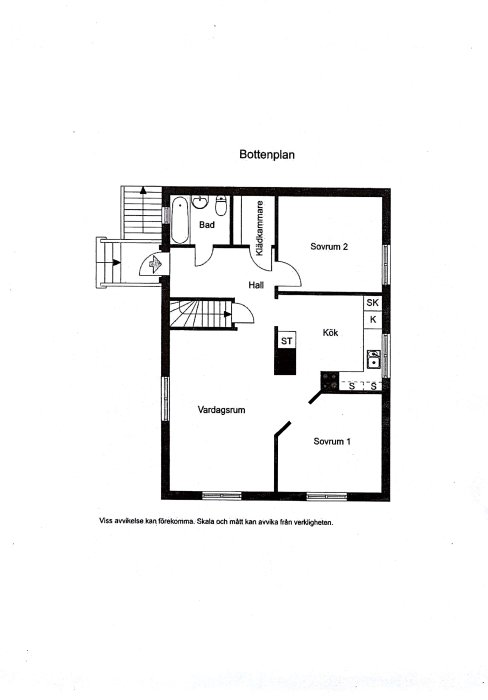
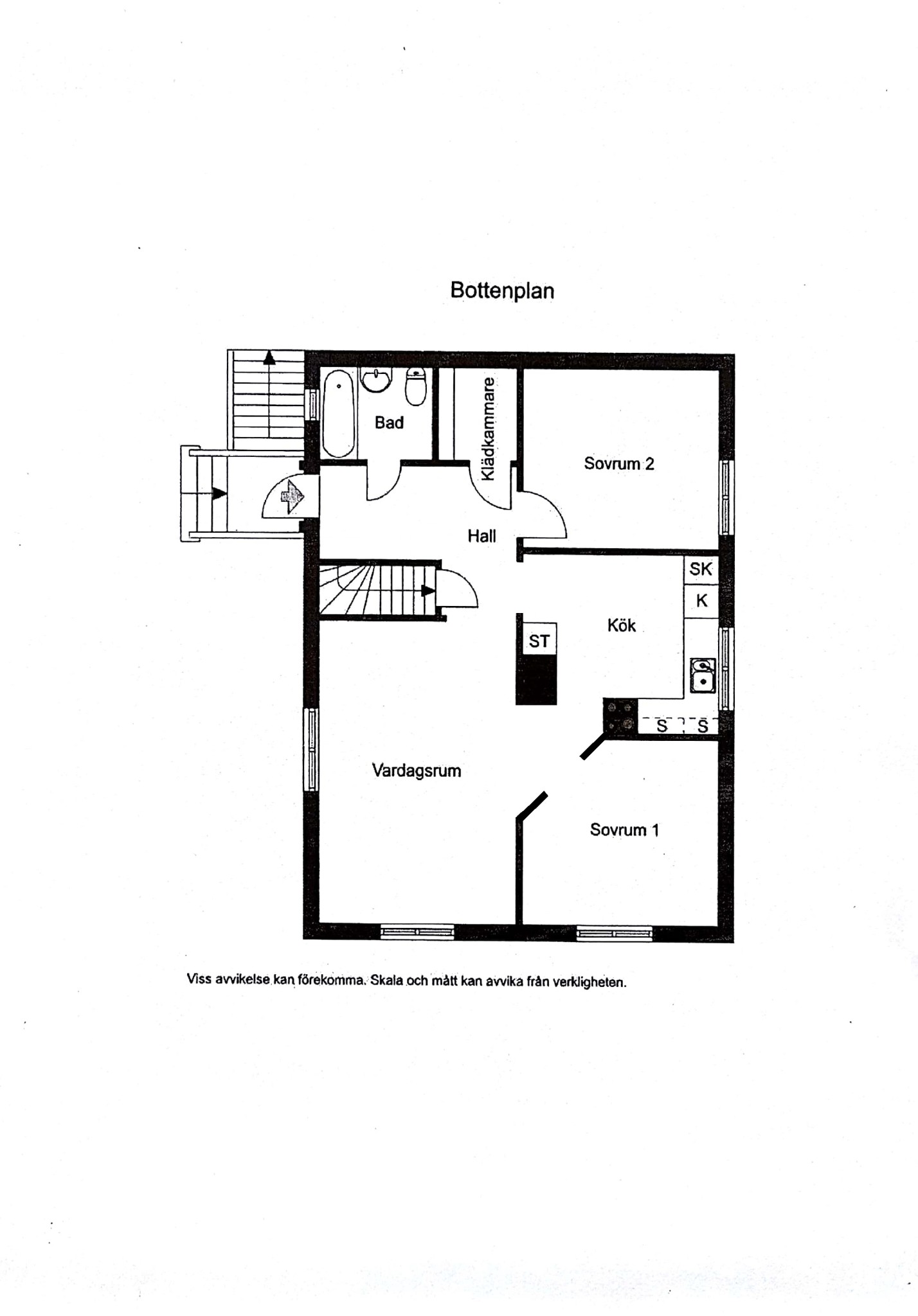
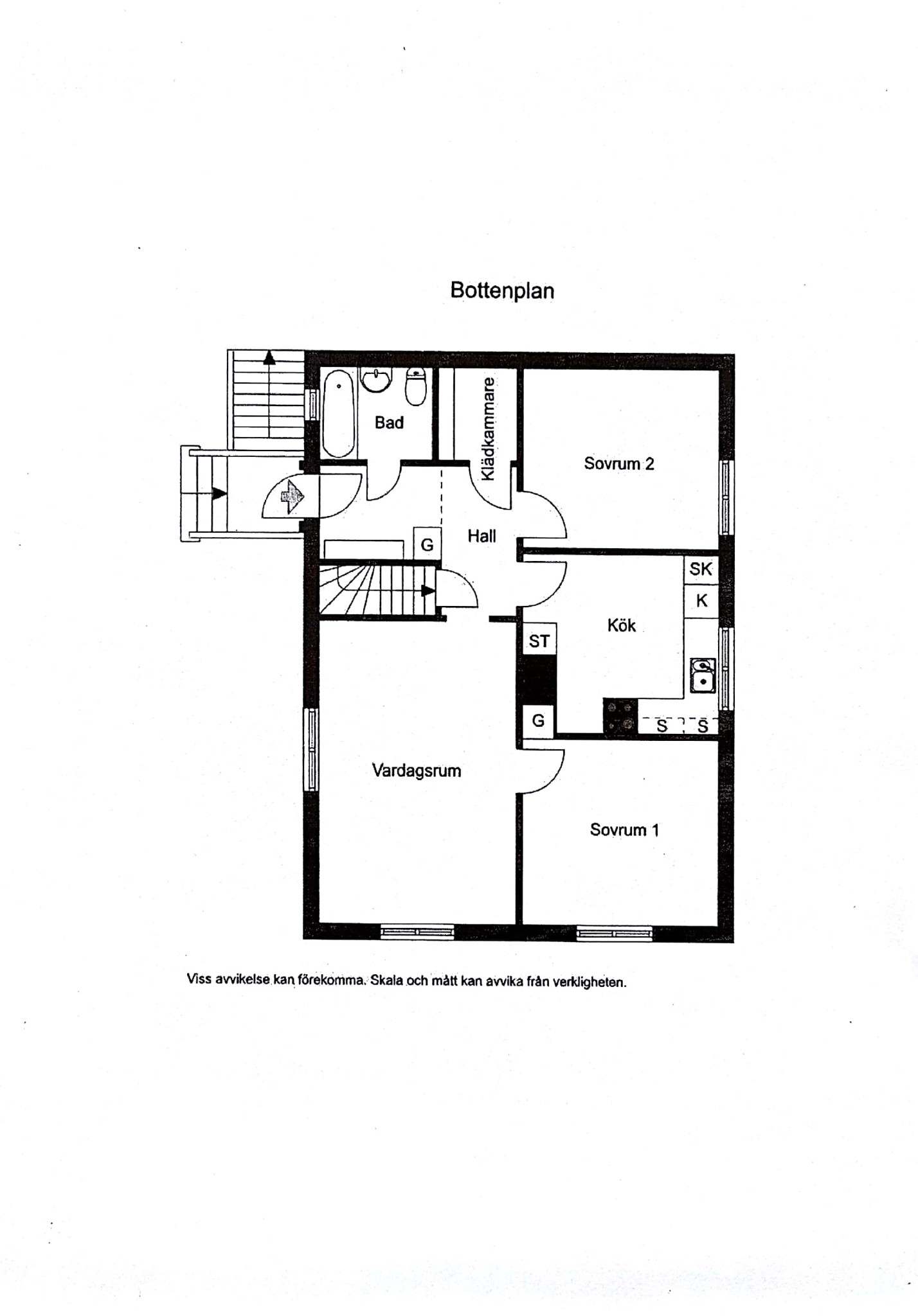
* Open up between the kitchen, living room, and bedroom 1 (Image 1).
* Continue decorating the attic in the same style as the current decorated attic (Hence the question if the partition wall is load-bearing, some of it disappears in the previous point).
* Add a dormer on the marked area so you can go up the stairs without bending and to get more space.
Since the roof has been holding with cut slant braces for probably several years, it suggests that it will not collapse, so I wouldn't be too worried. However, you probably shouldn't cut any more in any case
Since the trusses appear to be correctly sized where they are intact, I see no obstacle to making the changes around the kitchen that you are planning. Installing a dormer should also not be a problem as long as you stay between two trusses. Insert beams between the trusses in the section where you want to store items in the attic and restore the trusses' diagonal braces. Due to the long span and large c/c distance between the beams, you should use glued laminated timber, e.g. 78x225 mm. There are many alternative dimensions. Place one and a half-inch floorboards (34-36 mm) on the new joists.
I believe nothing catastrophic has occurred for several reasons. Partly due to the reinforcement at the ends made with the trusses, and partly because snow conditions have been mild. Those of us who live in northeastern Skåne and western Blekinge know that we can have many winters in a row without a significant amount of snow. There are also quite a few partition walls that help with support.
It is important to restore the trusses to avoid indicating changes that demonstrate ignorance. A surveyor with the right competence advises against buying a house with butchered trusses. It signals that there may be other things that are not good either.
Click here to reply
Vi vill skicka notiser för ämnen du bevakar och händelser som berör dig.