
1,931 views ·
9 replies
2k views
9 replies
Load-bearing wall? - have no drawings


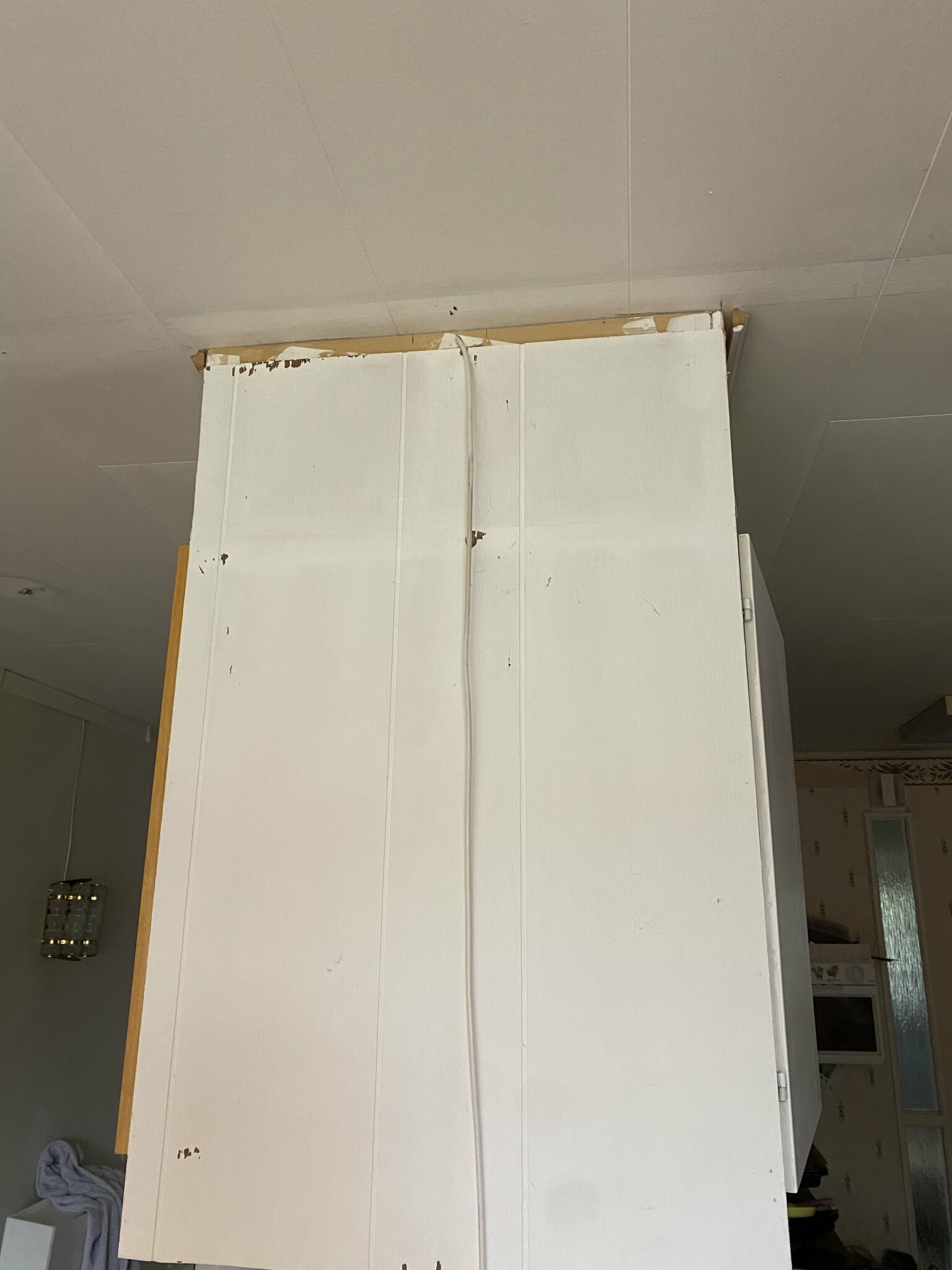

Is there a floor plan? Mark which wall it is. Also take photos in the attic because there you can see where the load from the roof goes, if the trusses can handle it themselves or if they offload onto an interior wall.

If the ceiling is on top of the wall (which I think I can perceive), then the wall was placed after the ceiling. If that's the case, then it's not load-bearing.
In my house, there are no load-bearing walls at all on the upper floor since the trusses are self-supporting. However, some of the walls on the ground floor are load-bearing, but it's obvious which ones these are as they are made of aerated concrete while the others are made with thin studs and drywall.
Just as a comparison...
In my house, there are no load-bearing walls at all on the upper floor since the trusses are self-supporting. However, some of the walls on the ground floor are load-bearing, but it's obvious which ones these are as they are made of aerated concrete while the others are made with thin studs and drywall.
Just as a comparison...
Sounds probable.pacman42 said:
If the ceiling is on top of the wall (which I think I can sense), the wall was added after the ceiling. If that's the case, it's not load-bearing.
In my house, there are completely no load-bearing walls on the upper floor since the roof trusses are self-supporting. However, some walls on the lower floor are load-bearing, but it's obvious which ones they are, as they are made of light concrete, while the others are made with thin studs and plaster.
Just for comparison...
It's not always that light concrete is load-bearing, but likely. Stud walls as well, but the opposite; they can become load-bearing if the floor joists have sagged over time and hang on the studs.
Sometimes it is easy to determine, sometimes not.

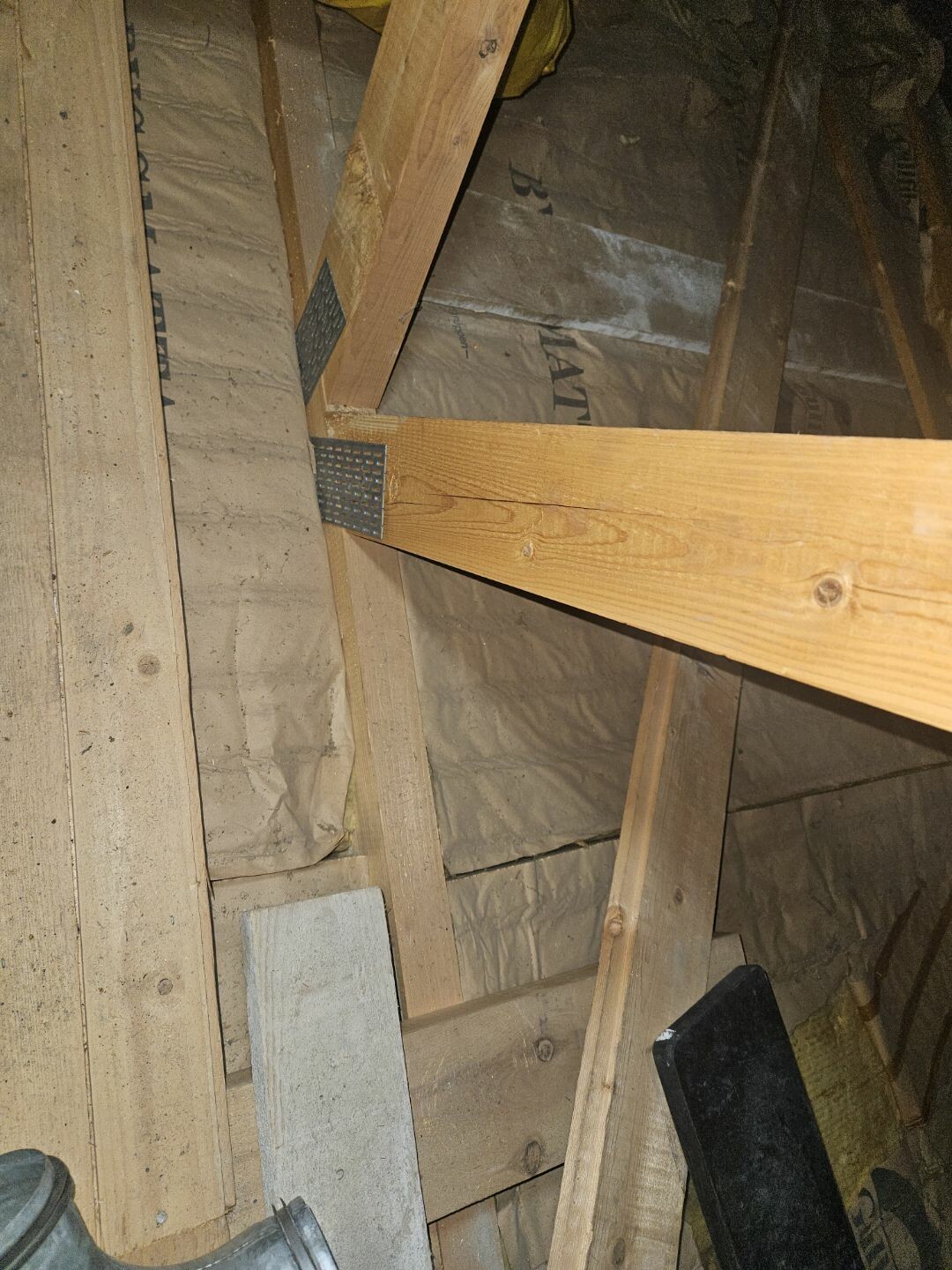

Is it a two-story house with a hipped roof? Which floor are your walls on? Can you manage to sketch a floor plan?A AndySa said:
Unfortunately, the trusses do not seem to be self-supporting, at least resting on the main wall, i.e., a wall in the middle of the house.
Then @pacman42 is right that there seems to be a wall under the ceiling.
The ceiling doesn't bear any weight; it's just corrugated paper. So if the ceiling rests on the wall, then the wall can't be load-bearing. But...FreQa said:
Is it a two-story house with a hipped roof? Which floor are your walls on? Can you manage to sketch a floor plan?
Unfortunately, the trusses do not seem to be self-supporting and rest on at least the central wall, i.e., a wall in the middle of the house.
Then @pacman42 is right that there appears to be a wall under the ceiling.
...as already pointed out, incorrect renovations may make it necessary after all.
Click here to reply