
1,156 views ·
8 replies
1k views
8 replies
Load-bearing wall above door opening
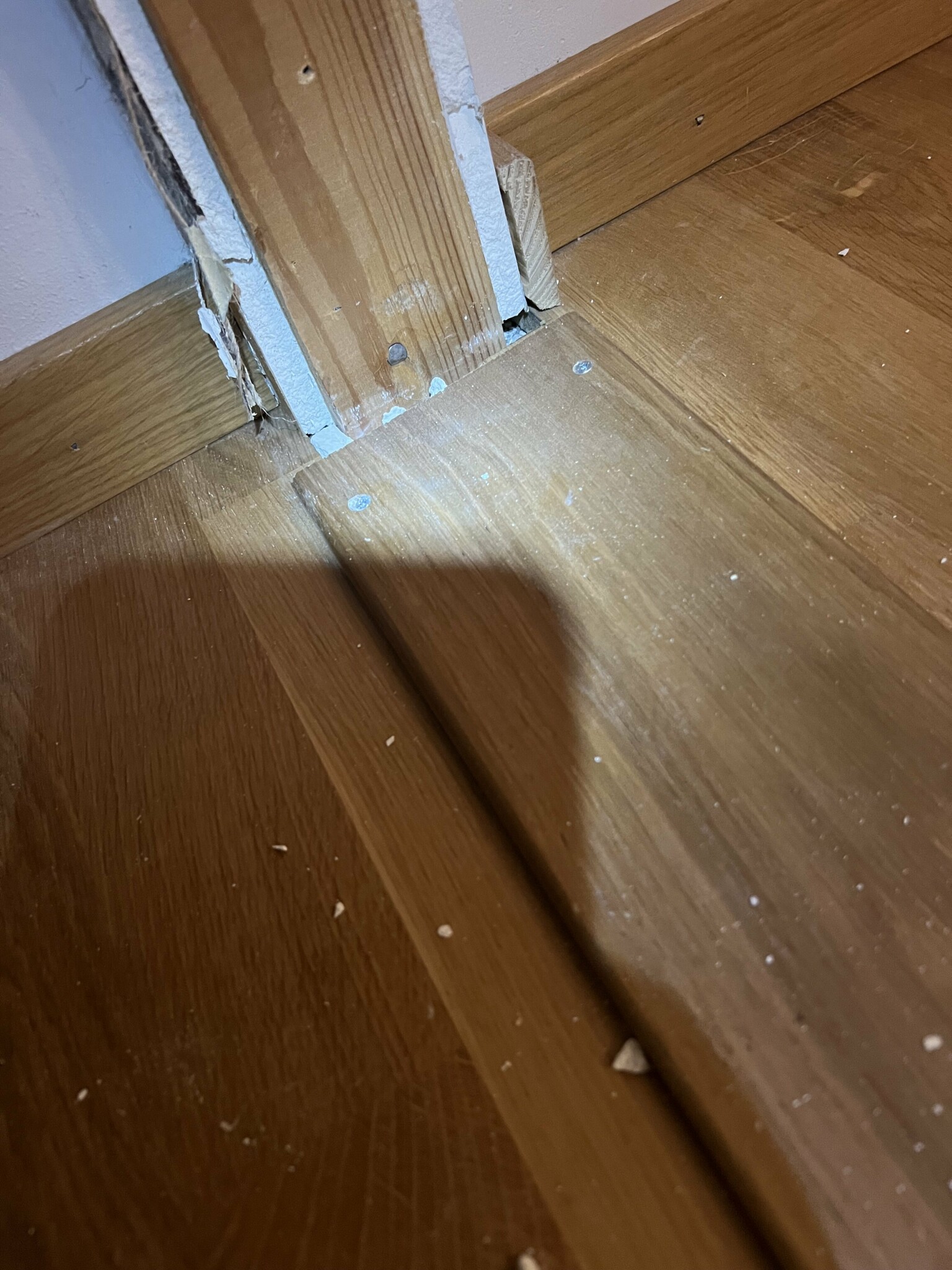
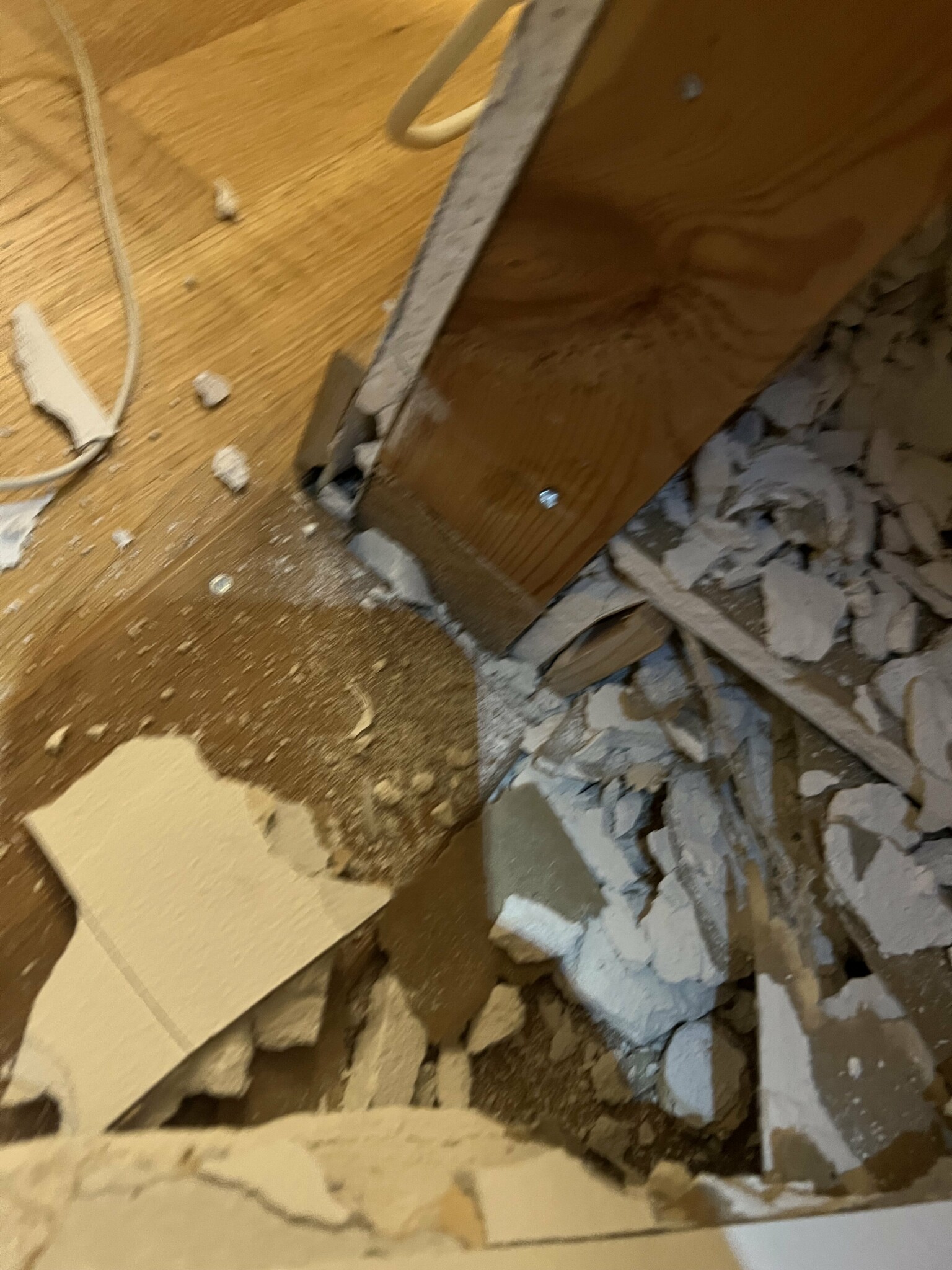
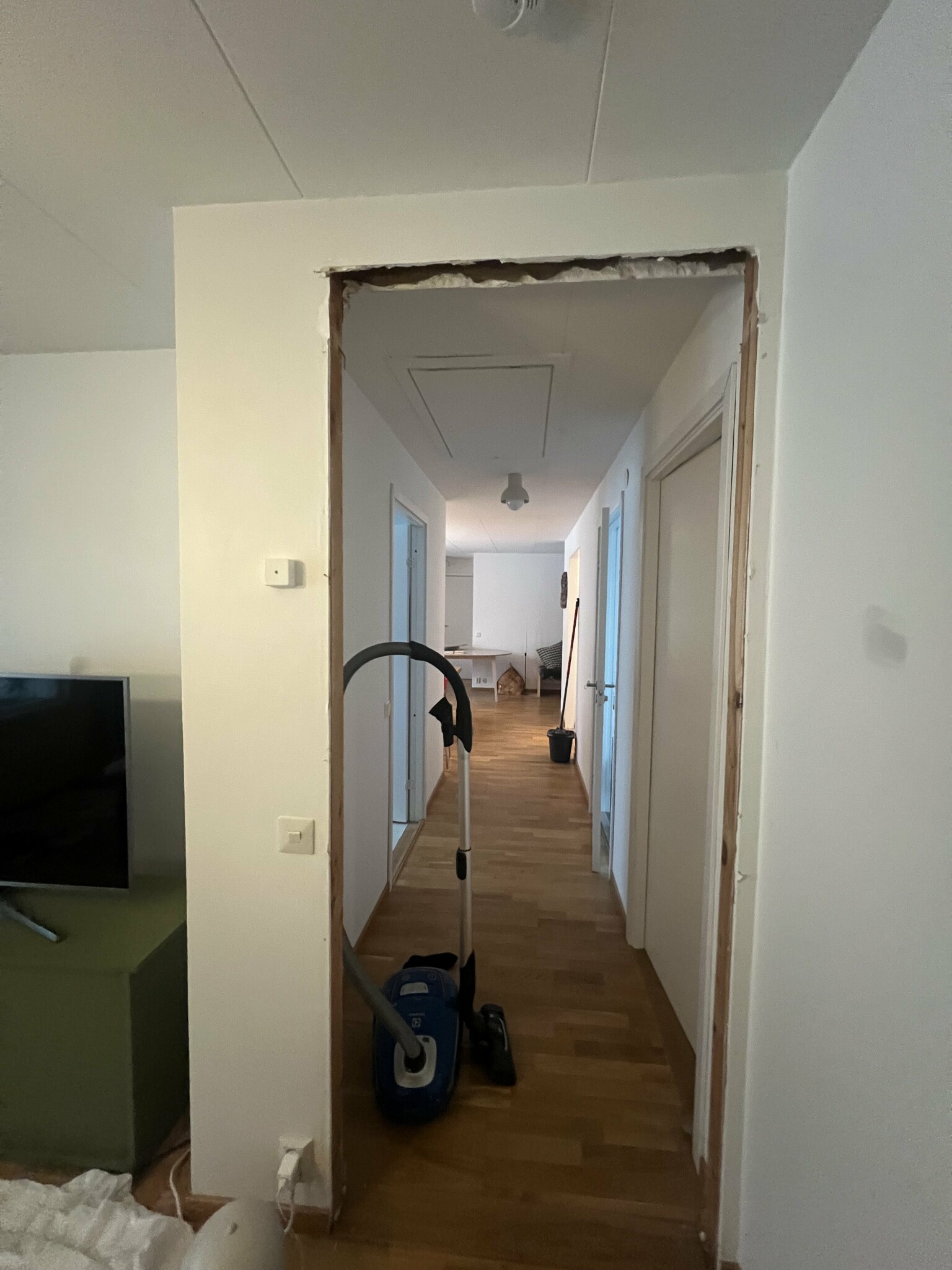
Anyone able to determine if this wall is load-bearing or not? The studs around the door opening are 4.5cm wide and do not continue up into the attic but go towards a crossbeam higher up which presumably goes to the ceiling.
At the bottom, the left one goes down into the foundation but the right one rests on a horizontal beam. The left stud goes outside the wall.
The wall is only about 180cm wide as it transitions into a recess because there used to be wardrobes there.
Anyone have a guess based on experience? I don't want to keep tearing it down if it would cause a big problem.
At the bottom, the left one goes down into the foundation but the right one rests on a horizontal beam. The left stud goes outside the wall.
The wall is only about 180cm wide as it transitions into a recess because there used to be wardrobes there.
Anyone have a guess based on experience? I don't want to keep tearing it down if it would cause a big problem.
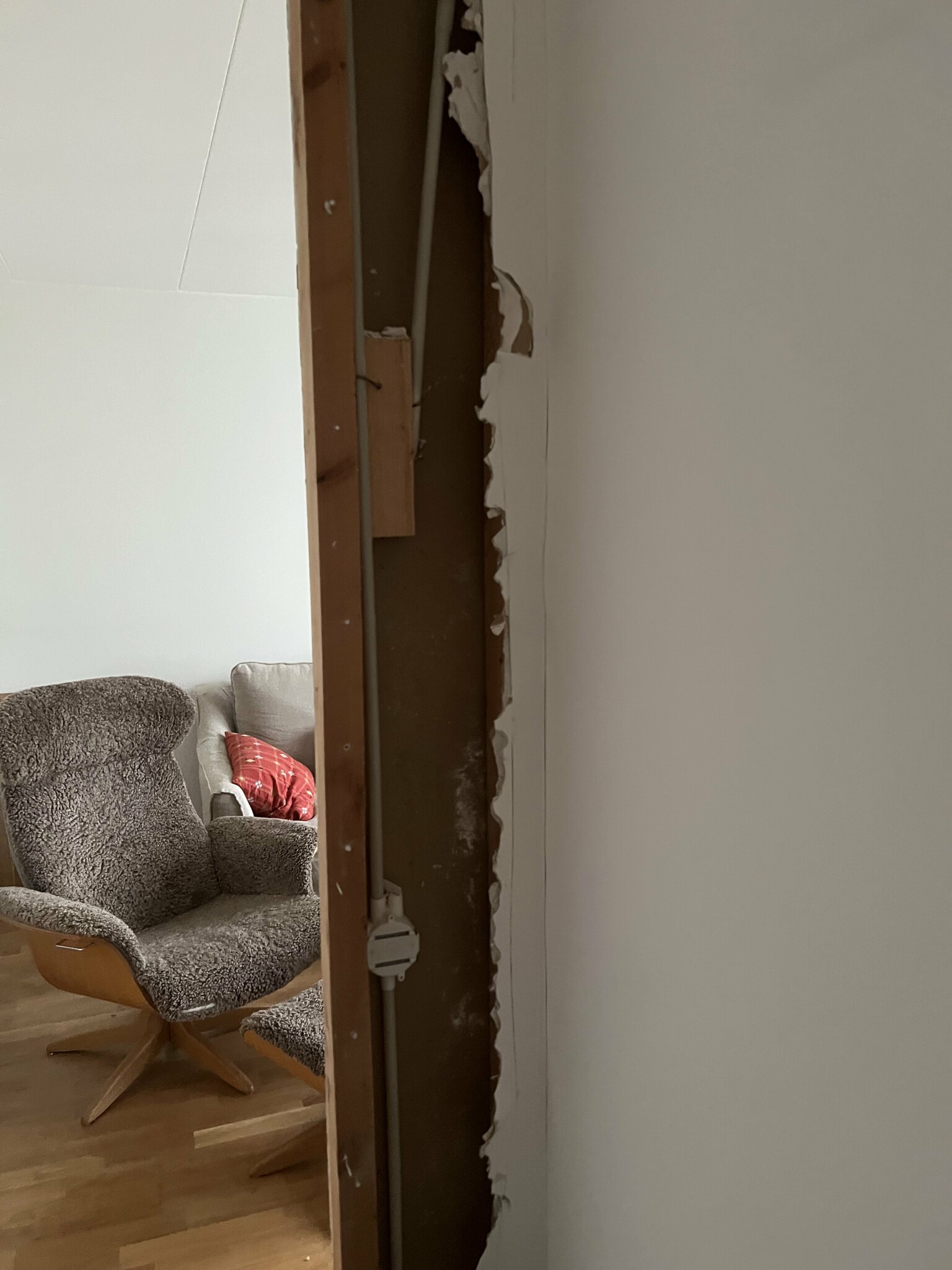
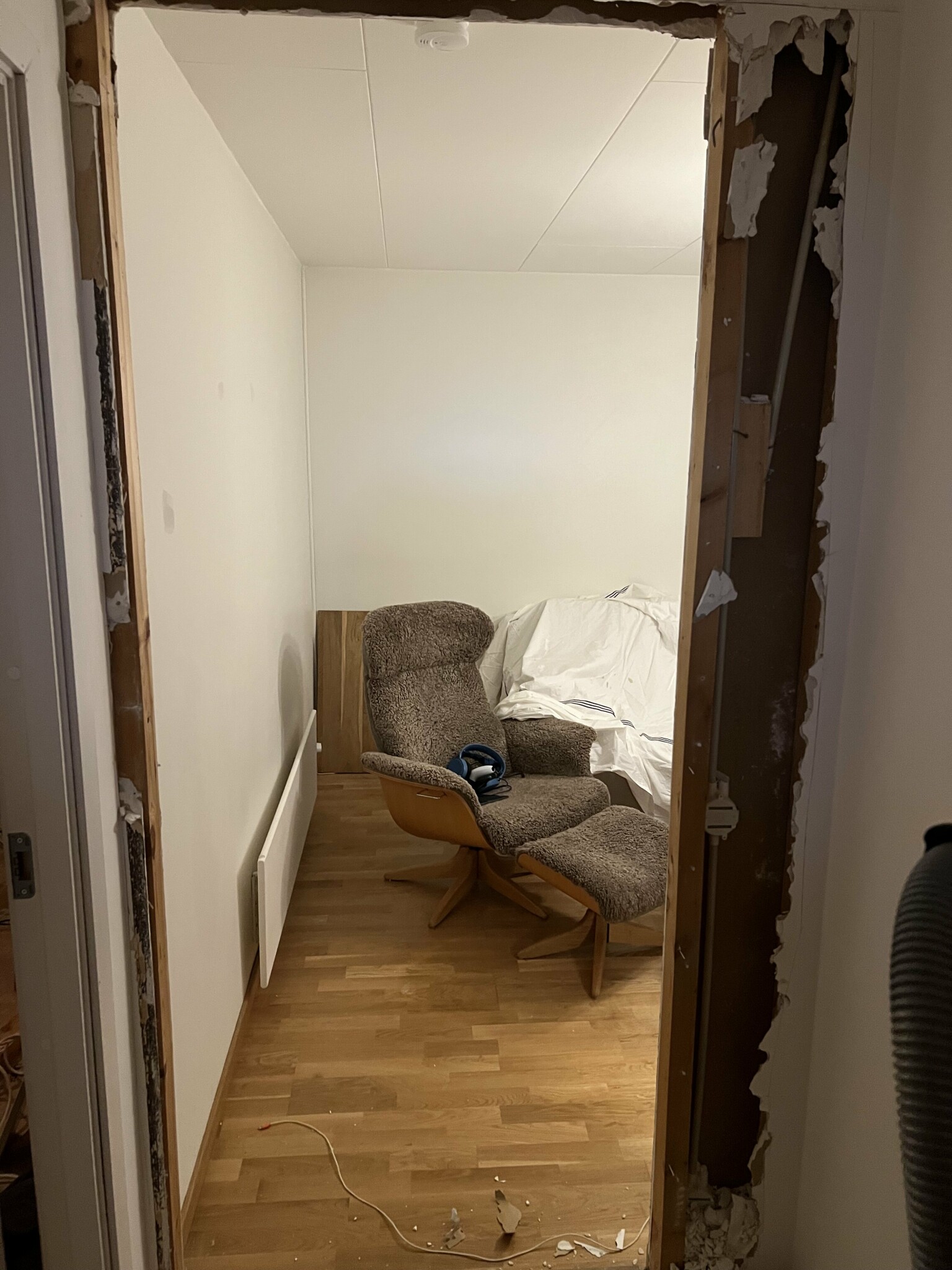
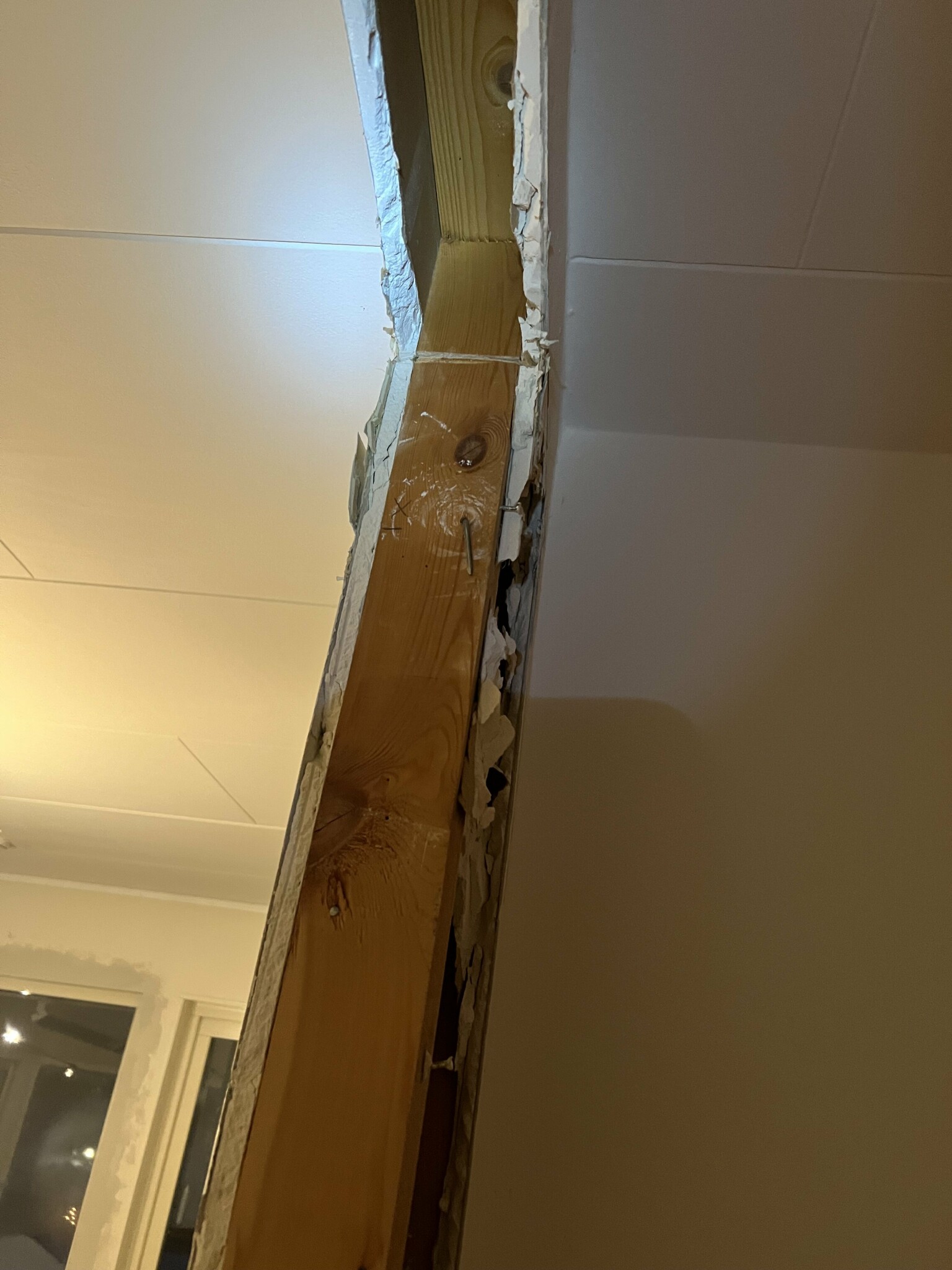
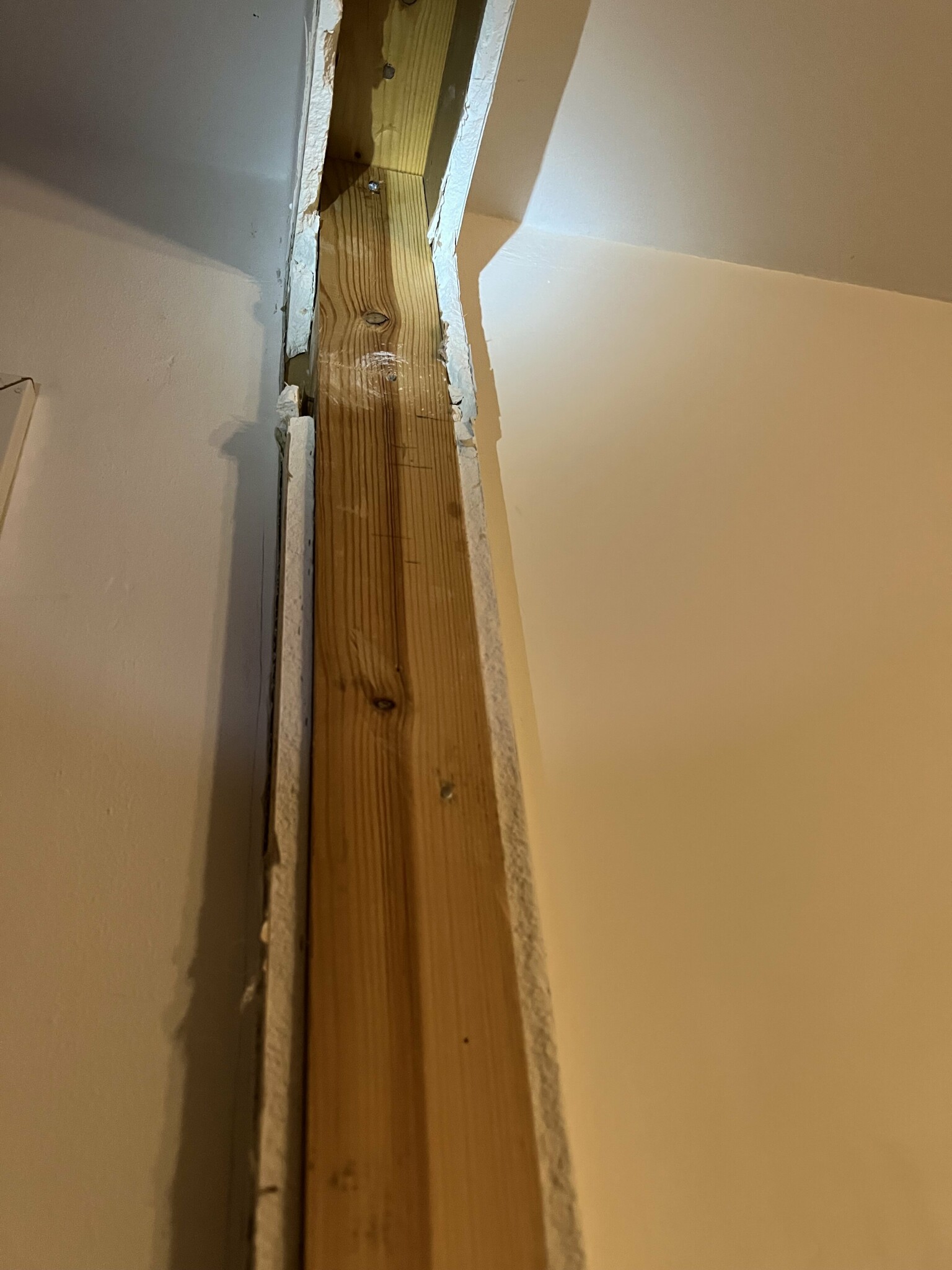
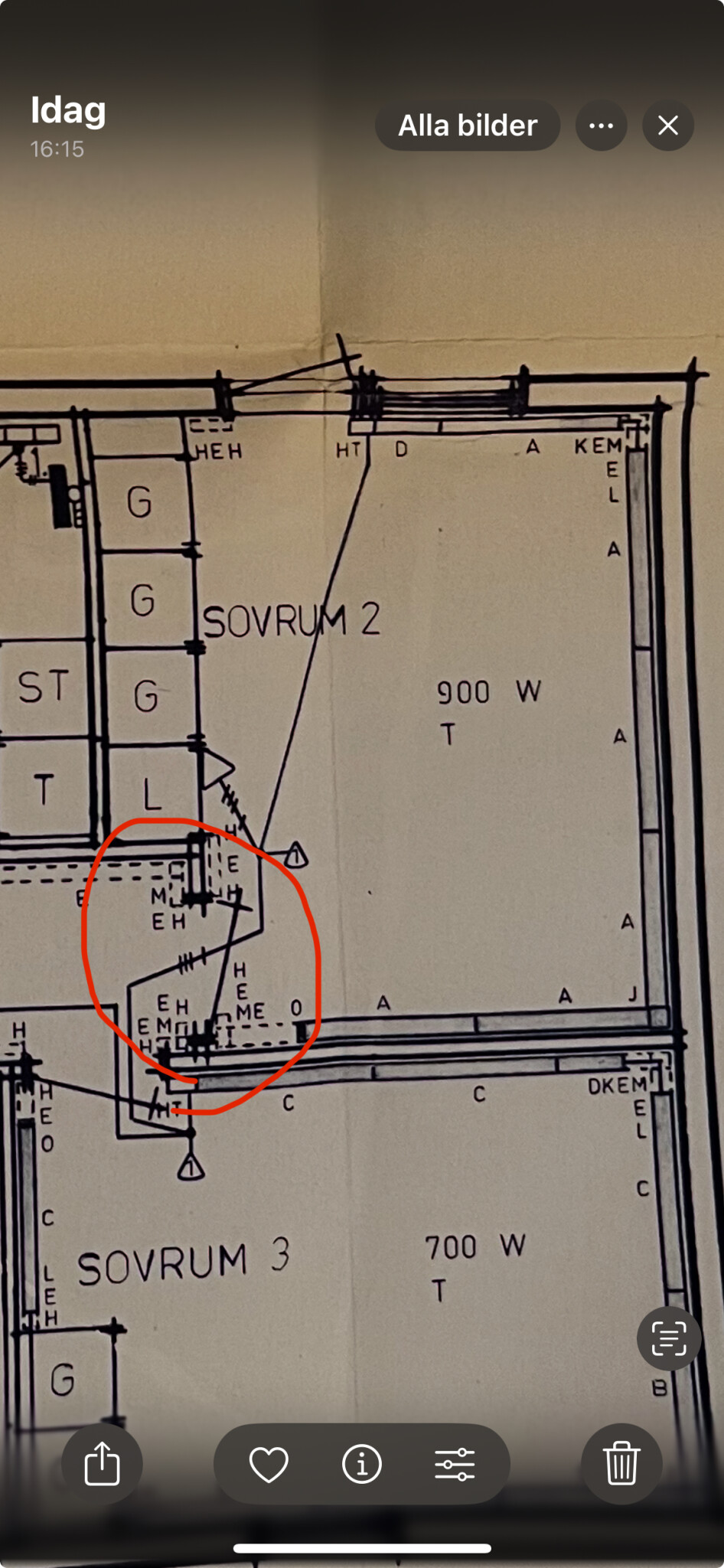

I don't have a construction drawing, and I can take photos of the trusses if that would help. Do you think a carpenter can assess whether it's load-bearing?BirgitS said:
In that case, you could just call and ask for a quote if that's the case, instead of having to contact the municipality with their processing times...
You need to hire a structural engineer to find out which walls are load-bearing (carpenters do not have the right kind of education). If you want to remove a load-bearing wall, a structural engineer can describe how it can be done safely. This description is needed when you submit a building application for modifications to load-bearing structures to the municipality.
Ok, assuming it is load-bearing. I'm 90% sure it isn't, considering it's 180cm long and has studs that are barely 5 cm wide...You need to hire a structural engineer to find out which walls are load-bearing (carpenters don't have the right kind of education). If you want to remove a load-bearing wall, a structural engineer can describe how it can be done safely. This description is needed when you file a construction notification for interventions in load-bearing structures to the municipality.

Click here to reply