
10,975 views ·
24 replies
11k views
24 replies
Load-bearing wall? 70s house
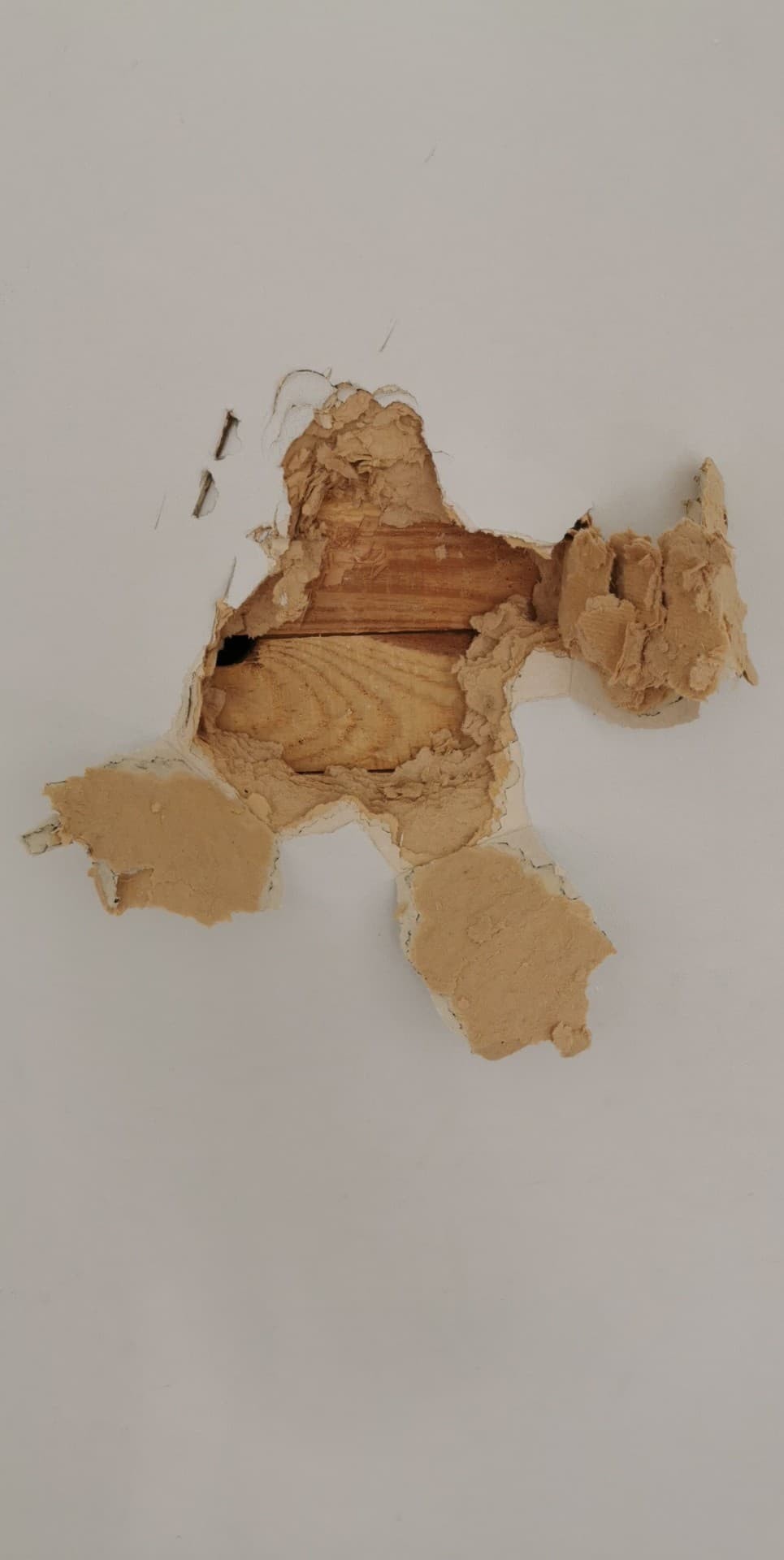
We were planning to tear down a wall and have started the work. We only have floor plans from before the house was actually built, and the wall isn't included there, so we assumed it wasn't load-bearing. Now that we've made a hole in it, we got stuck with this. Does that mean the wall is load-bearing? By the way, it's a thick wall that runs along the ridge of the roof, on floor 2 of 3.
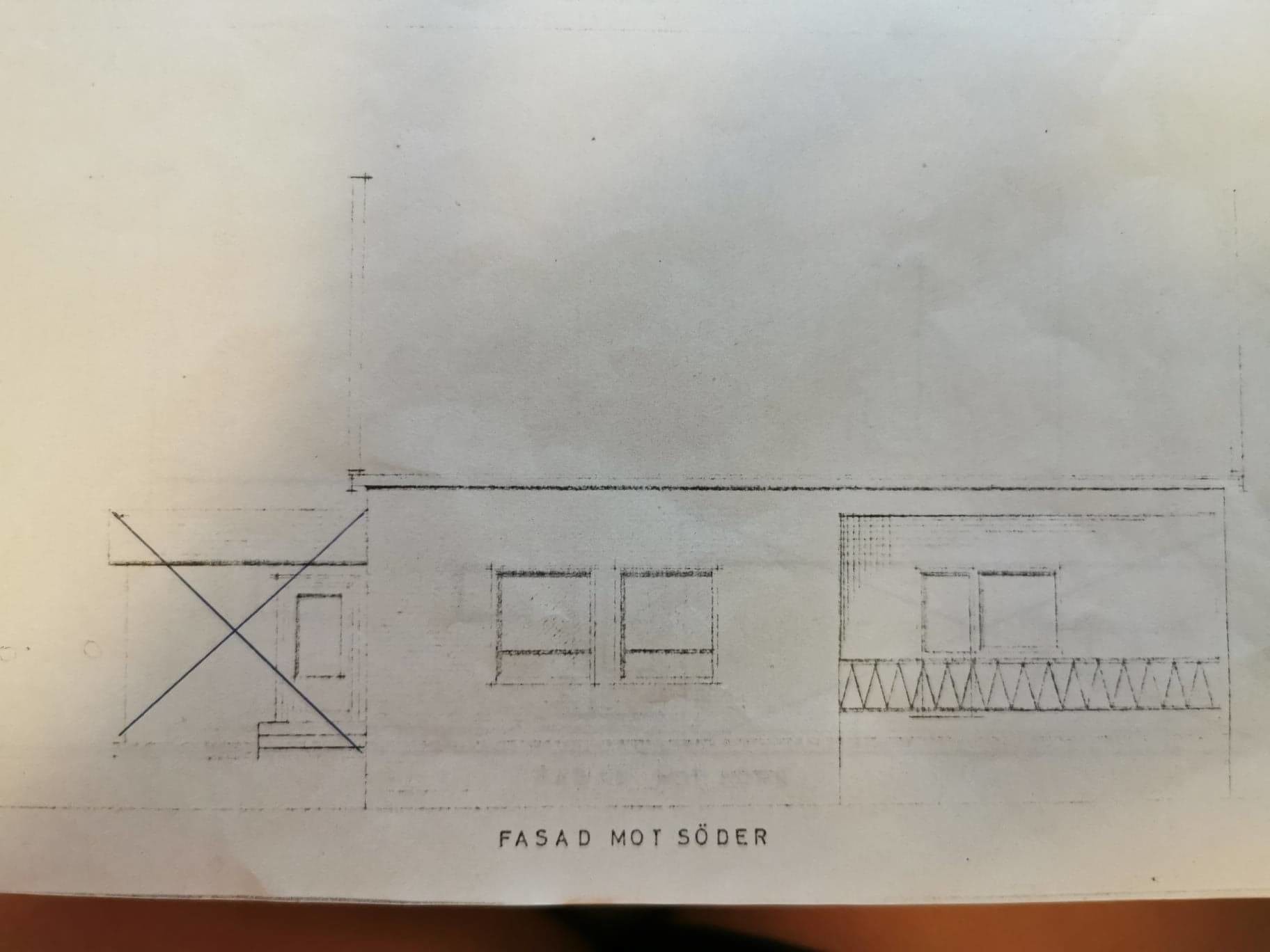
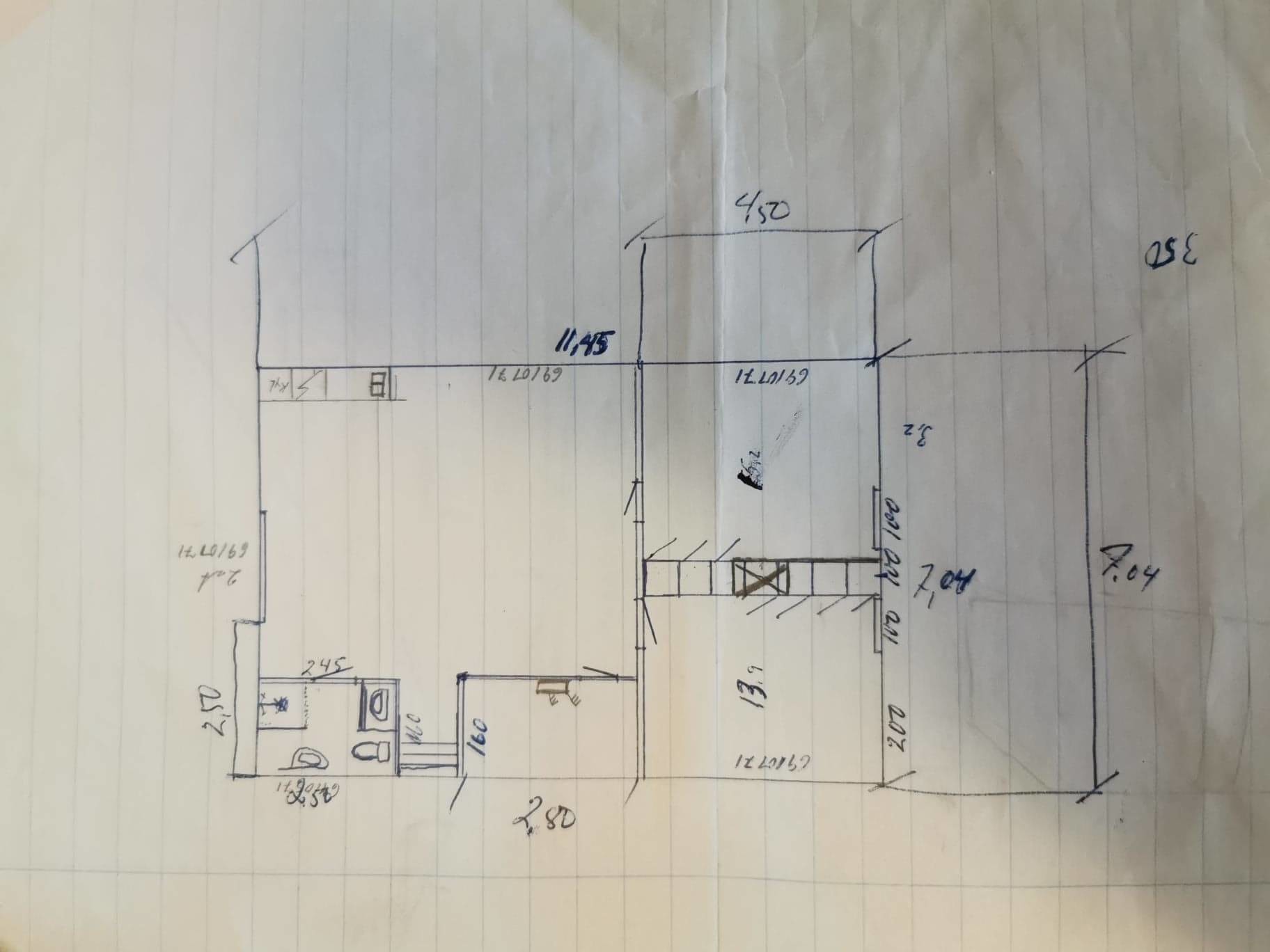
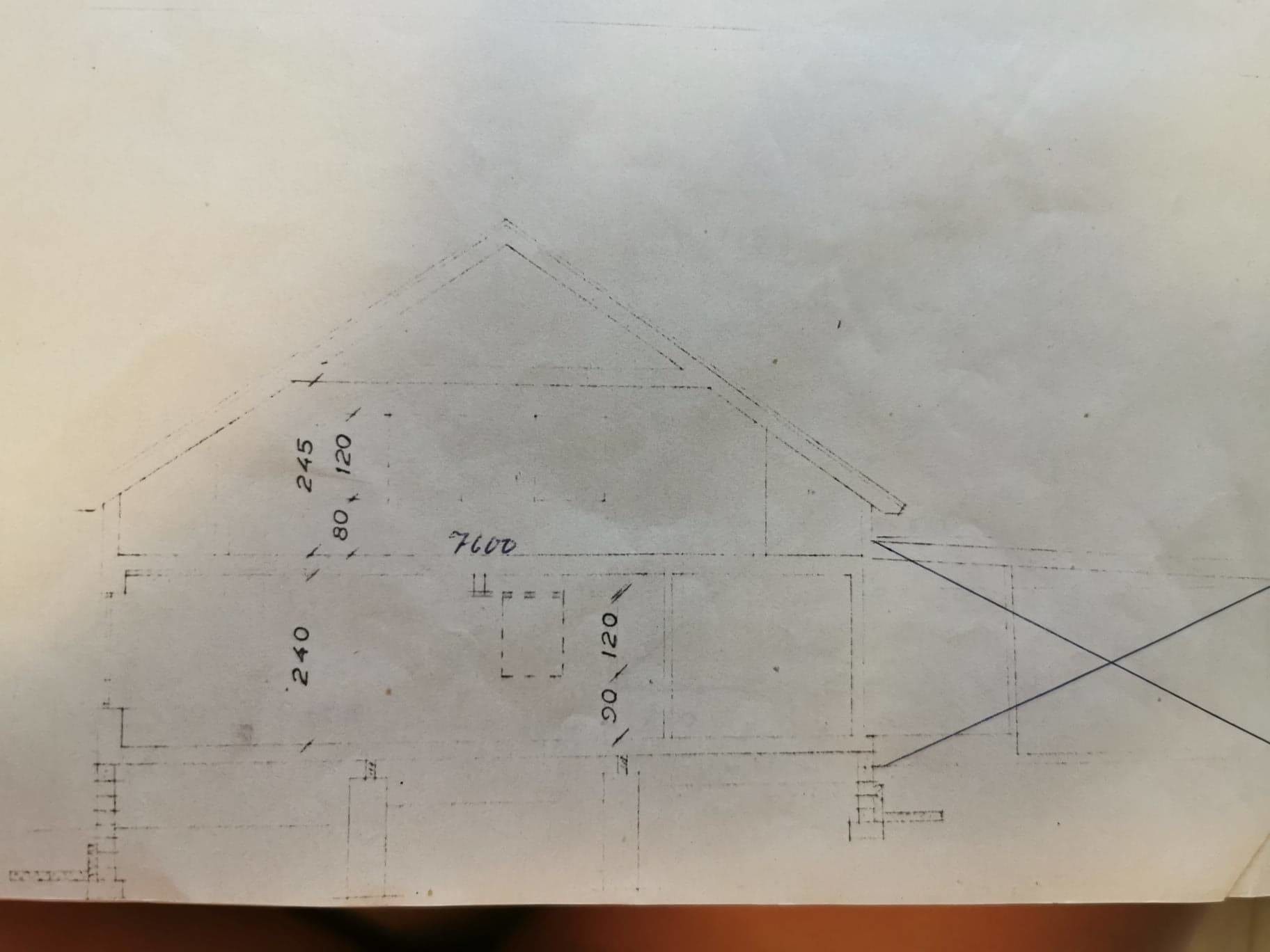
Edit: I've added the floor plans we have available, which are quite confusing, to say the least. It's the wall between the living room/kitchen, which now runs all the way between them. As you can see, it was drawn and then erased at some point. The other plan is the upper floor, where the wall directly above this one is the partition wall between the bedrooms (runs between the closets). The ground floor is actually a finished basement, so according to my husband, it doesn't count, and there are no plans for it either.
Edit: I've added the floor plans we have available, which are quite confusing, to say the least. It's the wall between the living room/kitchen, which now runs all the way between them. As you can see, it was drawn and then erased at some point. The other plan is the upper floor, where the wall directly above this one is the partition wall between the bedrooms (runs between the closets). The ground floor is actually a finished basement, so according to my husband, it doesn't count, and there are no plans for it either.
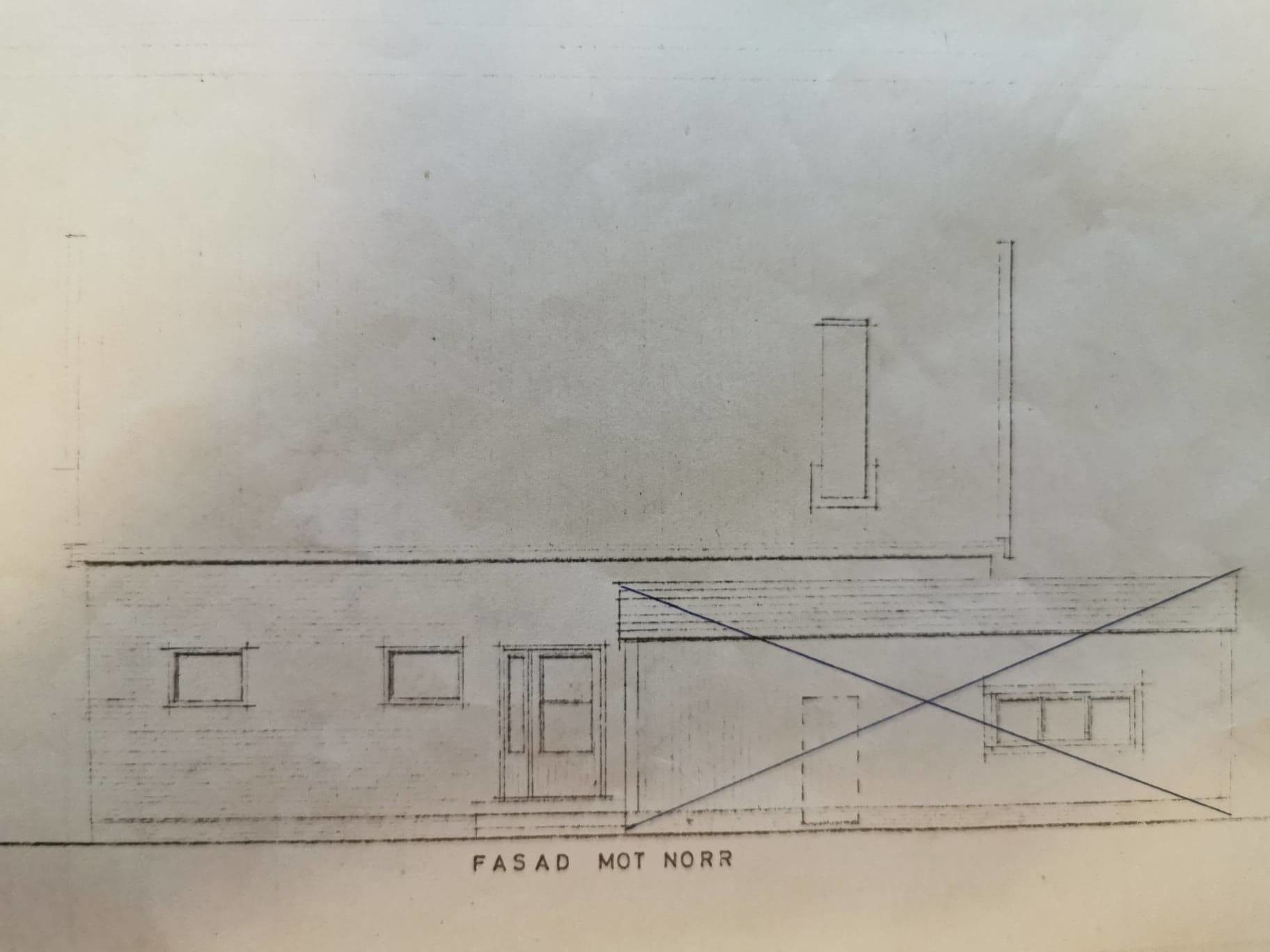
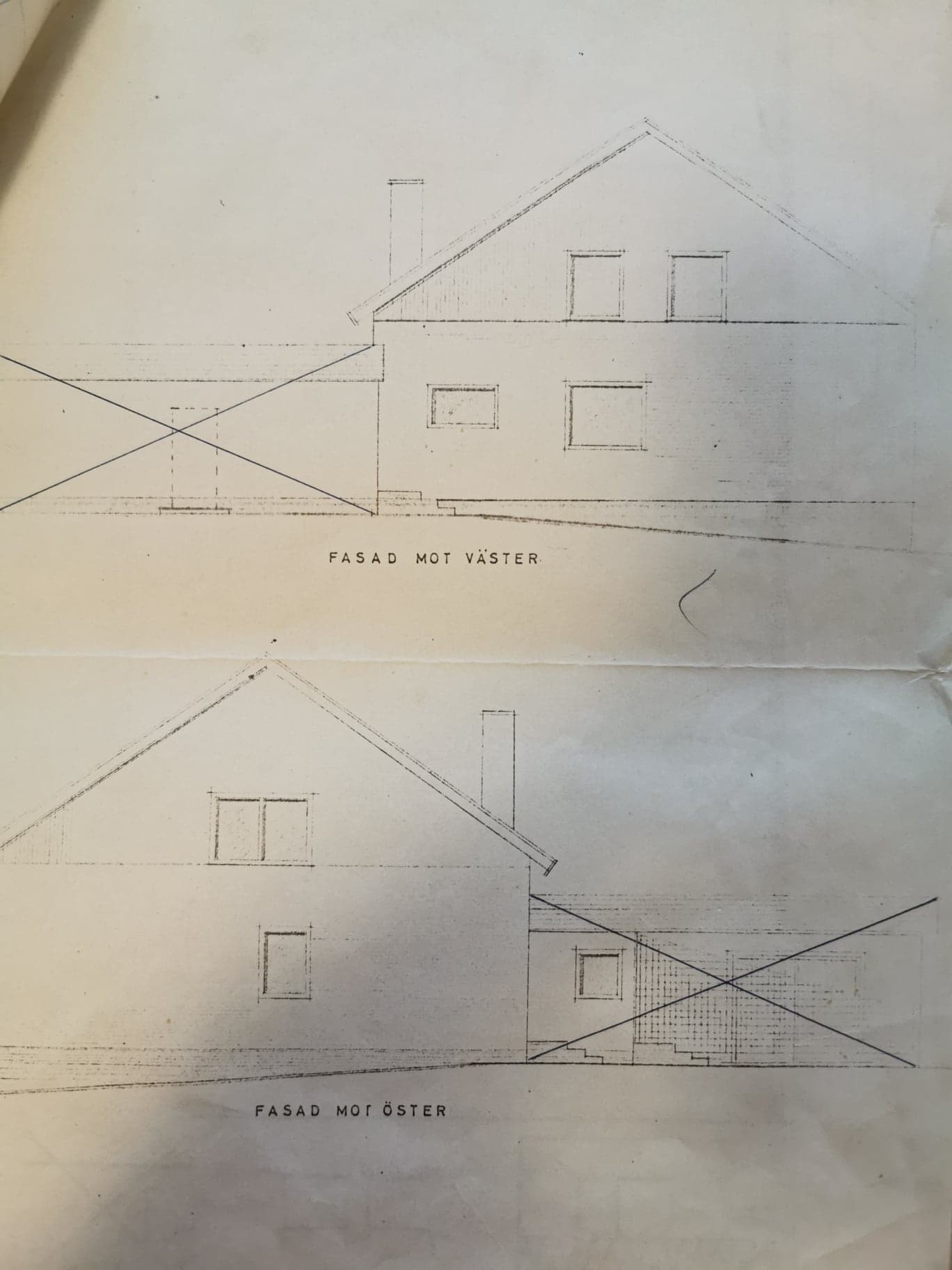
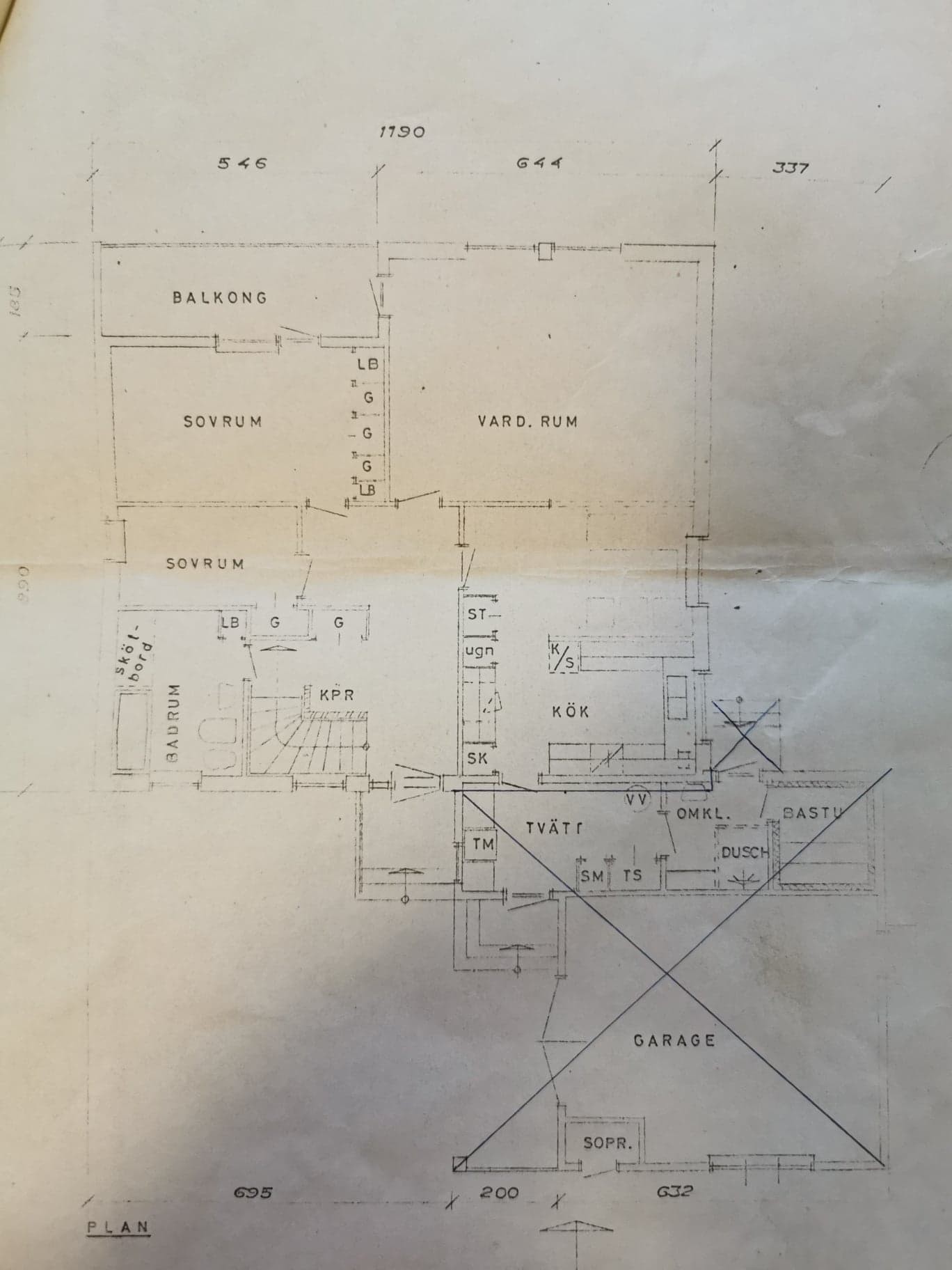
Last edited:
Tongue-and-groove boards but tretex on? That doesn't say anything about whether the wall is load-bearing or not, all walls were built like that before the time of drywall.
You need to tear up more to see how the wall is constructed. It is not the boards you see there that would be the load-bearing.
What do you mean by "along the ridge"? If the wall runs across the roof trusses, it could definitely be load-bearing, but a structural engineer needs to see the drawings or similar to answer that.M moa.berglund said:
Just discovered that it goes right under the ridge, through all floors of the house... I think we have our answer there. And yes, this is our first project we're doing without bringing in people, clueless is just the beginning hehe.
But if you still want to remove the wall, you can take off all the tretex and expose both sides so that an "expert" you might bring in can more easily see the structure and how to solve it. You can get rid of the wall in some way, whether it's load-bearing or not.M moa.berglund said:
Is the entire wall to be removed or just a part?
Half of the wall is to be removed, and it will be removed regardless of whether it is load-bearing or not.P petererlandsson1194 said:But if you still want to remove the wall, you can take off all the tretex and expose both sides so that a "professional" you might bring in can more easily see the construction and how to solve it. You can get rid of the wall in some way whether it's load-bearing or not. Is the whole wall to be removed or just a part of it?

If it was open there once upon a time, then the necessary support should already be there, but maybe they closed the opening during the initial construction? You should be able to see this if you remove all the surface layers and panels.M moa.berglund said:

The wall is definitely load-bearing. The idea that there was no wall between the kitchen and living room when the house was built seems highly unlikely to me. A beam is needed to allow you to open it up.