
25,927 views ·
77 replies
26k views
77 replies
Load-bearing or non-load-bearing, two structural engineers say different
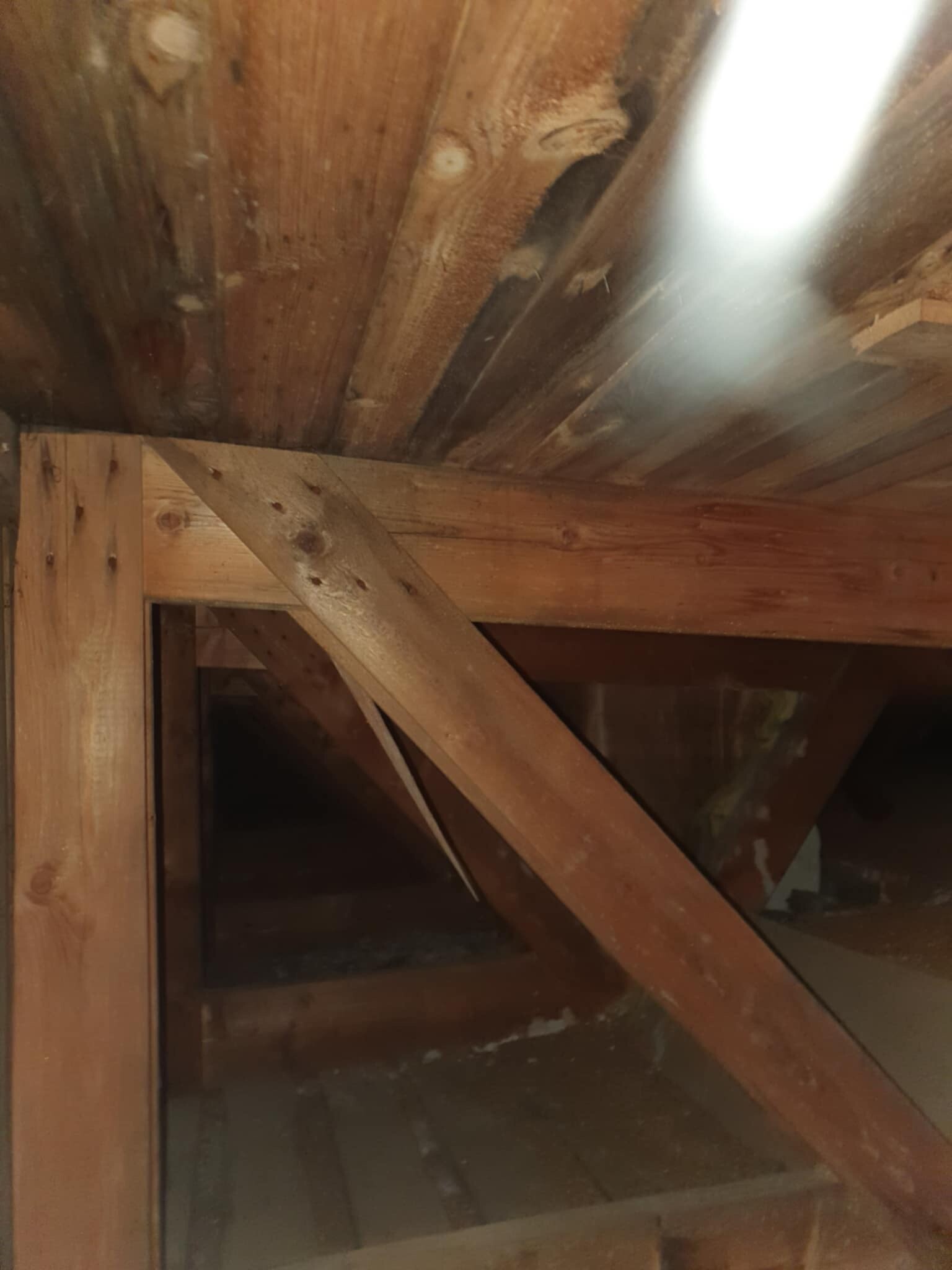
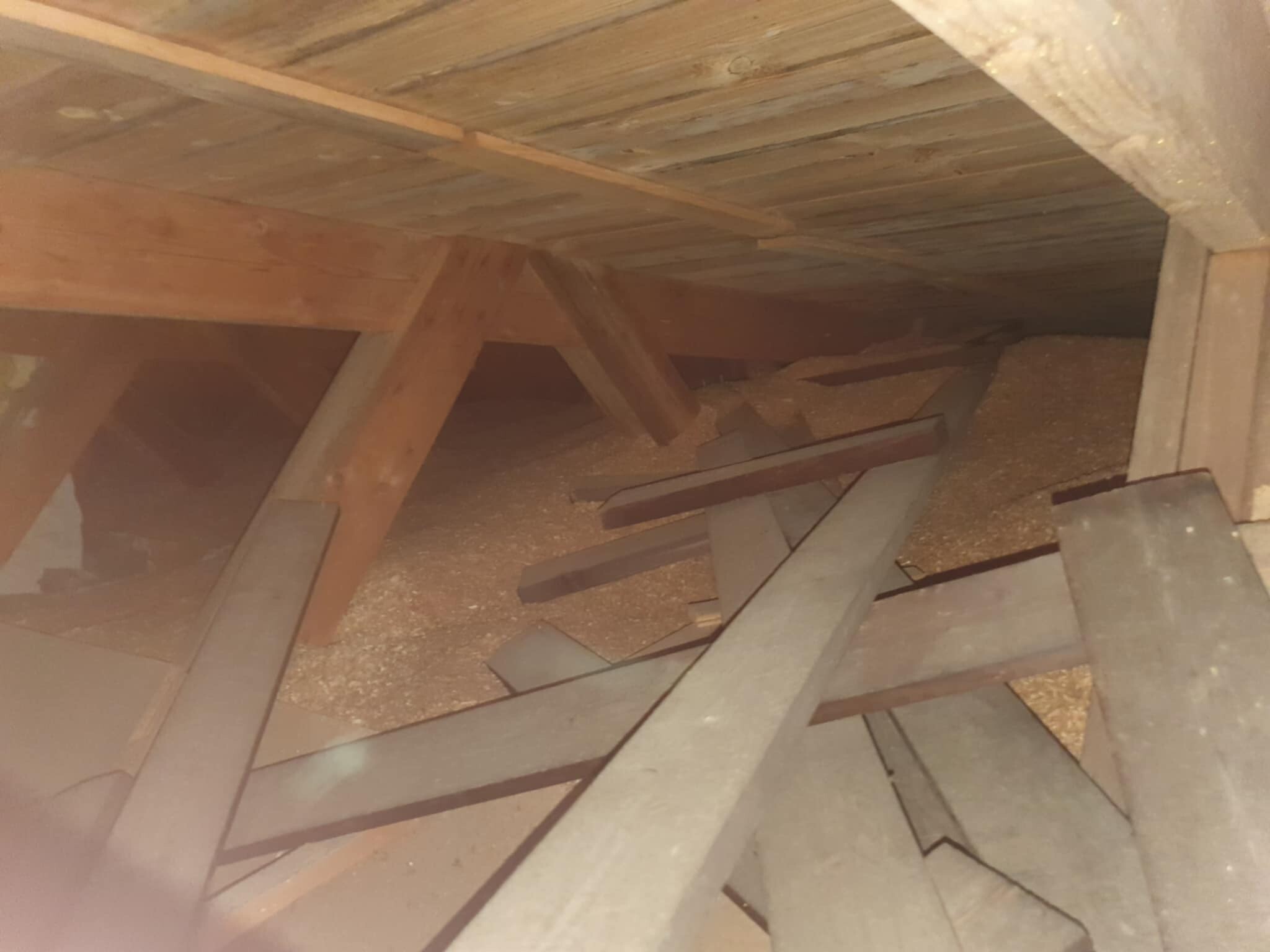
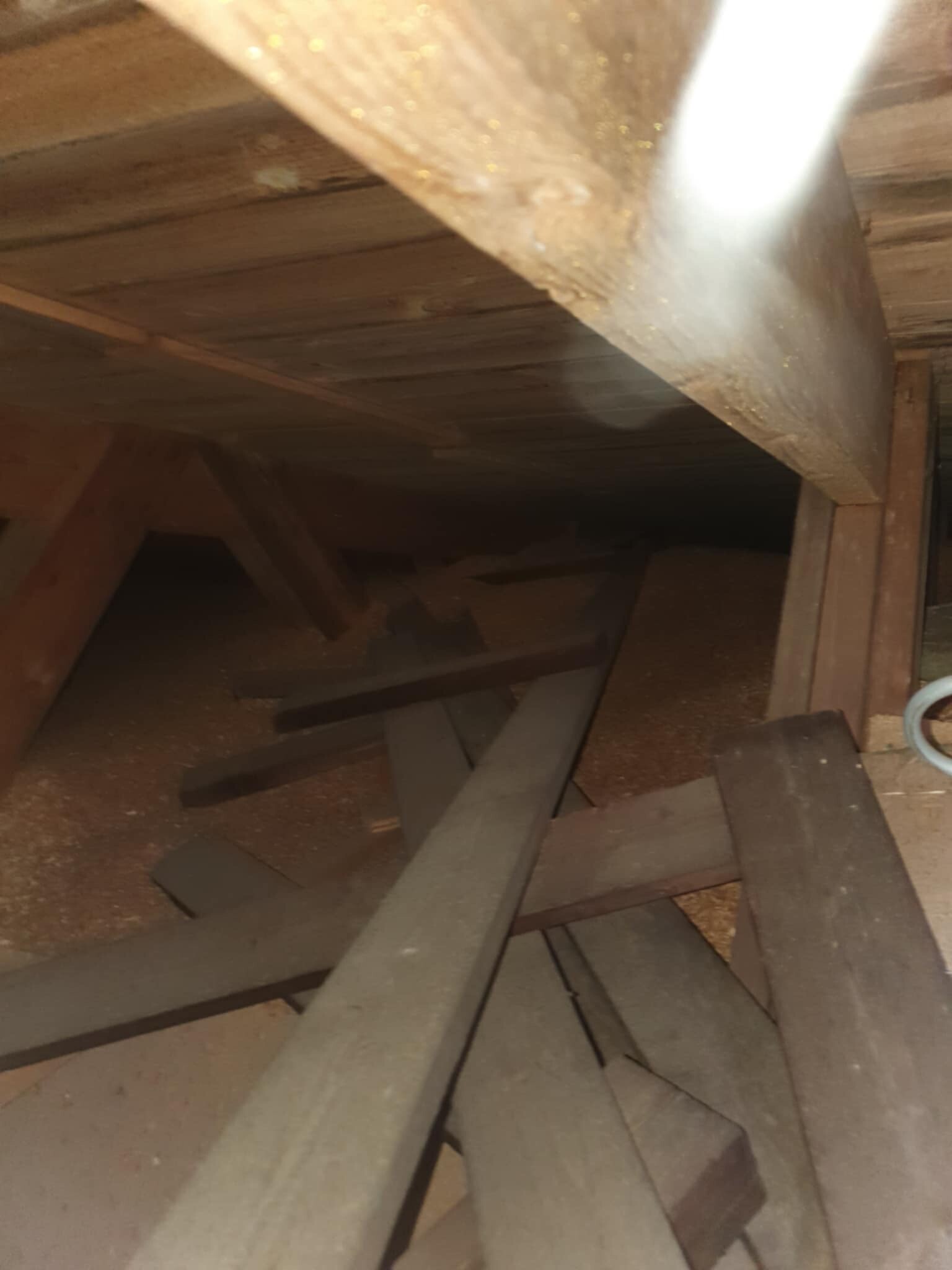
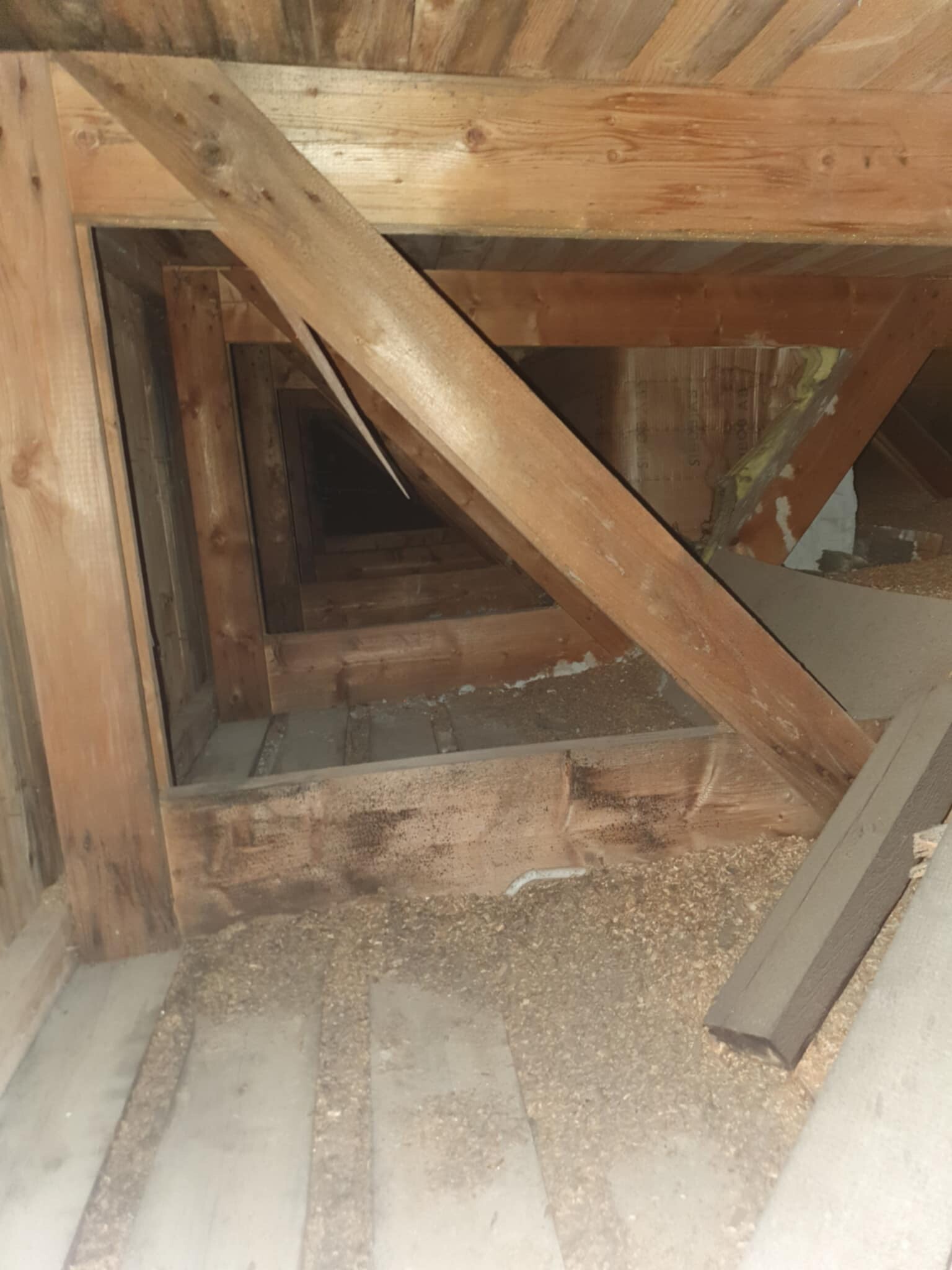
The dimensions clearly indicate self-supporting. BUT, in the last image, it looks like the frameworks are not connected in the middle. Instead, it seems they rest on a wall/beam. A picture showing half a meter further to the left would be needed to determine.
I'll try to fix it in a week!A AG A said:
If you have the old construction drawings of the house, you should be able to read this in the drawings. Otherwise, check with the building committee. Good luck.Vrana said:
Hello! We have a long narrow one-story villa with a basement made of brick. Between the floors, there is a concrete slab. According to the original plans from 67, only the outer walls are load-bearing, but there are 8 m between them. Low-sloping roof. On the ground floor, there is a wall running along the entire length of the house according to the plan.
We asked a building engineer + constructor if it was possible to tear down the wall between the kitchen and the living room and they said it was not load-bearing. Our neighbor happens to have an identical twin house and has been considering the same thing, the engineer they hired says it absolutely is load-bearing and even advises against laminated beams, insisting on steel beams instead.
How can it differ so drastically? Anyone with similar experiences?
Specifically contacted the urban planning department several times and the images I uploaded were what was available to get. Unfortunately, I don't have any drawings.H Hani67 said:


Kan själv!
· Trelleborg
· 19 695 posts
Is it a gabled roof (slopes from the middle in both directions) or a shed roof (slopes in one direction)?
I mean in general that you cannot simply remove a non-load-bearing wall based on drawings from the time of construction. In this case, fifty-year-old trusses and their supports might be fine, but you should check that all load-bearing structures are intact.Nissens said:
Our floor plan is similar to yours, and we took down exactly the wall you're considering. We have free-spanning trusses in a truss model. Span about 8 meters. However, it was a wall with a wood stud frame. And a gable roof with about a 22-degree pitch. We demolished it 6 years ago and the roof hasn't shifted. I would say that if engineers have given the go-ahead, I would proceed.
HelloHello! We have a single-story, long narrow brick house with a basement. Between the floors, there is a concrete slab. According to the original drawings from '67, only the outer walls are load-bearing, but there are 8 meters between them. It has a low-pitched roof. A wall runs along the entire length of the house on the ground floor according to the drawing.
We asked an engineer + constructor if it was possible to remove the wall between the kitchen and living room, and they said it was not load-bearing. Our neighbor happens to have an identical twin house and has had the same thoughts; the engineer they hired says it is definitely load-bearing and even advises against a laminated beam, insisting on a steel beam.
How can there be such a stark difference? Anyone with similar experiences?
The term "free-standing roof truss" refers to it not being supported from a load-bearing floor, like a concrete slab. A free-standing roof truss can have multiple supports, like the wall in the middle.
No, it means there is no need for support.S Sunflower65 said:
Then it can still have support. Everything that is built together with the truss and floor functions practically as support and contributes to the stability of the construction.
But it is not required if the truss is freestanding.
Feel free to correct me if I have misunderstood this, nothing is impossible as Gunde said.

Member
· Södermanlands län0
· 983 posts
Even though the roof structure was originally free-standing, you can bet that the continuous wall right under the roof, which in turn stands on a masonry basement wall, now functions as support for some loads that are easily transferred down to the basement wall, except exactly where TS wants to demolish.
That section of the wall, braced with wall panels attached to studs top plate and sill, practically functions as a beam for that part of the structure in the roof and floor that overhangs the basement garage.
Brace up the garage roof so that it remains straight. Tear down the wall and be prepared to brace up any noticeable sag in the bottom edge of the truss. If it sags significantly, I would install a beam/brace the truss to avoid major movements when maximum snow load presses on.
Feel free to measure the floor in the room next to the demolished wall when the garage brace is removed to ensure it doesn't start sagging: Even a half-centimeter drop on that floor area will be noticeable.
(I have an almost half-century-old education in structural engineering but have never worked with it practically)
That section of the wall, braced with wall panels attached to studs top plate and sill, practically functions as a beam for that part of the structure in the roof and floor that overhangs the basement garage.
Brace up the garage roof so that it remains straight. Tear down the wall and be prepared to brace up any noticeable sag in the bottom edge of the truss. If it sags significantly, I would install a beam/brace the truss to avoid major movements when maximum snow load presses on.
Feel free to measure the floor in the room next to the demolished wall when the garage brace is removed to ensure it doesn't start sagging: Even a half-centimeter drop on that floor area will be noticeable.
(I have an almost half-century-old education in structural engineering but have never worked with it practically)