I'm here with my first question in this fantastic forum that has helped us a lot during the renovation of our house.
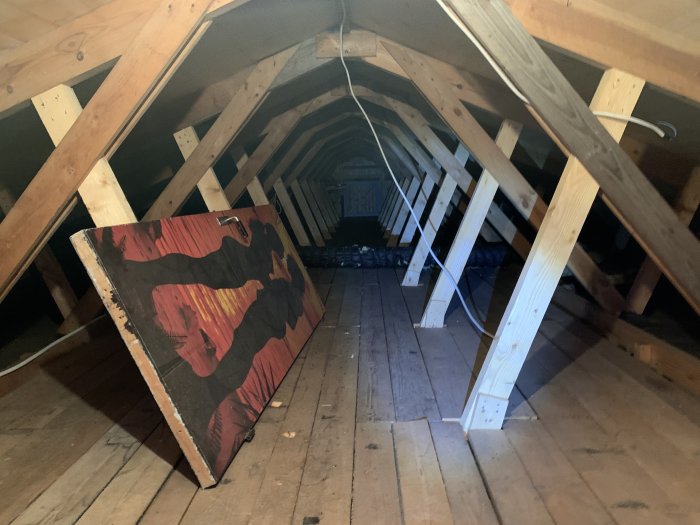
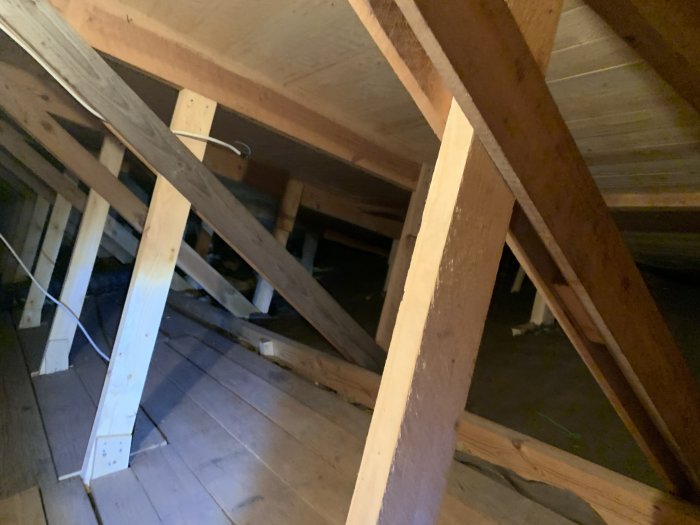
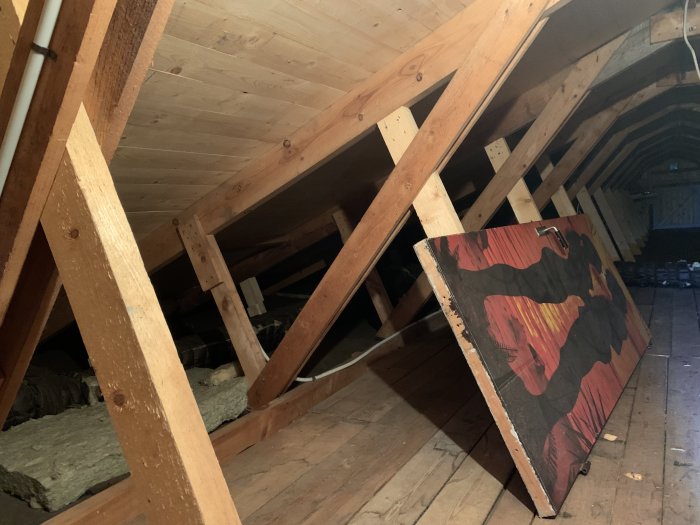
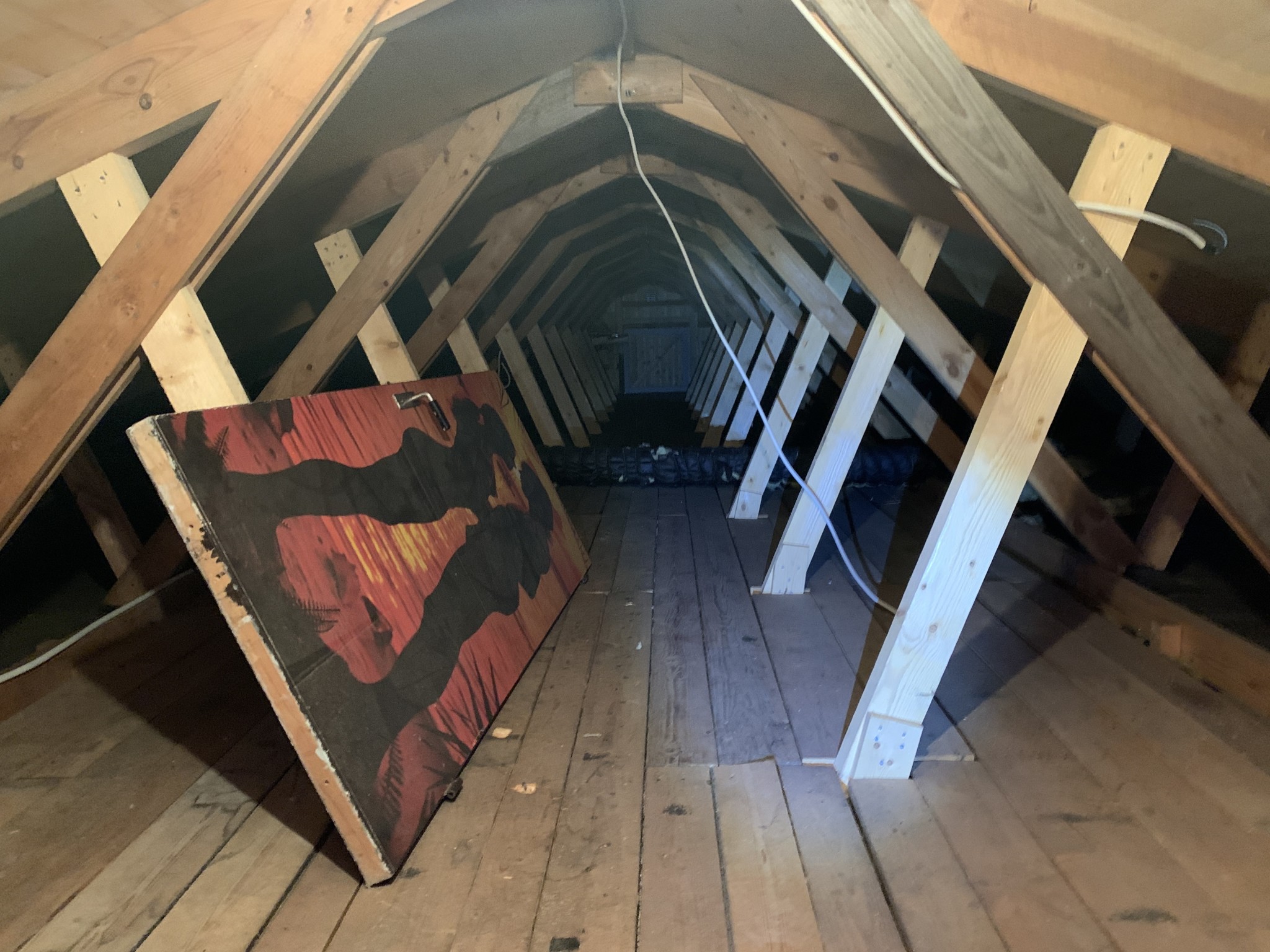
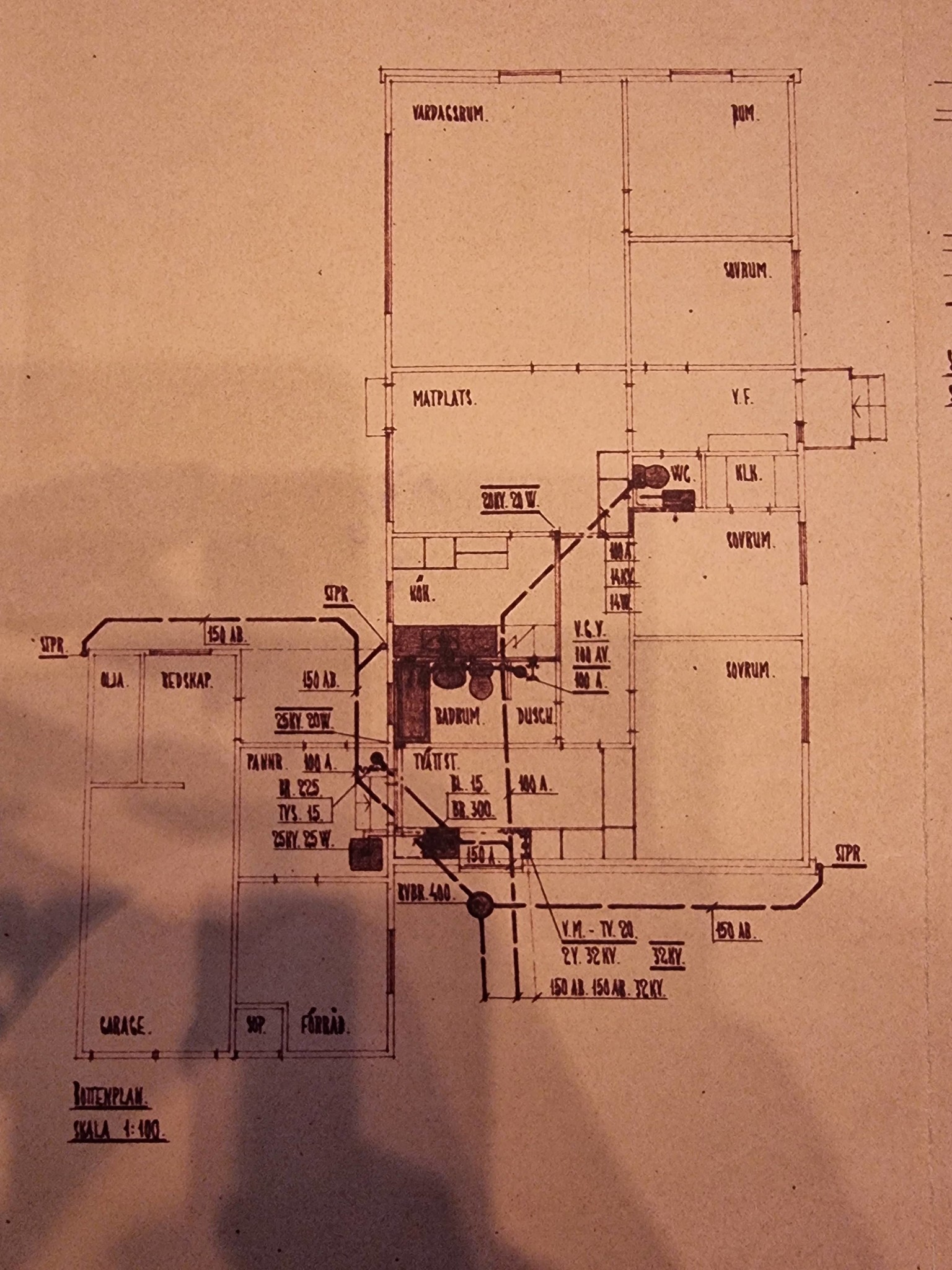
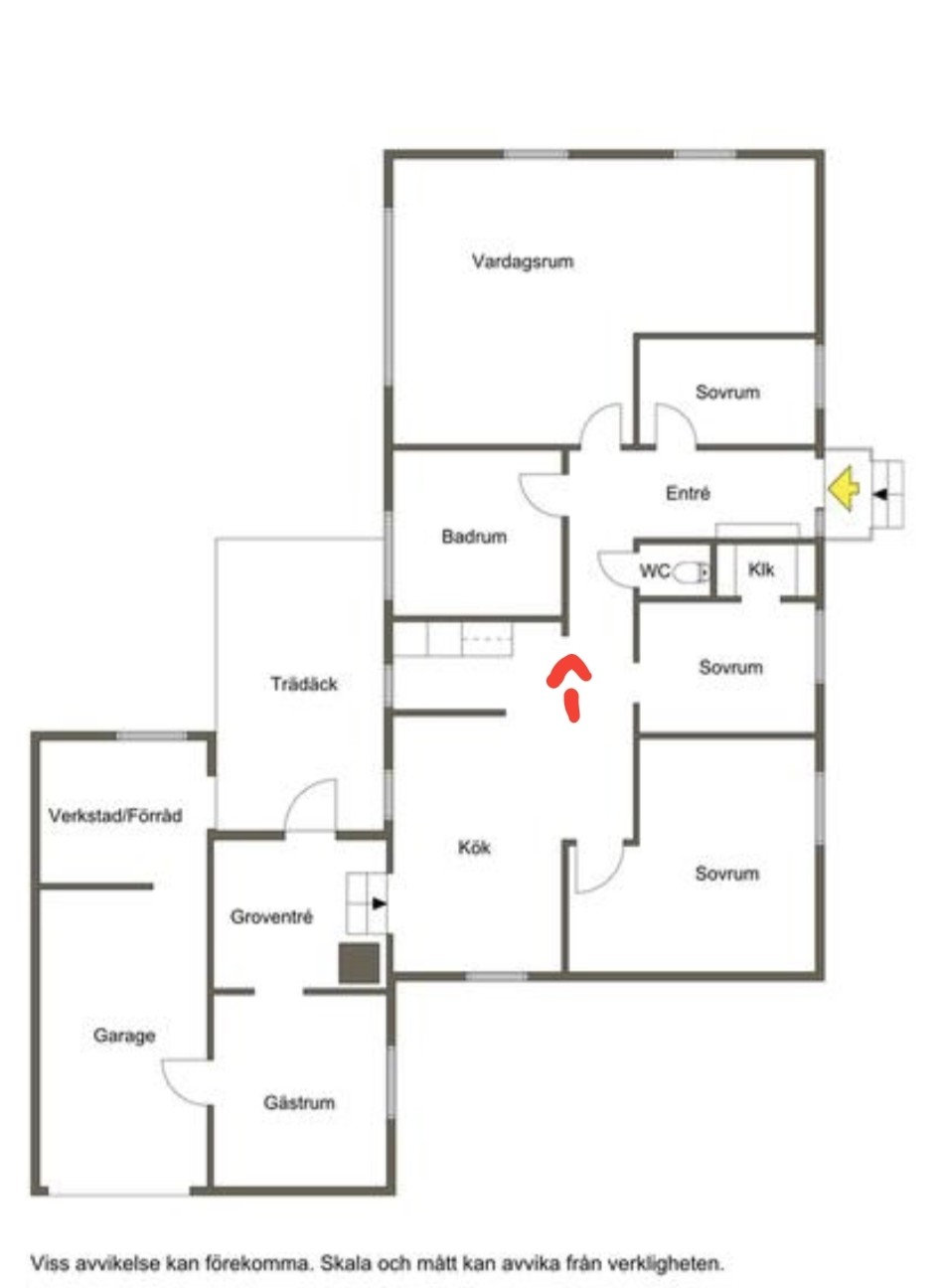
Now it is time for the kitchen renovation, and with this, we're also considering moving walls. After quite a bit of research, including in this forum, I'm fairly certain that we don't have any load-bearing interior walls, and it seems like we have truss rafters, but I want to double-check with you experts first.
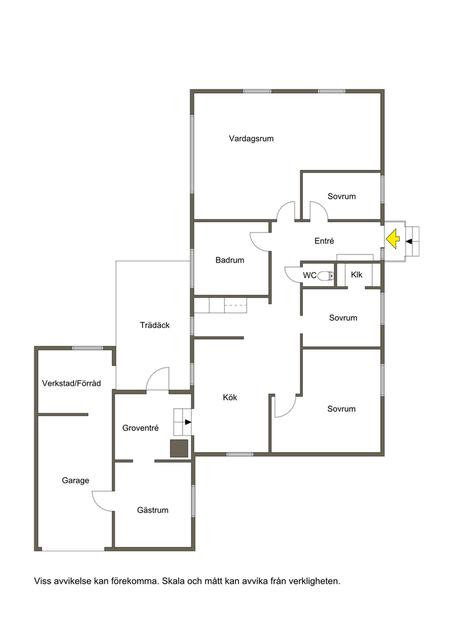
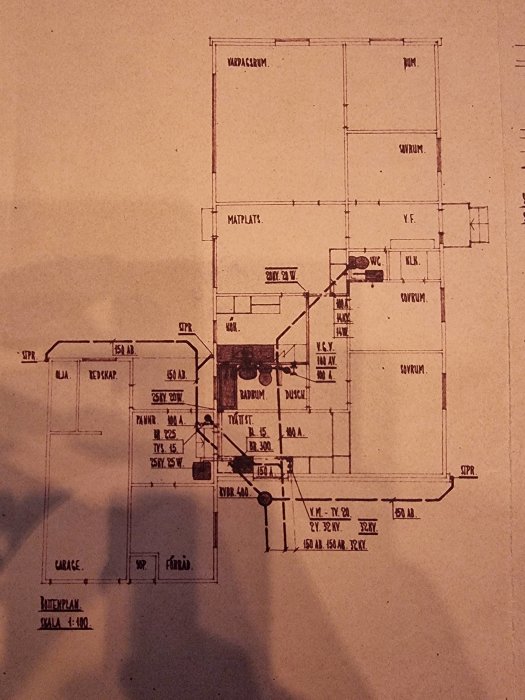
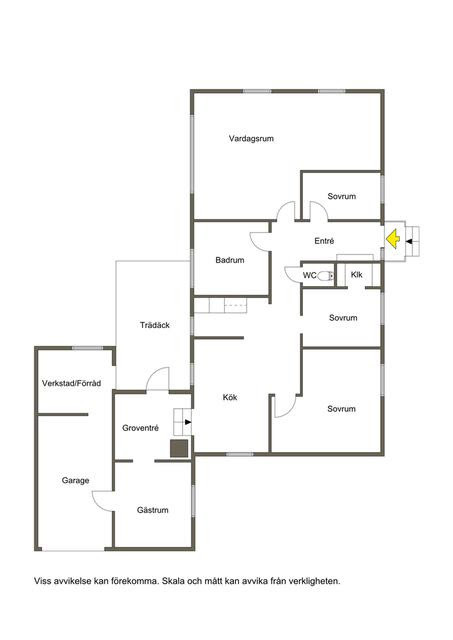
The house is 8 meters wide and built on a crawl space in 1964, all interior walls are about 90mm with plasterboard. I am also attaching some pictures. Let me know if you want more pictures/info.
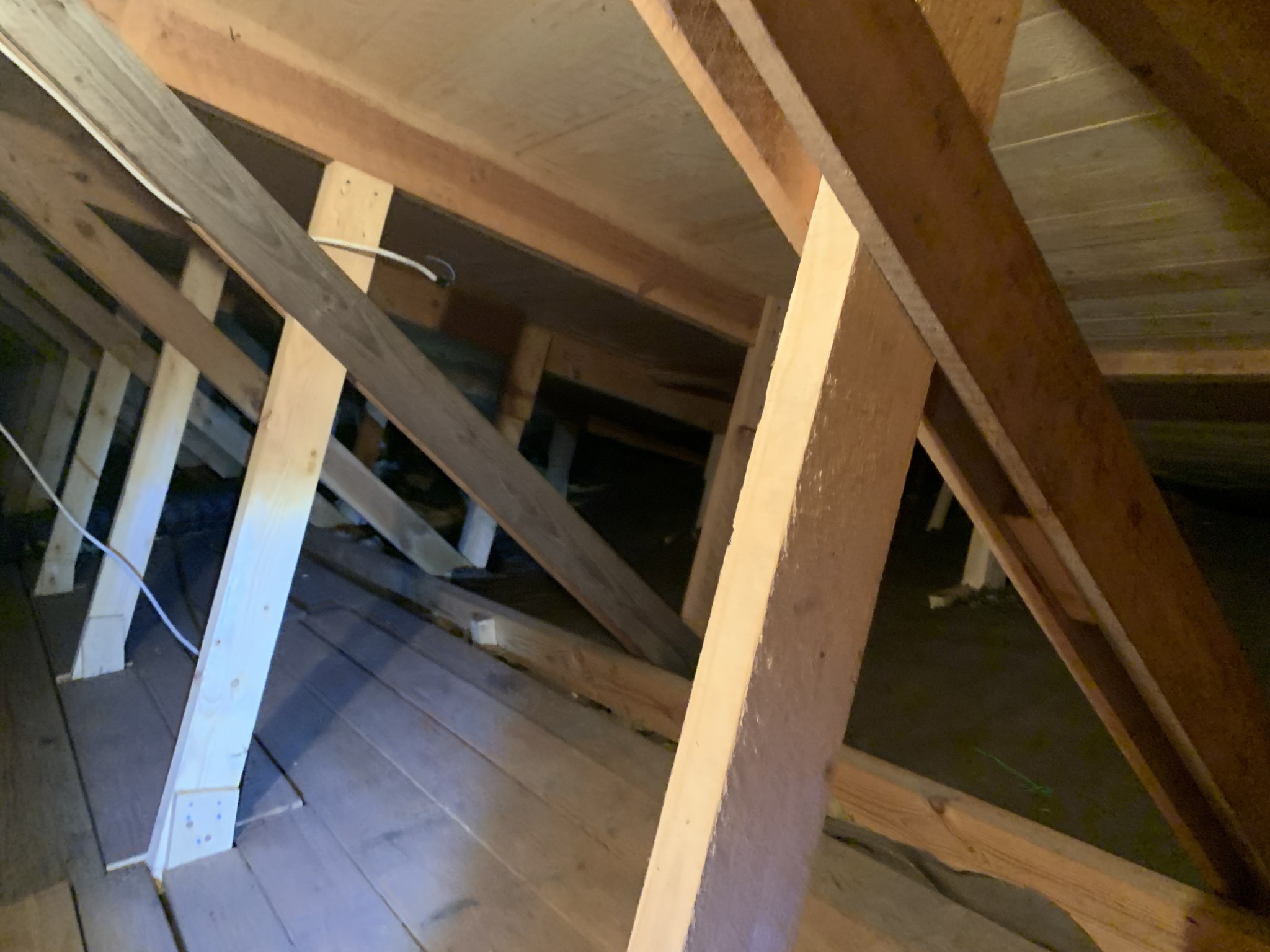
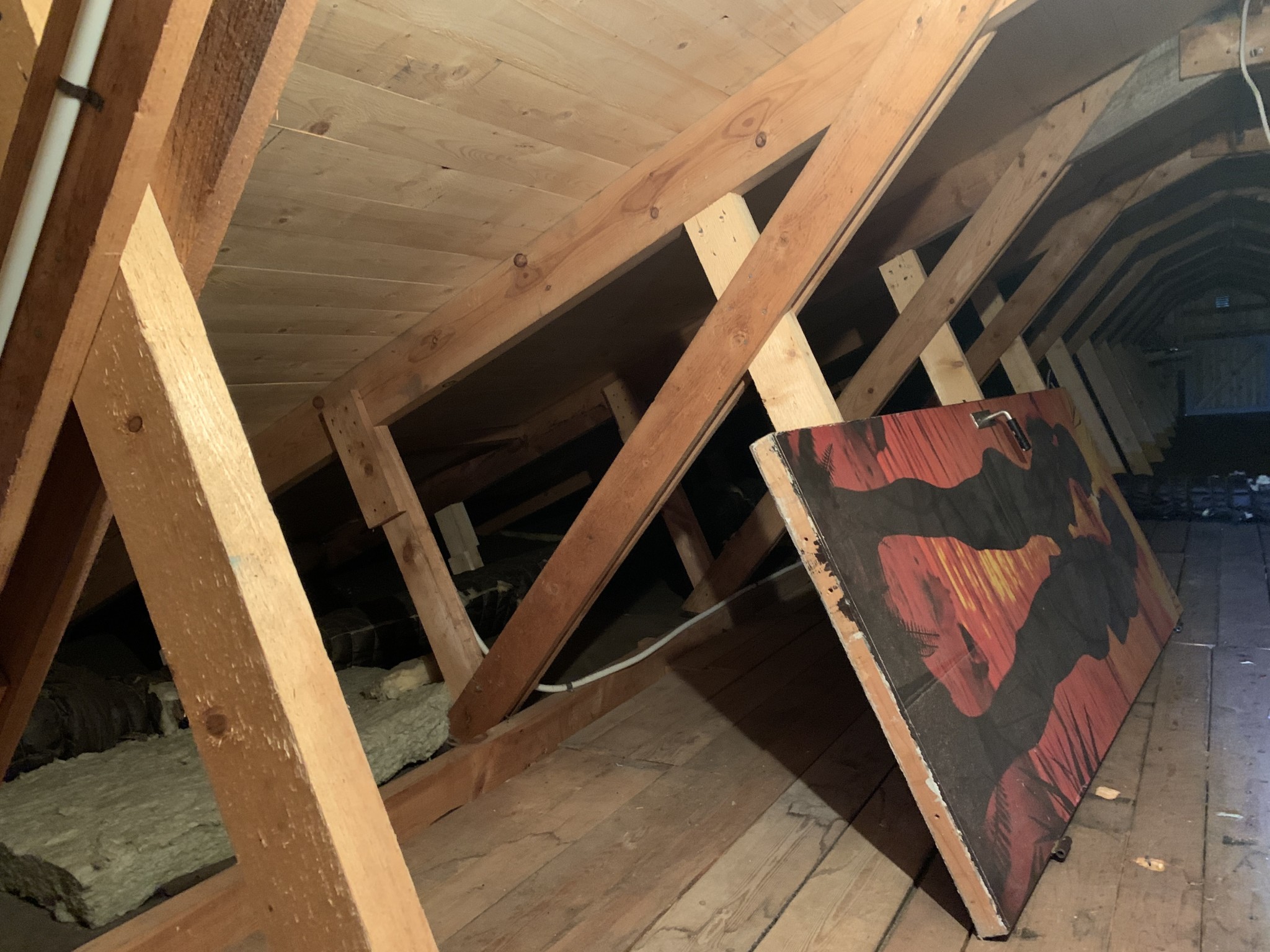
One wonders who has added the light braces. Obviously added afterwards by someone who does not understand how a truss works. Probably because they thought it was a bit shaky to walk on the attic floor, but with questionable results. However, this means nothing for the main assessment that no interior walls are load-bearing.
I know the roof was replaced in 2008 so they might have been added then.
What we want to do is remove a part of the wall into the kitchen, to make the opening into the kitchen wider and the hallway a little shorter, it's a length of 90 cm.
But at the same time, one doesn't want to end up with a problem afterwards.
Please explain to someone who doesn't know how trusses work, justus, that the brace is wrong but does it really have no function for the load-bearing capacity?
A truss consists of alternating compressed and tensioned members that are assembled into triangles. Ideally, a truss should only be loaded at the joints so that no members are subjected to bending moments. In this case, the double boards running from the ridge obliquely outward to the sides are subjected to tensile forces, as well as the upper chord members, while the diagonal braces shown in the last image perpendicular to the upper chord members are subjected to compressive forces. The diagonals added later will transfer compressive forces to the lower chord members. The correct way to reinforce the lower chord members would have been to give them greater height so they could better handle moments.
The truss was invented by the Romans. It is one of our oldest construction elements. There are several different principles for designing trusses, but the basics are always the same.