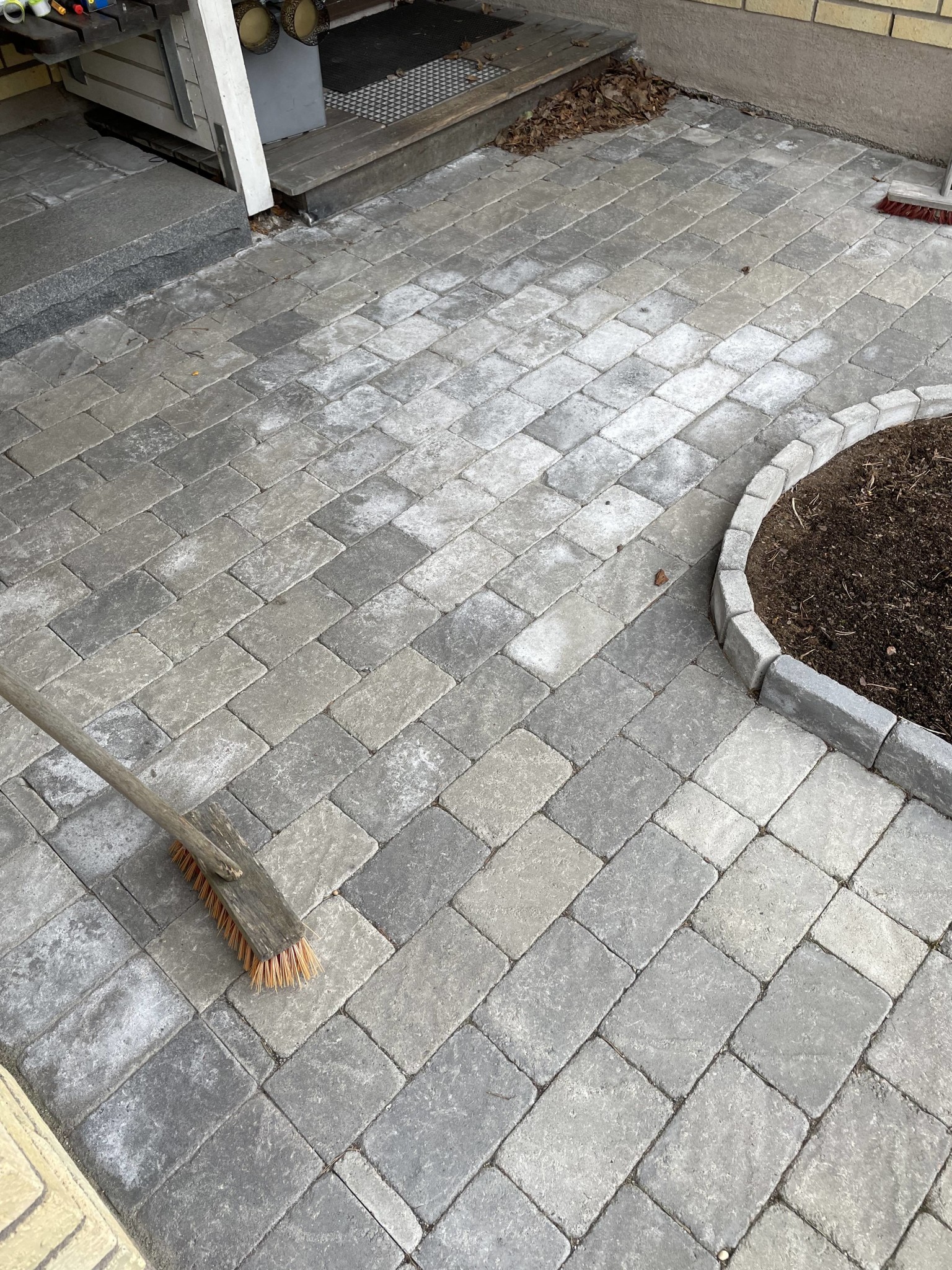
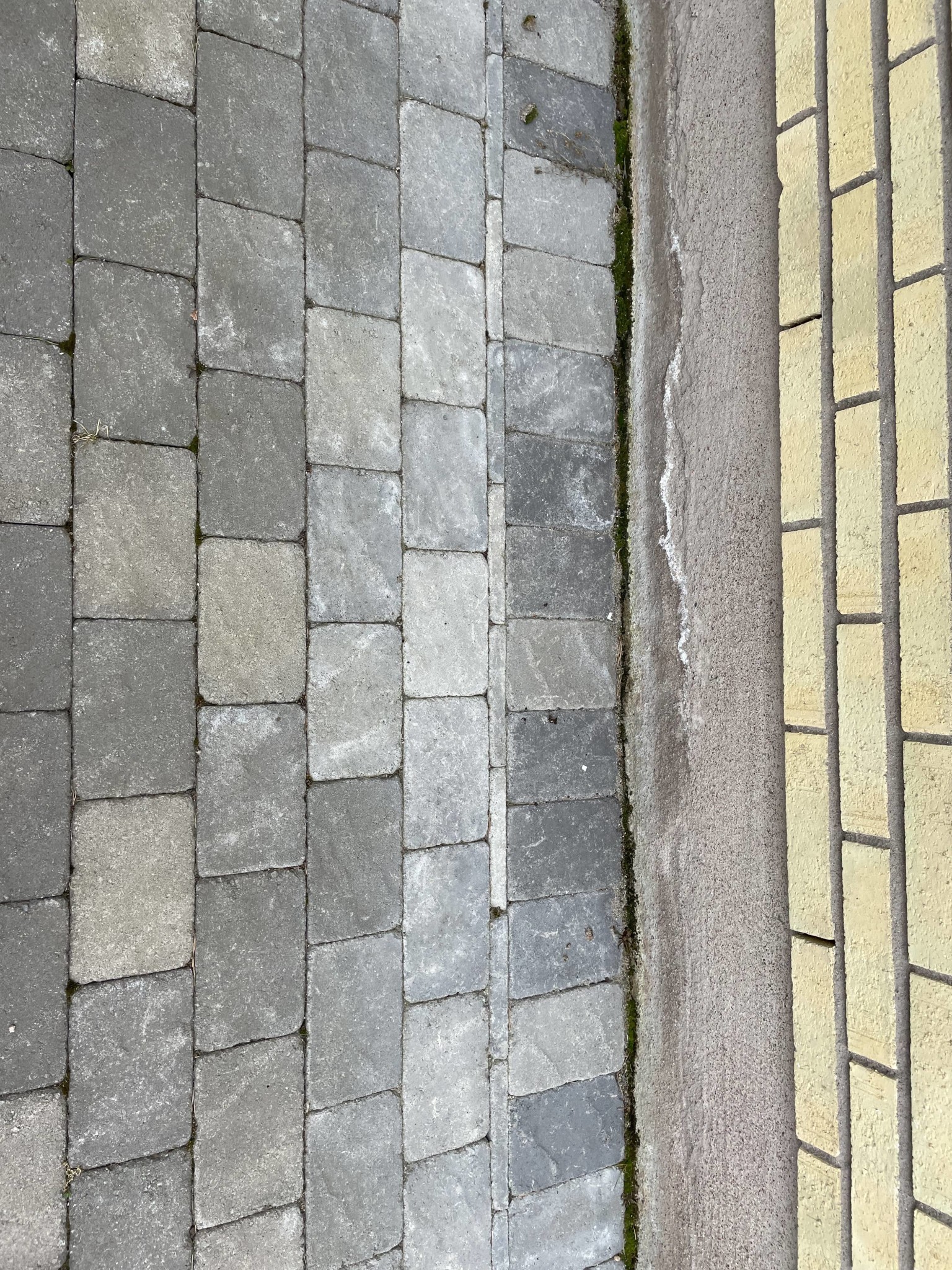
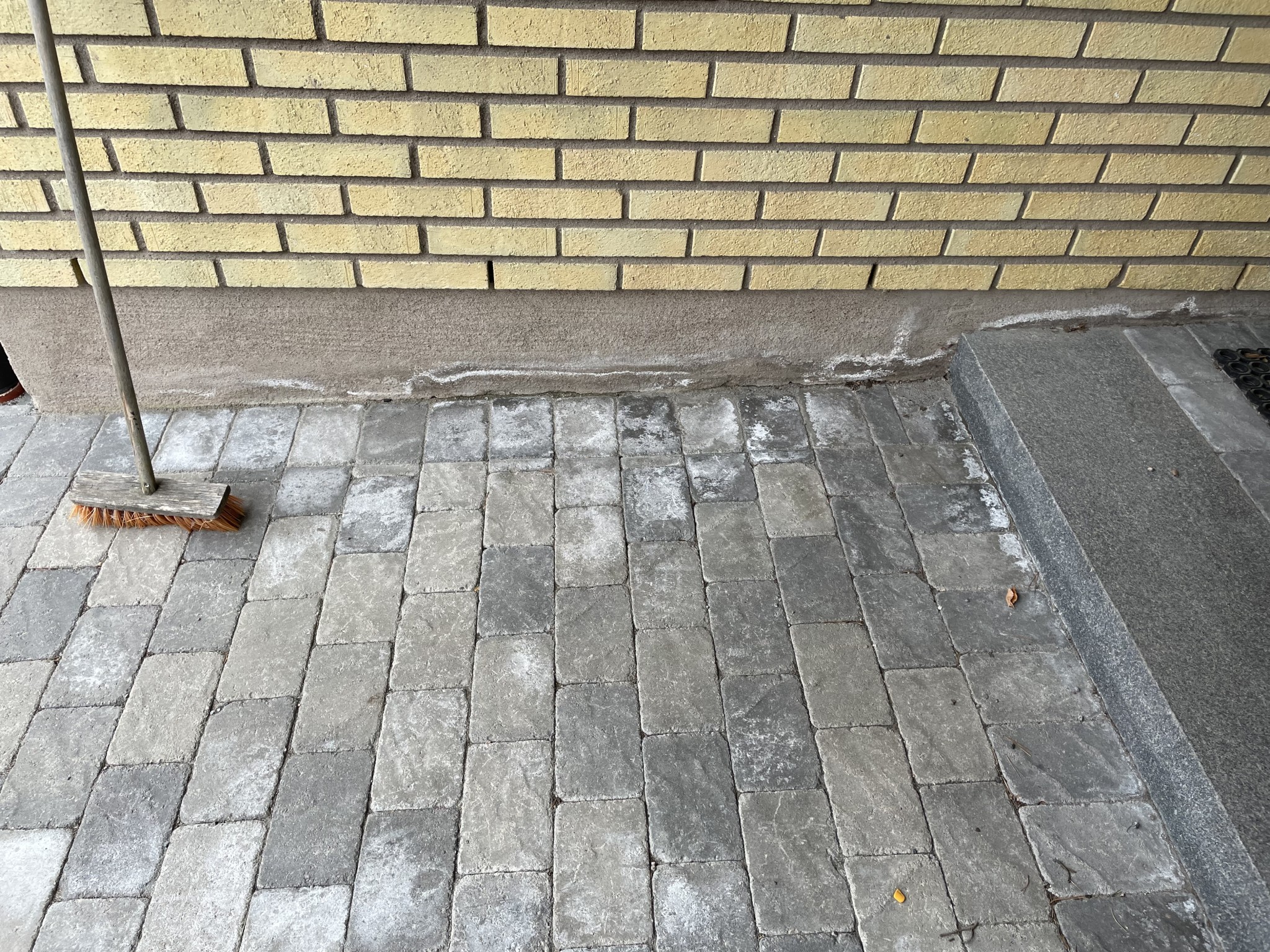
How is the drainage underneath? Does the meltwater have somewhere to flow away, or has there been a large ice slab there that has melted and flowed towards the house? In many places, there has been more water than usual as there have been thick ice layers on the ground after this winter.
 
T TypRätt said:
How is the drainage underneath? Does the meltwater have somewhere to drain away or has there been a large ice slab that melted and ran towards the house? In many places, there has been more water than usual as there have been thick ice layers on the ground after this winter.
The tiles are under a roof and have not been exposed to water or snow to any great extent.
T TypRätt said:
How is the drainage underneath? Does the meltwater have somewhere to drain away or has there been a large ice slab that melted and ran towards the house? In many places, there has been more water than usual as there have been thick ice layers on the ground after this winter.


T TypRätt said:
How is the drainage underneath? Does the meltwater have somewhere to drain away or has there been a large ice slab that melted and ran towards the house? In many places, there has been more water than usual as there have been thick ice layers on the ground after this winter.
 
H
"Concrete is a natural product and lime is a component in the concrete. Efflorescence can occur and they pose an aesthetic issue. Efflorescence is not grounds for complaint. They do not compromise the product's durability, but are a natural part of the concrete curing process. Typically, the efflorescence wears away after a shorter or longer period depending on the strength of the attack and the wear the surface is subjected to."
 
Click here to reply
Vi vill skicka notiser för ämnen du bevakar och händelser som berör dig.